

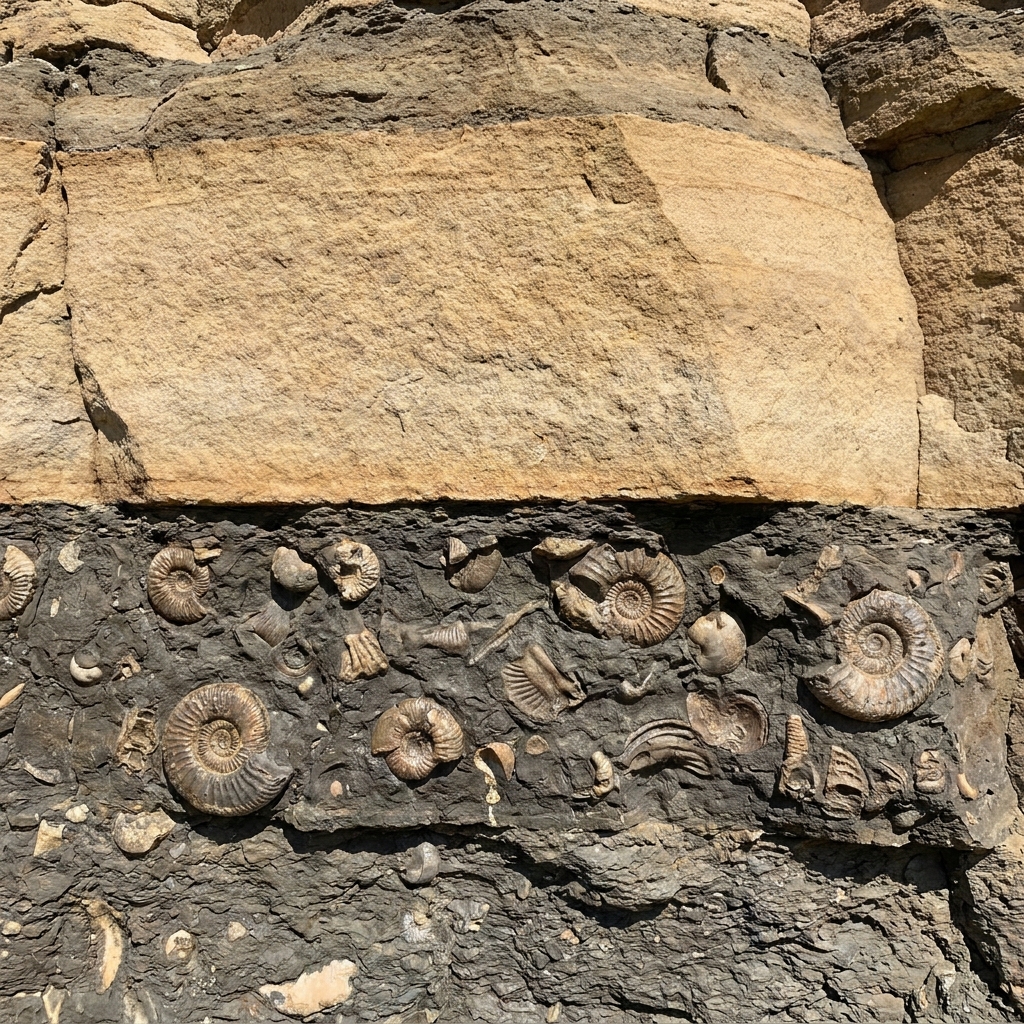
When you are planning your unit on biological evolution for 7th grade science, you need resources that do not just talk about the past but actually get students thinking like geologists. The Reading the Fossil Record lesson is a clean, straightforward way to help students visualize how life on Earth has changed over millions of years. It works well as a whole-class assignment or for a student who missed the week and needs a quick way to get back on track with the unit goals.
This lesson is built around the primary standard MS-LS4-1. This California-adopted standard asks students to look at rock layers and interpret the data to find patterns. They need to identify evidence of past life forms, see how diversity fluctuated, and recognize where species went extinct. The material reinforces that we operate under the assumption that the natural laws observed today are the same ones that governed the Earth in the past. Teachers in Lodi Unified, Sweetwater Union High School District, Newport-Mesa Unified, and Manhattan Beach Unified all use this same standard to help students understand how the fossil record functions as a timeline for life on Earth.
What the lesson asks students to do
The lesson starts by grounding students in the basics of how scientists read history in the dirt. It uses a helpful example from the Mojave Desert where four distinct rock layers sit stacked one on top of the other. The bottom layer has shells from ancient sea creatures, and the top layer has bones from land mammals. Students look at this setup to see how the change in environment dictated what organisms could survive there. They learn terms like sedimentary rock, which is the type of earth formed from sand, mud, and pebbles that eventually holds these fossils.
The instruction moves into the concept of the fossil record, which is defined as the total collection of all discovered fossils and their placement in sedimentary rock layers. Students learn how to spot a mass extinction event by looking at sudden changes in the layers. A good worked example provided in the lesson shows how a variety of marine invertebrates like ammonites might appear in one layer and then disappear completely in the next. This makes the concept of extinction, which is the permanent disappearance of an entire species from Earth, very concrete. They also work with the concept of an index fossil, defined as a fossil from an organism that lived for a short time over a wide area, which helps geologists date specific rock layers.
Using local examples in the classroom
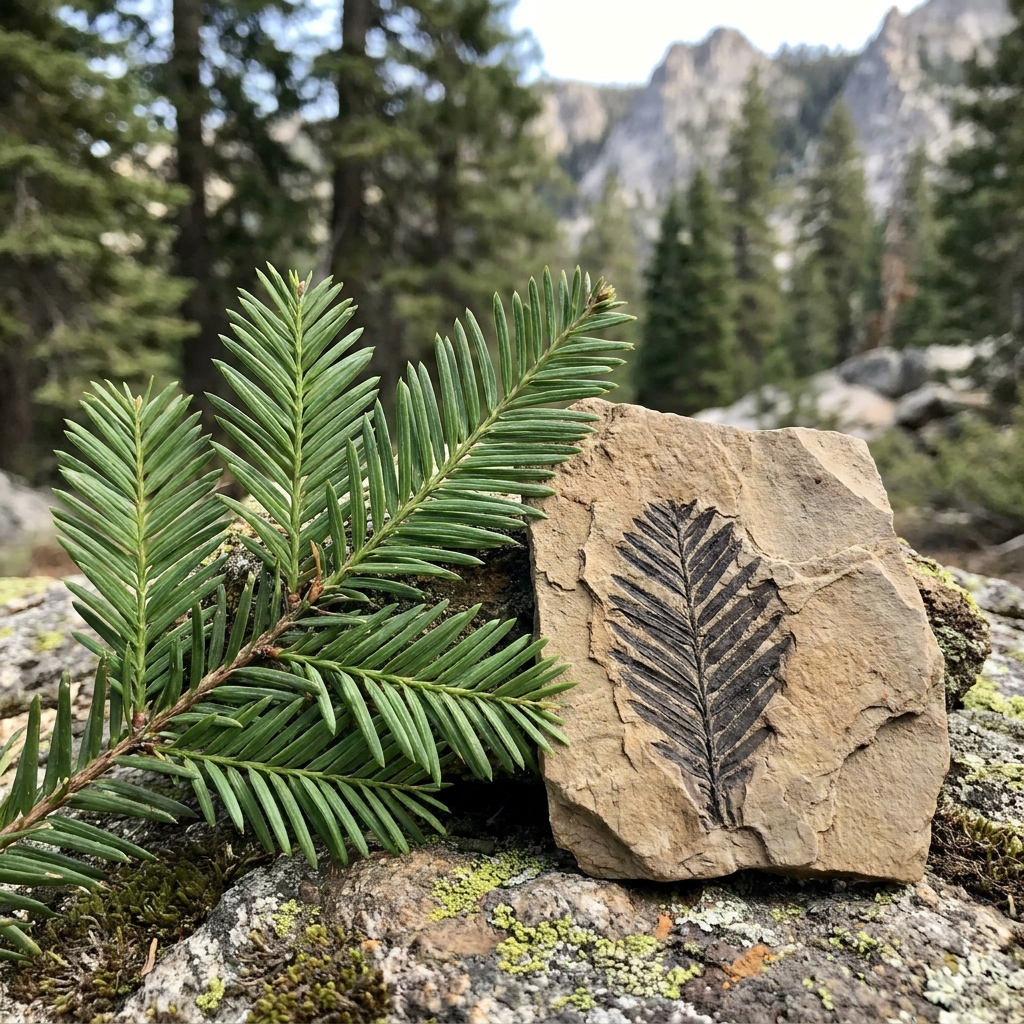
One of the best parts of this material is how it brings the science home to California. The guided practice asks students to act as researchers tracking climate change by looking at fossilized pollen grains found in Northern California. These grains were preserved in ancient lake beds, which are key parts of the region’s historical water systems. You have to explain to the class that an ecosystem is a community of living organisms interacting with their physical environment, and that California’s diverse ecosystems, from coastal basins to mountain forests, created the exact conditions needed for these fossils to form.
This is where the lesson gets interesting. Students are not just looking at generic diagrams. They are looking at how climate shifts directly influenced the plant life in these regions. The material explains that understanding these seismic shifts is also crucial for geologists to interpret why the fossil record in California is often tilted or displaced compared to flatter sedimentary regions. It is a good reminder for your students that the earth beneath them is not just a static platform but a constantly changing participant in history.
Where students slip and how to support them
The hardest part for my students when they use this seventh grade fossil record lesson is the concept of deep time. They often try to force modern timelines onto these rock layers. It is worth spending extra time explaining that the layers take immense amounts of time to settle. When you see a student get stuck during the guided practice, point them toward the index fossils. Tell them to look for the organism that shows up and disappears quickly. If they can find that, they can fix the timeline in their heads much faster.
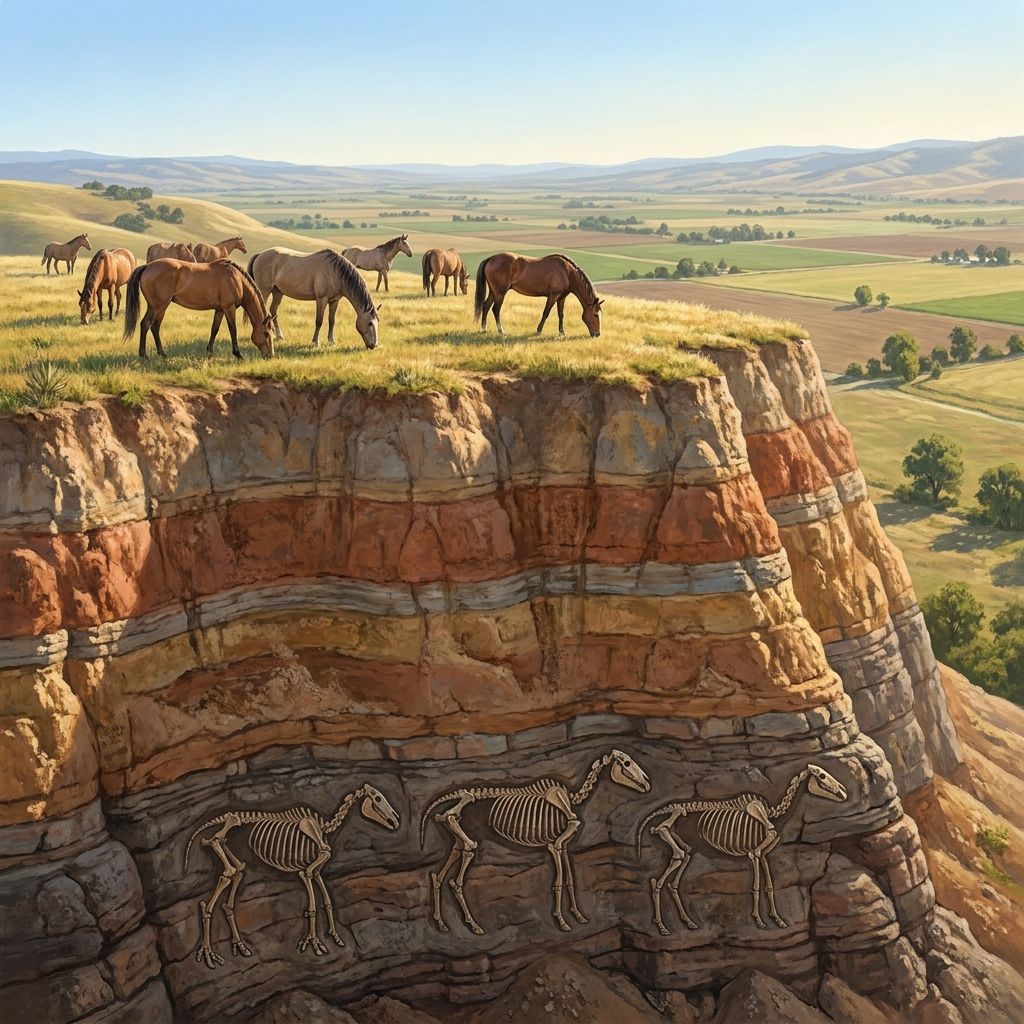
Also, keep an eye on how they interpret the disappearance of fossils. Some students assume that if an organism is not in the layer, it went extinct everywhere immediately. Remind them to look at the surrounding environment and the rock type. Sometimes the environment just shifted so that the organism was no longer preserved in that specific location, even if the species itself survived elsewhere. This distinction between a local disappearance and a global extinction is a frequent point of confusion. Once they grasp that the fossil record is an incomplete map, they usually do much better at making logical claims about what happened to the life forms they are studying.
This lesson is also excellent for independent study or as a backup for a substitute day. It provides enough context that a student can work through the definitions and the scenarios without you needing to stand at the whiteboard for the entire period. If you have an intervention group that needs to see how the pieces fit together, the shift from the Mojave shell layers to the Northern California pollen grains provides a clear enough contrast to highlight the variety in geological evidence.
Related lessons

Hidden Connections: Embryos and Evolution, Explores how embryonic development provides evidence for common ancestry in species
Managing California's Natural Resources, Discusses how state resources are managed for environmental and economic health
Reproduction Strategies in Nature, Examines various biological methods organisms use to ensure species survival