

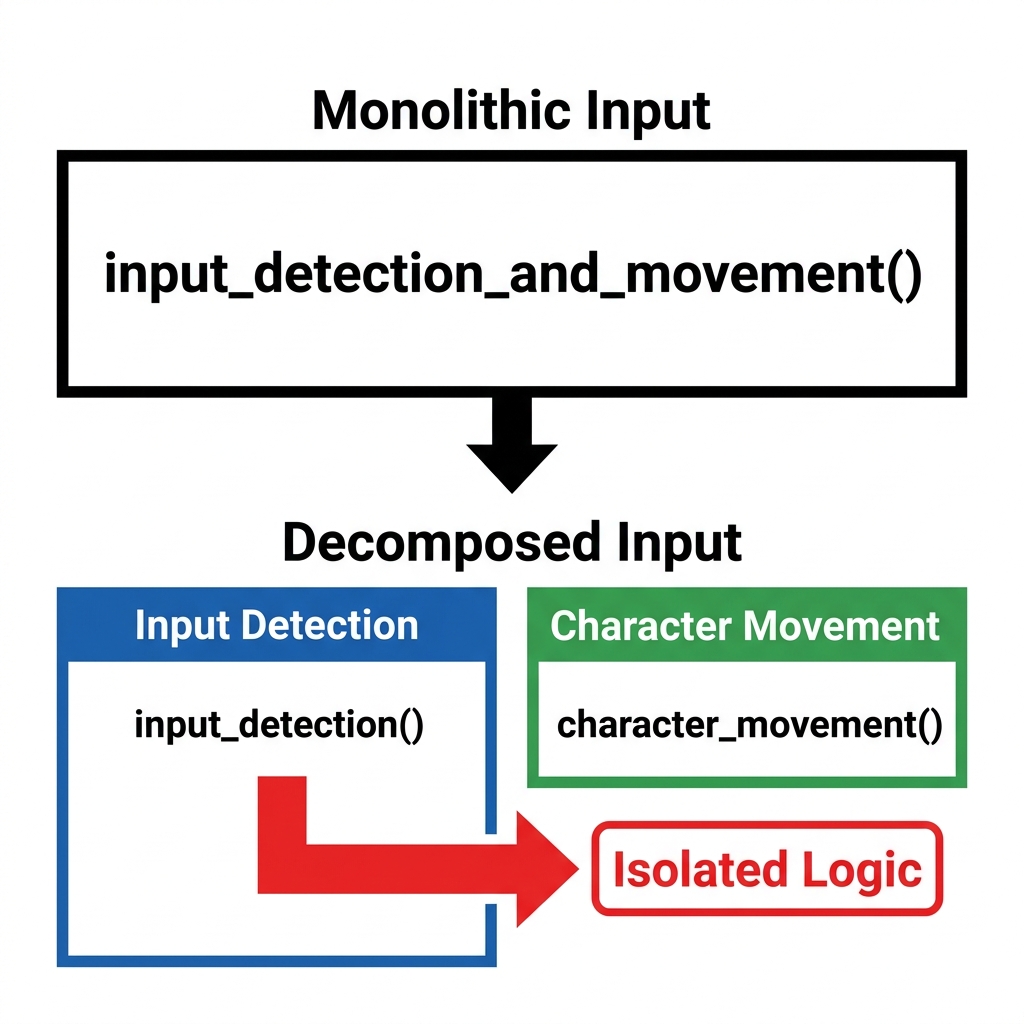
This lesson does not try to teach specific programming languages or advanced syntax. Instead, it addresses the structural thinking required before a student writes a single line of code. It focuses on the logic of design within a 6th grade computer science unit. By isolating the concept of decomposition, students learn to organize their thoughts so they can eventually handle larger, multi-stage projects without becoming overwhelmed.
You can find the material at Breaking Down Big Problems. When students approach a new programming task, they often stare at the screen waiting for the code to appear. This lesson forces a pause in that workflow. It uses a very clear, relatable analogy to explain how to get started: the process of baking a cake. Just as you do not toss all ingredients into a bowl at once without a plan, you cannot code a functional game or app by writing one massive, messy block of instructions. The lesson introduces the vocabulary of the trade, starting with decomposition, which is defined as the process of breaking a complex problem or system into smaller, more manageable parts that are easier to design, implement, and review. From there, students learn about a module, which the material defines as a self-contained unit of code that performs one specific function.
This lesson directly serves CA.CS.6-8.AP.13. This California-adopted standard asks for the ability to decompose problems and subproblems into parts to facilitate the design, implementation, and review of programs. It is about architectural planning, not just typing. Educators from Mt. Diablo Unified, San Bernardino City Unified, Brentwood Union School District, and Paramount Unified all use this standard to bridge the gap between simple tutorials and independent projects. When a student learns to split a task into parts, they learn how to fix bugs without breaking the entire program.
The mechanics of modular thinking
The lesson moves from the abstract cake analogy to a concrete game development scenario. This is where the work gets interesting. Instead of writing one giant script for a character, the lesson explains how to create two distinct parts: one module for input detection to see if the player pressed a key, and another for animation triggering to make the character move. This creates a mental map for students. If the character stops moving, the student knows to check the animation module specifically rather than digging through the entire game script. It saves time and prevents the frustration that happens when a student changes a variable and loses track of what it actually affected.

I recommend using this lesson for a few specific purposes. It works perfectly for a whole-class assignment when you are introducing a new project phase. It is also highly effective for a student who missed the week, as the independent logic of decomposition allows them to catch up on the structural foundations without needing to have memorized every previous line of code taught in the sequence. If you have students doing independent study, this lesson acts as a survival manual for them. It gives them a way to organize their own progress when you are not standing right at their shoulder to provide immediate feedback.
Applying the logic to a weather app
In the guided practice portion, students are tasked with designing a hypothetical weather app. The app must pull information from the internet and display it to the user. This is a classic example of a task that would overwhelm a beginner if handled all at once. By applying the standard CA.CS.6-8.AP.13, students break the app into pieces: the data fetch, the processing of that data, and the visual display. For a 6th grader, this changes the task from an impossible mountain to a set of manageable steps.
One clear limitation to be aware of: students often want to rush to the typing phase. They find it exciting to see things happen on screen and feel that planning is a waste of time. You will need to insist that they write down their modules on paper before they ever touch the keyboard. If they skip this phase, they will eventually build code that is impossible to debug. The lesson emphasizes that this is how professional developers manage complex systems. By teaching this now, you are building the discipline that allows for later, more sophisticated projects. If a student ignores this part of the curriculum, they will struggle with later units where the projects grow in complexity and dependencies. A program built without modular design is a house of cards that collapses when you change a single variable.
Where students slip
The biggest hurdle for students is usually identifying the boundary of a module. They tend to make modules that are too large or overlap in function. They might try to put input detection, data fetching, and animation all into one module just because they relate to the same character. Remind them that a module should do one specific thing. If they can describe what their module does in a single sentence using only one verb, they are on the right track. If they find themselves using the word and multiple times in their description, the module is likely too big and needs further decomposition.
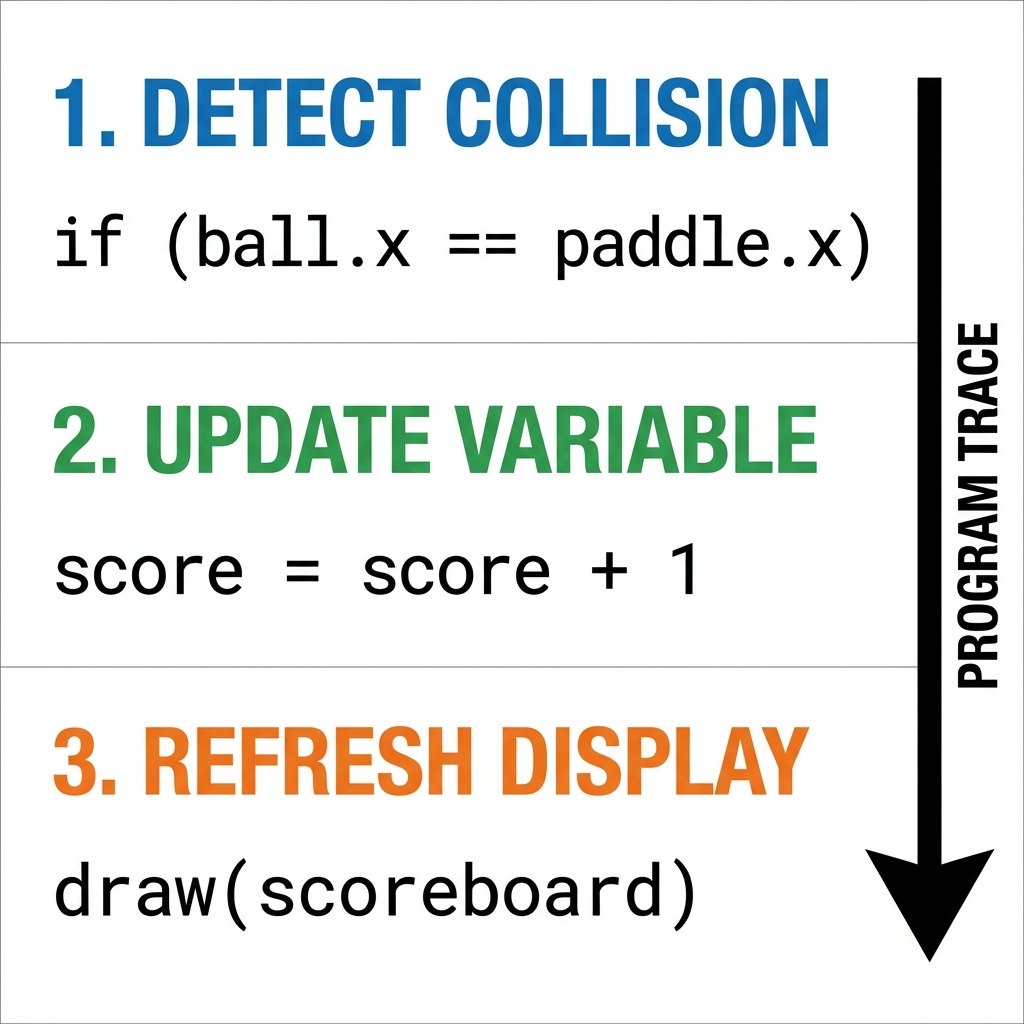
You can guide them through this by checking their notes during the 6th grade computer science decomposition lesson. If a student is stuck, do not provide the code. Instead, ask them what happens if they remove one part of their plan. Does the rest of the program still make sense? If not, their module might be too dependent on another. This lesson is a strong reminder that computer science is more about clear, logical communication than it is about the actual commands. When a student learns to think like an engineer, the code becomes the easy part. They will have much more success in their future programming endeavors if they master this now.
Related lessons
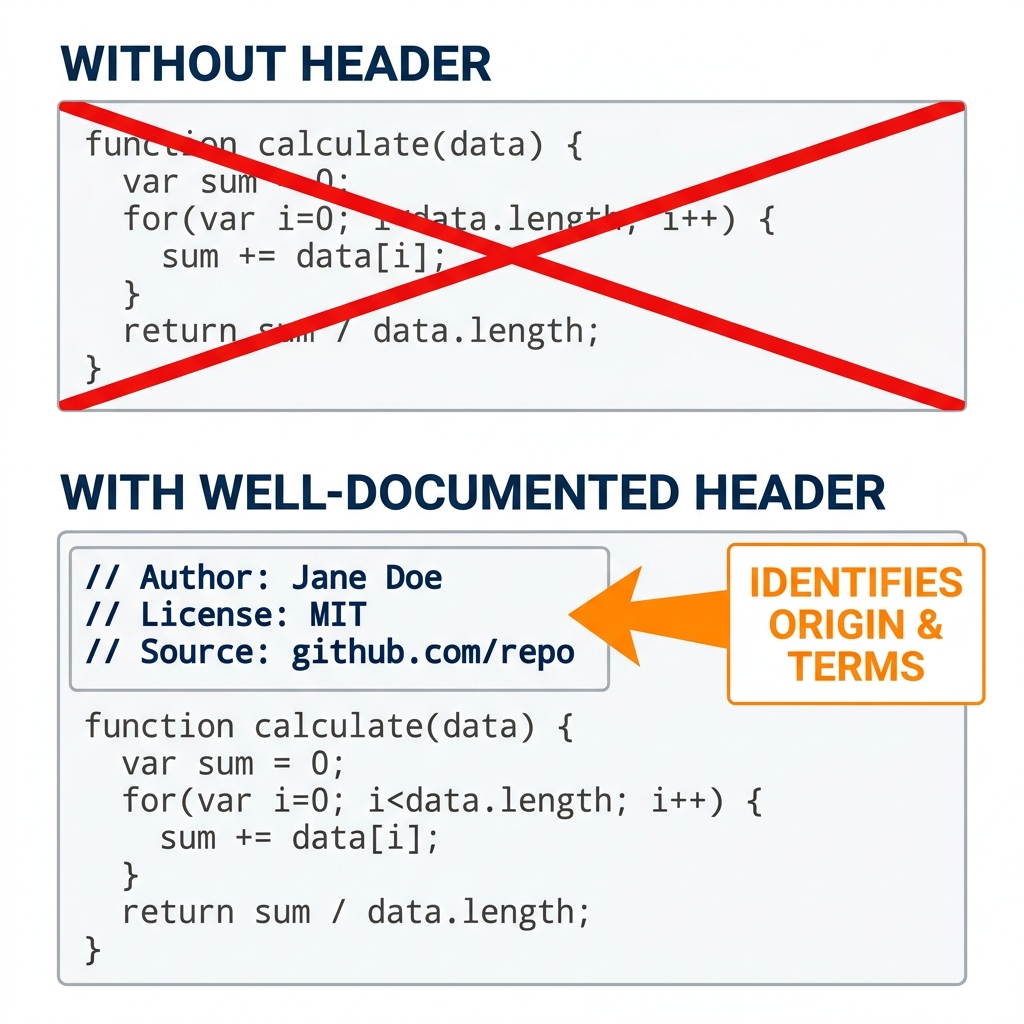
Building with Code: Using External Libraries and Attribution, Learning to integrate external code while maintaining proper project attribution

Improving Software with Feedback, Refining programming tasks based on testing and user input cycles
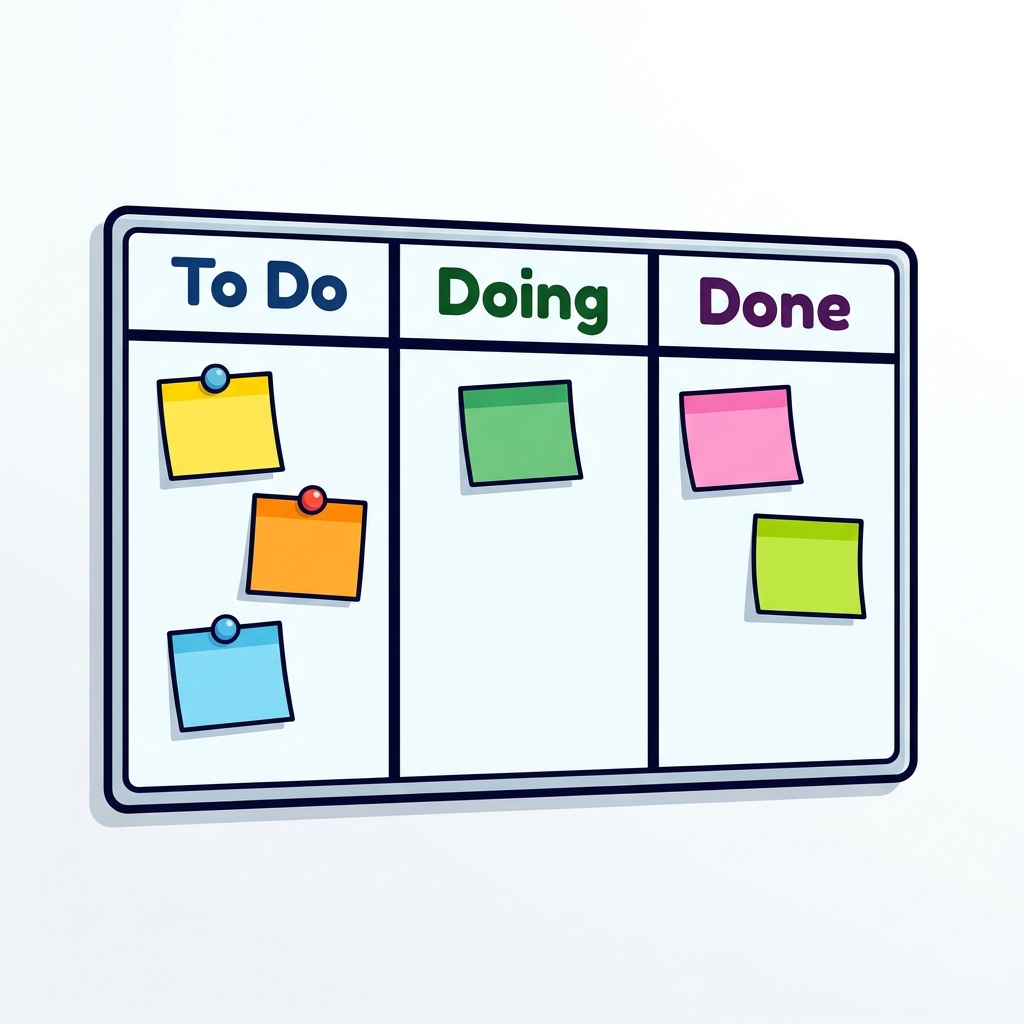
Working Together on Coding Projects, Collaborative coding strategies for managing shared programming tasks and modules