

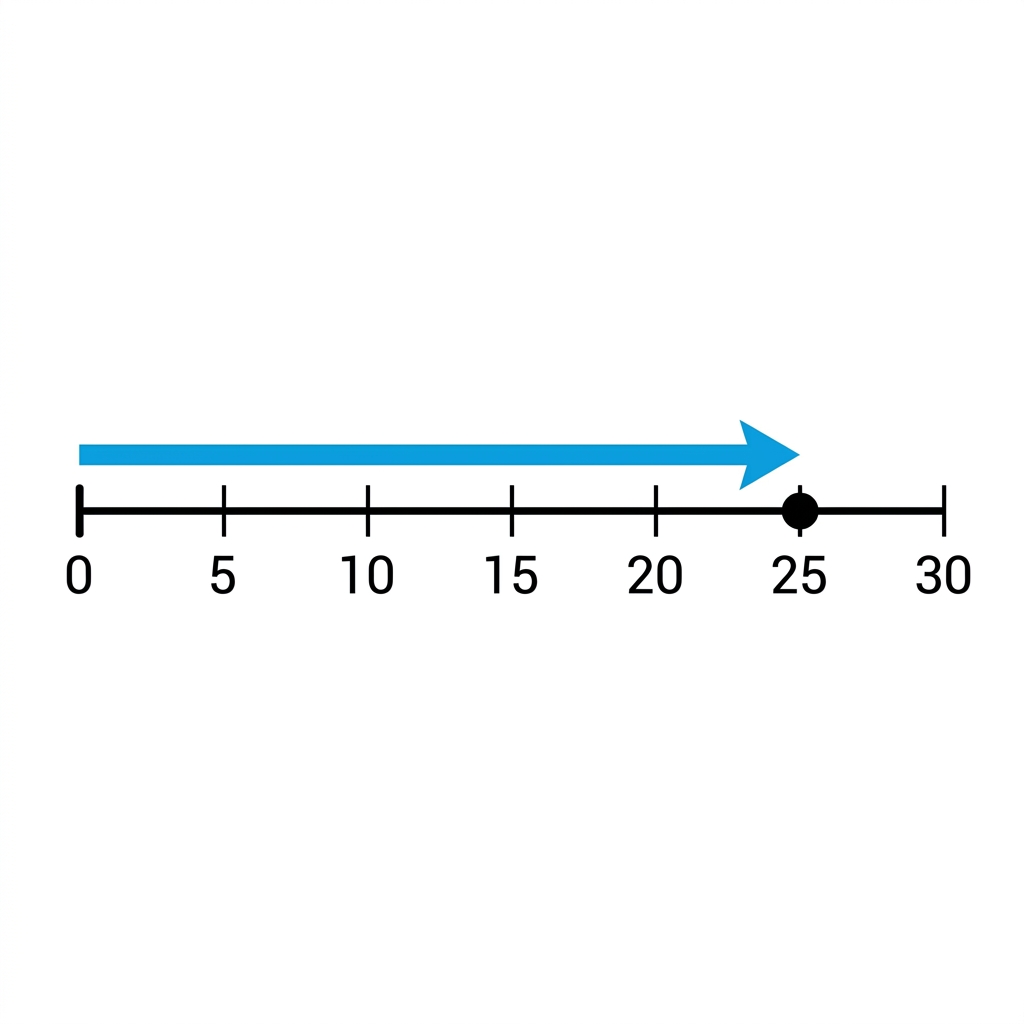
Some second graders need to see a jump before they believe it.
If you are a counselor, an intervention teacher or the person who coordinates independent study, you have probably had this request land on your desk: a student is behind on number lines, the class has moved on, and someone needs a single, contained piece of work that reteaches the idea. Number Lines and Lengths is a second grade math lesson that does one thing, and it takes about 45 minutes. That size matters when you are fitting it into a pull-out block or a packet of independent work.
It sits in the Measurement and Data part of the second grade course, and its stated objective is plain: use number lines to show whole numbers as lengths and to solve addition and subtraction problems. No detours.
What the lesson actually covers
The lesson opens where second graders already are, with counting blocks or toys as a first way to measure. From there it reframes the number line as a path, where each number stands for a specific distance from zero, and the marks are equally spaced so a student can see how long any jump is. I like that framing. It quietly moves the student from counting things to measuring distance, which is the whole point of the standard.
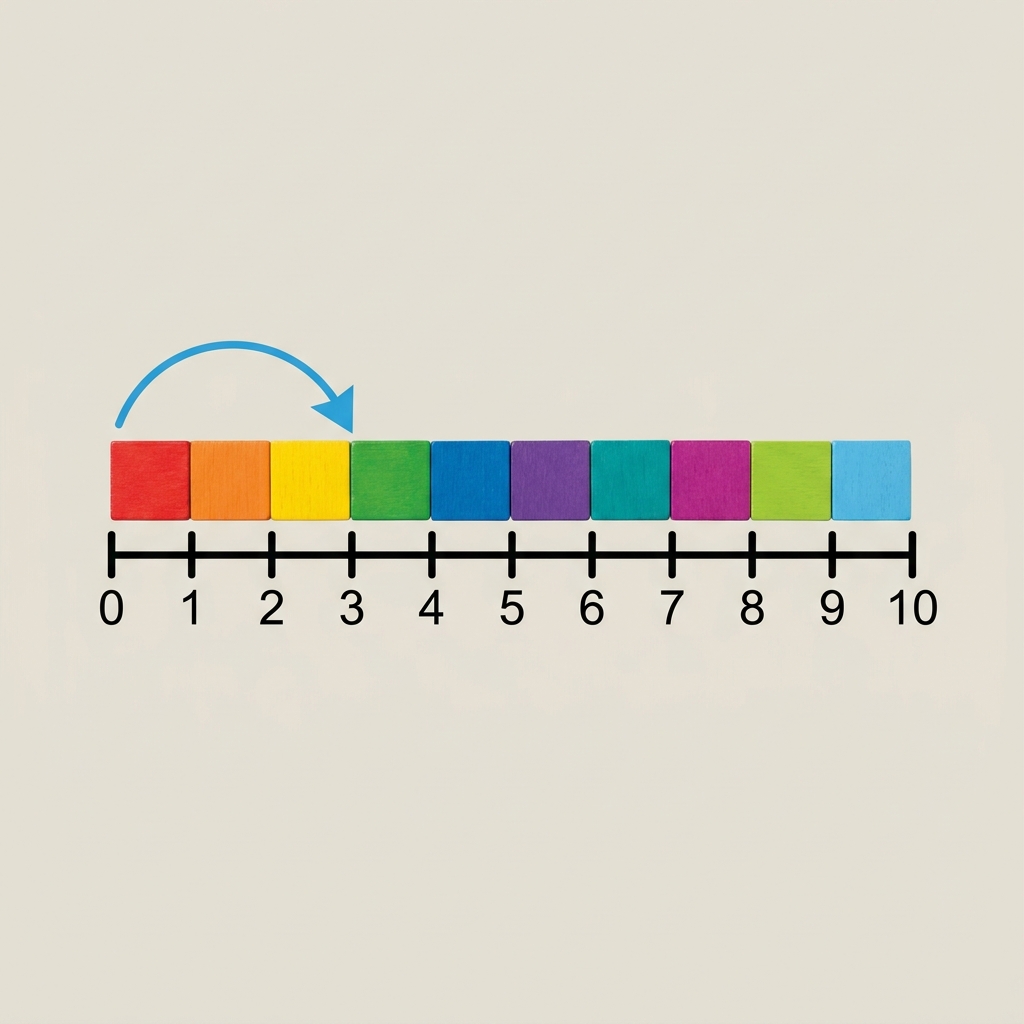
The worked example is deliberately simple. A point at 10 on the line shows a length of 10 units from zero, and the lesson tells the student this is a correct way to show a number as a length. A student who has been confused will often need exactly this much: one clean picture, stated as correct, before anything else gets added.
Then the student tries it. The guided practice uses a frog that jumps 40 units and then 20 more units forward. The student has to see two lengths laid end to end and land on 60, which is an addition problem told as distance traveled. That is a nice scenario for a kid who freezes at a bare equation but will happily follow a frog.
The vocabulary is short, and it is worth checking that the student can say both definitions back in their own words:
- number line: a line with equally spaced marks that show how far a number is from zero
- length: the distance from one point to another
The lesson closes its case for why this matters with a construction worker using a tape measure, which it points out is really just a number line, to measure boards for a house. Students who like to know what something is for will take that seriously.
The standard behind it
The lesson is aligned to CA.MATH.2.MD.6, a California Common Core math standard in the cluster about relating addition and subtraction to length. It asks for two things. First, students represent whole numbers as lengths from 0 on a number line diagram with equally spaced points for 0, 1, 2 and so on. Second, they use that same diagram to show sums and differences within 100.
My honest view is that the first half is where students actually fall apart, and adults tend to skip past it. A child who counts the tick marks instead of the spaces between them will be off by one on every problem, and it looks like an addition error when it is really a measurement error. The point at 10 example is useful precisely because it makes the student think of 10 as a distance, not as the tenth mark.
This is the same standard on the same page whether the student is enrolled in Oakland Unified, San Jose Unified, Selma Unified or Rocklin Unified, because the California standard does not change from one district to the next. That makes the lesson easy to hand to a transfer student without worrying about whether it matches what their old school expected.
One caveat. The practice scenario I described is about adding lengths. The objective includes subtraction too, but if you already know the student’s specific trouble is jumping backward on the line, plan a few extra subtraction problems of your own afterward. A frog that jumps 60 and then hops back 20 works fine.
Fitting it into a student’s week
At about 45 minutes, this fits a single session. I would use it in three situations.
The first is a student who missed the week the class covered number lines. They do not need the whole unit again, they need the core idea, and this is it.
The second is intervention. If a teacher tells you a student keeps getting number line problems wrong by exactly one, this lesson goes straight at the reason. Sit with the student for the worked example and let them do the frog problem while you watch where they start counting.
The third is independent study, where the student works on their own and checks in later. Because the lesson is short and has one clear objective, it is easy to describe in a learning agreement and easy to verify.
As for getting the result back to the classroom teacher, use whatever way your site already records independent or intervention work. What I would add is a sentence of substance, not just a checkmark. Something like: finished the lesson, landed on 60 for the frog problem, still counts tick marks on her own. That one line tells the teacher more than a completion date ever will, and it tells them whether to move on or to keep an eye on the next measurement unit.
If you have a student in mind right now, open the second grade number line lesson and watch the point at 10 example yourself first. You will know within a minute whether it is the right fit for that kid.
Related lessons
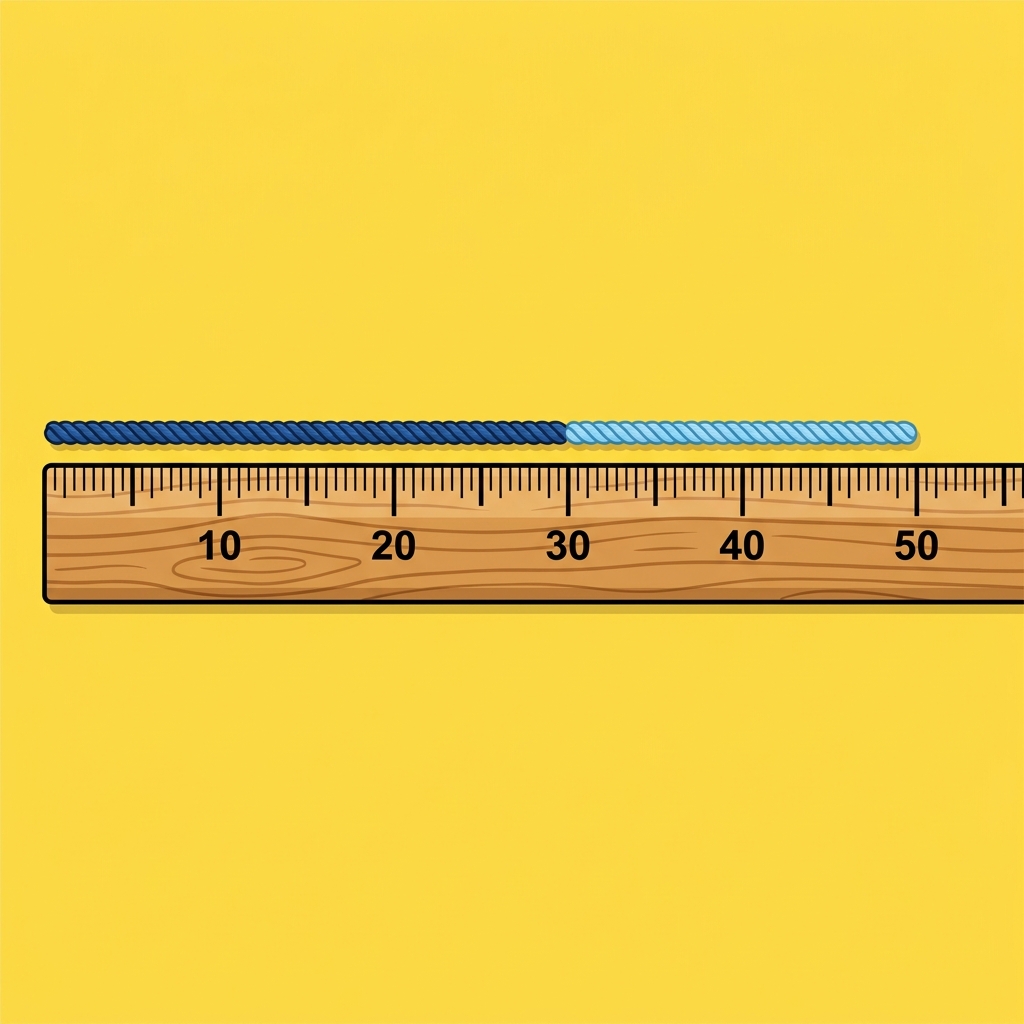
Measuring and Solving Length Problems, measuring objects and solving word problems involving length
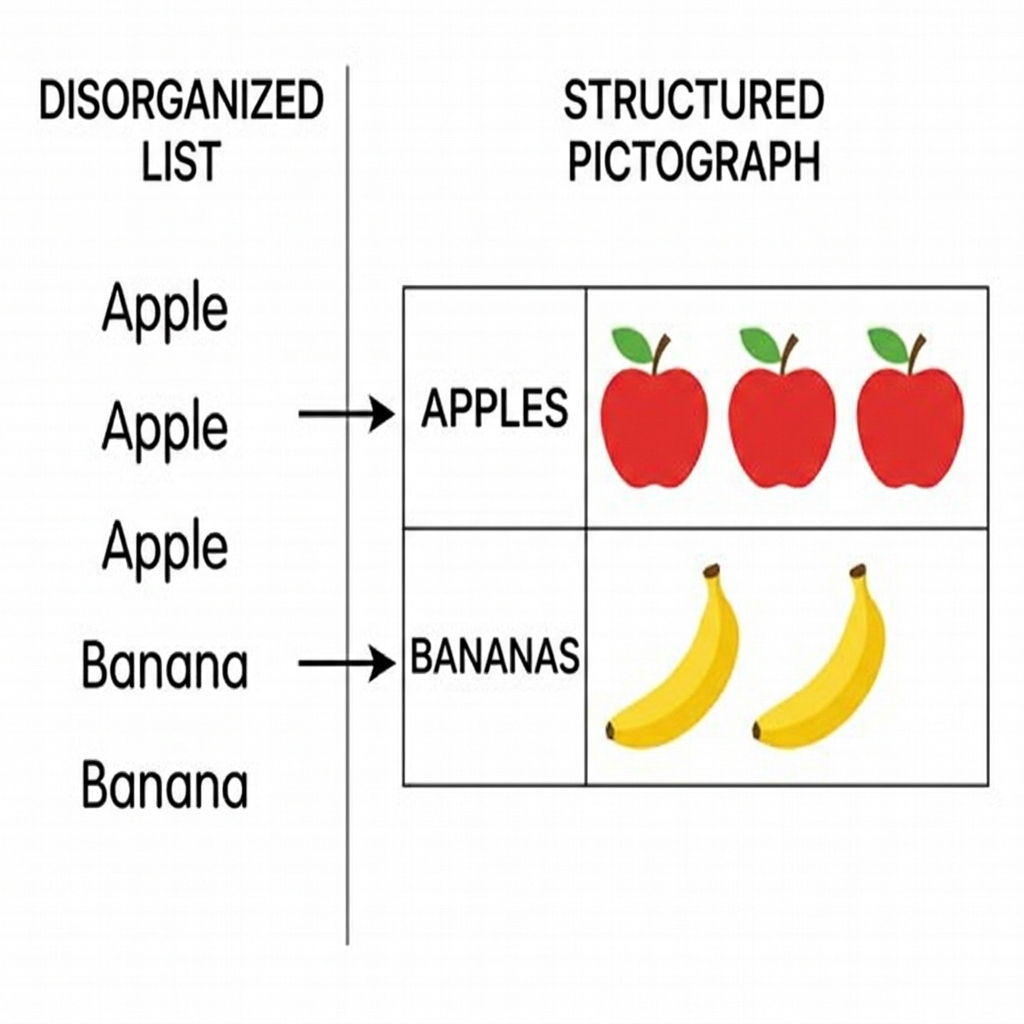
Making and Reading Graphs, building simple graphs and reading the information they show

Telling Time to the Nearest Five Minutes, reading analog clocks and telling time to five minutes