

A sixth grader shakes a hand-warmer packet before morning recess, holds it for a minute, and then wants to know where the heat is coming from. Nothing is plugged in. There is no battery. That small puzzle is the doorway into Thermal Energy in Chemical Reactions, and I like that the lesson starts exactly there, with the packet, the chemicals mixing inside, and warm hands on a cold day.
This is a sixth grade science lesson from our Middle School Physical Science course, and it runs about 45 minutes. The objective is plain: students design and test devices that use chemical reactions to release or absorb thermal energy. It is built on one California NGSS standard, MS-PS1-6, from the Matter and its Interactions cluster.
Reading the standard one phrase at a time
Here is the full text: “Undertake a design project to construct, test, and modify a device that either releases or absorbs thermal energy by chemical processes.” It sounds simple. It packs in a lot.
Undertake a design project. This puts the student in the role of an engineer. The point is a device with a job to do, not a list of facts about reactions.
Construct, test, and modify. Three verbs, and the third is the one students skip. Most sixth graders treat their first attempt as the answer. The standard expects them to look at what happened and change something.
Releases or absorbs. This is about direction. A student has to say which way the thermal energy is moving and back it up with what happens to the surroundings.
By chemical processes. The heat or the cooling has to come from substances reacting, not from a stove or a freezer. The hand-warmer opener nails this distinction.
The California version, CA.MS-PS1-6, keeps the same wording and adds context: California teaches middle school science through an integrated model that weaves physical, life, and Earth sciences together, and it grounds standards in California phenomena such as water systems and energy policy. Sixth graders in San Bernardino City Unified, Lodi Unified, Bassett Unified and Fortuna Elementary School District are working toward this same standard, and it reads the same in every corner of the state.
How the lesson gets students there
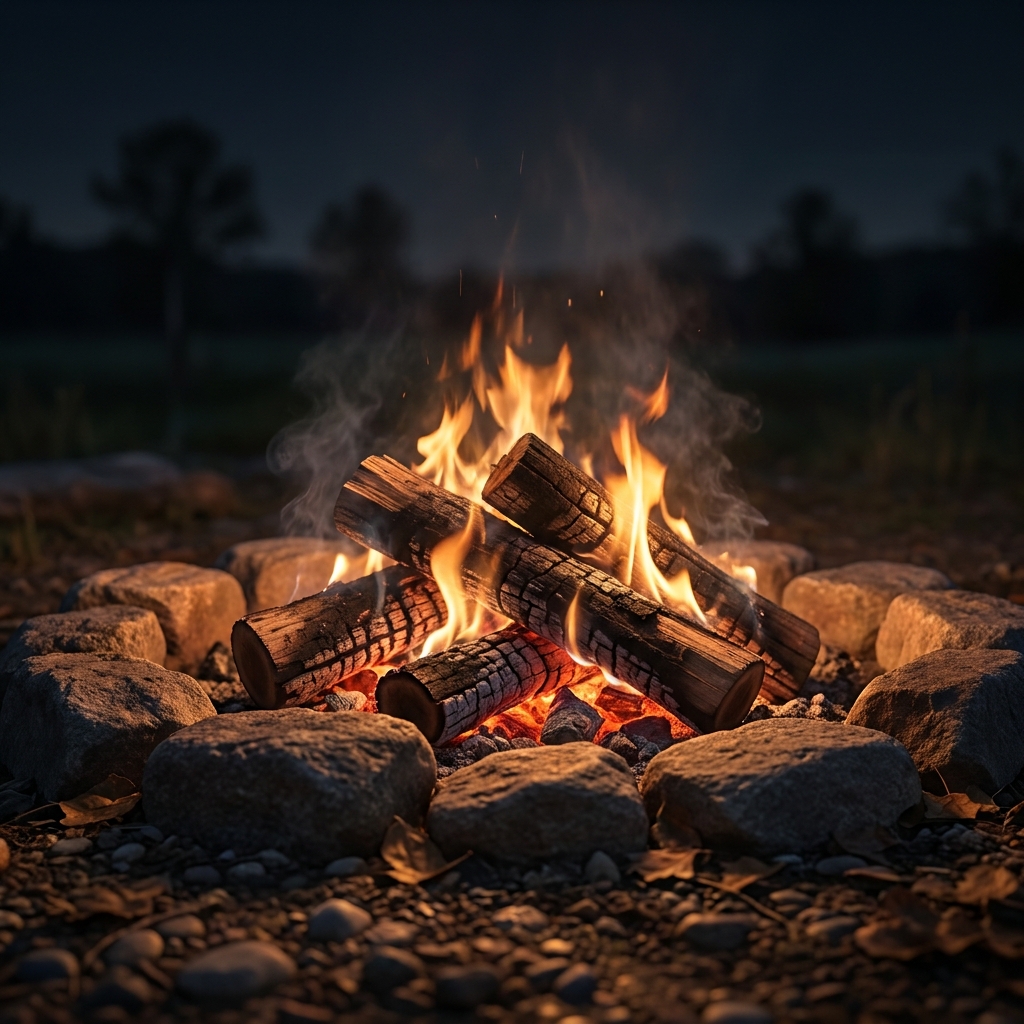
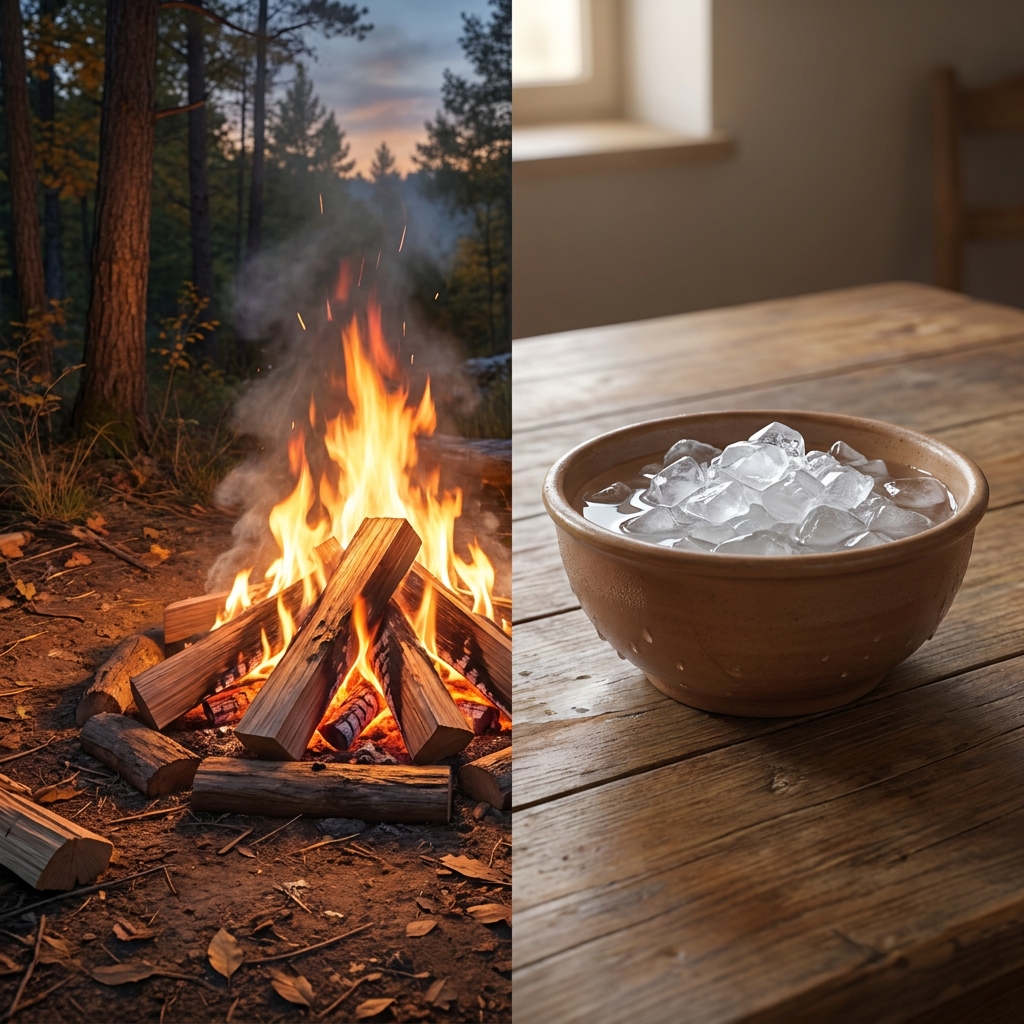
The opener defines thermal energy as the energy of moving particles in a substance, then ties it to the hand-warmer reaction. From there the worked example uses combustion: wood reacting with oxygen and giving off heat and light. The lesson labels it exothermic because the surroundings get much warmer, and that word, surroundings, is doing the real work. Two vocabulary terms anchor everything:
- exothermic: a reaction that releases thermal energy, so the surroundings get warmer
- endothermic: a reaction that absorbs thermal energy, so the surroundings get cooler
Guided practice is where the lesson earns its keep. Students test a prototype cooling sleeve made with ammonium nitrate and water. I think this was a smart choice. Endothermic reactions are the harder idea for this age, because many students believe cold is something that gets added to an object. Asking them to reason about a sleeve that pulls heat away from what it touches forces the correct model.
The lesson then connects the sleeve to California building design, where endothermic materials absorb heat during the day and keep interiors cool without heavy air conditioning. The why-it-matters section widens out to keeping food fresh, medical treatments, energy storage for renewable grids, and passive thermal regulation, meaning materials that control building temperatures on their own to cut electricity use. That is the integrated, California-flavored framing the CA addition asks for, and it gives the cooling sleeve a reason to exist beyond the worksheet.
If a colleague asks you for a sixth grade exothermic and endothermic reactions lesson that does more than define two words, this is the one I would send.
Where it fits and where it falls short
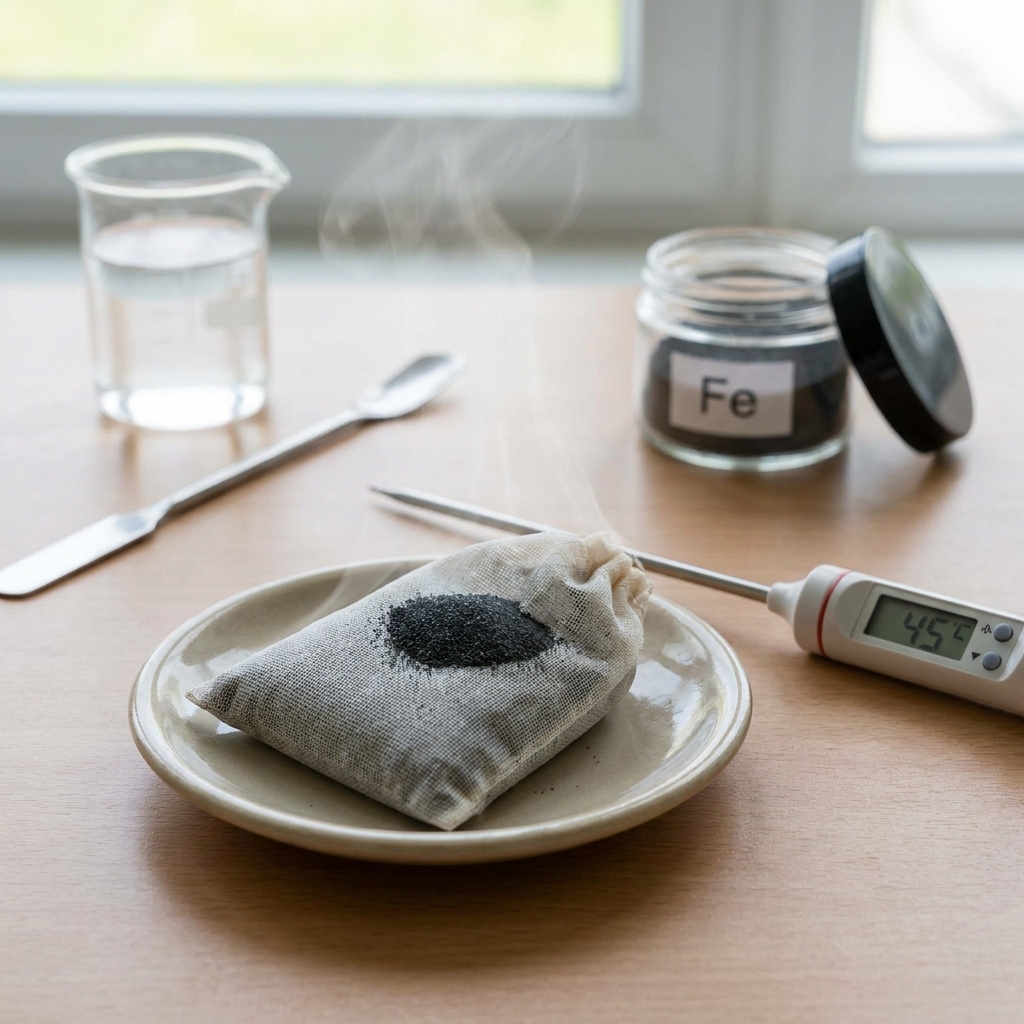
An honest caveat. A 45-minute digital lesson cannot have students physically build anything, so the construct part of the standard is handled through a prototype scenario rather than real materials. If your lab and budget allow, follow it with a hands-on build where groups test and then modify a hot or cold pack. The lesson gives them the vocabulary and the reasoning; the bench gives them the third verb.
It works well as a whole-class introduction the day before that lab. It also suits a student who missed the week, since the sequence from hand-warmer to combustion to cooling sleeve stands on its own. And it holds up on a substitute day, because the reasoning is laid out step by step without needing you to fill gaps.
Watch for one thing as students work: whether they explain the cooling sleeve by talking about the surroundings losing heat. If they do, they have the concept.
Related lessons

Analog and Digital Signals, Compares how analog and digital signals carry information
Understanding Wave Energy, Explains how waves carry and transfer energy
Energy and Distance, Explores how energy relates to distance between objects