

Understanding how technology silently observes behavior is a primary goal in modern computer science instruction. As students interact with digital devices throughout their day, they often overlook the hidden systems that collect and interpret their actions. This lesson brings those invisible processes into focus, helping students recognize the difference between convenience and surveillance in their own digital environments.
How automated systems track high school students
A smart thermostat uses three different sensors to detect presence in a room and adjust the heat accordingly. When I explain this to a high school computer science class, it usually lands as a simple convenience. Most students have seen these devices, but they rarely think about the automated data collection happening in the background. My goal is to move the conversation from the physical thermostat to the invisible software that tracks their digital footprints, which is exactly what the lesson Digital Privacy and Automated Data helps us accomplish.

This material fits right into an Intro to Computer Science course, specifically the unit on the impacts of computing. If students do not grasp how these programs operate without constant human intervention, they will struggle later when we analyze the ethical failures of predictive models. I find that this specific lesson is ideal for a substitute day or a student who missed the week, as it is self-contained and demands that students wrestle with real-world scenarios rather than just memorizing definitions.
Defining the standard for digital ethics
The core of this work is the California-adopted standard CA.CS.9-12.IC.29. This standard asks students to explain privacy concerns related to how machines gather and generate data through automated processes. It is a vital conversation that we see replicated across the state, from classrooms in Los Angeles Unified and Capistrano Unified to those in Livermore Valley Joint Unified and Ripon Unified.
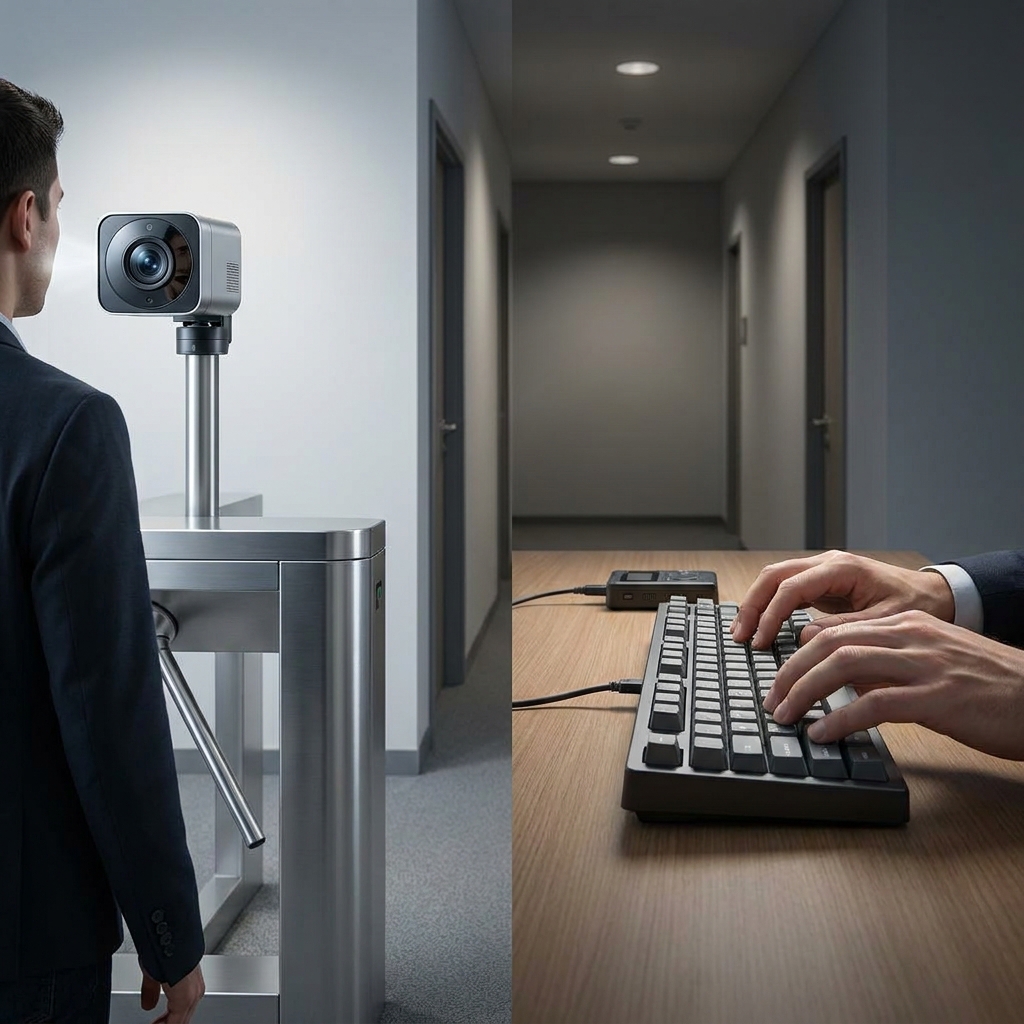
The lesson uses specific comparisons to ground these abstract ideas. It contrasts facial recognition systems at public gates with keystroke logging software. While both systems utilize automated collection to harvest information, the difference in what they monitor, physical presence versus private thoughts, is where the real learning happens. It is a simple distinction, but one that forces students to stop and consider the stakes of their digital lives.
Connecting the vocabulary to actual life
To help students talk about these issues, the lesson introduces three key terms that they should use in their reflections: Automated collection, which is the act of software gathering user info without a nudge; Algorithmic profiling, or using data to guess future behaviors; and Explicit consent, the clear agreement to share personal details. When you teach this, try to push back if a student says these tools are just for convenience. Challenge them to look at the predictive modeling side of things.

The lesson explains how banks use high school computer science data privacy concepts to determine creditworthiness. Since these models forecast future habits, students might find themselves judged by an algorithm instead of their actual current actions. Understanding this dynamic matters because it helps students realize that data collection is not a neutral act. It carries significant consequences for their insurance, their credit, and their future opportunities.
Where the concept breaks down for students
Where students often slip is the concept of why collection becomes a liability. They tend to focus on the individual data point, like a single keystroke, rather than the massive datasets that become targets for hackers. I spend time emphasizing that even if they feel they have nothing to hide, the sheer volume of information being aggregated by companies makes them part of a larger, vulnerable network.
The lesson’s why-it-matters section makes a point to mention how predictive modeling functions, noting that when a company collects vast amounts of this data, it becomes a target for hackers. If you are preparing for a unit on cyber-security or data storage, this is the foundation they need. If they miss the nuance of how automated systems build these dossiers on them, the later modules on social responsibility will not click. Use this as your starting point for those deeper conversations about who actually owns the information we produce every time we click, type, or enter a room.
Related lessons
Evaluating the Impact of Computing, Assessing how various computing technologies influence modern societal structures

Global Access and Computing Equity, Analyzing disparities in technology access and digital resource distribution

Data Privacy and Social Responsibility, Discussing ethical obligations regarding user data and corporate accountability