

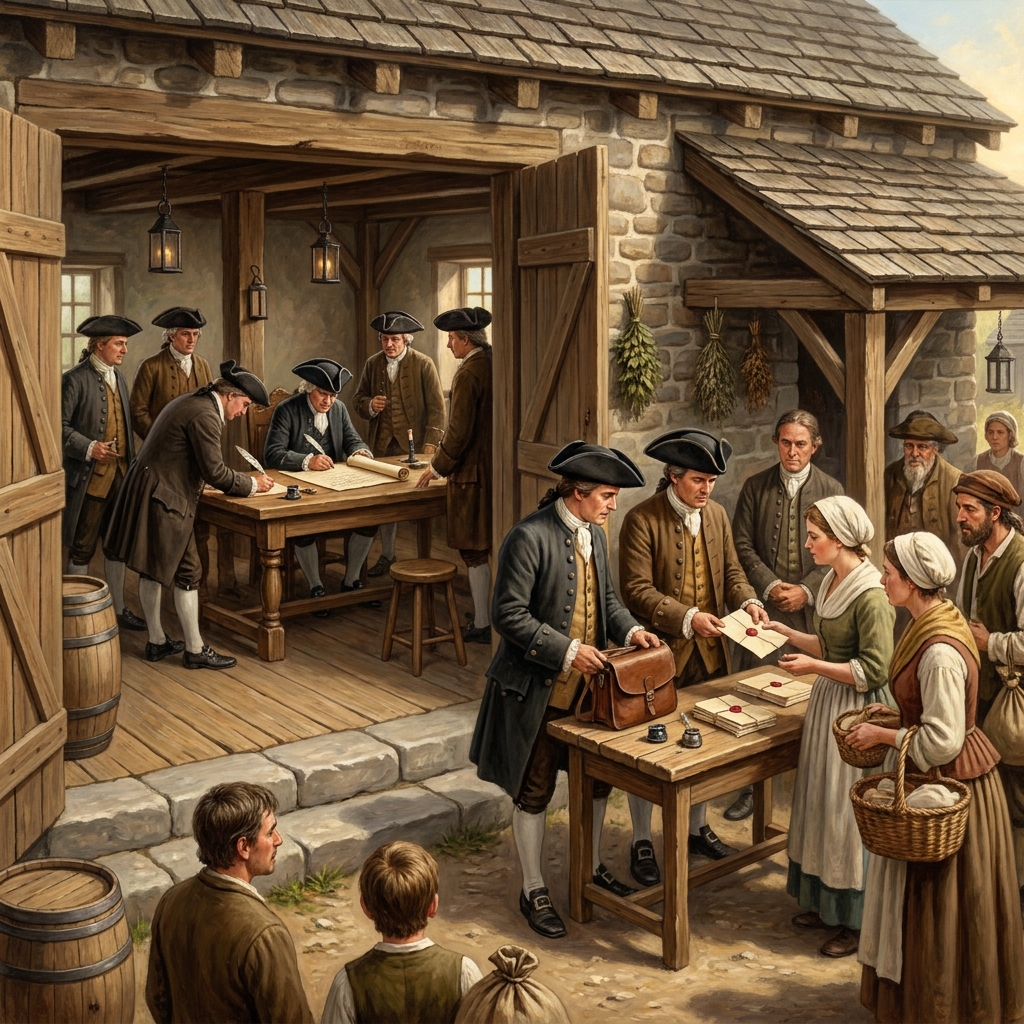
This high school social studies lesson does not expect your twelfth graders to memorize the entire text of the Constitution or every minor clause. Instead, it pushes students to analyze how the government operates on a day to day basis. When you teach Principles of American Democracy, finding materials that connect theory to reality often feels like a chore.
This lesson keeps the focus tight on the core concept of the separation of powers. It is meant to be finished in about 45 minutes, which makes it a solid option for a whole-class assignment or when you need a clear, independent study activity. The content aligns with CA.HSS-PoAD.12.4, which is the California-adopted standard asking students to analyze the unique roles and responsibilities of the three branches of government as established by the U.S. Constitution. Educators in San Diego Unified, San Juan Unified, San Mateo Union High School District, and Walnut Valley Unified use this same standard for their students.
What the lesson actually asks students to do
The material begins with an accessible analogy. It describes a Homeowners Association board that governs a neighborhood. Three members divide their work so that one person writes the neighborhood rules, one person manages the park maintenance, and one person settles disputes between neighbors. This comparison helps students visualize why the division of responsibilities prevents any single group from having too much control.

Once they grasp that concept, they work through a specific scenario involving the Social Security Act. They analyze how Congress passes the law and how the executive branch then takes over to deliver the checks to citizens. By looking at this division, students see the difference between creating a program and managing it. The vocabulary terms provided in the lesson are specific: the Legislative branch handles writing, debating, and passing laws. The Executive branch carries out and enforces the laws made by the legislative branch. The Judicial branch interprets laws and decides whether they follow the Constitution.
After the worked example, the students move into guided practice. They evaluate a current legislative proposal for federal healthcare reform. They have to identify who writes the legislation and how the President acts to implement it. This exercise connects abstract government powers to real world legislative processes. The lesson concludes by emphasizing that the separation of powers is necessary for maintaining a stable democracy. Without these distinct branches and their unique responsibilities, there would be no way to ensure our leaders respect the laws and protect the rights of the people. This balance guards our freedoms.
Where students slip
I have found that students often confuse the specific powers of each branch. They might assume the executive branch writes laws, or they might think the judicial branch has the power to manage park maintenance like the board in the opener. When you monitor them, listen for students who equate enforcement with creation. They often struggle to see the boundary between these two functions.
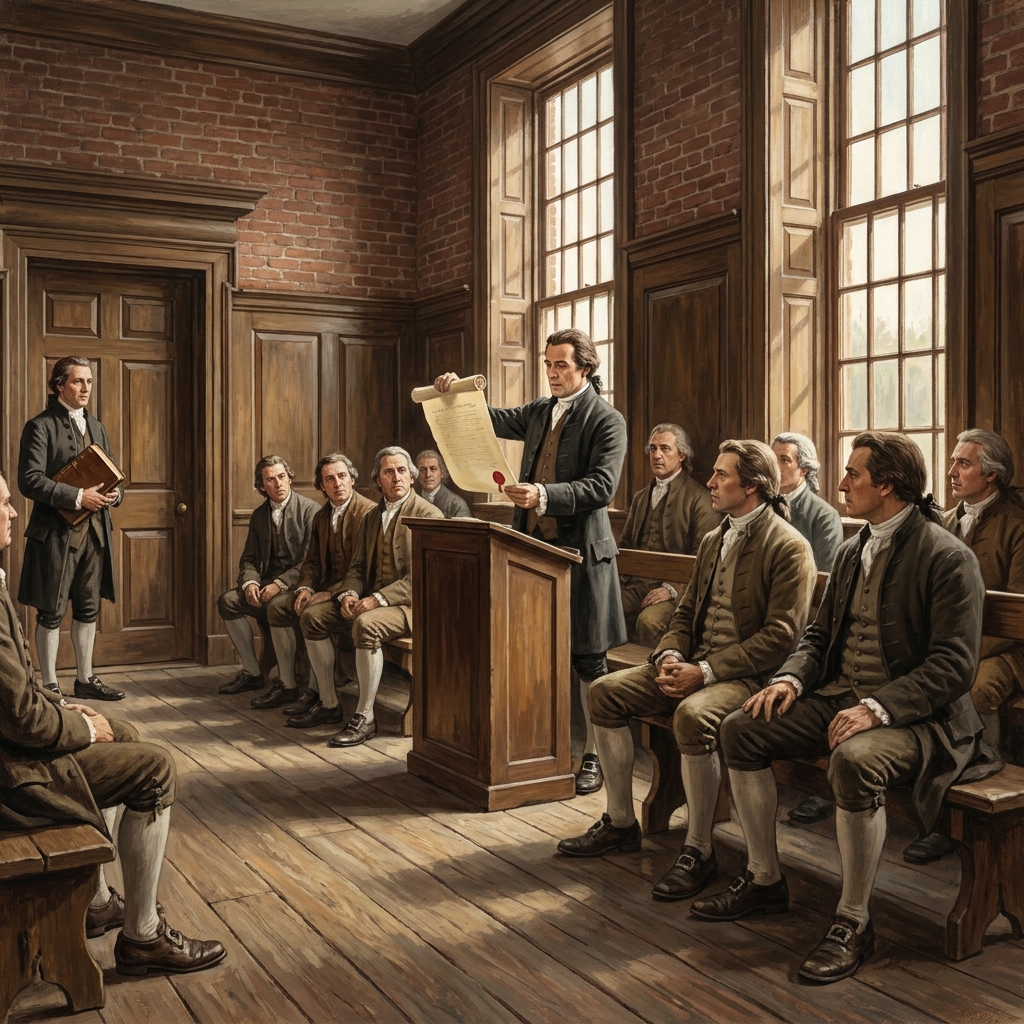
If you notice that confusion, pull them back to the provided examples. The Social Security Act example is quite effective for stopping that misunderstanding. Ask them to name the specific action taken by Congress and the specific action taken by the executive branch. If they can articulate the distinction in a simple case like Social Security, they will have an easier time with the complex healthcare reform exercise.
One thing I appreciate is how the material frames the separation of powers as a protective mechanism. It keeps the student from thinking about the three branches as a checklist of offices. Instead, it invites them to consider the system as a dynamic safeguard. When students recognize that the structure exists to protect their own freedoms, they show more interest in how the legislation moves from a proposal to a real action.
This lesson works well for attendance recovery because it is self-contained. It also works as a backup for a substitute day because the instructions are clear enough for students to move through the material without needing extra help. If you have a student who missed the week of lectures on the Constitution, assign this to get them back on track with the rest of the class. Make sure to direct them to the The Three Branches: Constitutional Powers in Action page to begin.
Related lessons

Direct Democracy in Action: Referendums and Recalls, Covers processes for citizen involvement in state legislative decision making
The Evolution of American Political Parties, Traces the historical development of major political party systems
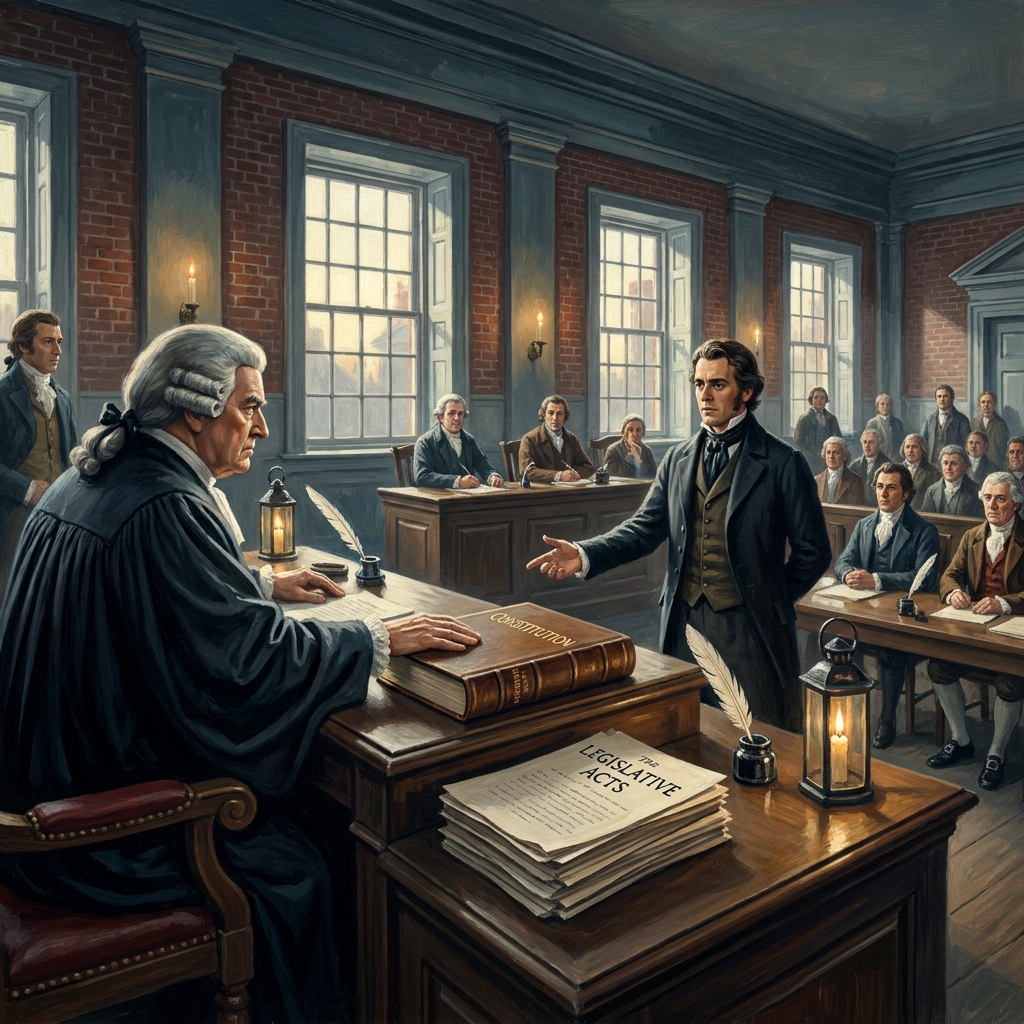
Interpreting the Constitution: Judicial Power and Federal Supremacy, Examines judicial review and how courts interpret the federal constitution