

When a student misses a week of class or needs a quick, meaningful way to catch up on the 8th grade social studies curriculum, finding the right material can be a challenge. Teachers often ask me for options that stay true to the California standards without requiring a massive amount of preparation time. Democratic Ideals in the Early American Republic is a solid choice for those moments. It fits well as a whole-class assignment, an independent study module, or a structured day for a substitute teacher who needs to keep the momentum going in your classroom.
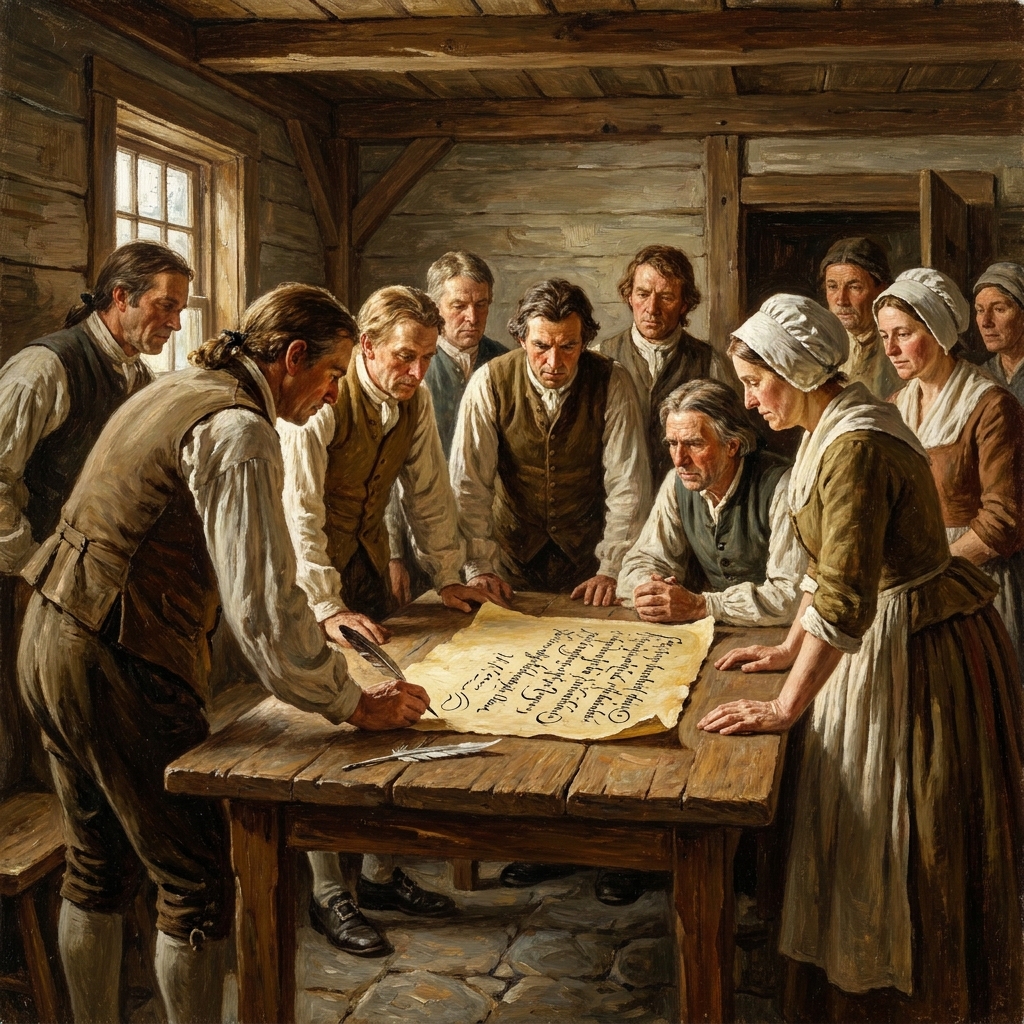
This lesson is focused on the core beliefs that gave shape to the early United States. Students start by exploring the concept of a town meeting, which provides a clear, relatable scenario for how early citizens gathered to debate local rules and practice self-government. From there, the lesson moves into an analysis of the Declaration of Independence. It frames this primary source as a document that defined fundamental rights like life, liberty, and the pursuit of happiness. These rights were intended to apply to everyone, which created a tension when the nation considered who should actually hold the power to vote.
What the lesson actually asks students to do
The lesson asks students to identify the beliefs that shaped early American governing structures. Students engage with three specific vocabulary terms that define the scope of the conversation: democratic ideals, liberty, and equality. The lesson defines democratic ideals as the fundamental beliefs and values that guide how a society governs itself and treats its citizens. It defines liberty as the state of being free within society from oppressive restrictions imposed by authority on one’s way of life, behavior, or political views. Finally, equality is defined as the state of being equal, especially in status, rights, and opportunities for all members of a community.

After the students grasp these terms, they work through a specific scenario regarding voting rights. They examine the historical debate about whether voting should be limited only to men who owned land. This part of the lesson challenges the student to weigh the ideal of equality against the realities of the time. The work does not stop at the history books either. The lesson connects these ideas to the present by asking students to think about their own experiences with school elections, local town meetings, or advocating for a cause in their own community. It shows them that the same processes the founders used are still in use today.
Understanding the state standard
This eighth grade social studies lesson is built to meet the requirements of CA.HSS-8.4. This standard asks students to analyze the aspirations and ideals of the people of the new nation. It is a foundational standard for the eighth grade course in United States History and Geography: Growth and Conflict. Teachers in districts like Lodi Unified, Oakland Unified, El Rancho Unified, and Brentwood Union School District are using this same standard to help students see that history is not just a collection of dates, but a record of people debating what it means to be a free and equal society. The standard expects students to move past simple identification of names and events to look at the arguments and values that fueled the creation of our political system.
The lesson covers the full breadth of this requirement by linking the abstract goals found in founding documents to the concrete reality of local voting debates. It allows a student to trace the path from the idealistic language of the Declaration of Independence to the hard choices early citizens faced as they tried to put those ideals into practice. This creates a bridge between high-level political theory and the practical application of the law, which is what the state framework intends for students to experience by the end of the eighth grade year.
How the lesson builds understanding
I appreciate the way this lesson manages its time. It takes about 45 minutes, which makes it perfect for a single period or an independent study session that does not overwhelm the student. The opening is effective because it brings the student right into the room with early American citizens. By describing the town meeting as a way for members of a community to discuss and vote on local rules, the lesson makes the concept of self-government feel personal and immediate rather than distant and abstract. The text explains that the Declaration of Independence is a primary source that lists the right to life, liberty, and the pursuit of happiness as fundamental.
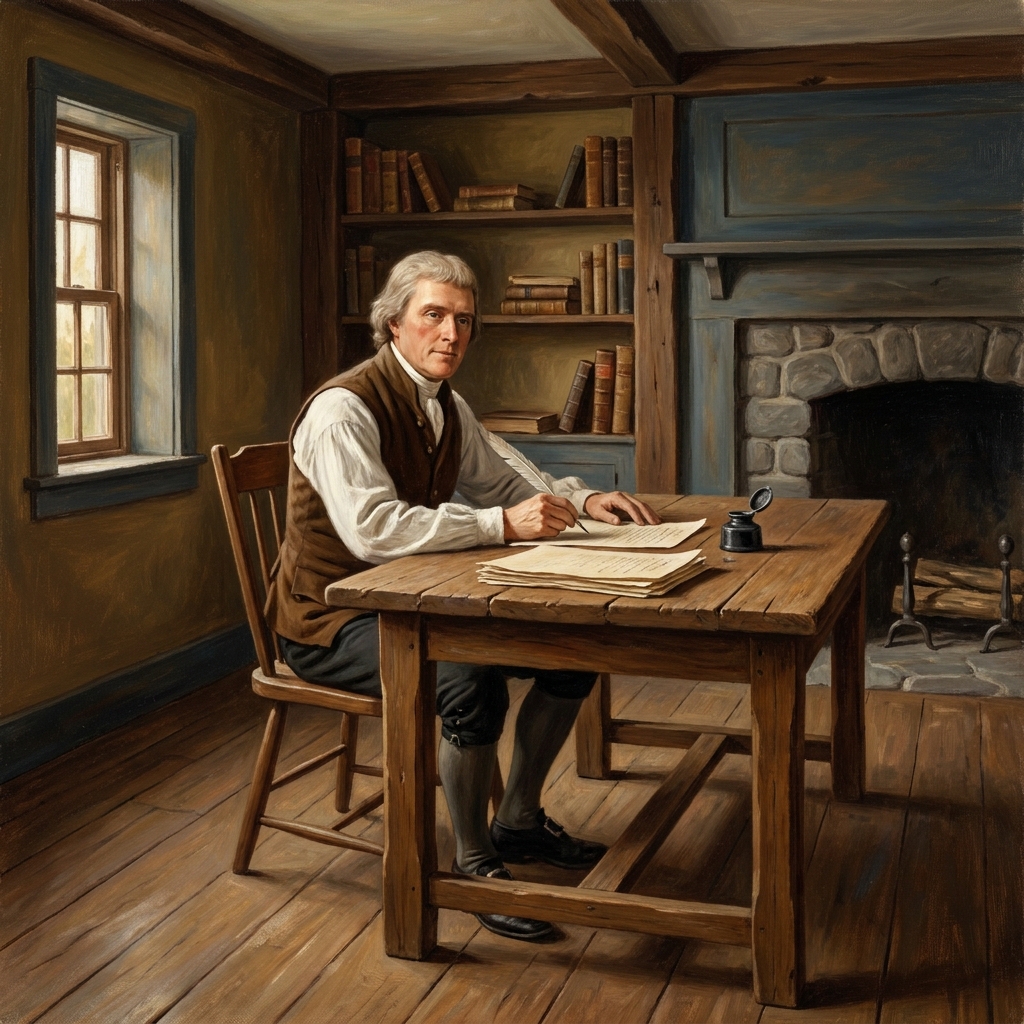
The guided practice is perhaps the most useful part of the experience for a teacher who is trying to push a student to think a bit harder. When the lesson asks the student to consider the restriction of voting to land-owning men, it brings the tension between ideal and reality to the front. This is where you can see if a student truly understands the vocabulary. If they can describe why a property-based voting requirement contradicts the idea of equality, they are showing mastery of the concept. The lesson asks them to do exactly that, pushing them to connect the definitions of liberty and equality to a concrete policy question that actually existed in the early republic.
Practical use in your classroom
You can use this lesson as a standard whole-class assignment, but it is equally strong for students who are catching up on missed work. Because the lesson provides clear definitions and builds from the basic concept of a meeting to the complex debate over voting, a student can make sense of the material without needing you to explain every step. It is also an excellent tool for a substitute day. You can be confident that the student is spending 45 minutes on content that actually moves the needle on the CA.HSS-8.4 standard.
The one limitation to keep in mind is that the lesson focuses heavily on the contradiction of voting rights. While this is perfect for meeting the standard, you might want to have a quick follow-up conversation with your students to ensure they understand that these debates were not settled overnight. The lesson does a good job of setting up the conflict, but it is just the beginning of the story for them. Use this as your starting point for a broader class discussion on how these democratic ideals continued to evolve in the following decades of American history. It is a precise, manageable resource that respects both your time and the intelligence of your students.
Related lessons
Titans of Industry: Entrepreneurs in the Gilded Age, Covers the growth of business leaders during the Gilded Age
Analyzing the American Civil War, Discusses the primary causes and outcomes of the American Civil War
The Philosophy of the Declaration of Independence, Examines the intellectual roots behind the Declaration of Independence