


A colleague once asked me how to help students move past using the same five adjectives in every single writing assignment. It is a common hurdle in the second grade classroom. We want students to stop settling for big or small when they could reach for words that carry more weight and description. This is where Choosing the Best Words comes into play. It is a direct, forty-five-minute English Language Arts lesson that asks students to examine how different words for the same thing can change the entire feeling of a sentence.
The lesson begins by establishing why word choice changes how we interpret the world. It explains that when we talk about how things feel or act, we must be careful with our vocabulary. The material uses a simple example: a juicy orange has plenty of sweet liquid, while a dry cracker lacks that same quality. This acts as the entry point for the concept of precise language. By learning that being precise means being clear and exact, students start to see that words are not interchangeable. The lesson introduces the idea that shades of meaning represent the subtle differences in feeling between words that are similar in definition.
What the lesson actually asks students to do
The core of this second grade shared research writing lesson is showing students how to pick the best word for a specific situation. It works through clear examples to demonstrate the difference between words. For instance, when describing someone who is thin, the lesson asks students to compare thin, slender, skinny, and scrawny. It points out that slender sounds neutral or pleasant, perhaps like a tall tree, while scrawny suggests someone is too thin. This distinction is vital. The lesson then moves to guided practice where the students apply this logic to a passage about rain. They learn to evaluate how rain falls based on the intensity of the verbs used.

This material provides a clear window into how students construct meaning. I find that when students practice these distinctions, they stop seeing words as static labels and start seeing them as tools they can manipulate to show exactly what they mean. For a student who missed the week or someone working through independent study, this lesson provides a structured way to catch up on vocabulary skills without feeling overwhelmed by long reading lists.
Aligning with state standards
This lesson is built around the California-adopted standard CA.ELA.L.2.5. This standard requires that students demonstrate an understanding of how words relate to each other and how small differences in meaning change communication. It is a fundamental piece of the Language domain within the California Common Core standards. This same standard is used to guide instruction in districts such as Long Beach Unified, Riverside Unified, Roseville City Elementary School District, and Loomis Union Elementary School District.
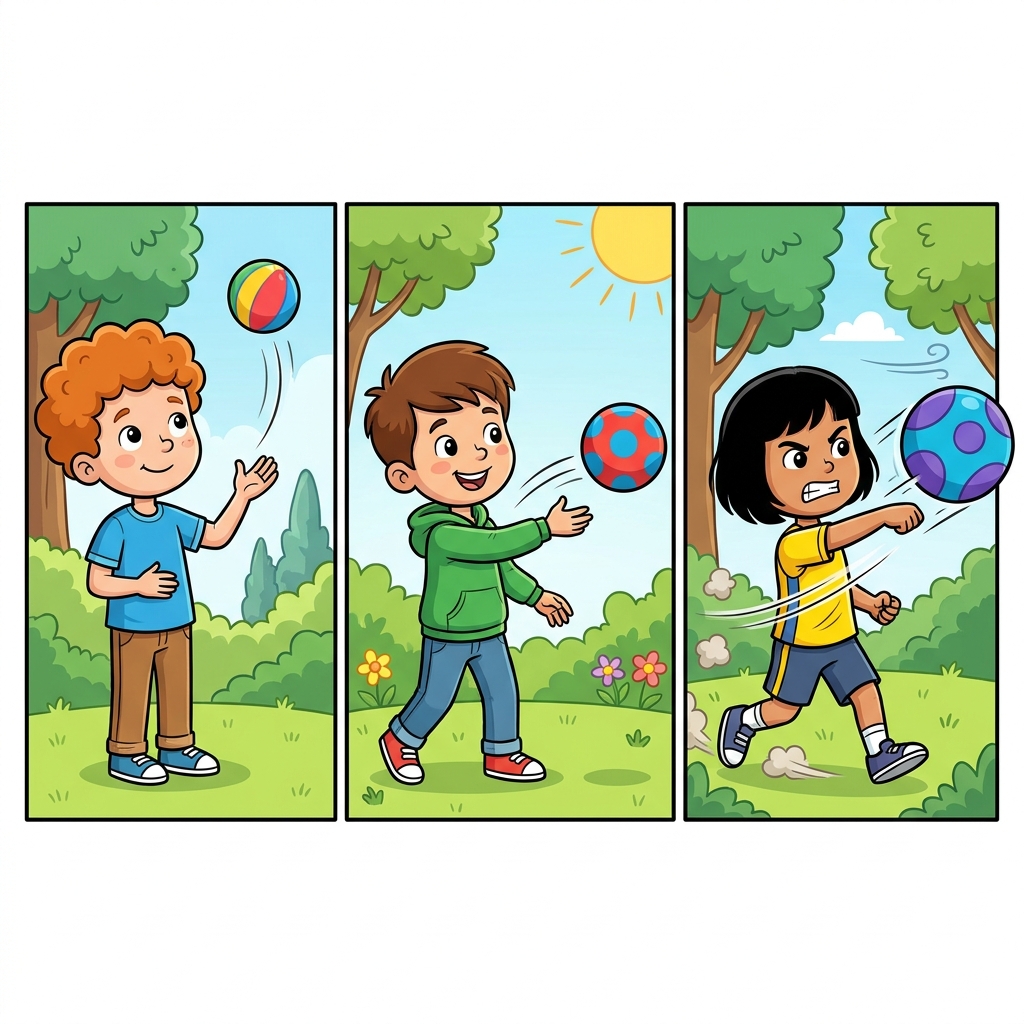
The standard has two primary parts that the lesson addresses sequentially. The first part, labeled 5a, asks students to identify real-life connections between words and how they function in their environment. For example, they practice describing foods that are spicy or juicy. The second part, labeled 5b, focuses on distinguishing shades of meaning among groups of closely related verbs or adjectives. By asking students to choose between toss, throw, and hurl, the lesson helps them differentiate the force or intent behind an action. When students move beyond basic synonyms, they gain control over their own writing and become more critical readers.
Where students slip
One caveat I have noticed is that students sometimes struggle to maintain the nuance when they transition from isolated practice to their own creative writing. They might identify that scrawny is a more specific word than thin during the lesson, but then revert to using thin in their own drafts. It takes time for that vocabulary to stick. This is why the lesson works well as an intervention tool or as a quick refresher for a student who needs to revisit the material. If a student is sitting in a library or a lab for attendance recovery, the structured examples in the guided practice portion give them something tangible to complete. It is not just about memorizing definitions. It is about understanding that the author of a news report or a story makes choices for a reason. When your students understand that, they stop just reading the words and start reading the intent behind the words. Providing them with these exercises gives them the practice they need to make those choices for themselves.
Related lessons

Choosing Your Words: Formal and Informal English, Teaches the difference between formal and informal language choices
Finding Meaning in Words, Covers strategies for determining the meaning of unknown words
Building Better Sentences, Focuses on constructing clear and descriptive sentences for students