

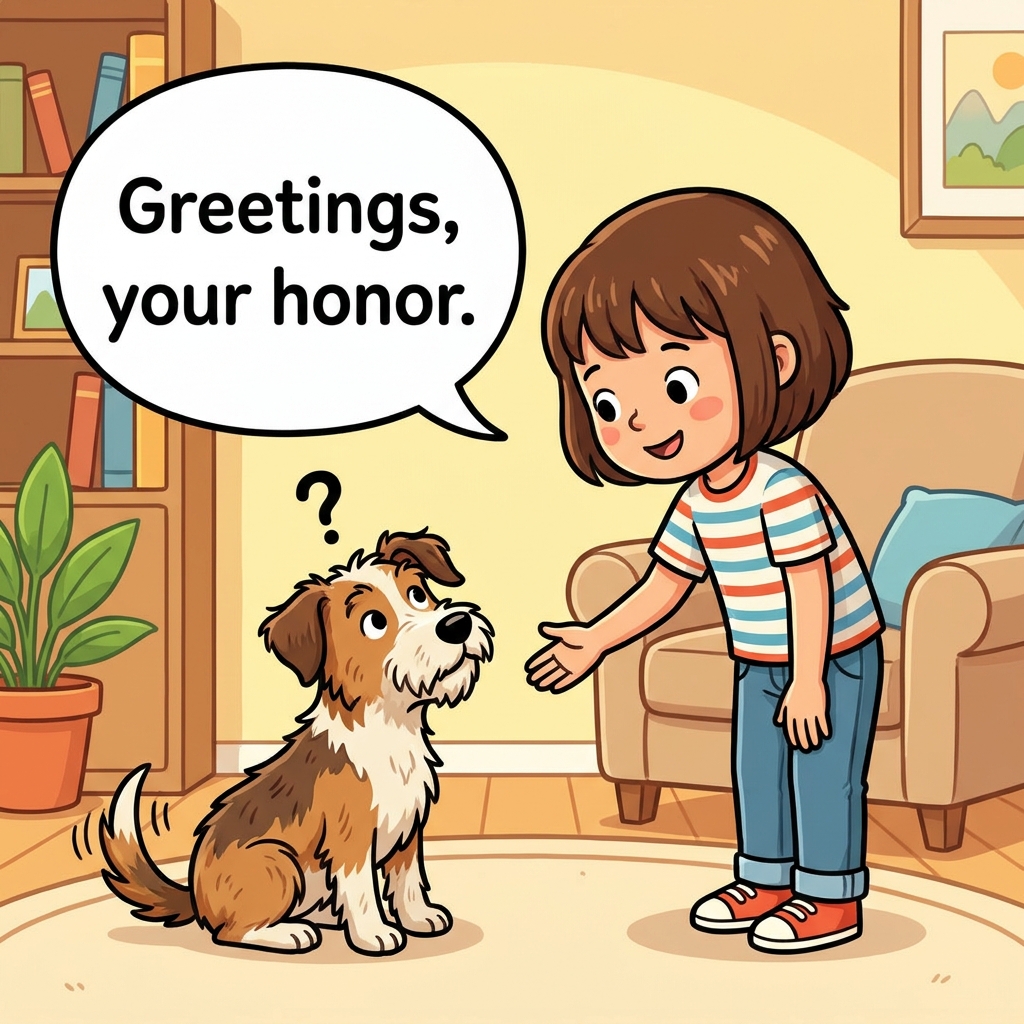
This lesson does not try to teach second graders that informal English is wrong. It does not hand them a list of banned words, and it does not ask them to talk like a news anchor all day. What it does is narrower and, I think, more useful: it asks students to notice that the way they talk to a friend at recess is different from the way they talk to the principal in the hallway, and then to pick words that fit the person and the place.
Choosing Your Words: Formal and Informal English is a second grade English language arts lesson from the Language strand, and it runs about 45 minutes. I’d plan it as one full class period rather than trying to squeeze it into a morning meeting. Here is how I’d think about it if I were handing my plans to the teacher next door.
What the lesson asks of students
The objective is plain: pick the right words for different places and people by comparing formal and informal English. The lesson opens on something every seven-year-old can picture. A student is standing in the school hallway, ready to talk to the principal. Before any vocabulary shows up, students are asked to sit with that moment and think about how their voice and word choice might change.
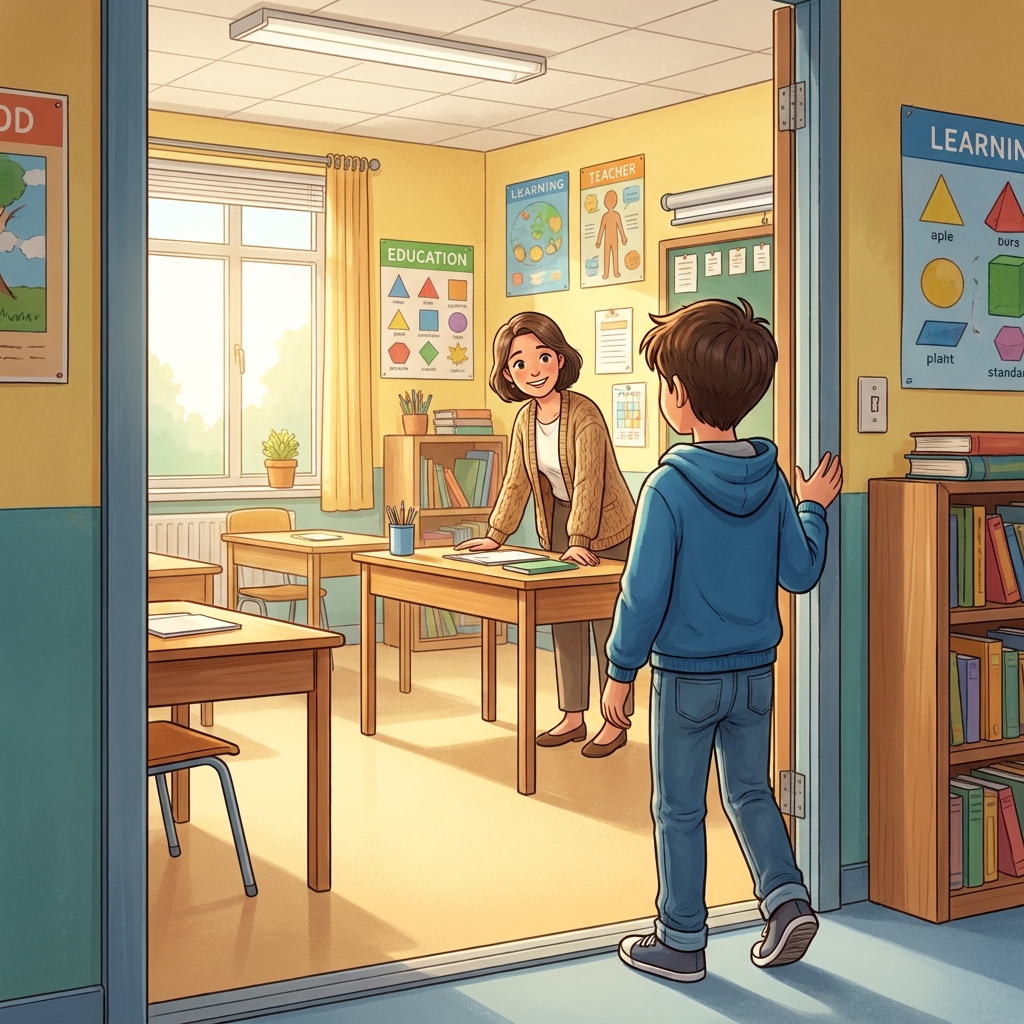
Then come the two terms the whole lesson hangs on:
- Formal English: the careful, polite language used in serious settings like a classroom or a meeting.
- Informal English: the relaxed, casual language used with friends, family, and in everyday play.
I like that both definitions are tied to settings and people rather than to a rulebook. Second graders can sort situations long before they can explain grammar, and the lesson builds on that.
The worked example is a job interview, where the speaker says, “I am very interested in this position.” The lesson labels it formal because it is clear, polite, and professional. Then students move into guided practice, where they imagine being at a doctor’s office and needing to tell the doctor that their arm hurts.
The standard behind all of this is CA.ELA.L.2.3, part of the California Common Core State Standards for English language arts, in the Knowledge of Language cluster. The main body of the standard asks students to use what they know about language and its conventions when they write, speak, read, or listen. Part a gets specific: compare formal and informal uses of English. That word “compare” matters. The standard is not asking students to replace one register with the other. It wants them to hold both in mind and see the difference. The standard reads the same whether you teach in Capistrano Unified, Oakland Unified, Simi Valley Unified, or Orcutt Union Elementary School District, so second graders across California are working toward the same comparison.
Where the 45 minutes go
If I were planning this, I’d spend the first several minutes on the hallway opener and not rush it. Let students act it out. One child plays the principal, another walks up and says hello. Then have the same child walk up to a classmate and say hello. The difference in tone usually shows up on its own, and once students hear it, the vocabulary has something to attach to.
The vocabulary itself is quick. Two terms, two definitions. Post them where everyone can see them for the rest of the period.
The worked example is where I’d slow down again, for a practical reason. A job interview is a long way from a second grader’s life. Most of them have never seen one. The sentence is a good model of formal speech, but I’d bridge it with something closer to the class, like how they would ask the librarian for help finding a book, before moving on. The example still does its job; it just lands better with a familiar setting next to it.
That leaves the bulk of the time, maybe twenty minutes, for guided practice. That’s where the real learning in this second grade formal and informal English lesson happens, and it is the part I would protect if a fire drill eats into the period.
What to watch for during guided practice
The doctor’s office prompt is well chosen. Most students have been to a doctor, and an arm that hurts is a real, specific thing to say. Kids will want to talk about it.

Watch for three things.
First, some students hear “formal” and think it means sad or quiet. They will whisper. Formal is about word choice and politeness, not volume, and it is worth saying that out loud.
Second, some students will treat formal as “add please to everything.” A child might pile on polite words without ever saying clearly where it hurts. The lesson’s own example calls formal language clear as well as polite, so point them back to that. Telling the doctor exactly what is wrong is part of being formal.
Third, a few students will try to make formal sentences long. Longer is not more formal. A short, clear sentence to the doctor is often the best answer in the room.
One honest caveat. The lesson’s why-it-matters section says that when you use formal language, people see that you are smart and respectful. I understand the intent, and the respect part is fair. But I’d be careful with the “smart” framing for seven-year-olds, especially those who speak a different language or dialect with their families. The definition of informal English in this same lesson places it with friends and family, and those are good places to be. I’d add a sentence of my own that both kinds of English are useful and the skill is knowing which one fits. That keeps the lesson true to the standard, which asks students to compare, not to rank.
As for fit beyond the regular sequence, this works well as a whole-class lesson early in the year, when you are setting expectations for how students talk to adults on campus. It is also a clean pick for a student who missed the week, since the material is self-contained and does not depend on earlier lessons. And it is a reasonable substitute day plan: the scenarios are concrete enough that a sub can run the role-play without much background.
If you teach second grade, open the lesson before your next unit on speaking and listening and try the hallway role-play first. You will hear the difference between formal and informal English in your own students’ voices before you ever say the words.
Related lessons

Choosing the Best Words, Picking the most fitting words when speaking or writing
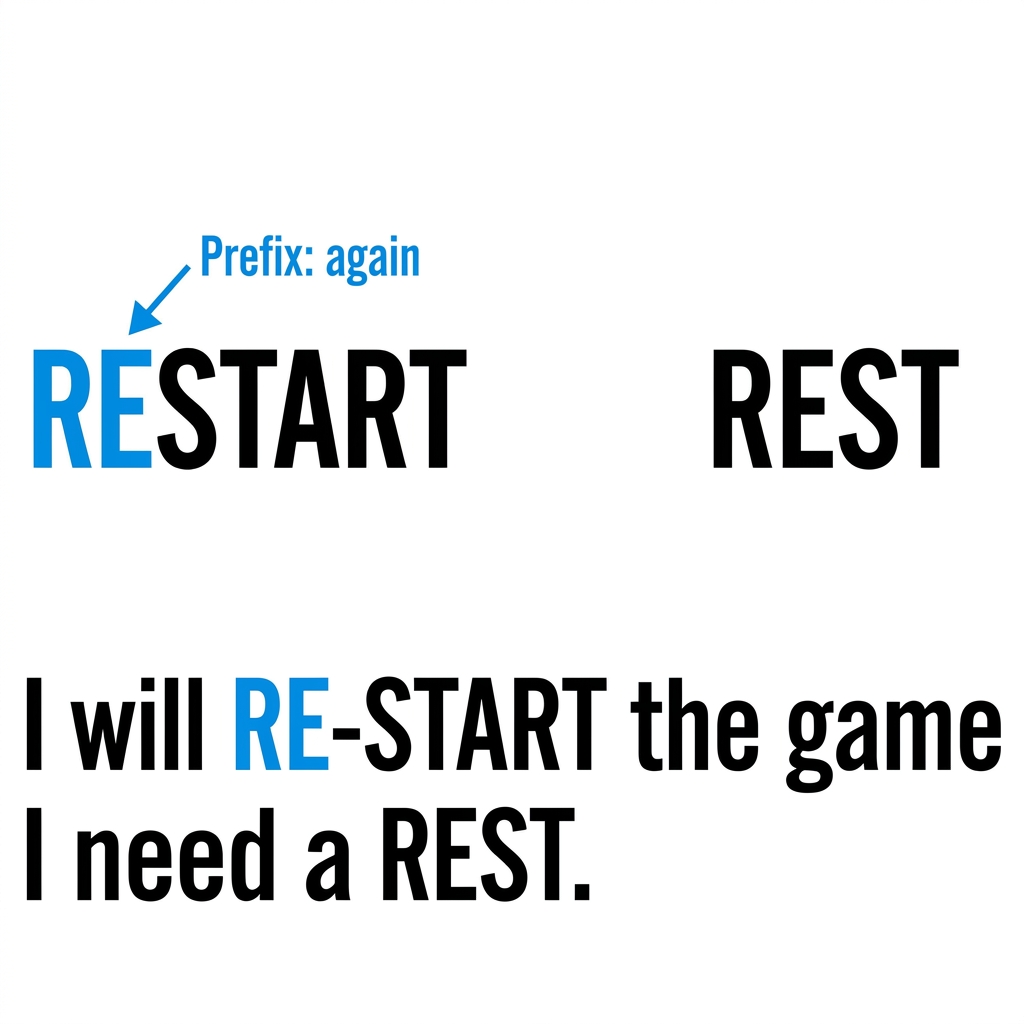
Finding Meaning in Words, Working out what words mean using clues and strategies
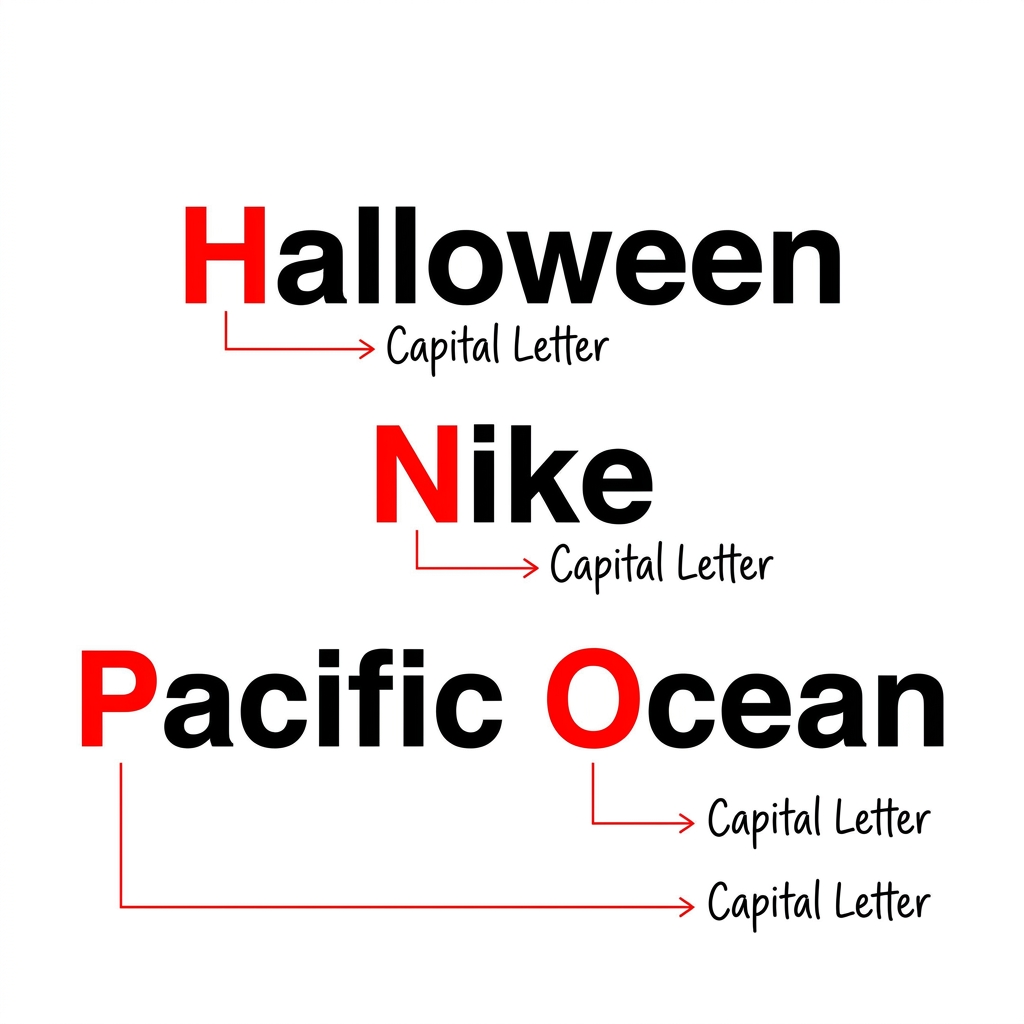
Writing Clearly with Capital Letters and Punctuation, Using capital letters and punctuation to make writing clear