

By the time late spring rolls around in California, the eleventh-grade history calendar is often under intense pressure. Teachers in Sacramento City Unified, Merced Union High School District, Ojai Unified, and Cotati-Rohnert Park Unified are usually trying to balance deep-dive projects with the remaining required units of the curriculum. It is common to feel like you are sprinting toward the finish line just as you reach the post-World War II units, leaving little room for a thorough analysis of the massive economic shifts that defined the era. When you have students who missed a week or need a solid, independent review, The Changing Face of the American Workplace acts as a reliable, self-contained way to keep everyone on track without sacrificing depth.
This high school social studies lesson covers the fundamental change in the American economy during the twentieth century, specifically moving from a foundation of manual labor on farms and in factories to the rise of the service and white-collar sectors. Students explore how this transition altered the makeup of the middle class, providing many families with the steady incomes and stability that characterize our modern financial structure. It works well for a whole-class assignment when you are pressed for time, but it is equally useful for a student who missed the week of direct instruction or as a focused intervention session for those who need more time with the reading. By engaging with this high school service sector economic history lesson, students gain a clearer picture of why our workforce looks the way it does today.
What the lesson asks students to do
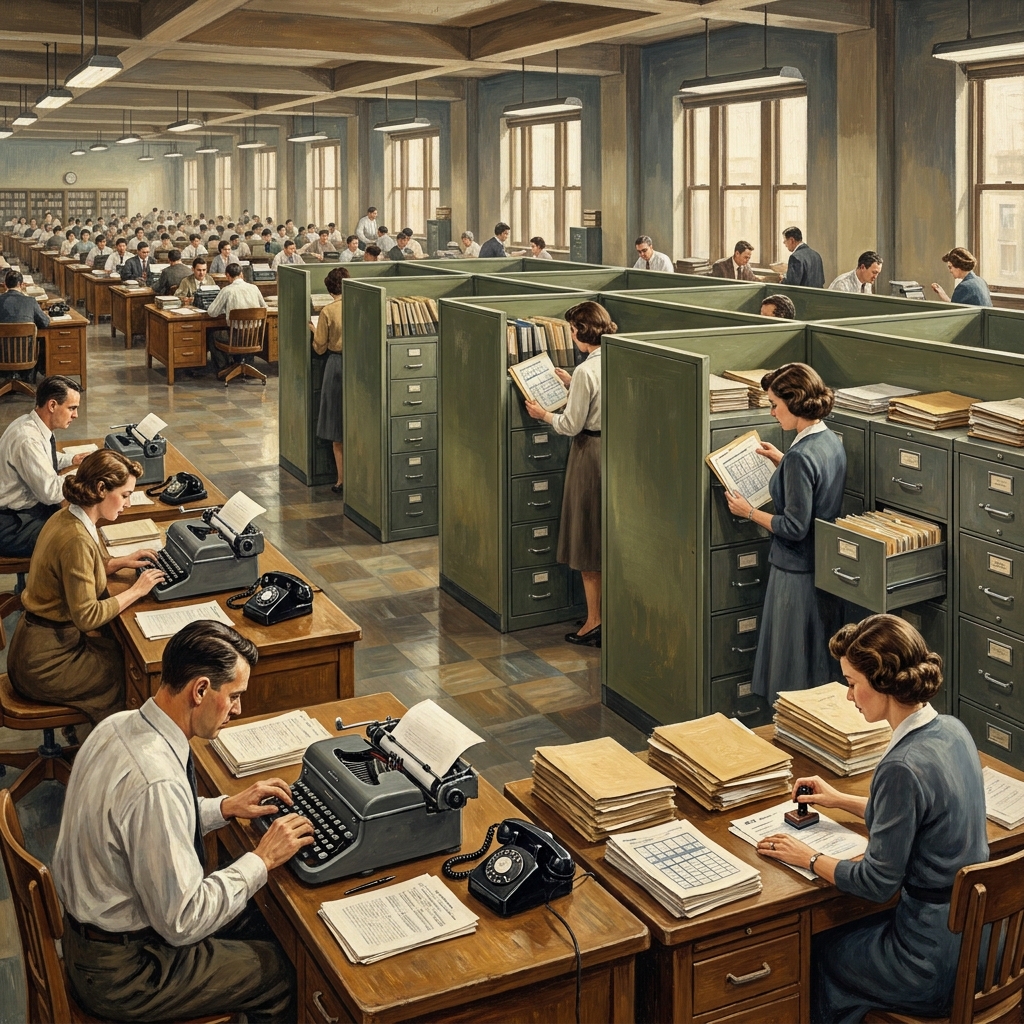
The core objective is for students to understand the mechanics of this shift. The lesson provides a clear trajectory: while early twentieth-century workers primarily relied on physical labor, the later decades emphasized clerical, managerial, and office-based roles. The material introduces specific vocabulary to anchor these concepts. Students review three key terms:
- White-collar, which refers to professional, clerical, or managerial work performed in an office setting.
- Service sector, covering the portion of the economy providing services like retail, healthcare, and education rather than tangible goods.
- Bureaucracy, describing the non-elected officials and administrative workers who operate the daily functions of government and large organizations.
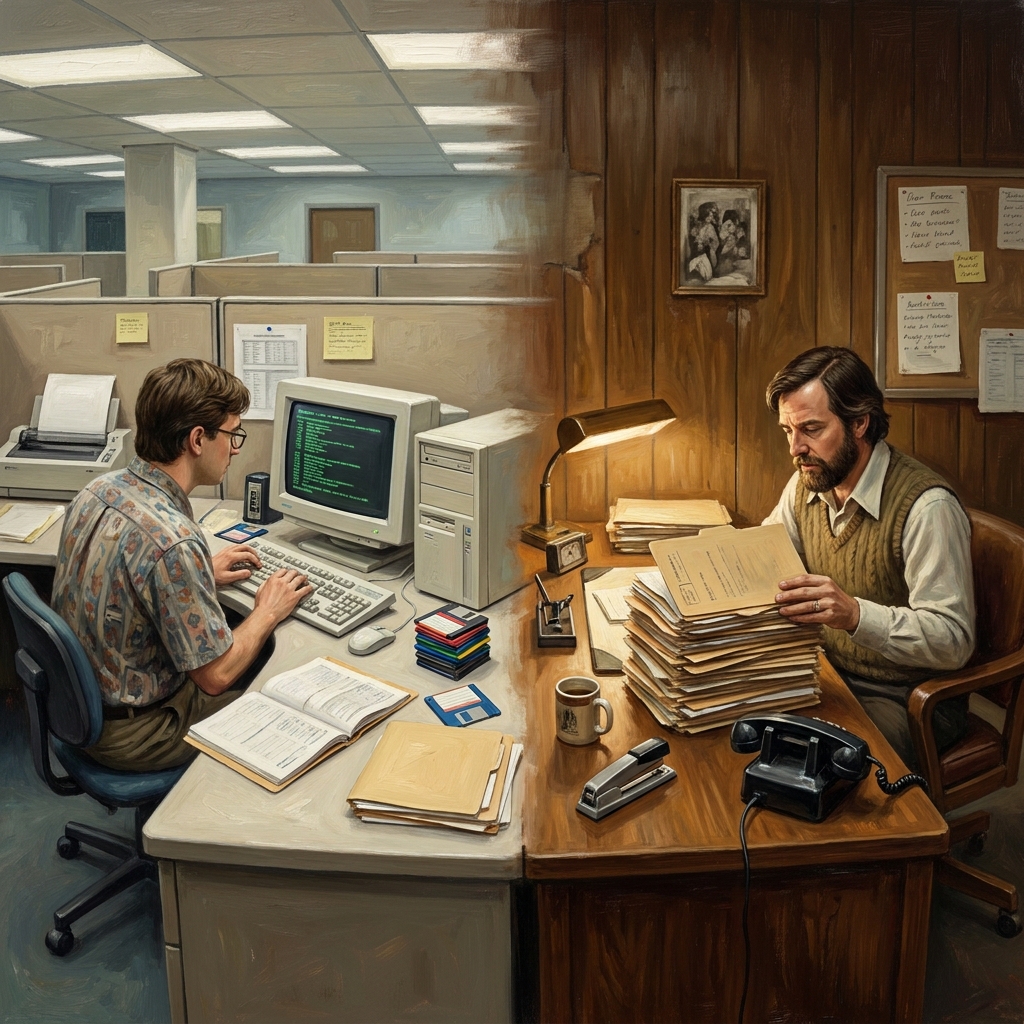
To put these definitions into practice, the lesson uses concrete examples. It contrasts a 1990s database administrator organizing files on a computer with a 1970s social worker managing public assistance case files. Both roles are categorized as part of the professional sector because they rely on specialized knowledge to process information. This approach is effective because it moves away from abstract economic theories and shows students that individual careers were being reshaped by the nature of the information they handled.
Aligning with state standards
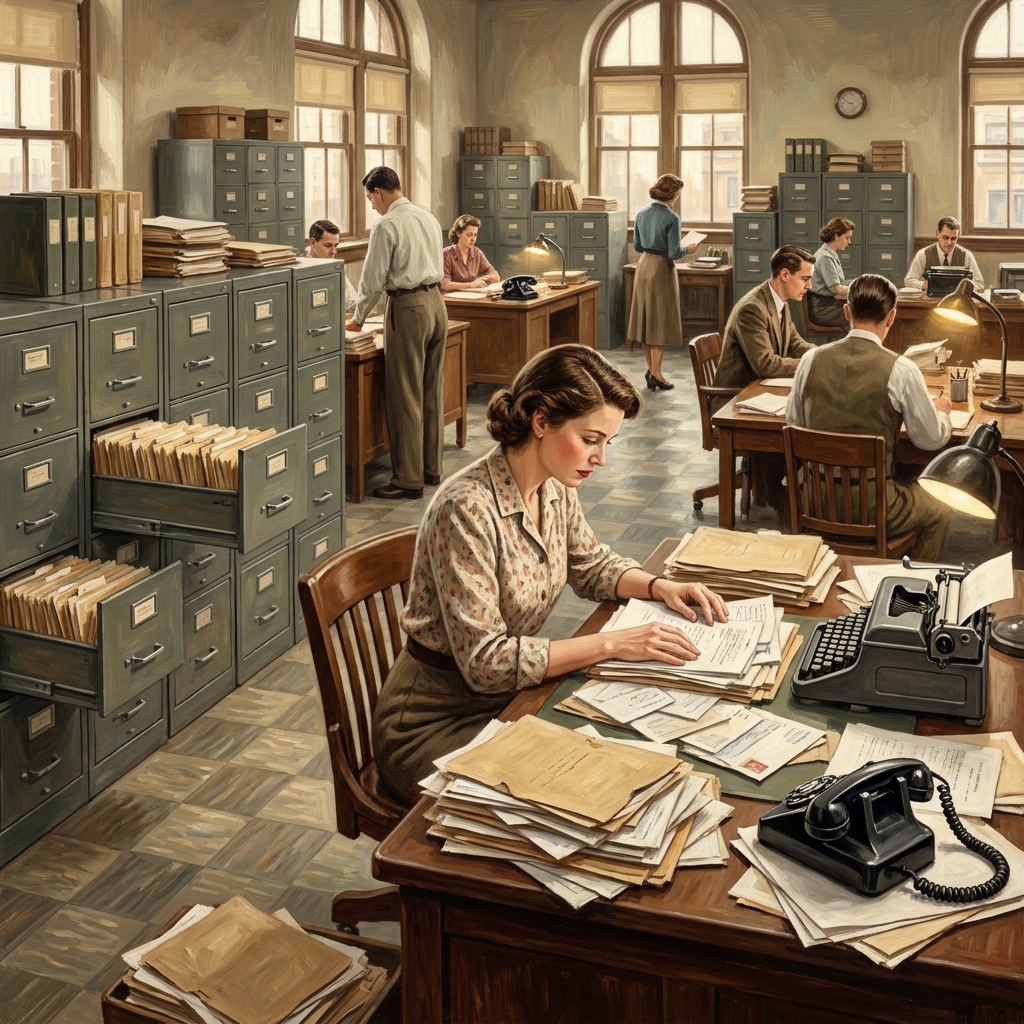
The lesson is designed to meet CA.HSS-11.8.1, which asks students to trace the growth of service sector, white-collar, and professional sector jobs in both business and government. This is the California-adopted standard for this specific unit, and it requires students to identify the trends behind the postwar economic boom. While the standard might sound straightforward, the challenge is getting students to see how the expansion of government policy led directly to the creation of entire career categories. The lesson addresses this by explaining how the mid-1970s Department of Education growth was a direct result of federal laws that required new oversight. When students see that administrative staff were needed to turn legislation into active programs and regulations, they better understand the bureaucratic expansion that is so often a point of confusion.
Where students slip
The most common hurdle I see is that students have a hard time visualizing the expansion of the public sector. They are often comfortable with the idea of private business growth, but the connection between government mandates and job creation can feel distant to them. I usually remind them that when a law is passed, it does not just exist in a book; it requires people to manage, track, and implement those rules every single day. The lesson handles this by defining policy implementation as the process by which these government workers turn legislation into active programs. It is a subtle distinction, but once students grasp that bureaucracy is simply the machinery of the state, the rise of those white-collar government roles makes much more sense. It is worth noting that while some students might find the terminology dry, the real-world connection to their own parents’ or neighbors’ careers often helps bridge the gap.
Because this lesson is structured as a standalone digital activity, it works quite well for independent study or as a fallback for a substitute day. You can be confident that the material remains consistent, focusing on the specific history of the mid-to-late twentieth century without unnecessary fluff. It provides enough detail for a student to work through it alone while leaving you the space to follow up with a class discussion about how these trends have continued into the twenty-first century.
Related lessons
Religion and Liberty in the American Story, Discusses the role of religious freedom in American founding history
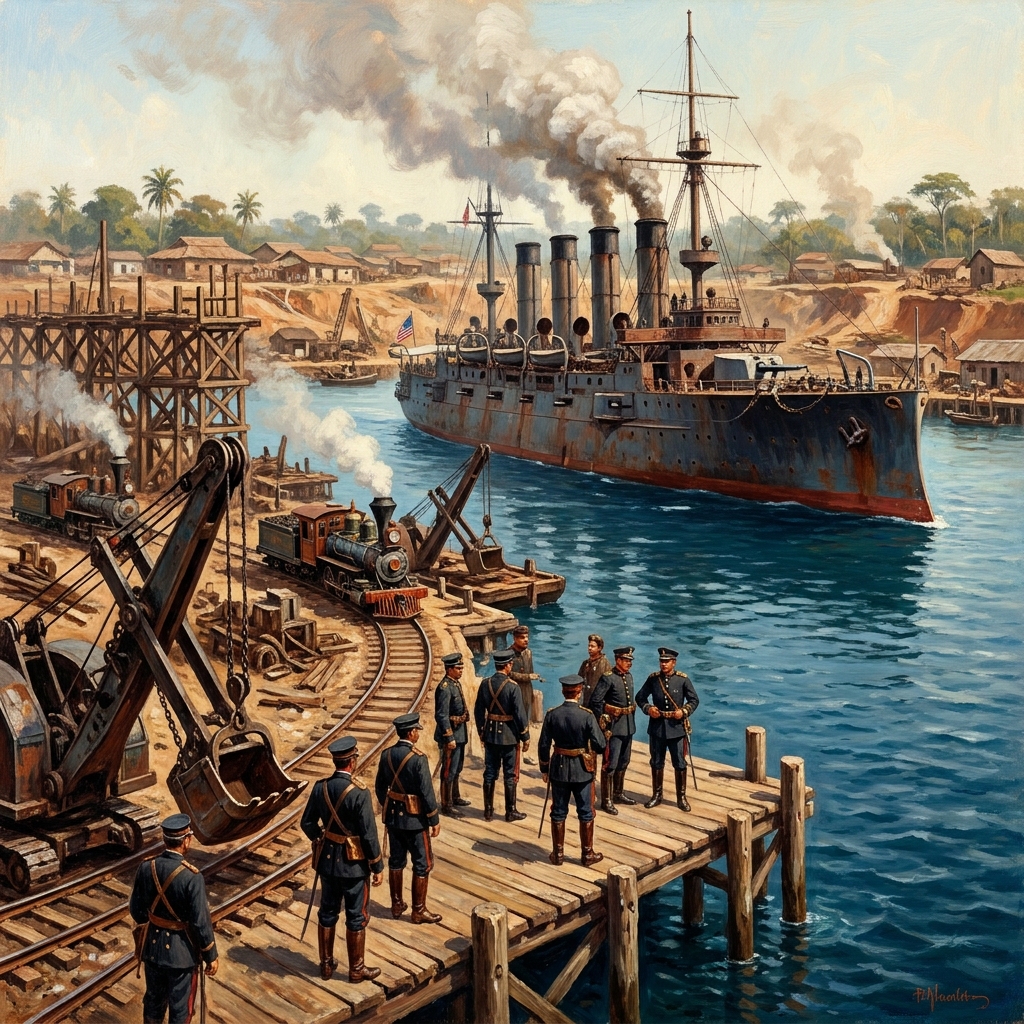
The Panama Canal: Diplomacy and Engineering, Examines the geopolitical and technical challenges of the Panama Canal
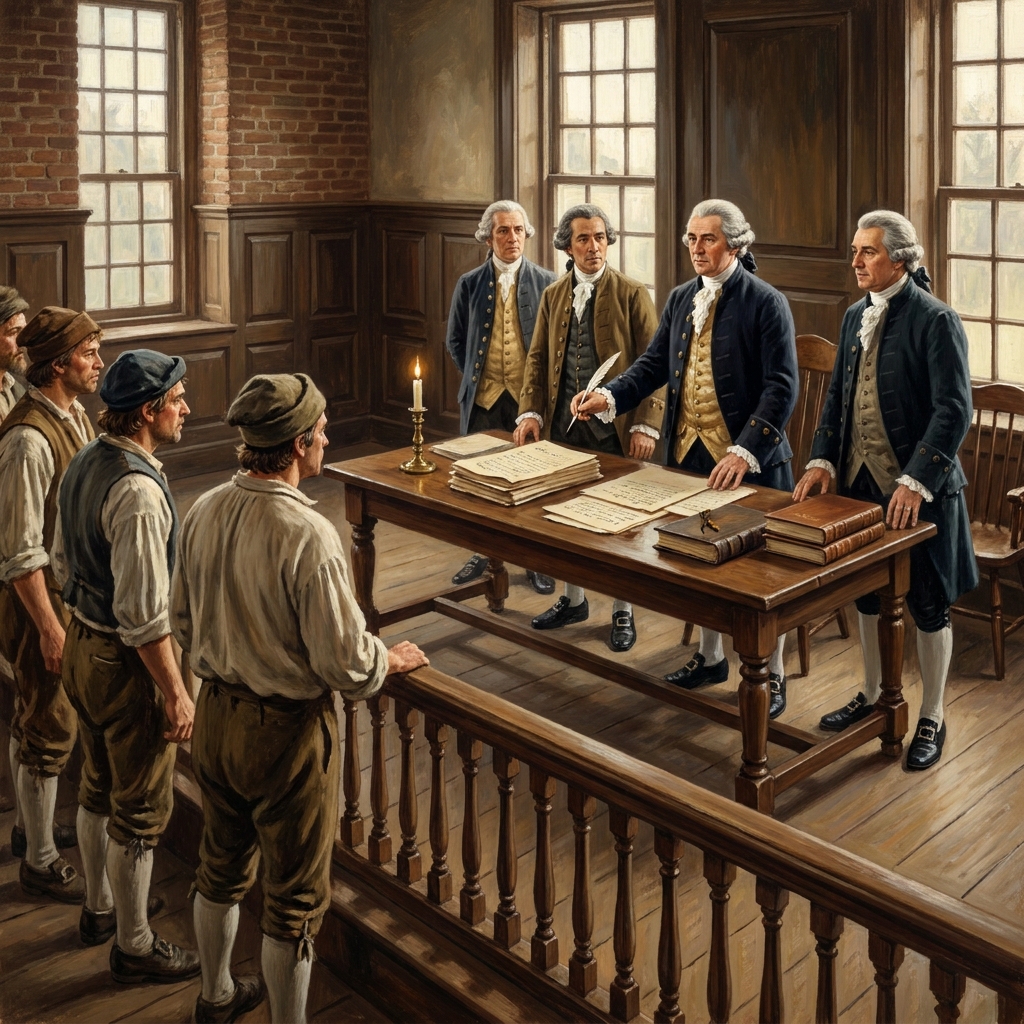
Founding Ideals and Realities, Analyzes the gap between initial national goals and actual outcomes