

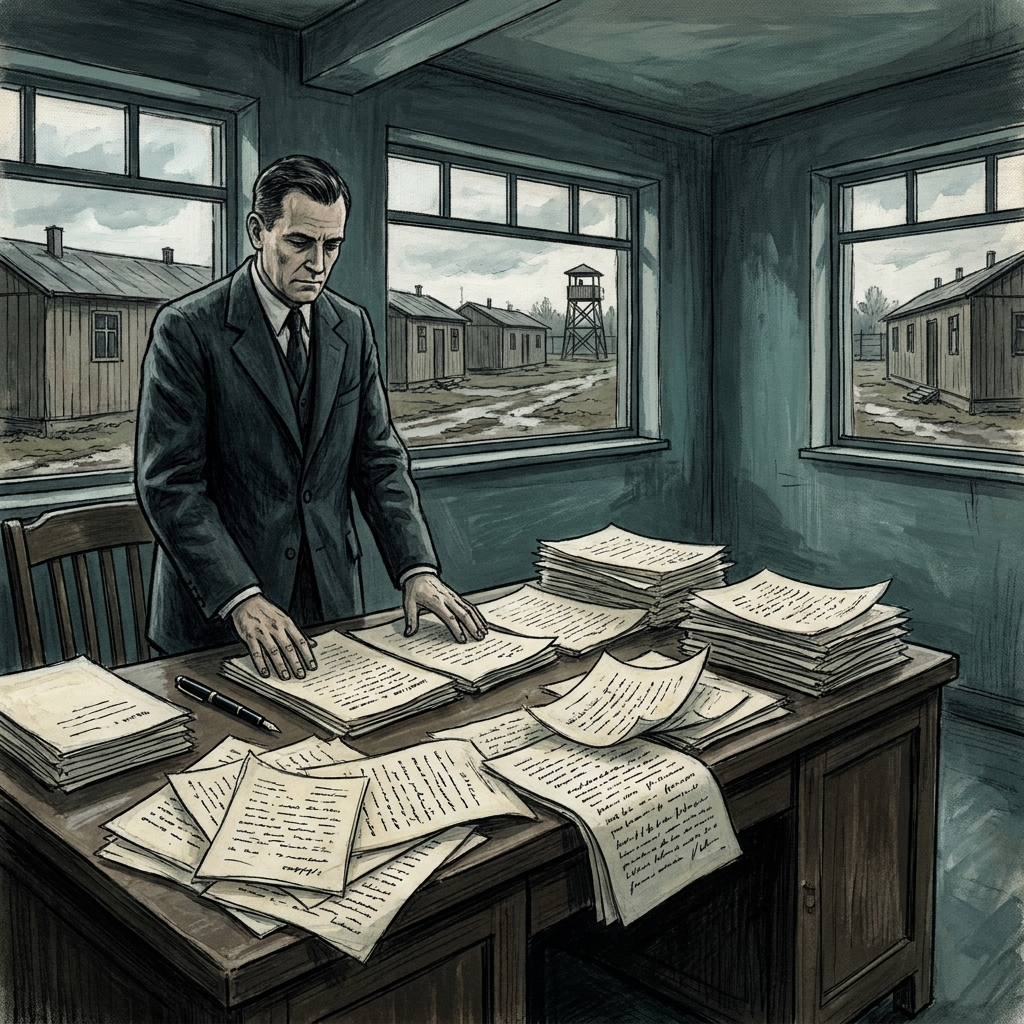
If you teach 10th grade World History, you know how quickly the calendar shifts from the causes of the First World War to the complex reality of human rights violations. By the time you reach this unit, you might be behind schedule, or perhaps you have a student in independent study who needs a self-contained unit that does not rely on a classroom lecture. The lesson Understanding Human Rights Violations and Genocide is built to handle that transition. It works well for a day when you need a high-quality substitute lesson or for a student who missed the week while the rest of the class was in the thick of the curriculum.
Students across the state, from Salinas Union High School District and Riverside Unified to Laytonville Unified and Gateway Unified, face the same challenge: how to grasp the scope of historical violence while understanding the legal frameworks that emerged in response. This high school social studies material covers the fundamental concepts necessary to unpack these difficult topics without getting lost in abstraction.
What the lesson actually asks students to do
The core objective here is to move students beyond memorizing dates and into analyzing the specific, systemic features of genocide. The lesson opens with the 1948 United Nations definition, which frames genocide as the attempt to destroy a group based on nationality, ethnicity, race, or religion. It provides a necessary vocabulary set: Genocide, Human Rights, Othering, and Deportation. Teaching the concept of Othering, that initial stage where a government treats a group as inferior or fundamentally different, is perhaps the most important part of the work because it helps students see the precursor to systemic violence.
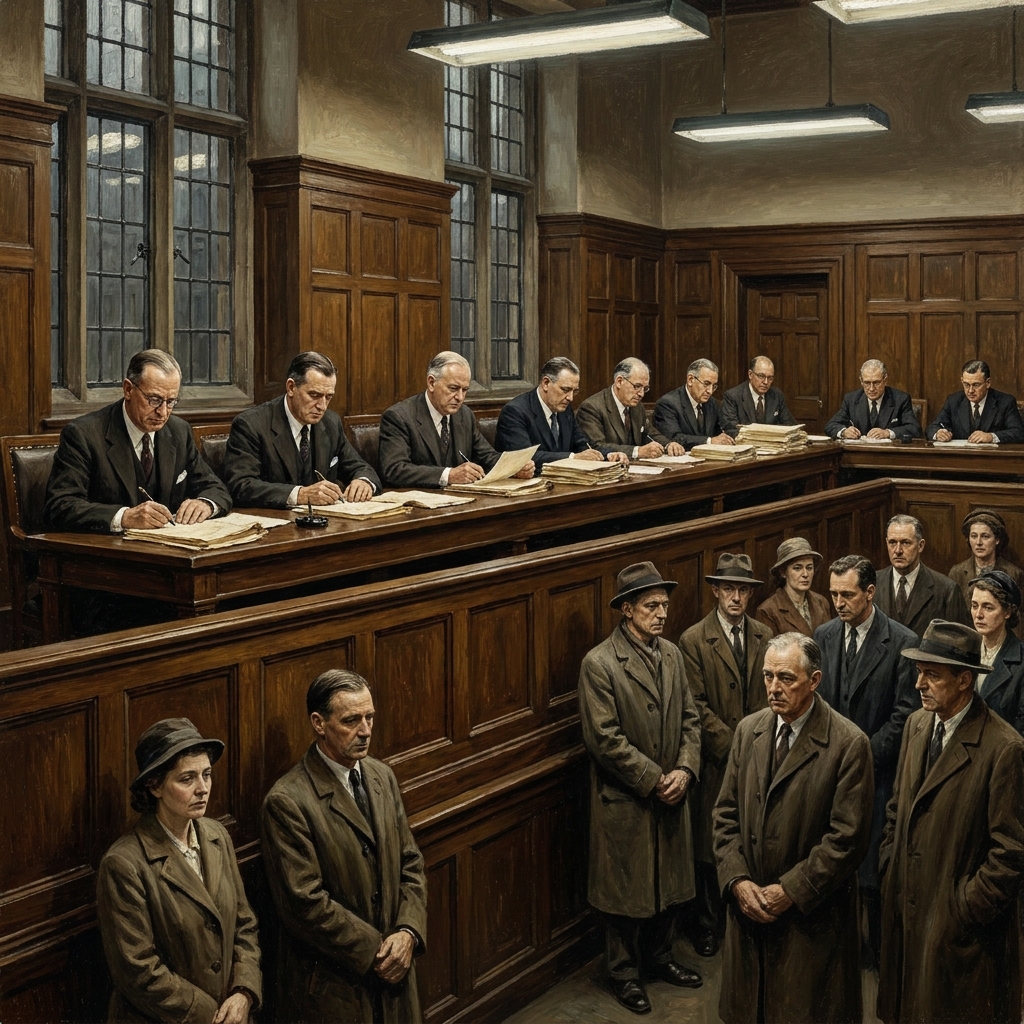
You will guide your students through a world history genocide lesson that utilizes the Holocaust as a clear example of state-sponsored action. The lesson points to evidence like transport lists and camp operations to illustrate that these events were not spontaneous, but rather planned by a government. From there, the material shifts focus to the Armenian Genocide. It explicitly covers the Ottoman government’s actions against Armenian citizens, asking students to analyze how geography, specifically the environment of the Syrian Desert, was weaponized to ensure destruction. It concludes by explaining why human rights matter as a standard for holding governments accountable in the modern era.
This material serves the CA.HSS-10.5.5 standard. In California, this requirement asks students to discuss human rights violations and genocide, with a required focus on the Armenian Genocide. It sits within the larger HSS-10.5 cluster, where the focus is on the causes and course of the First World War. By requiring students to analyze these events, the standard demands they stop viewing these as isolated historical footnotes and instead see them as outcomes of specific government policies during the modern era.
Where students slip
One of the biggest hurdles I see with this unit is the tendency for students to assume that state-sponsored genocide happens overnight. They often look for a single turning point or a specific explosion of violence. What this lesson does well, and where you might need to push your students, is in focusing on the process. When they see terms like deportation and Othering, they may want to treat them as synonymous with general prejudice. It is your role to point out that these are specific, incremental steps taken by a government to dehumanize and eventually destroy a group of people.
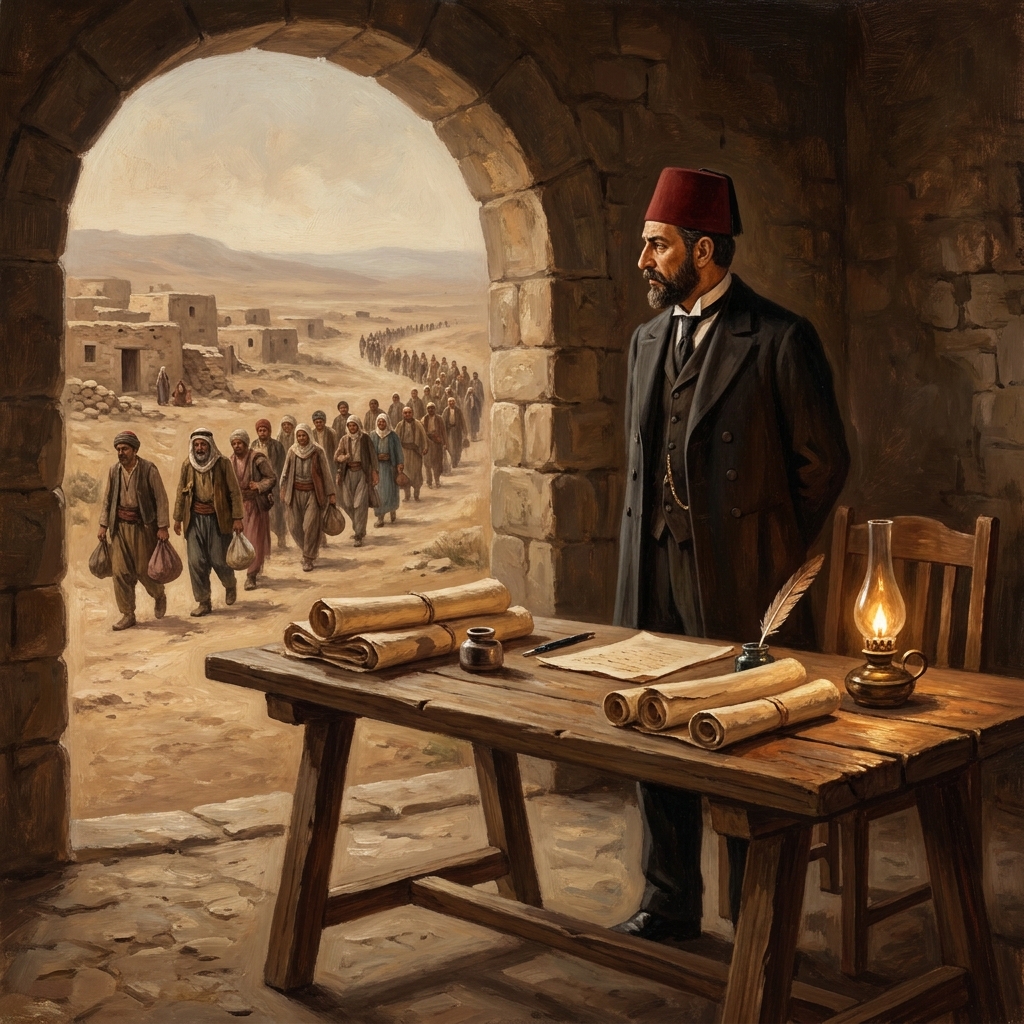
A limitation of any 45-minute lesson on this topic is the weight of the material. Students may find the details about the Syrian Desert or the systematic nature of the Holocaust overwhelming. I find it effective to remind students that the goal of identifying these signs is not just to catalog the past, but to understand what international law seeks to prevent in the future. The lesson does a good job of grounding this in the 1948 United Nations definition, which helps give students a concrete reference point for when they read international news today. It turns the study of history into a way to sharpen their awareness of how power and geography collide.
When assigning this for an attendance recovery day or using it as a primary source of instruction for your period, keep in mind that the focus remains on the structural analysis of government behavior. It does not shy away from the harsh facts of history, and your students will likely need a moment to process the distinction between individual hate and state-sponsored destruction. It is a heavy unit, but the clarity of the presentation helps keep the focus on the historical analysis required by the standards.
Related lessons
Post-War Power Shifts, Discusses changes in global political structures after World War I

The Road to World War I, Covers the diplomatic and military causes of World War I
The Causes and Consequences of World War II, Analyzes the geopolitical factors leading to and following World War II