


A thin tripwire stretched across a dark hallway floor. The reader sees it immediately, yet the character walking into the room remains entirely oblivious to the danger. That specific moment of tension, created in a matter of seconds, is exactly what Understanding Dramatic Irony tasks your 8th grade students with deconstructing. It is a fundamental piece of 8th grade English Language Arts that bridges the gap to more complex literary analysis later in the year.
When you teach 8th grade ELA, you are often trying to push students away from surface-level plot summaries toward an understanding of how an author manipulates their experience. This lesson covers that shift. It asks students to identify instances where the audience holds more information than the character, then categorize how that specific gap functions. The vocabulary is simple but precise: students learn that dramatic irony occurs when the reader is aware of information that the characters are not, suspense is a feeling of excitement or anxiety about what might happen next, and humor is the quality of being funny or amusing.
Analyzing the structure of irony
The core of this work is governed by CA.ELA.RL.8.6. This California-adopted standard asks students to analyze how the differences between what a character knows and what the audience knows create specific effects such as suspense or humor. You will also see this listed as CCSS.ELA-LITERACY.RL.8.6, which represents the same objective and covers the same requirements for literary craft. Whether you are teaching in Mt. Diablo Unified, Sacramento City Unified, La Habra City Elementary School District, or Coronado Unified, the expectations remain consistent: students must look at the text and explain the effect of the author choosing to reveal information to the reader first.
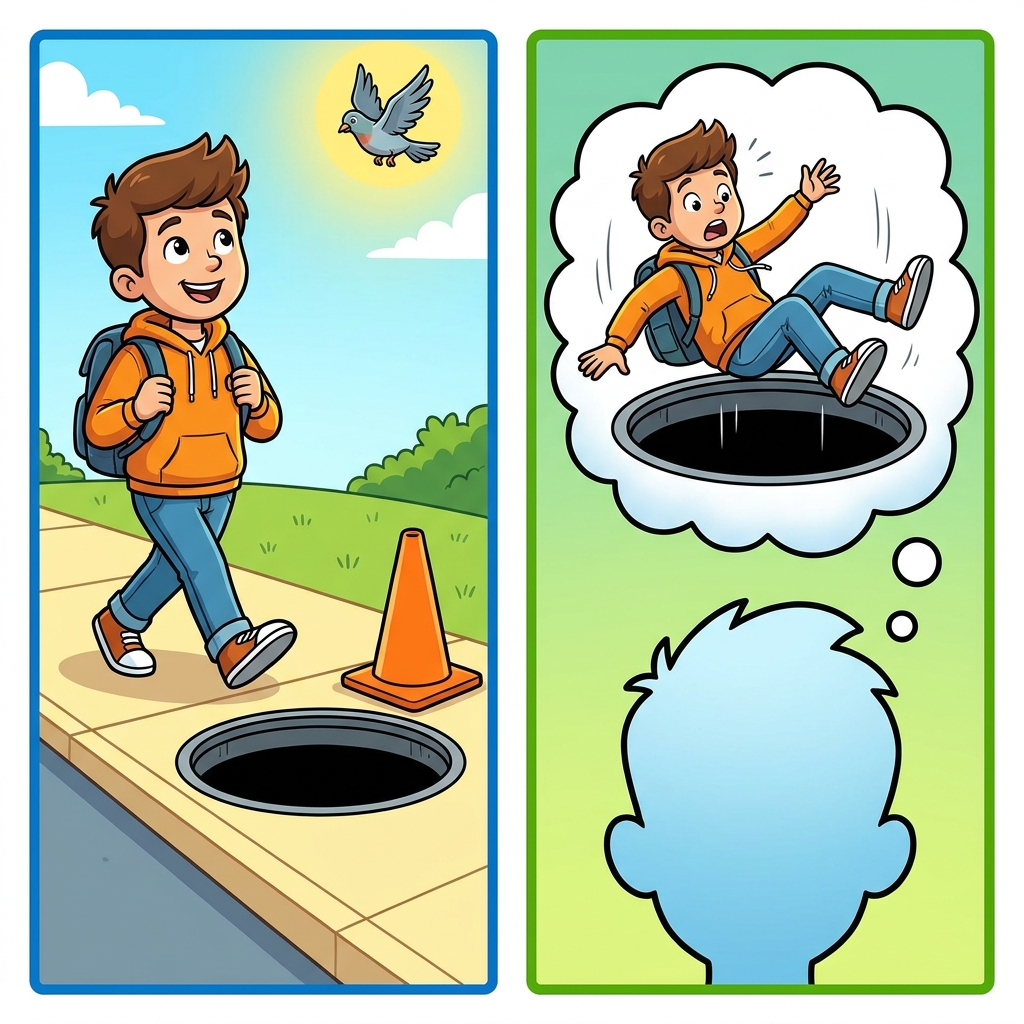
I have found that students often identify irony intuitively but struggle to articulate why it feels effective. If they cannot name the technique, they often miss the connection between the author’s choice and the reader’s reaction. This lesson forces that connection. It is quite useful for a whole-class assignment or for a student who missed the week and needs a focused look at literary devices.
Moving beyond basic plot
The lesson uses the example of a character walking into a trap to illustrate suspense. The danger is clear to the reader, but invisible to the character. This scenario creates immediate anxiety. Later in the guided practice, students analyze a scenario involving a character drinking tea. This allows them to apply the skill in a structured environment before they move toward their own independent writing or reading tasks.
The lesson covers the objective by asking students to analyze how dramatic irony creates suspense or humor by comparing what characters know to what the reader knows. This is a vital skill. If a student does not grasp how perspective affects their own reading experience, they will certainly struggle when they eventually analyze complex, non-linear narratives or texts with unreliable narrators in high school.
Practical application in your room
This is a 45-minute 8th grade literary analysis lesson that works well for a substitute day or even as a targeted intervention. One of the best things about this specific lesson is that it emphasizes why the concept matters beyond the classroom. The text explains that understanding irony helps students engage more deeply with stories, news reports, and real-life situations. When you know more than the people involved, you can better understand their mistakes and the tension in the situation.

A caveat: keep an eye on how students define humor. Sometimes they conflate irony with sarcasm. Make sure they understand that irony in this context is about the structural difference in knowledge, not just a character making a funny comment. That distinction is where the real learning happens. Once they see the mechanism, they start noticing it in every book they pick up.
Related lessons

Reimagining Myths in Modern Fiction, Adaptation of classical myths into contemporary story formats

Mastering Textual Evidence, Using direct quotes to support literary analysis claims
Analyzing Word Choice and Tone, Understanding how specific language shapes a story mood