

Eleventh grade US History often hits a turning point when students move away from domestic territorial expansion and begin to analyze the United States as a global power. By the time your students reach the study of the twentieth century, they are frequently asking how a nation that once focused on its own western borders became the primary architect of international trade routes. The lesson The Panama Canal: Diplomacy and Engineering fits perfectly into this transition, giving your class a focused look at the events of 1903 and the engineering feat that followed.
This material aligns with the California-adopted standard CA.HSS-11.4.3. This specific standard asks that students discuss the role of the United States in the Panamanian Revolution and the subsequent building of the canal. It is a heavy requirement because it demands that students memorize a set of facts about the construction and evaluate the political motivations that allowed for such a massive intervention. You will find teachers in districts like Mt. Diablo Unified, Garden Grove Unified, Los Banos Unified, and Waterford Unified helping their students address this exact standard every year.
What the lesson actually asks students to do
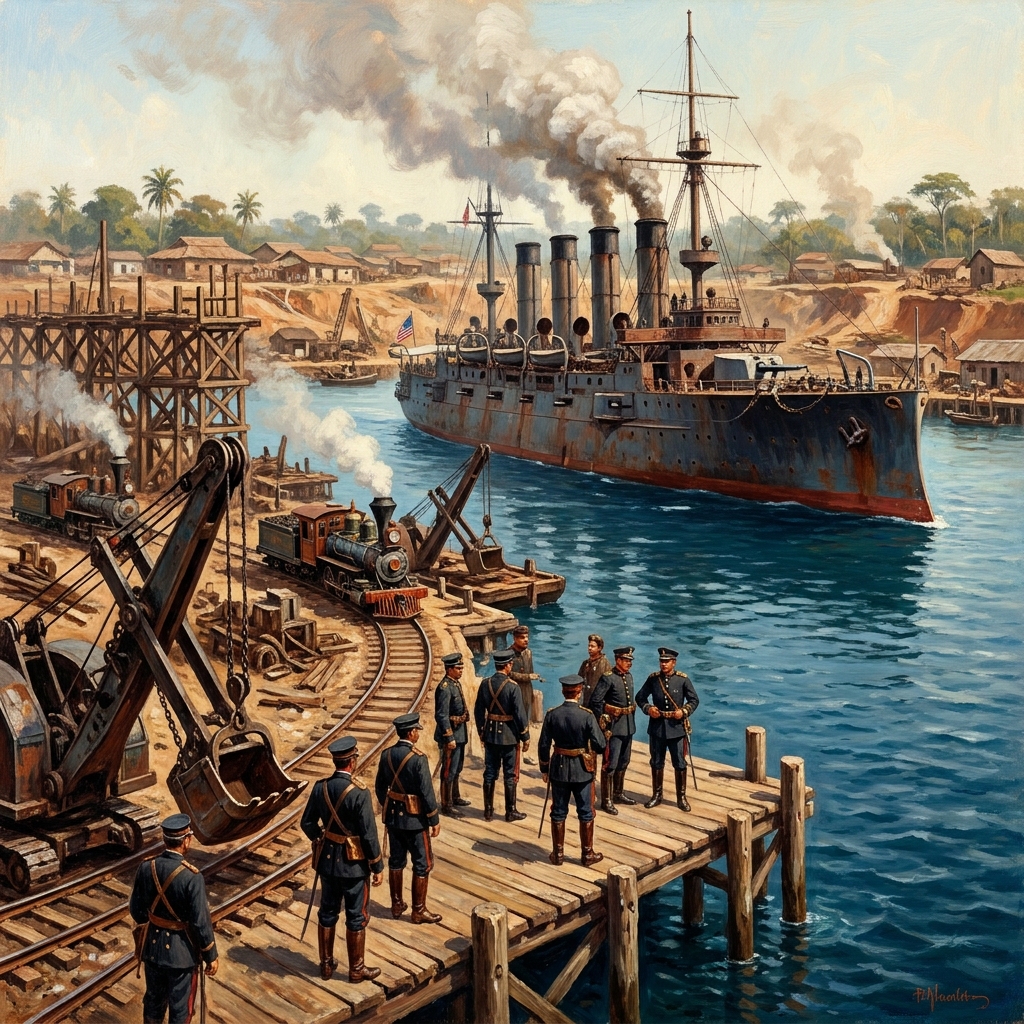
When you start this high school history canal lesson, the objective is to move beyond the technical aspects of building a trench across an isthmus. The material starts by grounding students in the reality of the pre-canal world. It explains how, before the project, the journey for ships moving between the Atlantic and Pacific oceans was long and dangerous, requiring a trip around Cape Horn. This sets the stage for why the United States sought to exert control over the region. The lesson uses a key scenario from 1903: the arrival of the U.S.S. Nashville at the port of Colon. By stationing this warship there, the United States effectively prevented Colombian troops from suppressing the local rebellion. This is an immediate, concrete example of how naval presence shapes political outcomes.
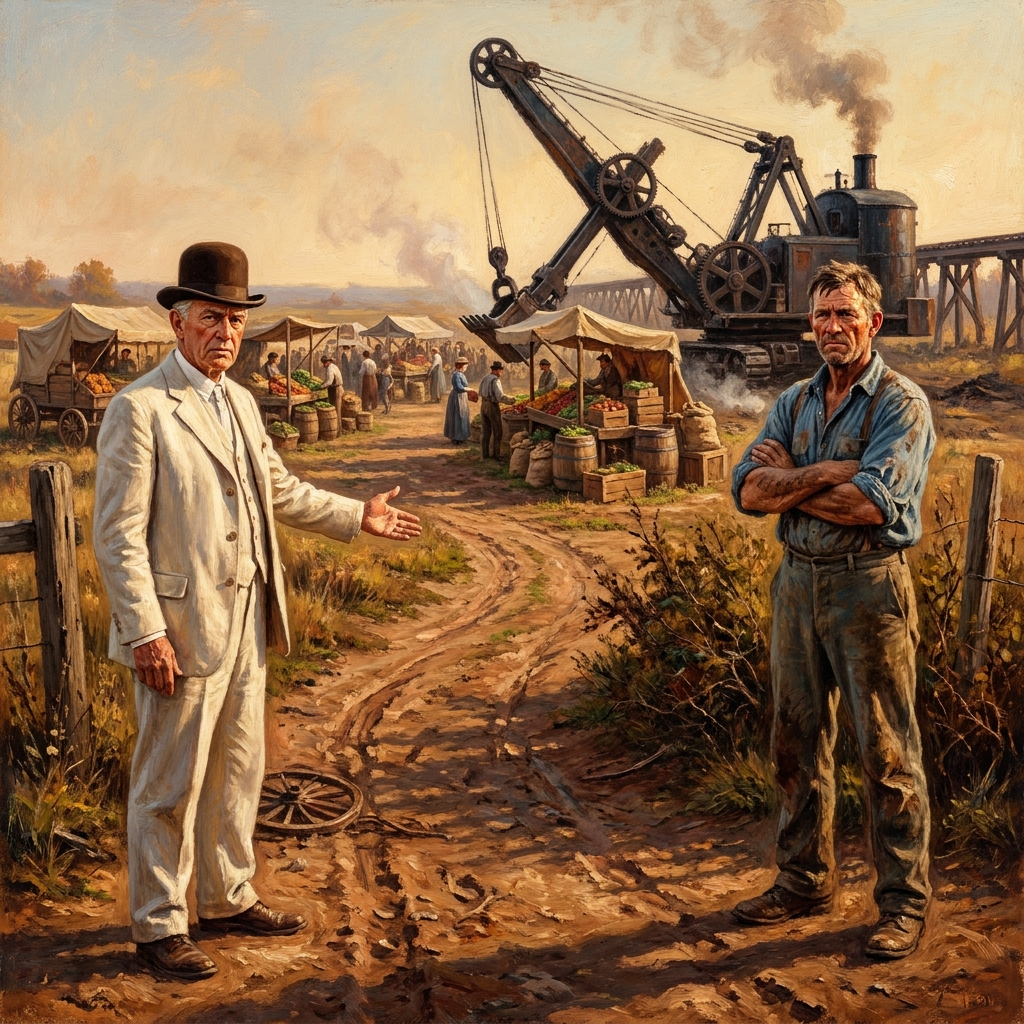
The lesson asks students to grapple with three core vocabulary terms: isthmus, sovereignty, and geopolitical influence. Geopolitical influence is defined here as the use of national power, such as naval force or diplomatic pressure, to shape political outcomes in another country to advance one’s own national interests. Asking your students to apply this definition to the 1903 revolution is where the real learning happens. It forces them to look at sovereignty not as an abstract concept, but as a contested political reality. The guided practice then shifts focus to the Culebra Cut, which is presented as the most difficult part of the excavation. This allows students to connect the cold calculations of diplomacy with the massive amount of labor and engineering required to bridge two oceans.
Where students slip and how to use this
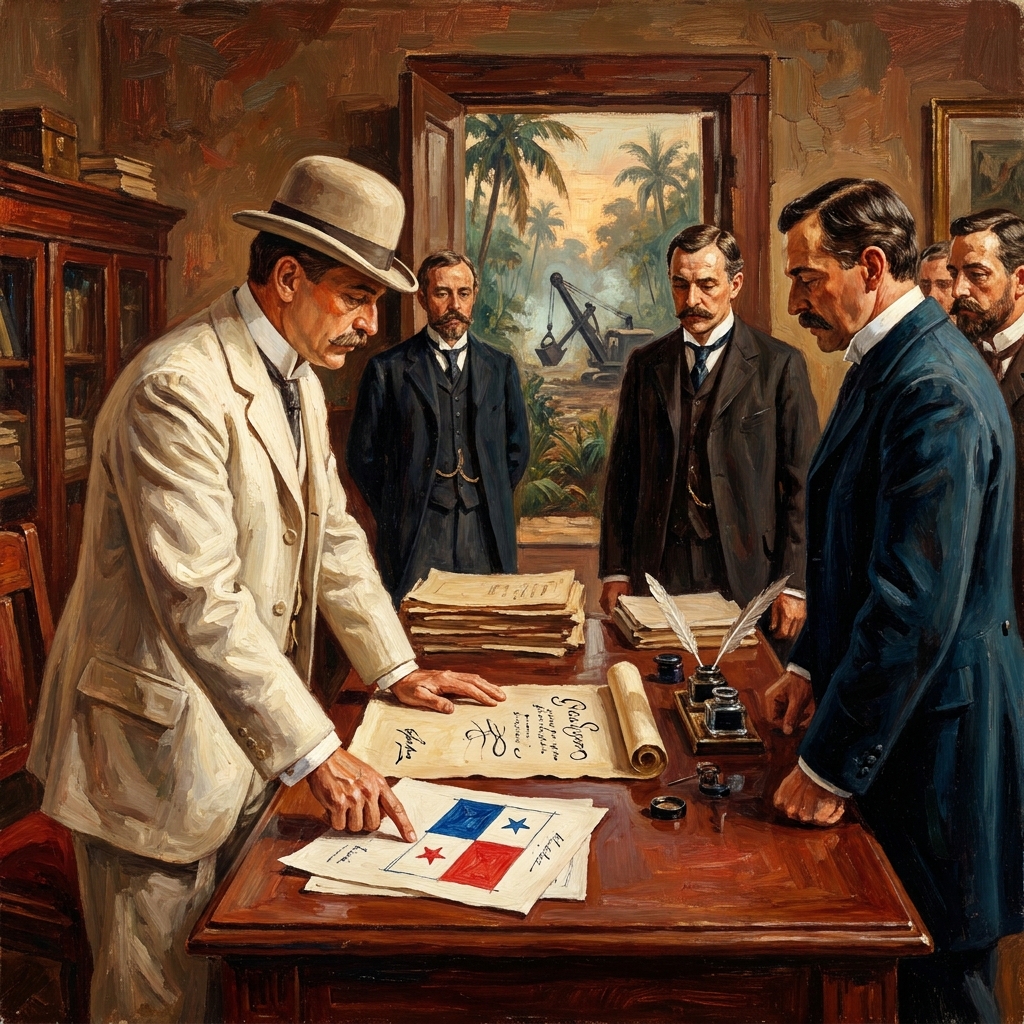
Students often struggle to connect the concept of sovereignty with the reality of US intervention. They might view the canal as just a project of engineering genius, missing the fact that the project only happened because the United States used its military strength to alter the internal politics of a sovereign nation. My suggestion is to lean into the primary source-style analysis found in this lesson. By looking at the naval influence example, students stop viewing the canal as an inevitability and start viewing it as a deliberate choice made by the American government at the time.
This lesson works well as a whole-class assignment because it provides enough context for a teacher to facilitate a rich discussion on international agreements. It is also an effective tool for a student who missed the week, as the narrative arc is clean and easy to follow without needing a massive background in the rest of the unit. If you find yourself in need of materials for a substitute day, this is a solid choice because it requires students to do the intellectual heavy lifting of mapping political cause to mechanical effect.
The importance of this history is captured in the lesson’s concluding point: understanding these events allows students to see how nations compete for control over global trade today. By treating the canal as a pivot point for twentieth-century power, your students get a clearer look at why modern trade disputes remain so complex. Even though the engineering was finished long ago, the geopolitical implications defined by this era continue to inform international relations.
Related lessons
The Progressive Era and Government Reform, Covers political changes during the early twentieth century
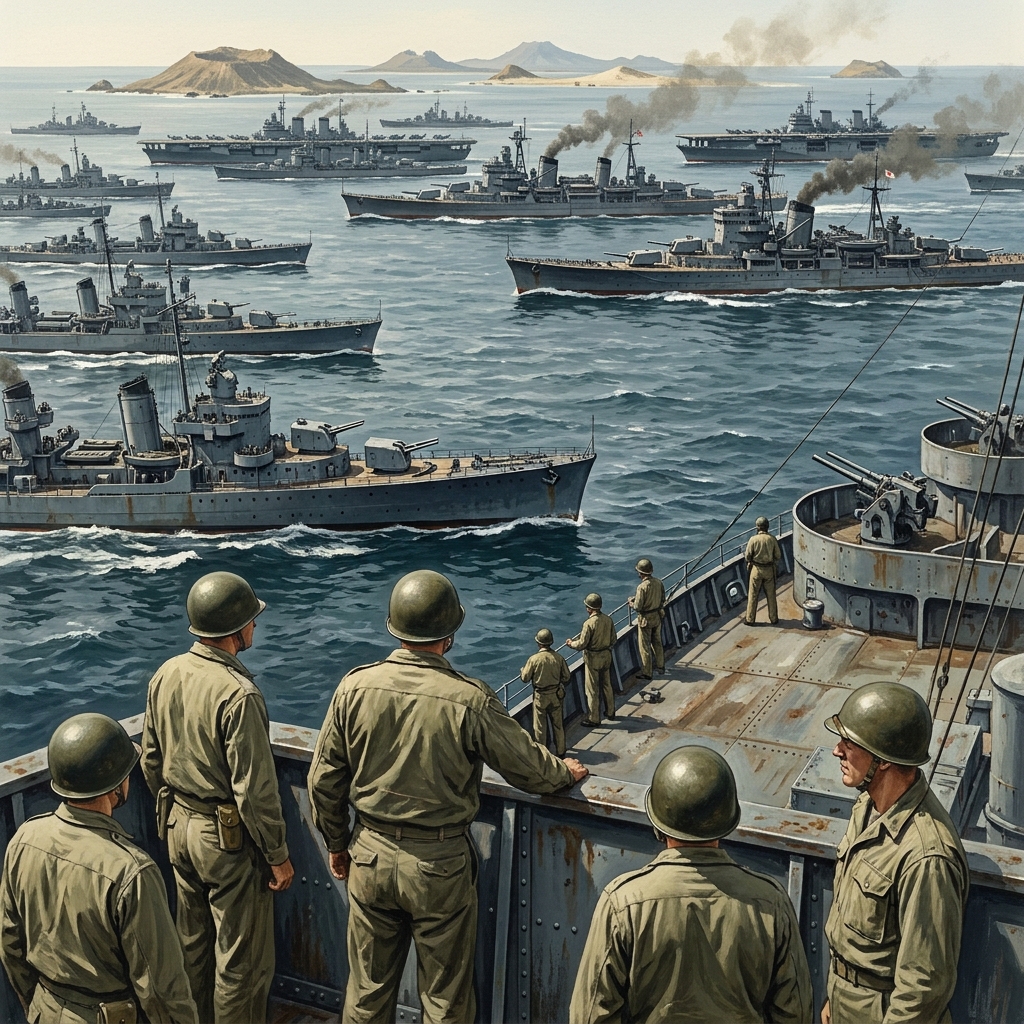
Allied Strategy in World War II, Discusses military plans during the global conflict
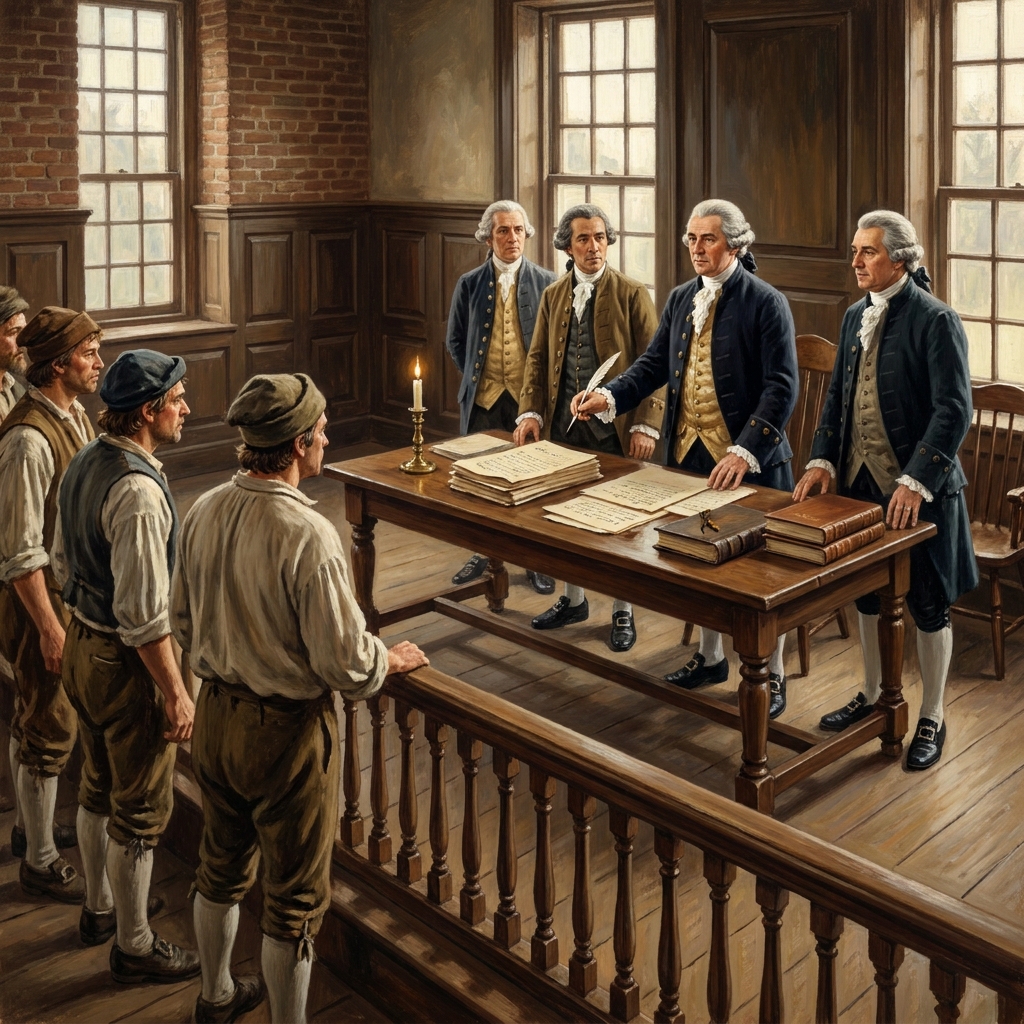
Founding Ideals and Realities, Examines the gap between national values and historical events