

When we look at the standard CA.ELA.RH.6-8.9, it asks students to analyze the relationship between a primary and secondary source on the same topic. In my experience, this is the exact point where history starts to feel real for 11 and 12-year-olds. It is not just about memorizing dates or names anymore. It is about understanding that history is constructed from pieces of evidence that sometimes agree and sometimes conflict. This standard, which is a core requirement across districts like Bakersfield City School District, Ontario-Montclair School District, Benicia Unified, and Newman-Crows Landing Unified, forces students to stop acting like passive readers and start acting like investigators.
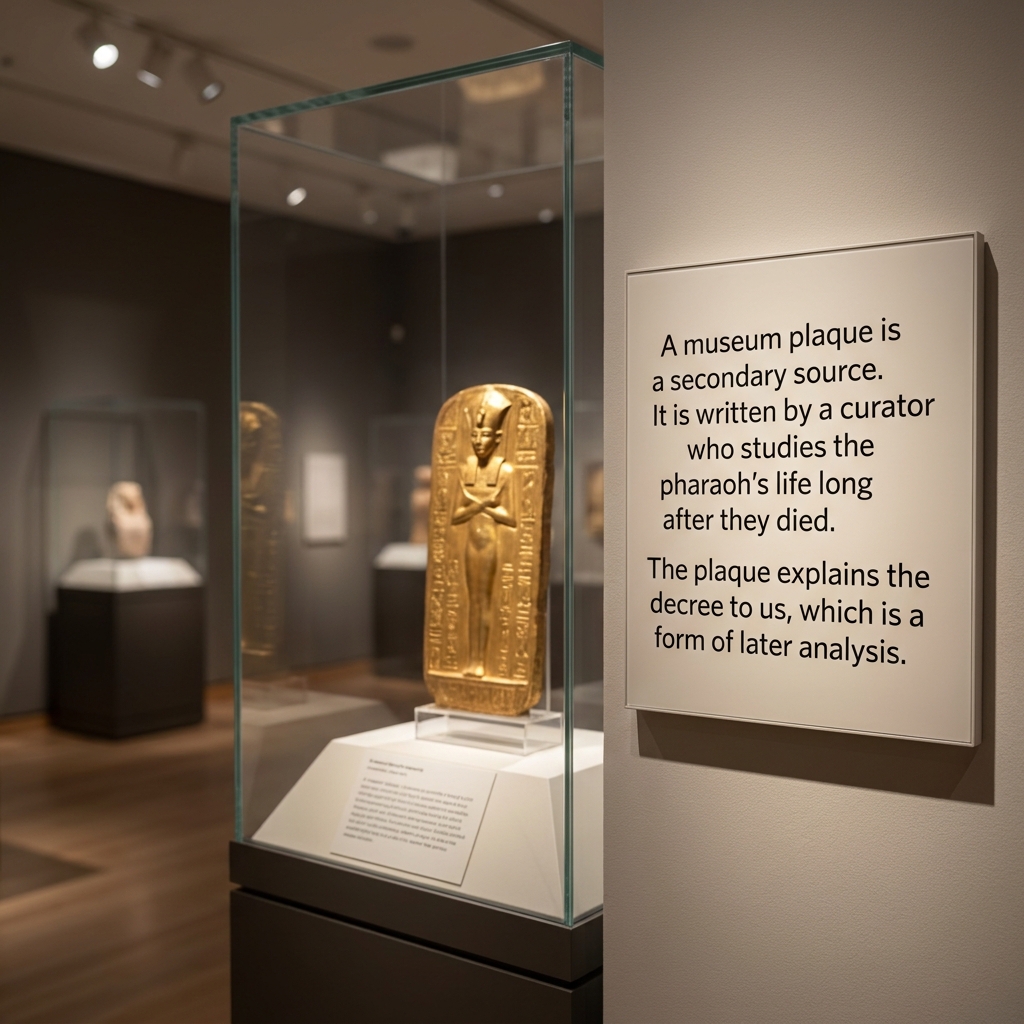
I recently looked at Comparing Primary and Secondary Sources, and it is a solid 45-minute lesson for your sixth graders. The objective is to help students grasp how different perspectives shape our view of an event. It starts with a simple, relatable analogy: a primary source is like a scribe working on a pyramid who was actually there, while a secondary source is like an interpretation made from a distance. It uses concrete examples, such as a pharaoh’s decree, to illustrate that a primary source is an original document created by someone who witnessed or participated in the event. Secondary sources, on the other hand, are documents or analyses created later by someone who did not experience the event but is instead using primary evidence to tell the story.
What the lesson actually asks students to do
The lesson moves quickly from definitions into application. Students do not just read about the difference between these sources. Instead, they examine how these two types of evidence work together to construct a historical narrative. You will find they handle the definitions of Primary Source and Secondary Source well enough, but the real test is in the guided practice. The lesson presents a merchant’s ledger from the Nile trade routes, asking students to weigh the primary evidence of that ledger against what a secondary account might say about the same period.
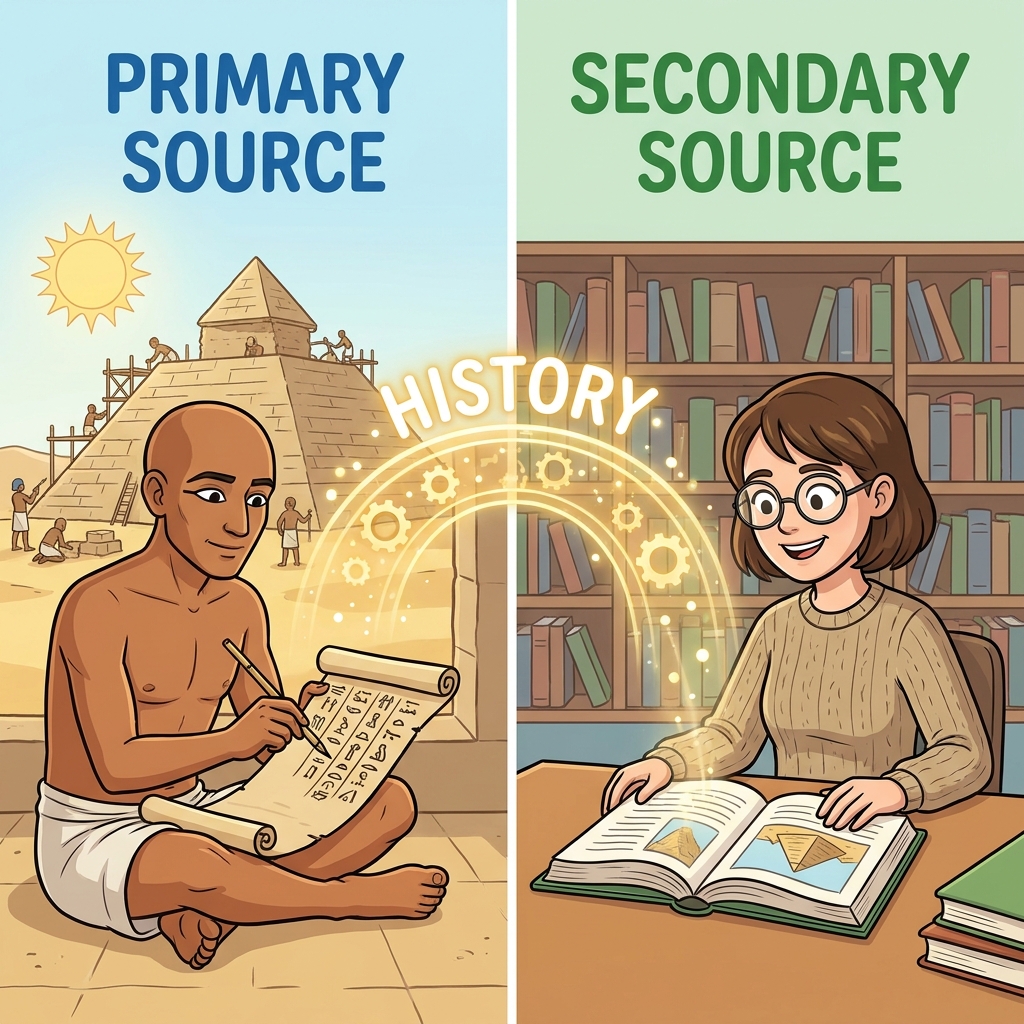
I suggest watching your students closely during this transition. They tend to assume that because a document is old, it must be the only source that matters. The lesson does a good job of pushing back against that by explaining that reading the news today involves similar habits: we look at witness interviews as primary sources and then consult later articles that act like textbooks to summarize those events. This helps bridge the gap between ancient history and the information they see on their screens every day.
Where students slip
Where I see students stumble is in the analysis of intent. They often forget to ask *why* a source was created. A pharaoh’s decree is a primary source, yes, but it is also a political tool meant to project power. The guided practice is the moment to pause the class and ask them who the audience was for that merchant’s ledger. If you are looking for an ELA 6 source analysis lesson to use during intervention, for a student who missed the week, or as a focused day for a substitute, this is a clean, manageable choice.
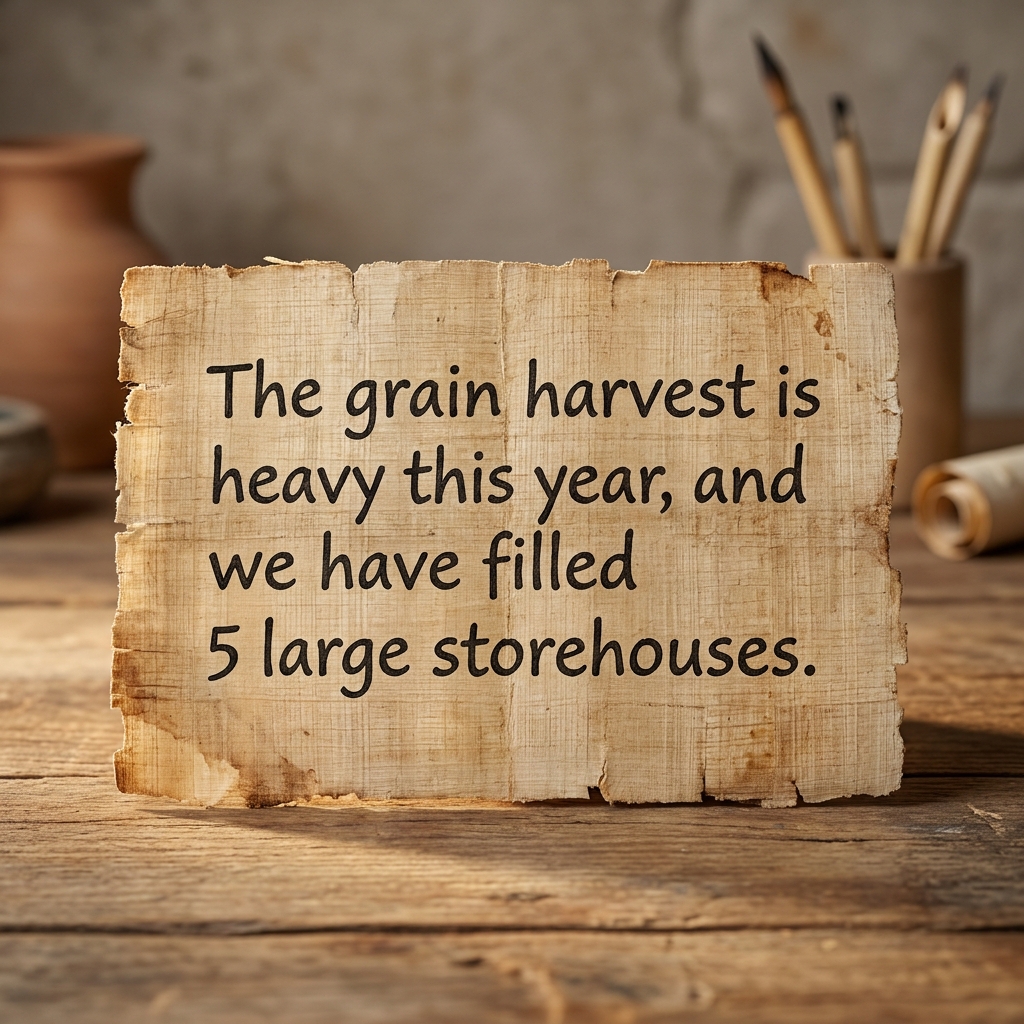
One caveat: keep an eye on your students who lean heavily on the literal meaning of the text. They might identify the source type correctly but struggle to articulate how the secondary source interprets the primary evidence. You might need to draw a T-chart on the board for them, labeling one side as the witness and the other as the storyteller. It is simple, but it anchors their thinking. This lesson covers a foundational skill that pays off when you move into more complex document-based questions later in the year.
Related lessons
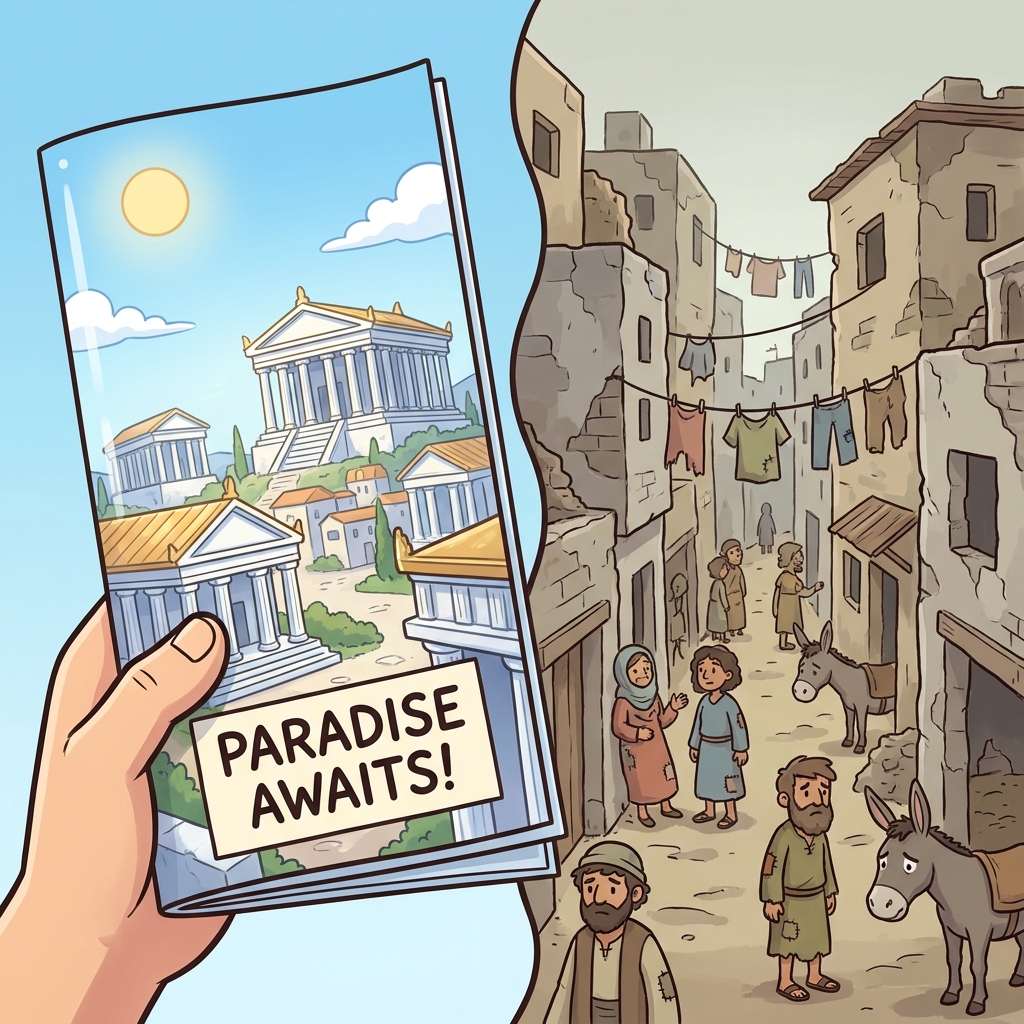
Analyzing Author's Point of View and Purpose, Examines how an author's perspective influences their writing and purpose
Summarizing Historical Sources, Teaches techniques for condensing historical texts while maintaining factual accuracy
Reading History Like a Detective, Develops critical inquiry skills for examining historical evidence and records