

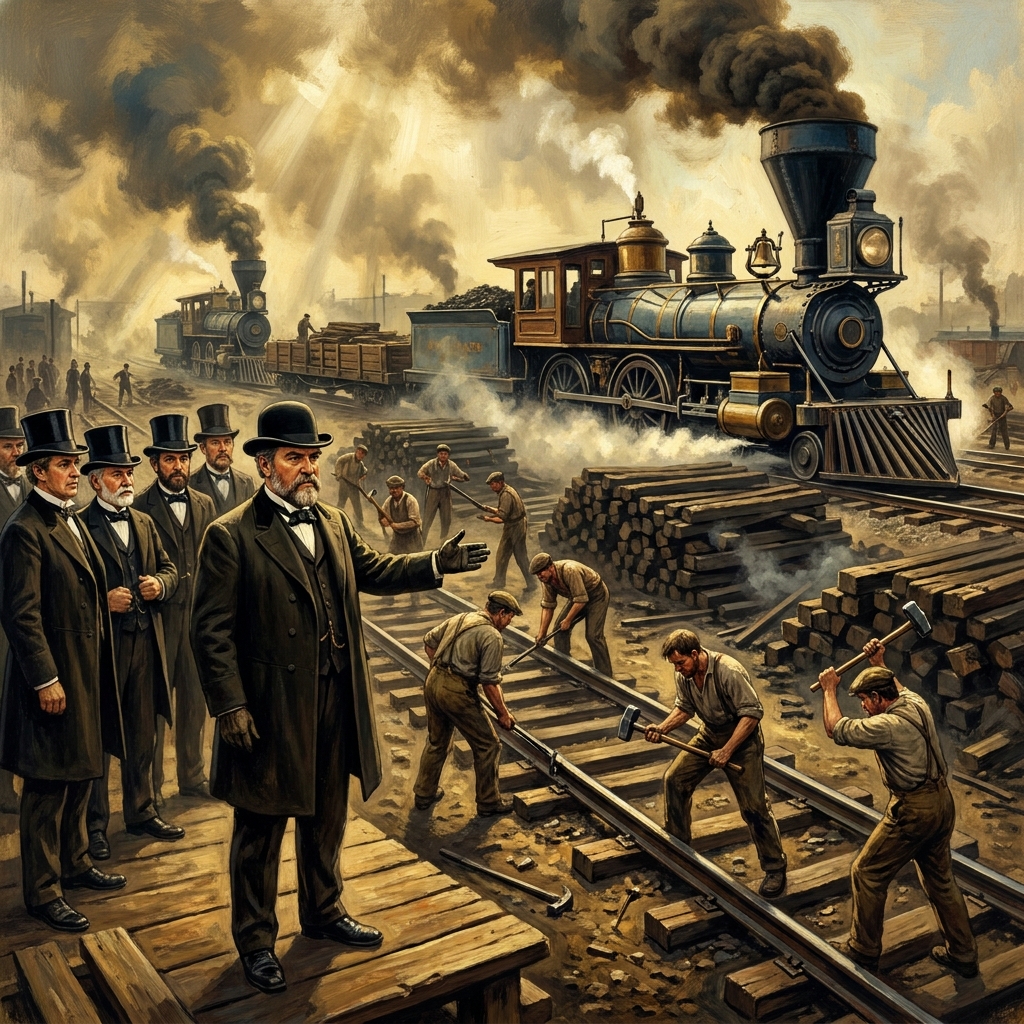
Students often walk into this unit assuming that Gilded Age tycoons were simply greedy people who broke the law to get ahead. While that captures a piece of the public sentiment from the time, it misses the structural reality of the Industrial Revolution. In this 8th grade social studies lesson, we move past moral judgments to look at the mechanisms of commerce, specifically how business strategies like vertical and horizontal integration fundamentally altered the United States economy. This is a central part of our United States History and Geography: Growth and Conflict, Grade 8 course, where we see how quickly the scope of American power shifted during the late 19th century.
You can find the material at Titans of Industry: Entrepreneurs in the Gilded Age. The lesson is built to support CA.HSS-8.12.4, which is the California-adopted standard asking students to discuss the influence of entrepreneurs, industrialists, and bankers in politics, commerce, and industry. Whether you are in Long Beach Unified, Clovis Unified, Folsom-Cordova Unified, or the Roseville City Elementary School District, this standard requires students to recognize how individuals like Andrew Carnegie or Leland Stanford changed the trajectory of our national systems. It is not just about memorizing names but about understanding the relationship between capital and law.
What the lesson actually asks students to do
The lesson takes about 45 minutes and focuses on specific business terms that define the era. Students start with a breakdown of Andrew Carnegie and his mastery of vertical integration. The material clearly explains that by owning his own iron mines, coal fields, and railroads, Carnegie eliminated middleman costs to produce steel more cheaply than anyone else. From there, the lesson contrasts this with horizontal integration, where a business owner buys out direct competitors to capture the whole market.
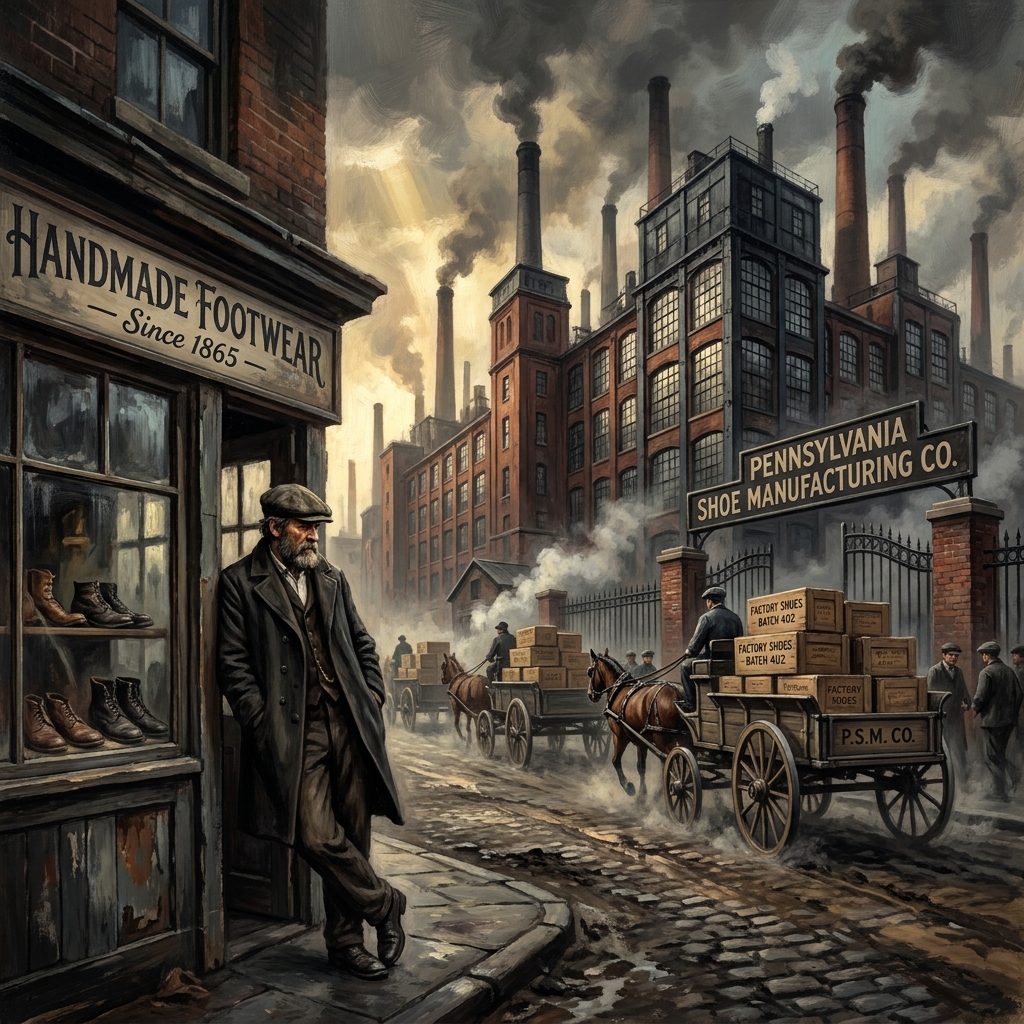
This leads directly to the concept of a monopoly, where competition disappears and one firm sets the price. The worked example involving Leland Stanford and his use of government land grants for the Transcontinental Railroad is particularly useful. It shows students that these tycoons were not just operating in a free market bubble, but were actively shaping government policy to ensure their own growth. When you assign this 8th grade industrialization lesson, you are giving them the vocabulary to identify how lobbying and trusts influenced the nation during that period.
Where students slip
The trickiest part for most students is distinguishing between vertical and horizontal integration. During the guided practice, I usually see students mix these up when describing the railroad scenarios. It helps to force them to draw a quick diagram of the production chain versus the competitor chain. When a student tries to explain why a tycoon might ask Congress for land, remind them to look back at the definition of a monopoly. If they cannot explain why owning the land makes it harder for a new company to compete, they have not fully grasped the strategy involved.
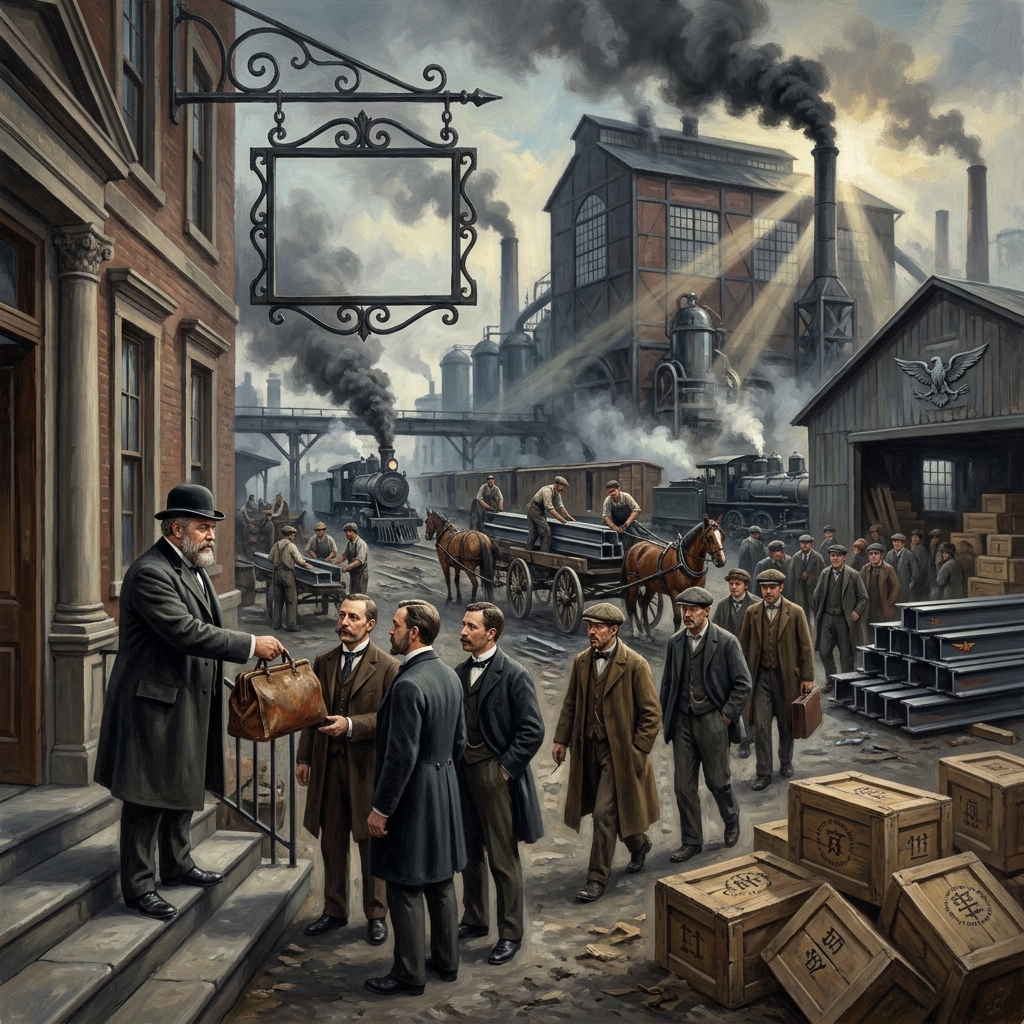
The lesson does a good job of linking these historic events to current civic responsibility. The why-it-matters section explains that understanding these historical business strategies helps us make sense of how government and private industry intersect in our own time. It frames the study of the Gilded Age not as a dusty list of dates, but as a primer for understanding news, lobbying, and market control today. I find this lesson works well for a whole-class assignment, but it is also a solid choice for a student who missed the week or needs some extra time for independent study. If you have a substitute teacher coming in, the straightforward structure of this activity makes it a safe bet to keep the class moving through the curriculum without confusion.
Related lessons
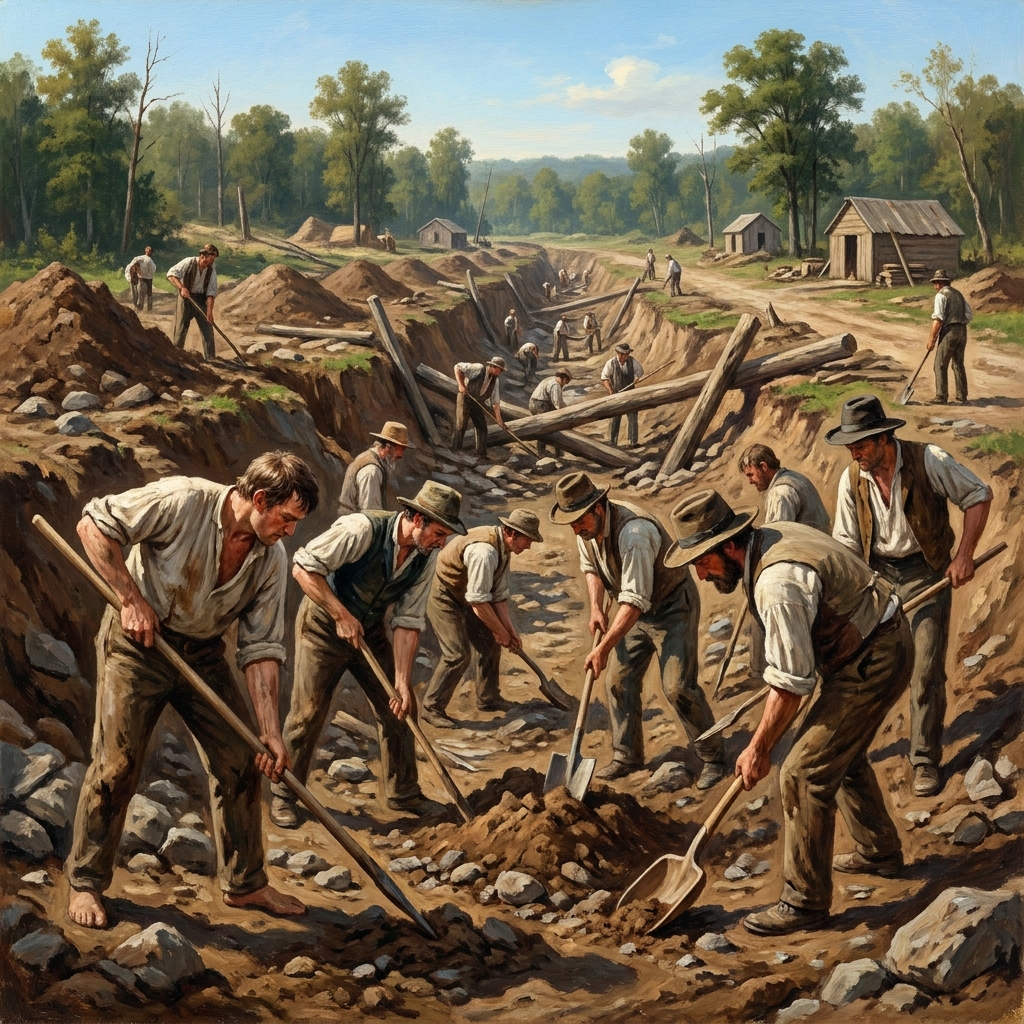
Building the Nation: Roads, Canals, and Railroads, Development of early transportation infrastructure across the expanding United States
The Role of a Free Press in Democracy, How newspapers and journalism shape public opinion and political policy
Divergent Paths: Industrialization and the American Frontier, Comparing the growth of factories against expansion into western territories