

This lesson is not a basic introduction to evaporation or condensation. If your seventh graders are still fuzzy on the elementary-level basics of the water cycle, you might need a quick review before starting. Instead, California’s Water Cycle and Human Impact forces students to look at how we, as a society, physically alter that cycle through choices about land use and infrastructure.
In this 7th grade science lesson, the focus shifts to the complex reality of managing water in our state. Students learn that our water cycle relies on the Sierra Nevada mountains to store water as snow, acting like a frozen reservoir. The lesson defines a watershed as an area of land where all the water that falls as rain or snow drains into a common body of water. From there, it introduces how specific human activities, like damming, groundwater pumping, and land-use changes, directly affect water availability and quality. Teachers in Garden Grove Unified, Twin Rivers Unified, Orange Unified, and San Marcos Unified are using this same material to help their students grasp these concepts.
What students will actually do
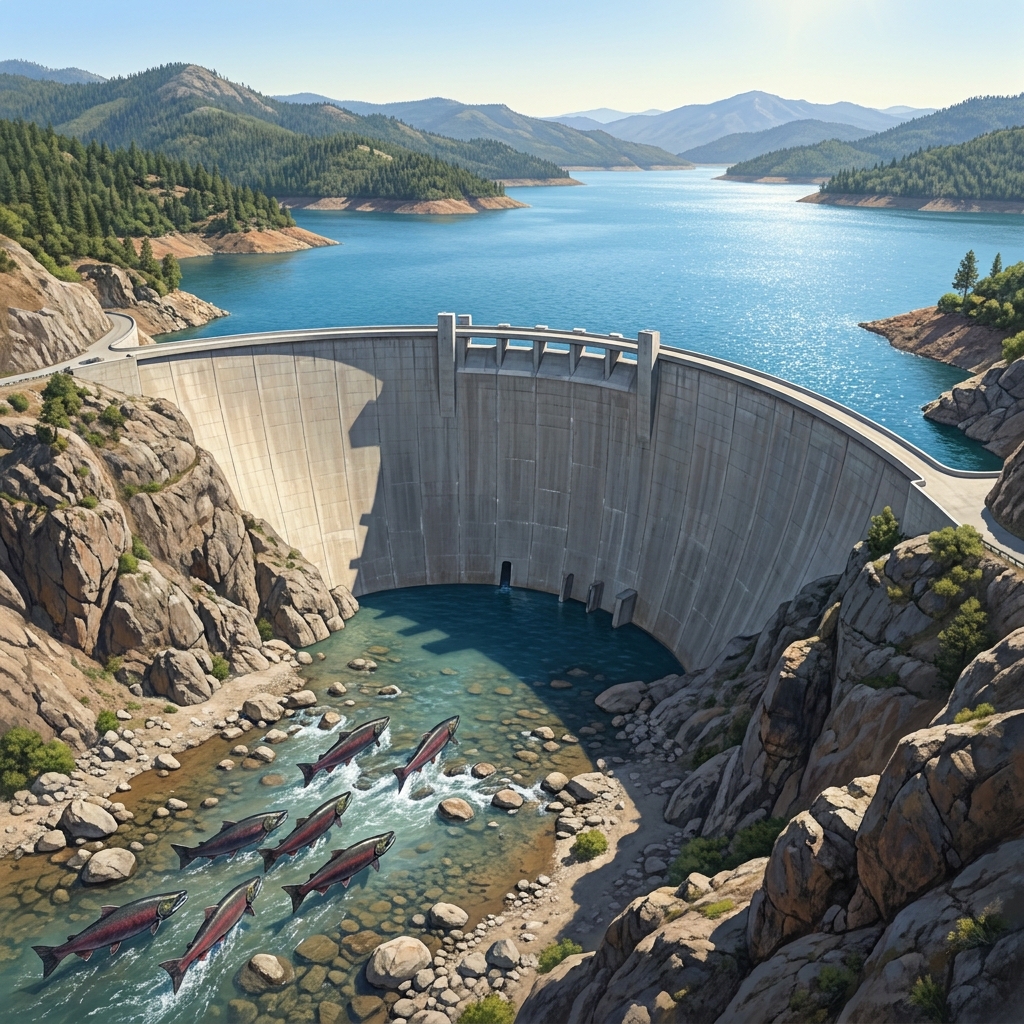
The lesson moves quickly into a worked example involving the Shasta Dam. It illustrates how the dam creates a large reservoir for human use while simultaneously blocking salmon from their upstream spawning grounds. It is a concrete way to show that infrastructure meant for humans often comes with a trade-off for natural systems. Later, students move into a guided practice session where they evaluate a proposed housing development on a wetland. They have to weigh the need for housing against the role of wetlands in filtering water and providing habitat for local wildlife.
You will need to keep an eye on how students define their terms during the activity. The vocabulary list includes watershed, aquifer, and subsidence. I usually look for students to explain that subsidence is the sinking or settling of the ground surface, often caused by removing too much water from underground. When students can articulate that, they are usually ready to tackle the main California middle school science water cycle lesson activities with confidence.
Connecting to the standards
This resource covers CA.MS-ESS2-4.EPC. This is the California-adopted standard that asks students to analyze the water cycle as a complex system and evaluate the impacts of human activities. It specifically requires an understanding of how human health and prosperity rely on the health of natural systems, a concept known as the California Environmental Principles and Concepts. It is one thing for students to memorize the stages of the water cycle, but it is another for them to explain why excessive groundwater pumping might cause the ground to sink, affecting the long-term viability of their own local water supply.
I find this lesson works best for a whole-class assignment where you have the time to facilitate a real discussion. It is also quite effective for a student who missed the week, as the text provides enough background information that they can work through the scenarios without needing a lecture from you. If you are stuck with a substitute day, this content is structured well enough that students can complete the analysis on their own without needing a complete walkthrough of every concept.
The takeaway is simple: we are not just teaching science. We are teaching how human decisions interact with the natural world. If your students are struggling with the concept of an aquifer, try drawing a cross-section on the board to show how water is stored in rock or sand layers versus open pools. Most students will catch on once they see the difference between surface water and groundwater. Keep the focus on those specific human impacts, and you will see them start to make those vital connections between their community and the watershed they inhabit.
Related lessons
Gravity and Motion in Space, Explains how gravity affects movement of celestial bodies in space
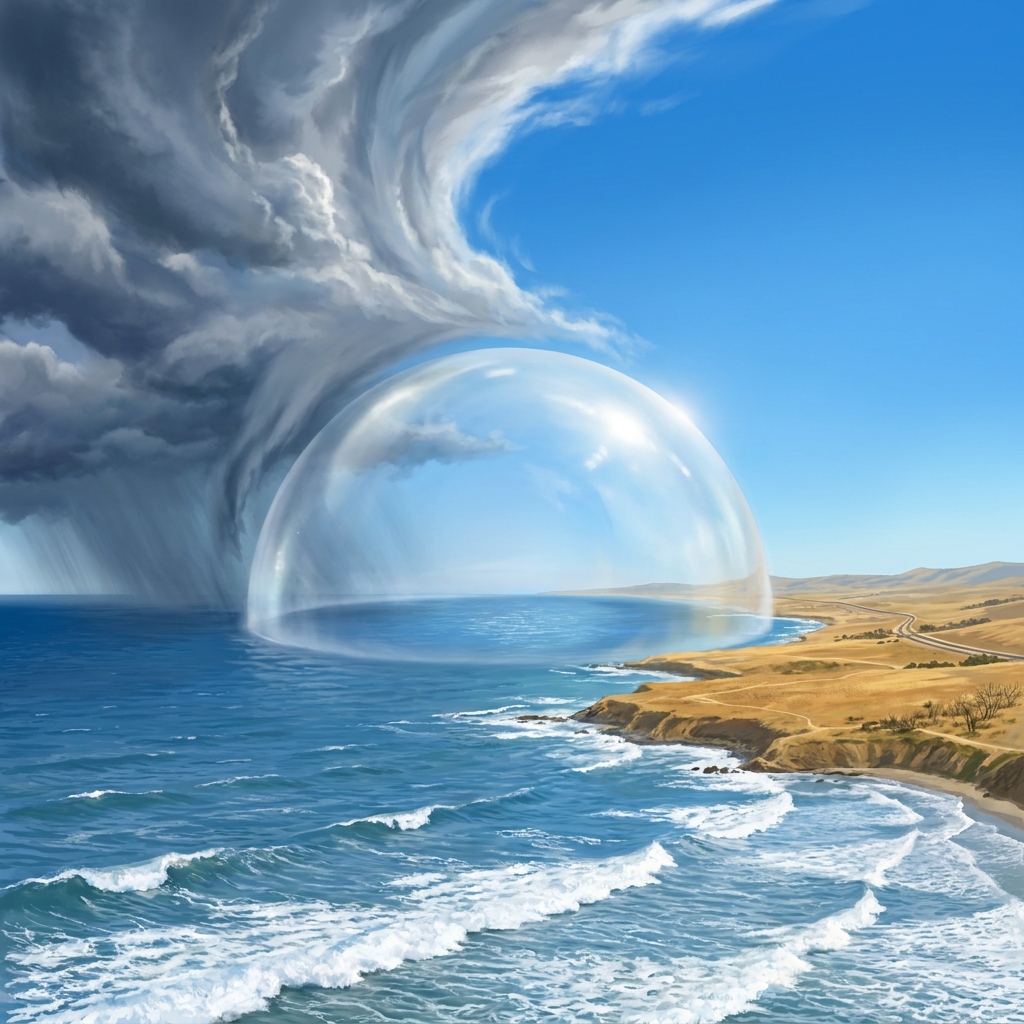
California Weather and Air Masses, Details how air masses influence weather patterns across California geography
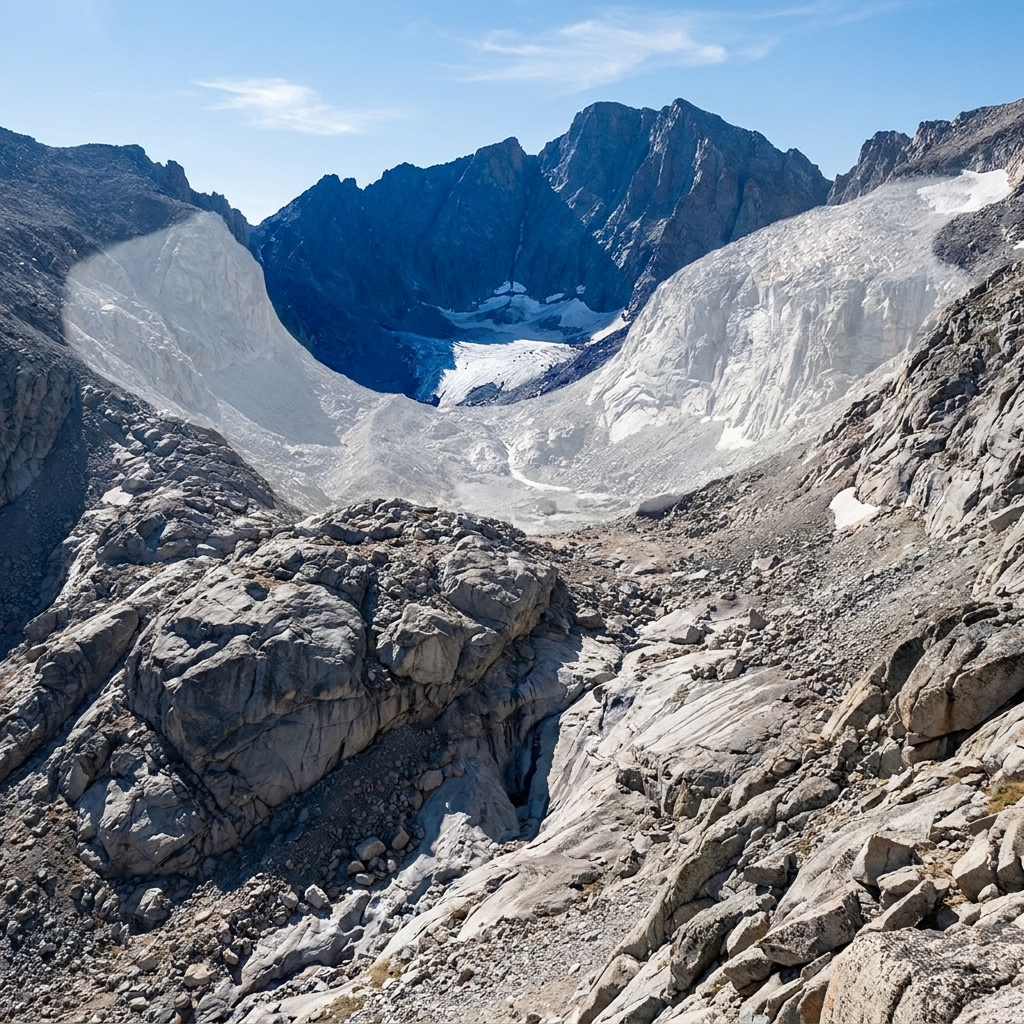
Understanding Climate Change Evidence, Covers scientific evidence and data supporting modern climate change trends