

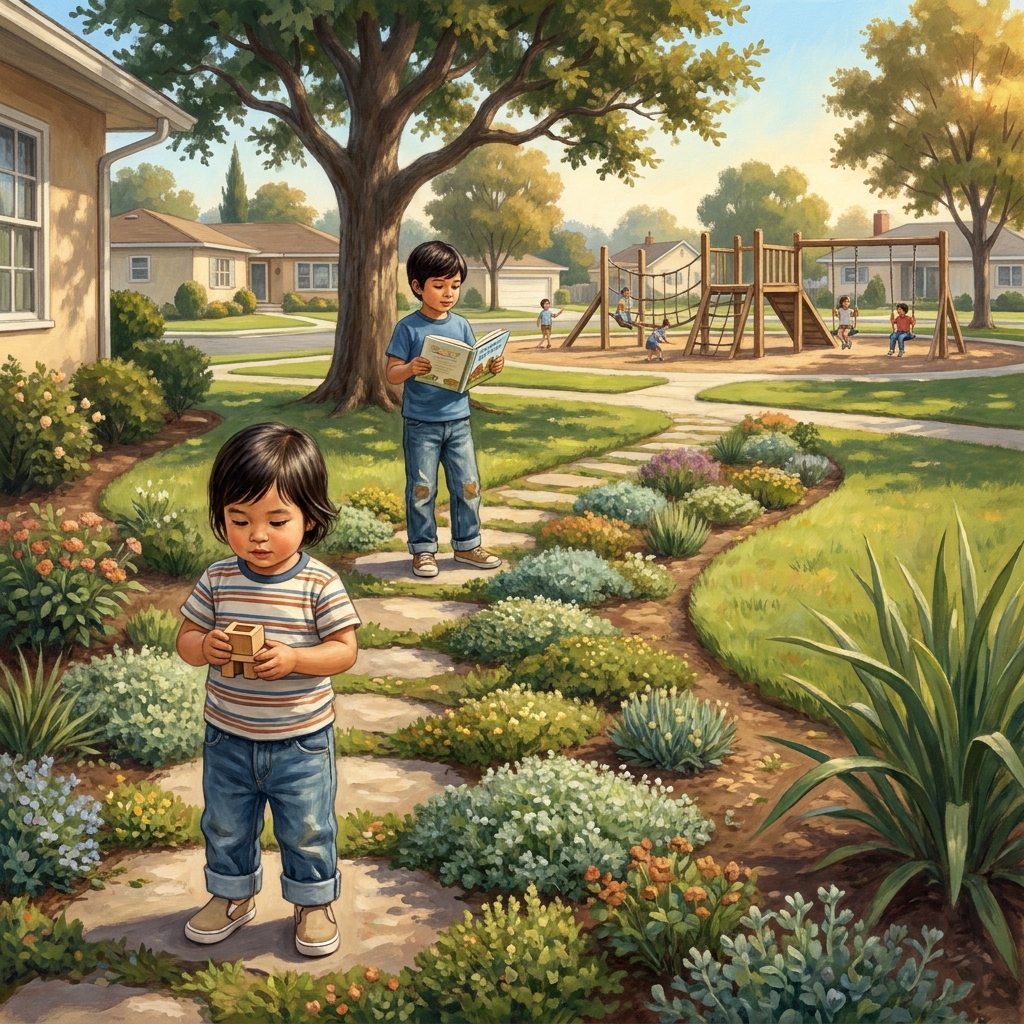
It is that point in the school year when the social studies calendar feels particularly heavy. We are often balancing our core curriculum while managing the inevitable interruptions that come with school life. In my years teaching second grade social studies, I found that introducing the concept of time often happened right when my classroom rhythm was being tested by standardized testing windows or unexpected schedule shifts.
Teaching Historical Sequence
When you are looking for a reliable way to teach your students how to structure historical thinking, the lesson Putting Life Events in Order is a practical tool. It serves second grade students who need a straightforward way to grasp the idea of chronological order. The lesson takes about 45 minutes and gives students the chance to work through how events in their own lives serve as the first building blocks of historical sequence.
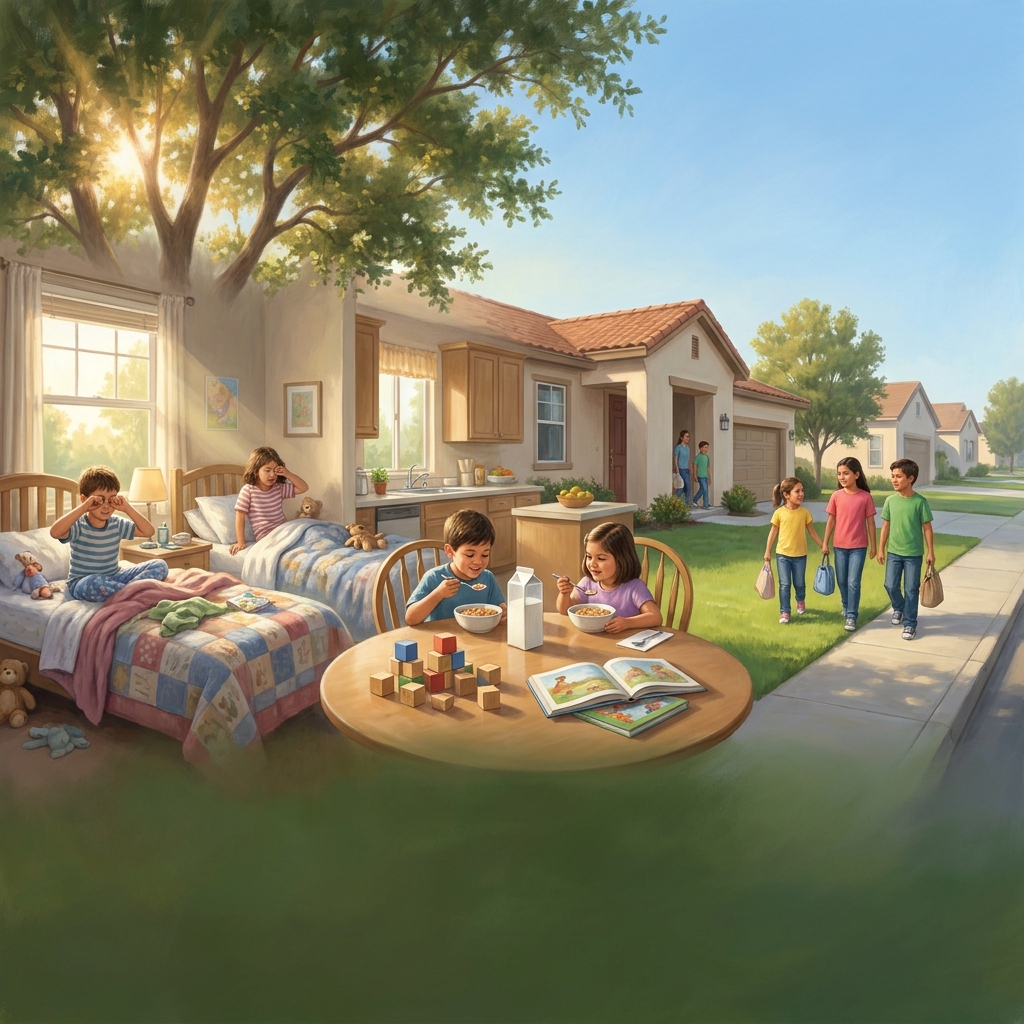
The material covers the core concept of chronological order, which the lesson defines as putting events in the sequence they happened, from the earliest to the latest. Students are introduced to two specific tools: a storyboard, which is a set of pictures that shows the steps of an event in order, and a timeline, which is a line that shows when different events happened over time. The worked example follows the experience of a student growing up, starting from their first day of kindergarten and moving toward their first day of first grade. This helps them see their own personal history in a tangible way. By working through a 2nd grade chronological order lesson, students learn that these steps are not just about personal memories but are the foundation for how we read the news or learn about history later on.
Meeting State Standards
This lesson directly addresses the California-adopted standard CA.HSS-2.1.3. This standard asks that students place important events in their lives in the order in which they occurred, using tools like a timeline or storyboard to prove they understand the sequence. This is the same standard expected of students across the state, whether they are in Clovis Unified, Orange Unified, Alisal Union School District, or Ceres Unified. The standard itself is part of a larger cluster that helps students differentiate between things that happened long ago and things that happened just yesterday. It is a vital step in their development as historical thinkers.

I have found this resource particularly useful for a few specific classroom scenarios. If you have a student who missed the week due to an absence, this is a clean way for them to catch up without you having to re-teach the entire sequence from scratch. It is also excellent for a substitute day when you want the class to remain on track with the state standards while you are away. Some teachers use it for independent study when a small group is ready to move ahead while others need more support with the basics.
One caveat is that while the digital format is great for independent work, you should still ensure your students have paper and markers on hand if they want to create their own physical timelines after finishing the digital exercise. The act of drawing the lines and placing the events manually really cements the concept for many children. It transforms the abstract idea of a sequence into a physical representation they can hold in their hands.
When we teach children to order their lives, we are really teaching them how to organize the world around them. It is one of those foundational skills that seems simple but pays off every time they have to analyze a cause and effect scenario in later grades. Getting this right now saves you a significant amount of time in third and fourth grade when the history lessons become much more complex and rely on these basic chronological skills.
Related lessons
From Farm to Table: How Food Gets to Us, Learning about the stages of food production and distribution

Where We Live in California, Studying local geography and our place in California
Making Choices When Resources Are Limited, Understanding how we make decisions when resources are scarce