

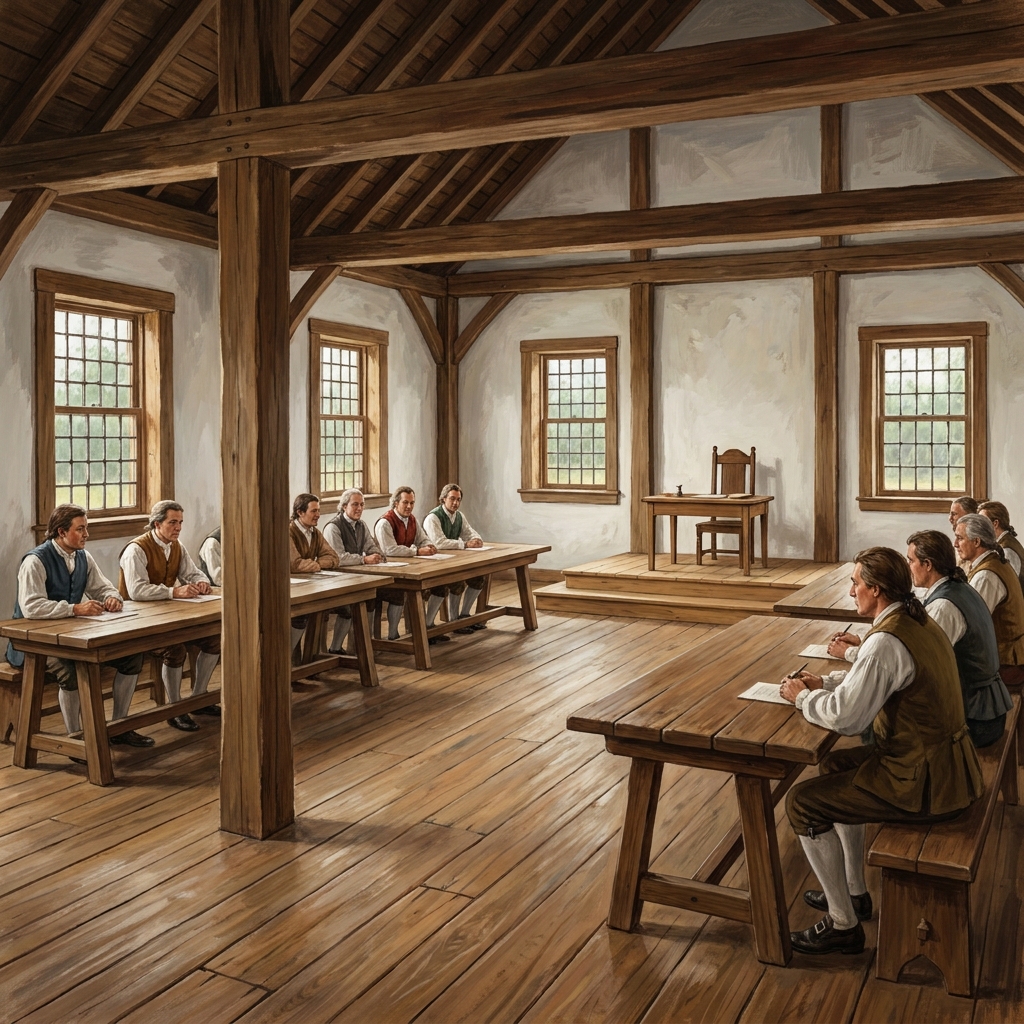
I was looking over the progress reports for students who need a bit more time with the founding era, and I keep coming back to the same realization. Sometimes, a full textbook chapter is just too much to assign when you are trying to help a student focus on a specific, dense concept like the transition from colonial status to statehood. If you are managing an independent study block or pulling a student for intervention, you might want to consider Foundations of American State Constitutions to bridge that gap.
What the lesson actually covers
This 8th grade social studies module runs about 45 minutes, which makes it a tidy choice for a make-up session or an intervention block. It narrows the focus down to how individual states organized their governments between 1777 and 1781. The content explains that states served as a laboratory of democracy where they tested different structures like separation of powers and unicameral legislatures. For instance, the lesson explains the Pennsylvania Constitution of 1776, which used a unicameral system to try and keep the government directly responsive to the people. This was a radical experiment in direct representation. It contrasts this with the Massachusetts Constitution of 1780, which favored a bicameral approach to create clear checks and balances, demonstrating a more conservative approach to governance. By the time students reach the guided practice section, they analyze the North Carolina Constitution of 1776, specifically looking at how a Declaration of Rights was used to protect citizen freedoms. This section of the lesson provides a granular look at how these early leaders were trying to define the relationship between the government and the governed before the national Constitution was even drafted. Students get to examine these original structures, which often reveals the specific motivations behind creating certain legislative checks.
Aligning with the California standards
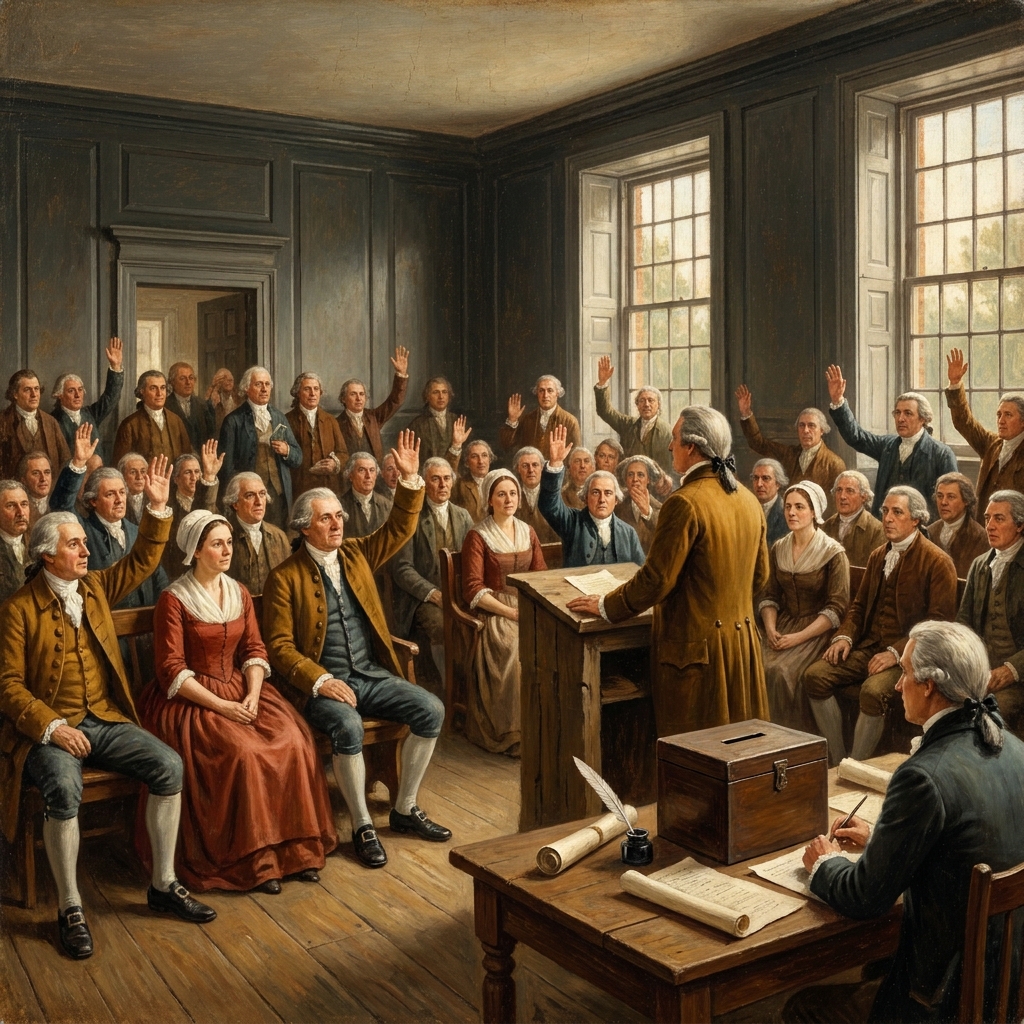
The core of this work is CA.HSS-8.3.1. This California-adopted standard requires students to analyze the specific principles and concepts codified in state constitutions that eventually created the context for our national political institutions. It is a tricky standard because it requires students to see beyond just the U.S. Constitution and recognize the state-level experimentation that preceded it. This is exactly what students are doing in classrooms across San Jose Unified, San Diego Unified, Greenfield Union School District, and Southern Kern Unified. When teachers present these early state structures alongside the later federal system, it helps clarify how the national framework relied on these earlier blueprints. Students learn to trace the evolution of governance from the state level to the national level, which is a requirement for mastering the standard. Assign this for an independent study credit or as an attendance recovery module that does not feel like busy work. The lesson hits the mark by connecting these early state structures to the later federal system, ensuring students have the foundational knowledge required for deeper historical analysis.
Vocabulary that matters
Students often trip over the terminology in this unit, so the lesson highlights a few key terms. It defines separation of powers as the division of government responsibilities into distinct branches to limit any one branch from exercising too much authority. It also covers popular sovereignty, which is the idea that government authority is created and sustained by the consent of its people. Finally, it distinguishes between unicameral, a system with only one legislative house, and bicameral, which uses two. Seeing these words applied to actual historical documents helps students move away from memorizing definitions and toward understanding how these concepts shaped the early state constitutionalism lesson. By reading these terms in the context of the Pennsylvania, Massachusetts, and North Carolina constitutions, students begin to see the practical application of political theory. This method turns abstract definitions into concrete examples of historical decision-making. Students who master these terms find it much easier to categorize the structures of various state governments, which prepares them for comparing those structures to the final national system that was eventually proposed and ratified.
Where students slip
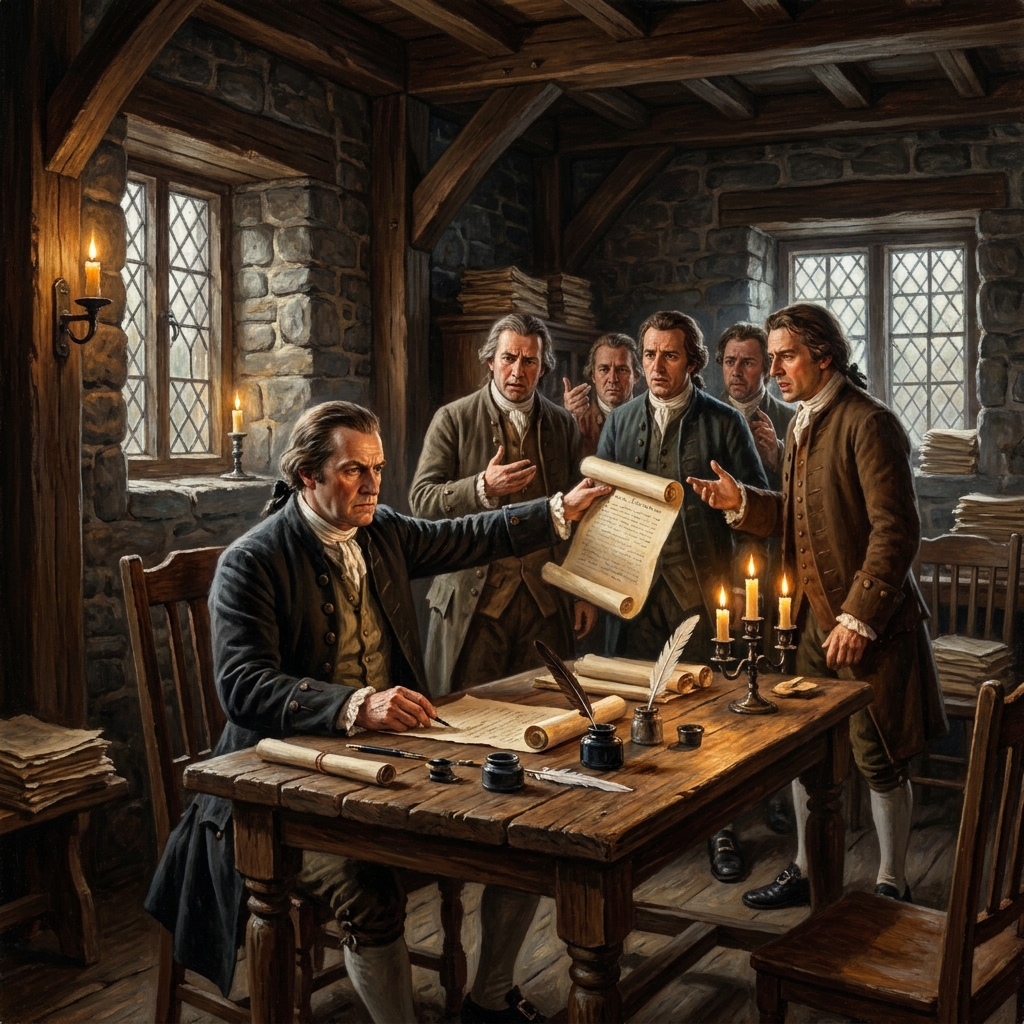
I usually see students get stuck when they assume that the U.S. Constitution appeared out of thin air. They often miss the fact that our federal system was basically a synthesis of what worked, and what didn’t, at the state level. The strength of this lesson is that it keeps the history grounded in the political institutions and structures that were actually tested in the states. If you are using this with a student who missed the week, it gives them enough context to understand why the Bill of Rights was necessary without overwhelming them with extra reading. It is a direct, clear path for a student to demonstrate they have mastered the material required by the standards. By reviewing how states approached power, students realize that the national Constitution was a negotiation of many state interests. This perspective shifts the learning from passive reading to active analysis of why those compromises were necessary in the first place. This makes the material accessible to students who might otherwise struggle with the complexity of the founding era.
Related lessons
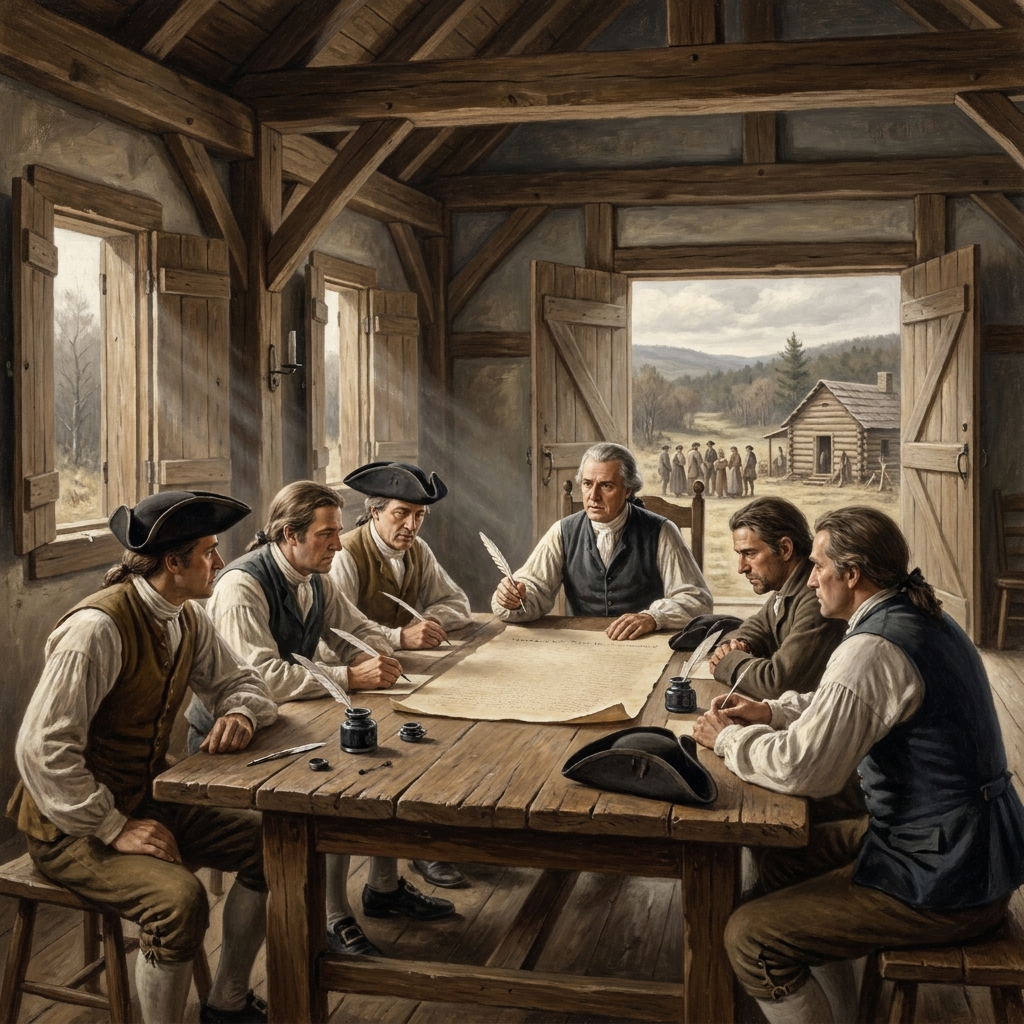
Founding a Nation: From Confederation to Constitution, Covers the transition from the Articles to the national Constitution
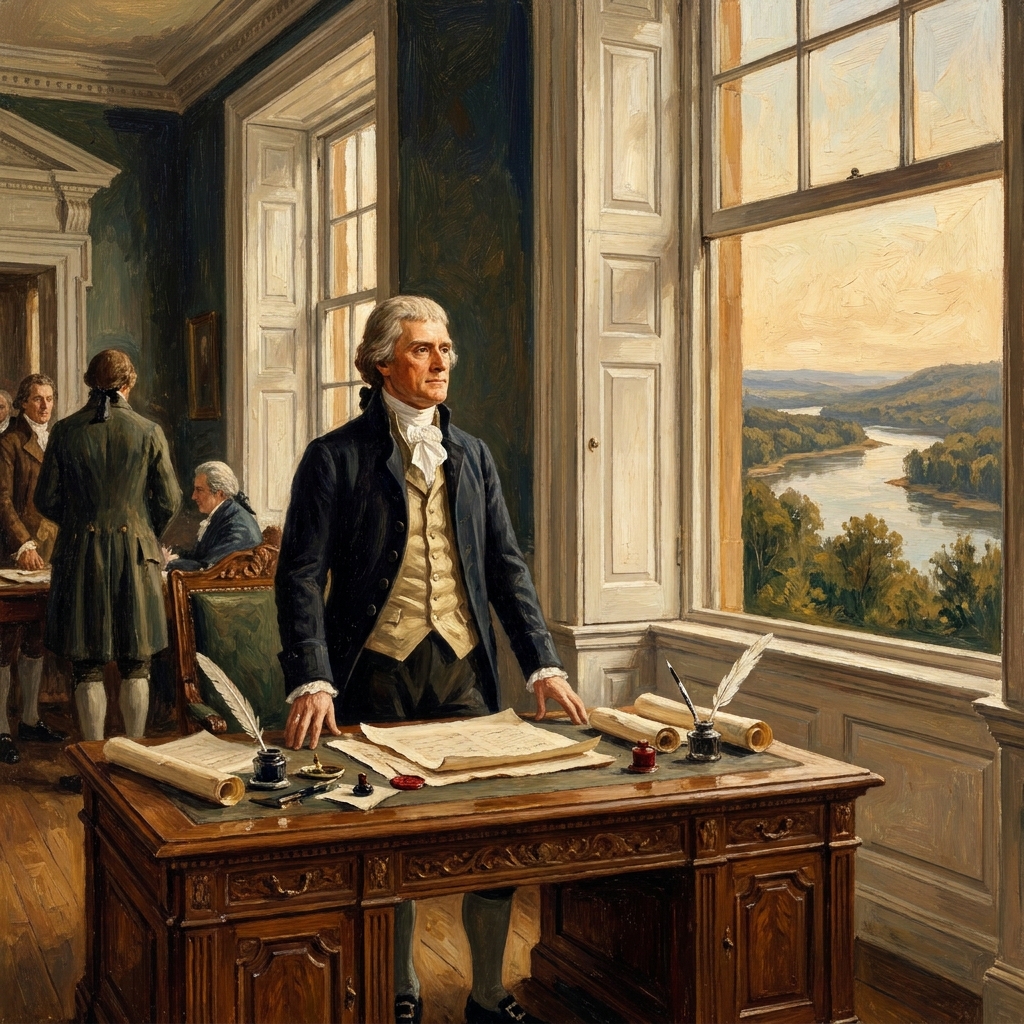
Growth and Change in the Early Republic, Discusses political and territorial expansion in the early United States
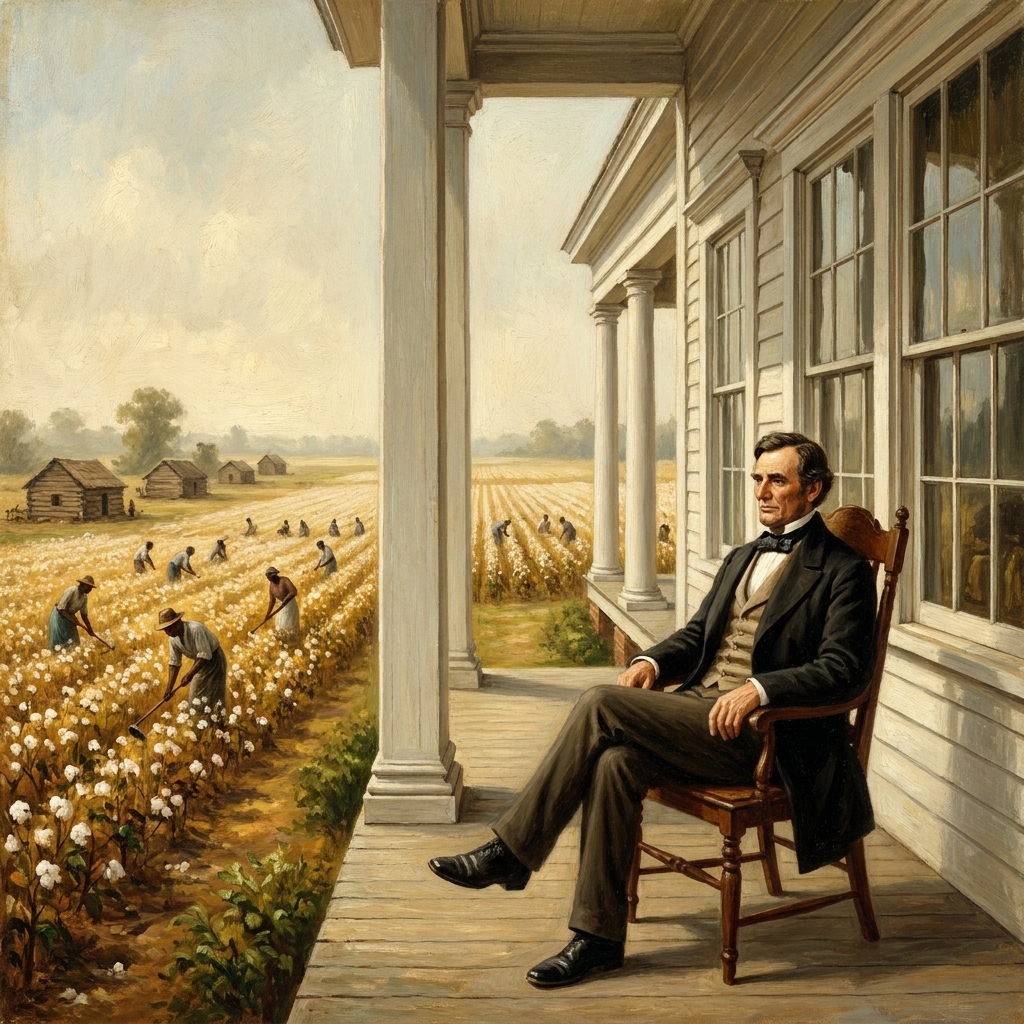
Society and Geography in the Antebellum South, Explores social structures and geography in the pre-Civil War South