

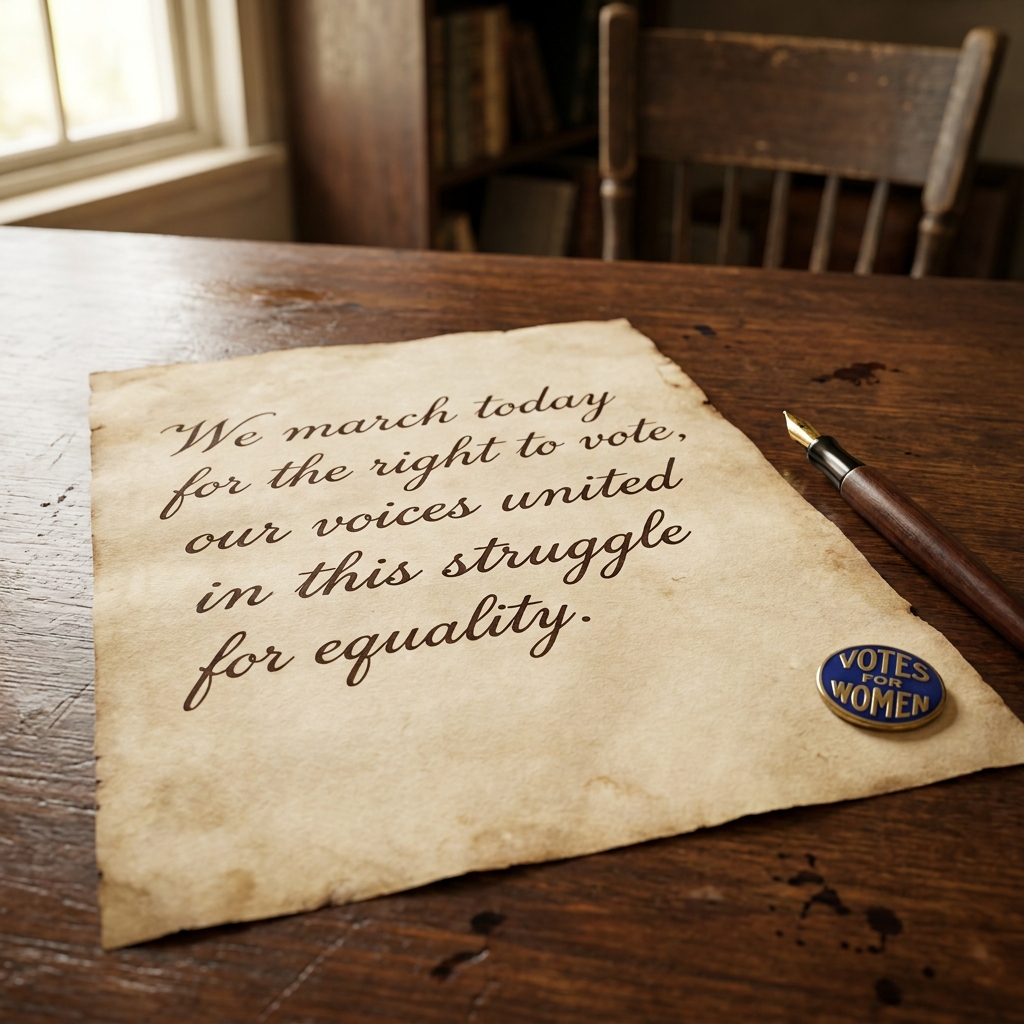
Teachers know that by 8th grade, students often think they understand the difference between a primary and secondary source because they have encountered these terms since elementary school. However, they frequently trip up as soon as the material gets nuanced. They see a picture or a document and assume that old equates to primary, often ignoring the context of the creator. The lesson Analyzing Primary and Secondary Sources arrives at just the right point in the middle school calendar to address this persistent confusion. It forces students to pause and evaluate the creator’s actual relationship to the event.
Making sense of the relationship between sources
This 8th grade English Language Arts lesson focuses on the California-adopted standard CA.ELA.RH.6-8.9, which asks students to analyze the relationship between a primary and secondary source on the same topic. The lesson defines a primary source as a document, image, or artifact created by someone who experienced an event directly at the time it occurred. A secondary source is defined as a work that interprets, analyzes, or summarizes historical events, written by someone who did not experience the event firsthand. These definitions are essential for students in Irvine Unified, Corona-Norco Unified, Konocti Unified, and Lowell Joint School District as they work to meet the same state expectations for literacy in history and social studies.
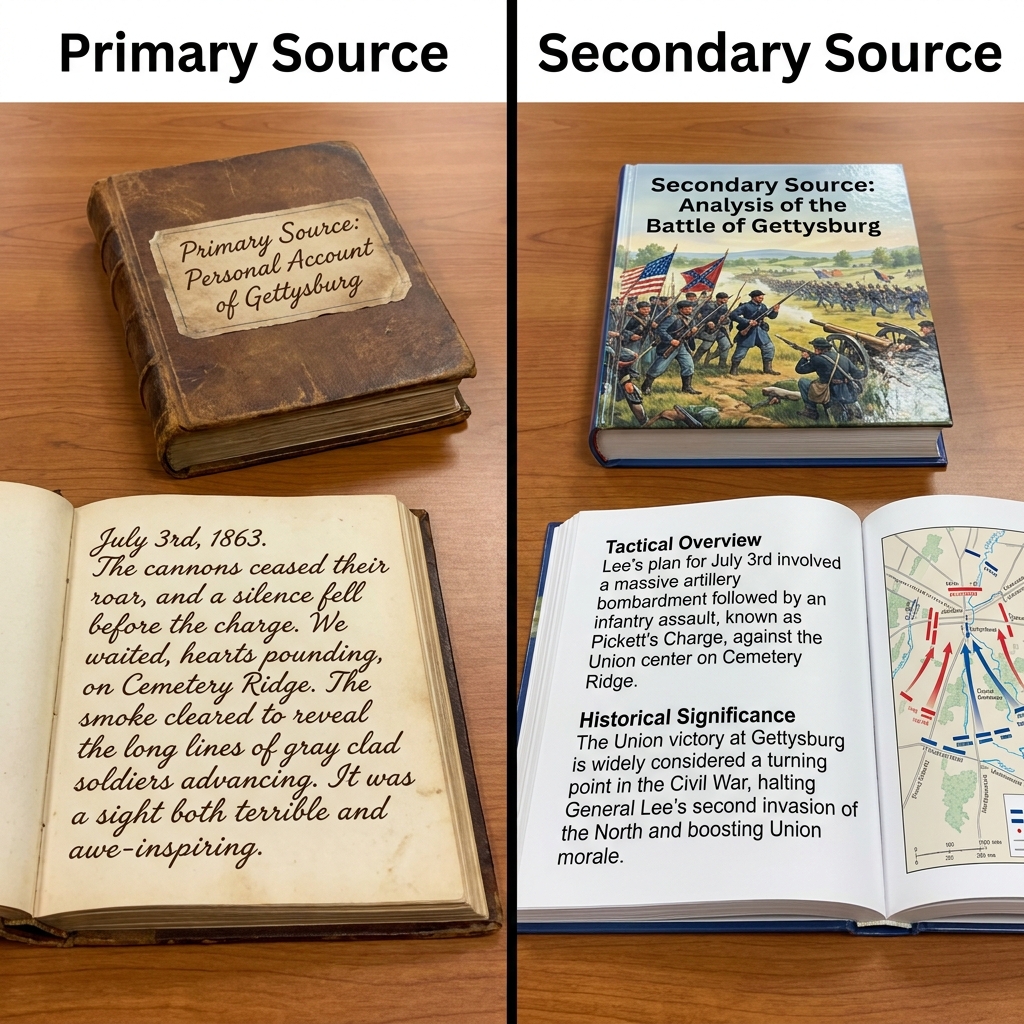
The lesson uses a specific scenario involving the Battle of Gettysburg to show how these sources inform a historical narrative. It includes a worked example featuring a letter from a suffragist in 1919. This document serves as a clear illustration of a primary source because the author provides a direct, personal account from the time of the struggle. By comparing such a document to a later analysis, students begin to see how different perspectives shape our understanding of the past.
Detecting bias before it takes hold
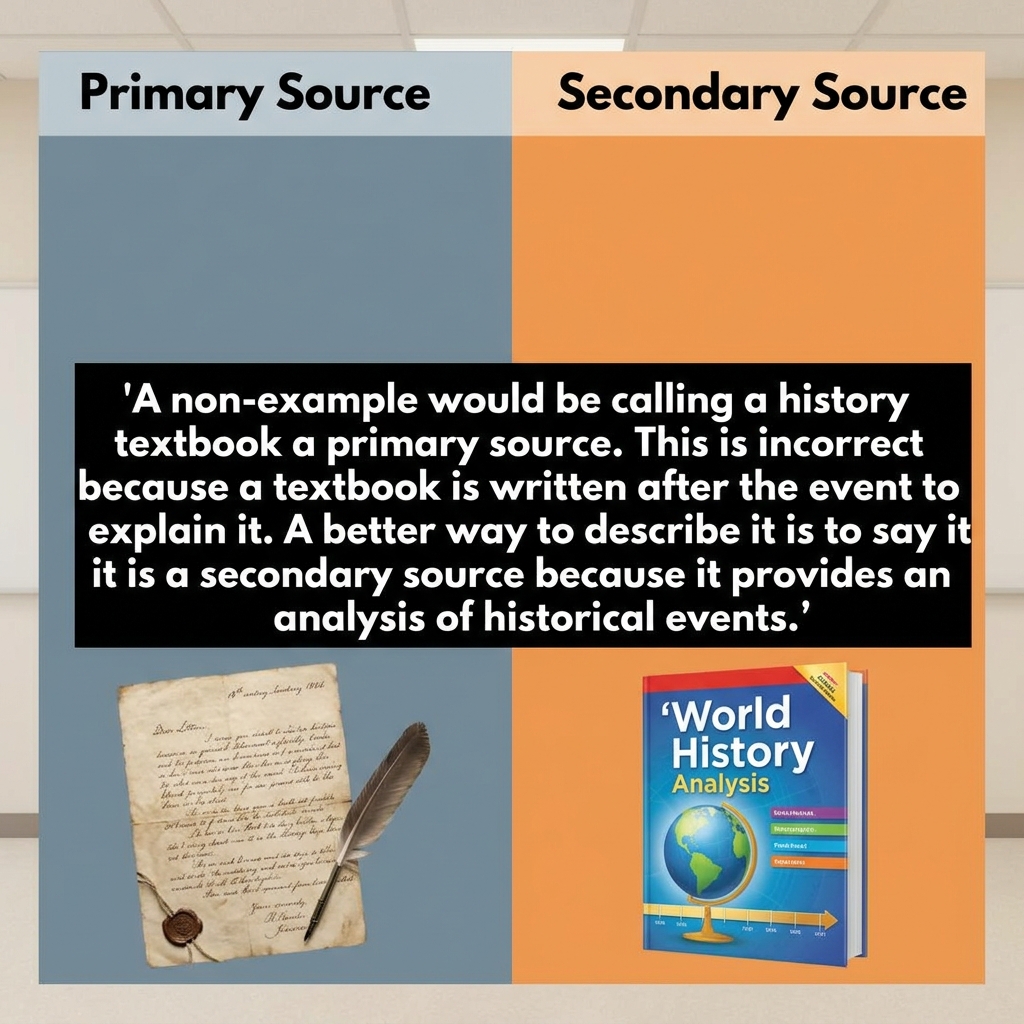
As students complete this primary and secondary source analysis lesson, they confront the concept of historical bias. The material describes this as a personal inclination or prejudice that influences how an author interprets or presents historical events. This part of the lesson explains that secondary sources are not inherently objective. Instead, students are encouraged to look for the primary sources cited by an author. This check helps students determine whether the author is telling the whole story or simply cherry-picking details to support a specific narrative. It is a necessary exercise for 8th graders who are starting to move beyond accepting a textbook as the final word on any historical event.
Applying the skill in the classroom
The lesson includes a guided practice section focused on the Age of Exploration, where students apply their knowledge to specific passages. This format makes the material flexible for different classroom needs. It works well as a whole-class assignment when you are preparing for a unit on historical investigation. It also serves as a strong intervention tool for a student who missed the week or needs additional practice with source evaluation. Because the lesson provides clear definitions and actionable steps, it is also a reliable choice for a substitute day when you need the class to maintain momentum with their literacy goals without requiring deep pre-teaching. The material encourages students to think like historians who use multiple types of evidence to build a complete picture of the past.
Related lessons
Distinguishing Central Ideas from Opinions, Teaches identifying objective facts versus subjective viewpoints in historical texts
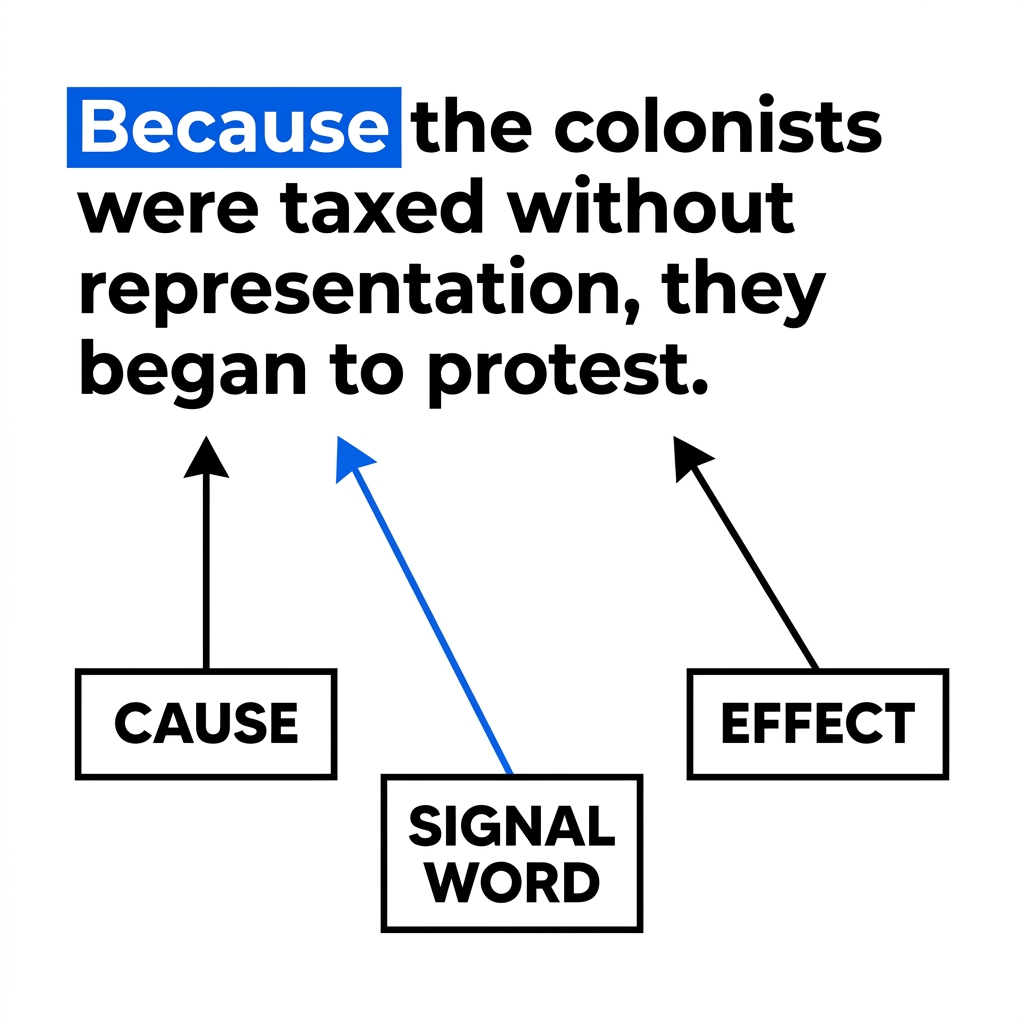
Analyzing Text Structure in History, Examines how historical writers organize information to present complex arguments
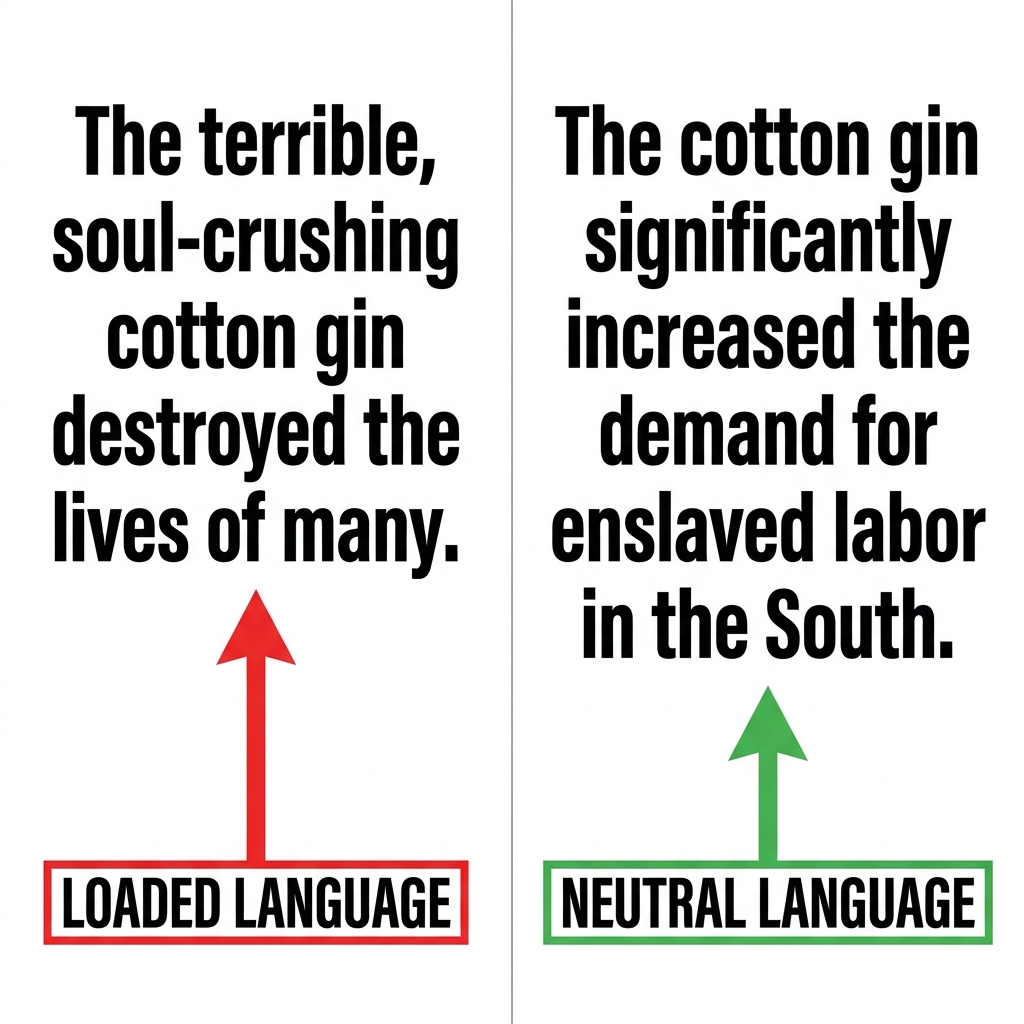
Analyzing Authorial Choices in Historical Texts, Covers how specific word choices impact the tone of history