

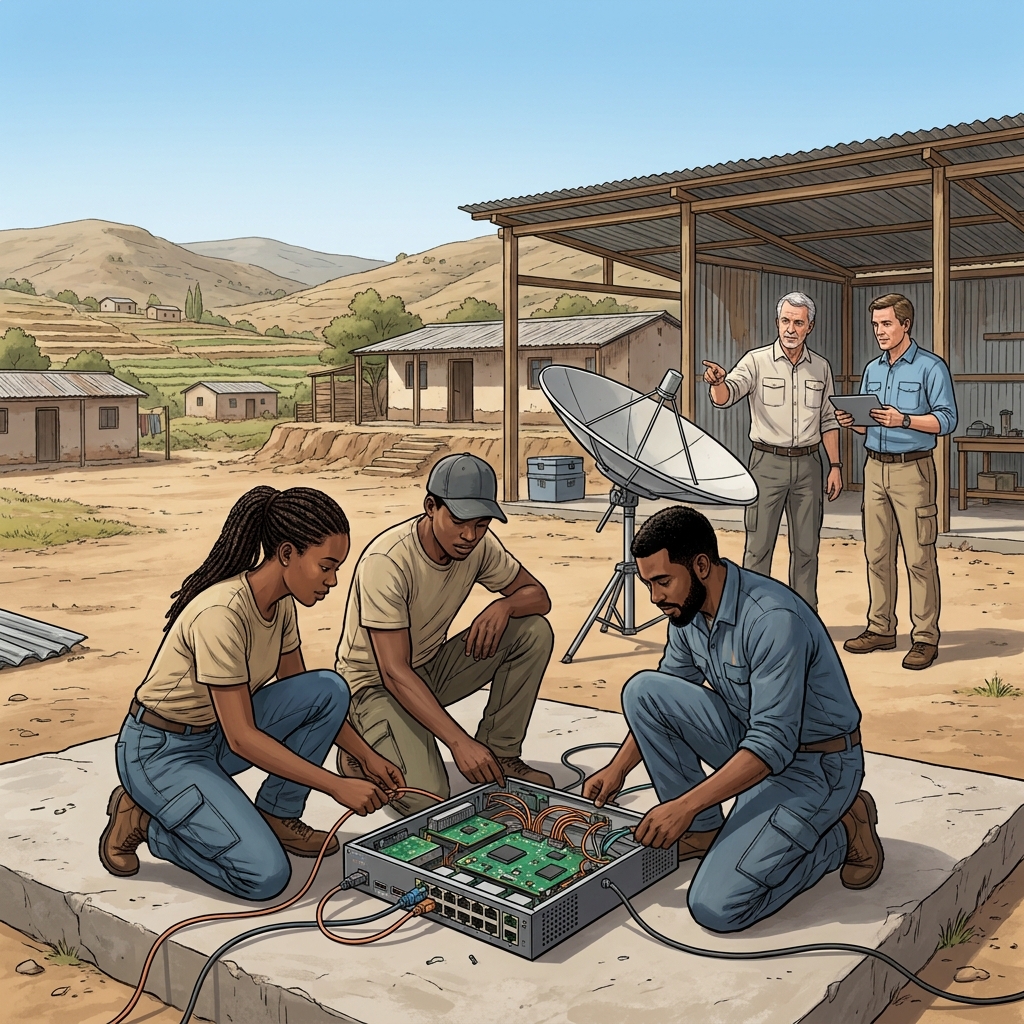
High school computer science instruction often reaches a moment where the focus shifts from writing code to understanding the real-world implications of technology. Educators need to address the human and ethical factors that dictate who gains access to digital tools. By using lessons like the one focused on Global Access and Computing Equity, students analyze these broader societal impacts.
Setting the stage for computing ethics
As we get further into our high school computer science courses, we inevitably hit that point where the code itself matters less than how it is used in the world. This is the right time to pull in Global Access and Computing Equity. It moves students past just writing functions and into the messy, human reality of who actually gets to hold the keyboard.
Dissecting the standard
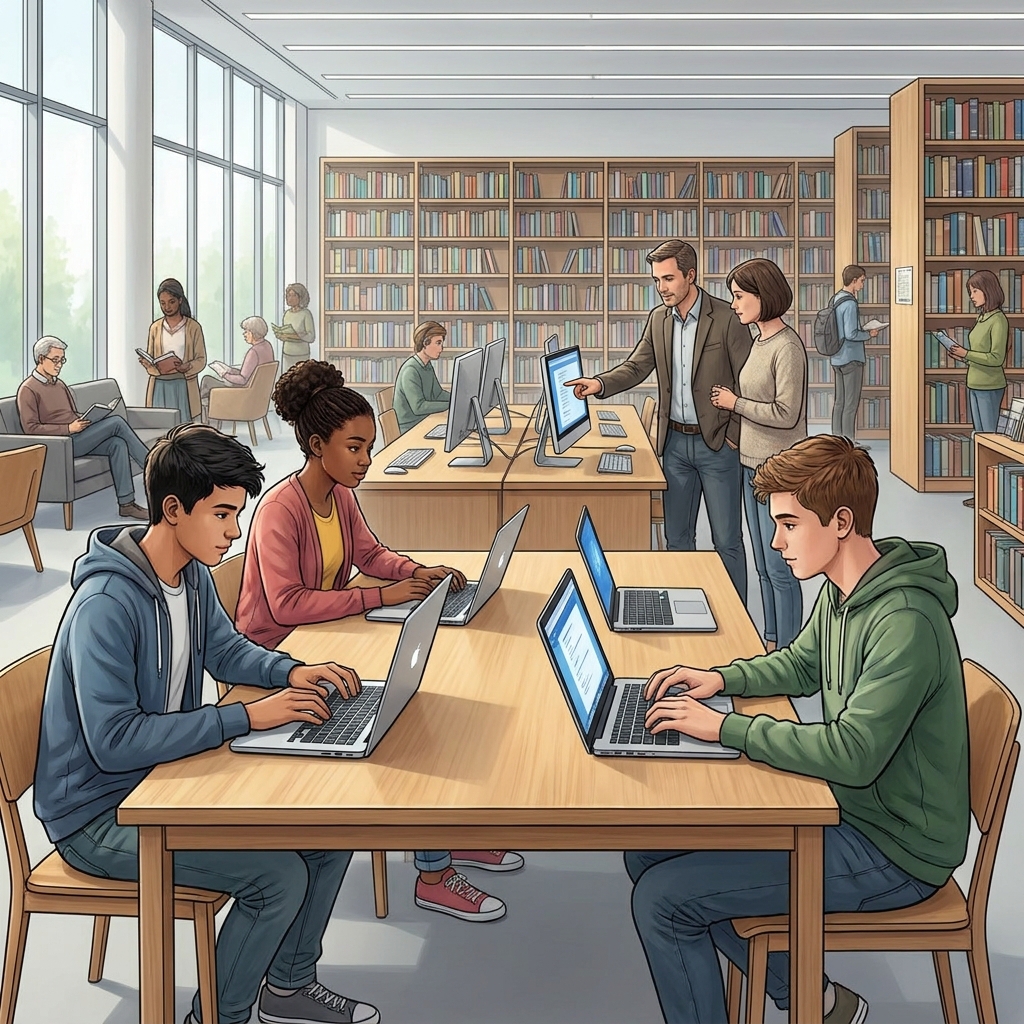
The core of this material is CA.CS.9-12S.IC.29, which is a California-adopted standard. It asks students to evaluate how equity, access, and influence shape the distribution of computing resources globally. When you break that down, it requires students to stop thinking about technology as a neutral object and start seeing it as a reflection of policy and power. They have to weigh how things like broadband access and local infrastructure decisions determine whether a student can participate in the digital economy or remains on the outside looking in.
This is the same standard taught in districts like Los Angeles Unified, Victor Valley Union High School District, Davis Joint Unified, and Alhambra Unified. Whether your classroom is in an urban center or a rural town, these students face the same questions about why some people have high-speed access while others struggle to connect. Students need to grasp that the digital divide is not just about having a laptop; it is about infrastructure like fiber cables, cell towers, and consistent electricity.
How the lesson builds critical thinking
The lesson starts with a grounded example of a school board having to choose between upgrading a central computer lab or funding home internet for students without access. This is a brilliant way to teach high school global access and computing equity because it makes the abstract notion of resource allocation immediately personal for a teenager. They learn about the Three A’s, Availability, Accessibility, and Affordability, as a way to categorize these barriers.

You will find that students respond well to the guided practice scenario. It asks them to evaluate a company building an AI data center in a town that lacks a stable power grid. They have to decide if the promised jobs outweigh the strain on local utilities. It forces them to look at tech through the eyes of a policy analyst. I find that this is where the real learning happens, as they have to justify their reasoning using the vocabulary of equity and infrastructure. It turns a standard, dry assignment into a debate about ethics.
Where students slip
If there is one thing to watch out for, it is the tendency for students to assume technology always equals progress. They might look at the data center example and only see the innovation, forgetting about the actual residents who lose out when the power goes to the servers instead of their homes. Push them to use the definition of digital divide as their lens. If they can articulate that specific gap, they are halfway to meeting the objective. This lesson is perfect for a whole-class assignment when you are covering the impacts of computing, but it also works well for a student who missed the week or needs an independent study unit that challenges their perspective on tech companies.
Related lessons

Evaluating the Impact of Computing, Students analyze how various technologies influence modern social and professional environments

Legal Frameworks and Software Development, Explores the intersection of copyright law and open source development practices

Impacts of Emerging Technologies, Examines potential consequences of new innovations on society and labor markets