

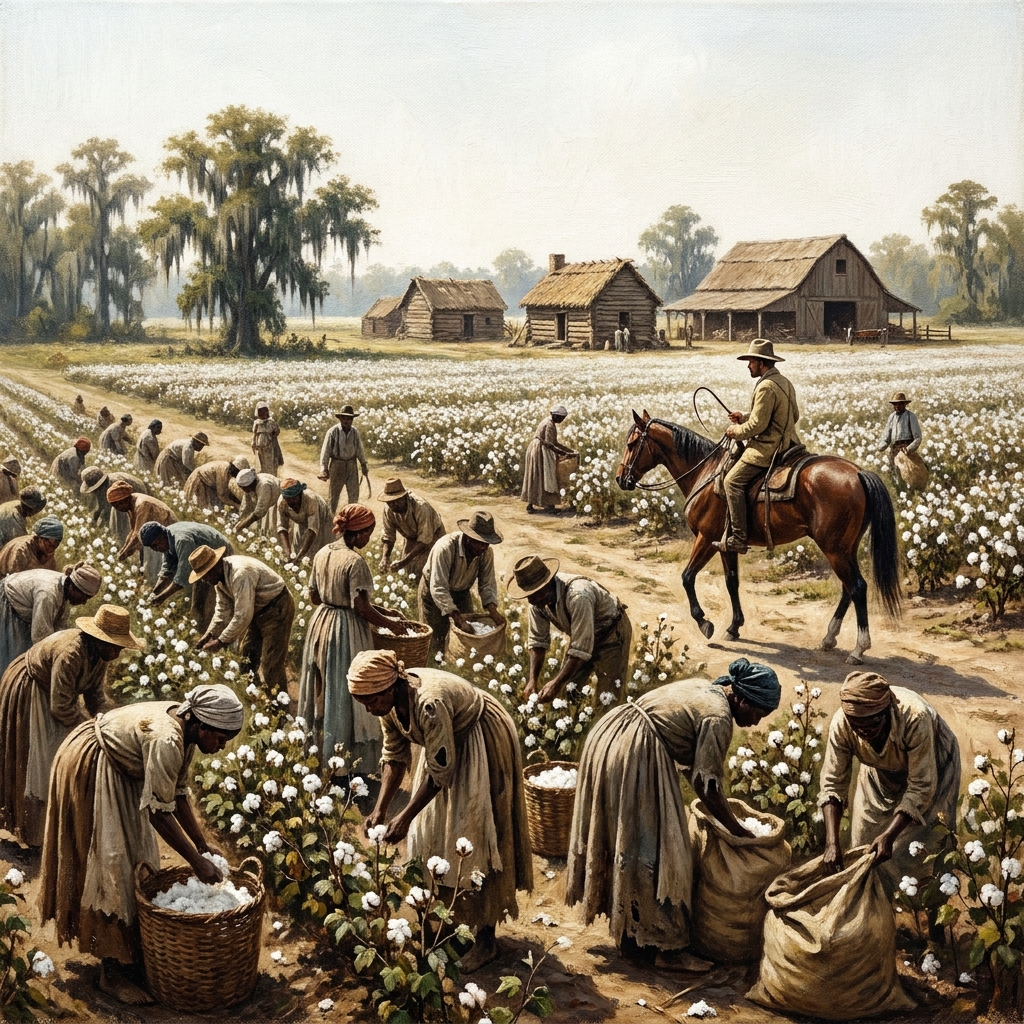
Trace the origins and development of slavery; its effects on black Americans and on the region’s political, social, religious, economic, and cultural development; and identify the strategies that were tried to both overturn and preserve it. That is a massive weight to place on an 8th grade history class. This standard asks students to look past simple dates and names to understand how a systemic, horrific practice took root and grew over time in our nation.
When you open The Growth and Conflict of Slavery in America, you get a clean, direct resource that helps your class make sense of these complex historical currents. This is the same standard taught in Torrance Unified, Tulare City School District, Redlands Unified, and Fowler Unified, so you are hitting the state requirement exactly where it counts for your students.
What the lesson actually asks students to do
Students start with the reality of 1619, looking at the first group of Africans arriving in Virginia. The lesson uses specific, clear scenarios to explain the system. It walks through a Mississippi cotton plantation to show what forced labor and lack of control looked like day to day. It defines the vocabulary your students need to understand this period, such as plantation, abolitionist, and dehumanization. If you are looking for an eighth grade slavery history lesson, this one avoids jargon and sticks to the core of the experience. It covers the Denmark Vesey conspiracy of 1822 to illustrate how resistance was met with systemic fear and state power before the planned uprising could even occur.
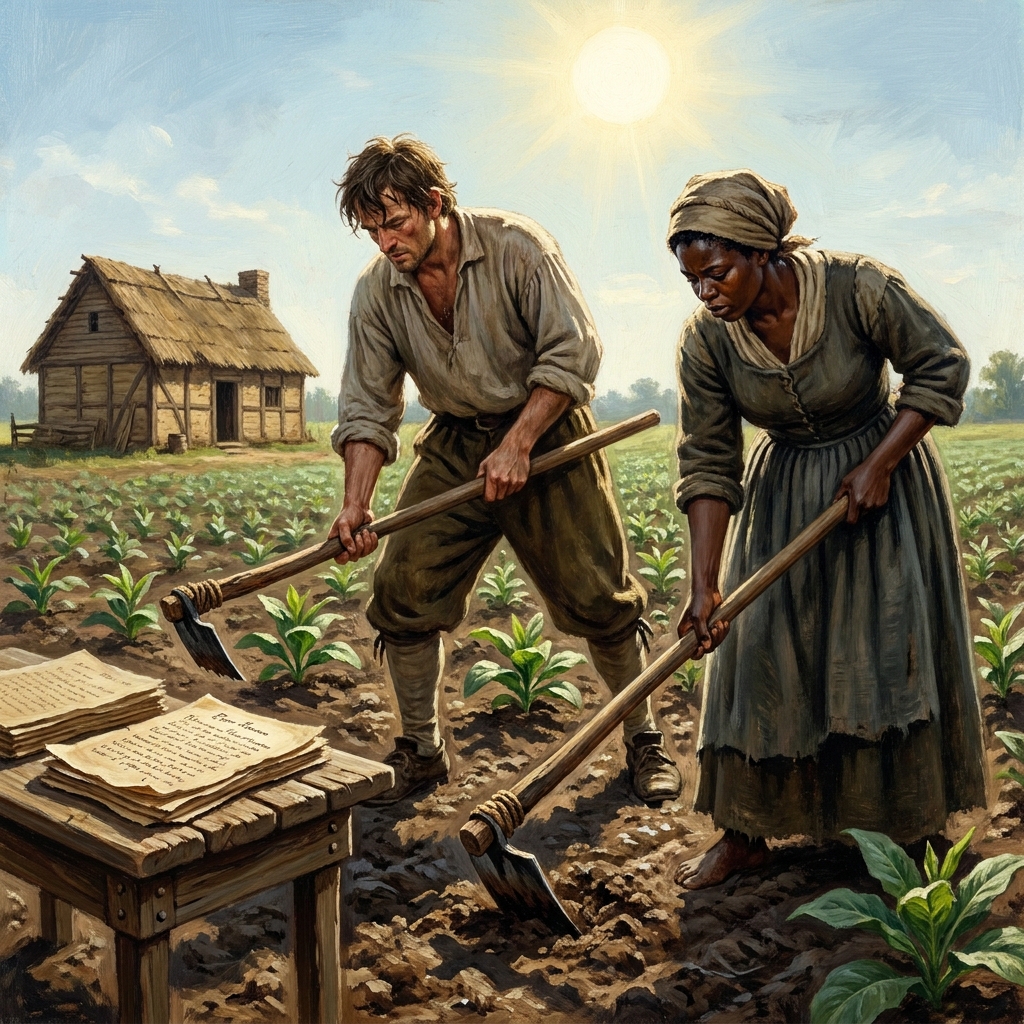
The lesson does a good job explaining why this matters. It links the past to the importance of civil rights today. By looking at how laws and social systems were designed to control people, students gain a better grasp of why the work to ensure freedom and rights is ongoing. It is a sobering look at history, but one that is necessary for any student in eighth grade social studies.
Where students slip
The biggest hurdle for students is the concept of Slave Codes. It is easy for them to think of these as just old documents, but they were tools used to strip away human qualities to protect an economic engine. Teaching CA.HSS-8.7.2 is not just about memorizing a timeline. It is about helping students realize that these laws functioned as a mechanism of control. One limitation here is that forty-five minutes is tight for such a heavy subject. I suggest using this for a whole-class assignment to kick off your unit, or holding it back for a student who missed the week so they can catch up on the narrative without needing a giant textbook. It also works well for a substitute day because the structure is simple and the definitions are right there on the page for students to use.
Related lessons
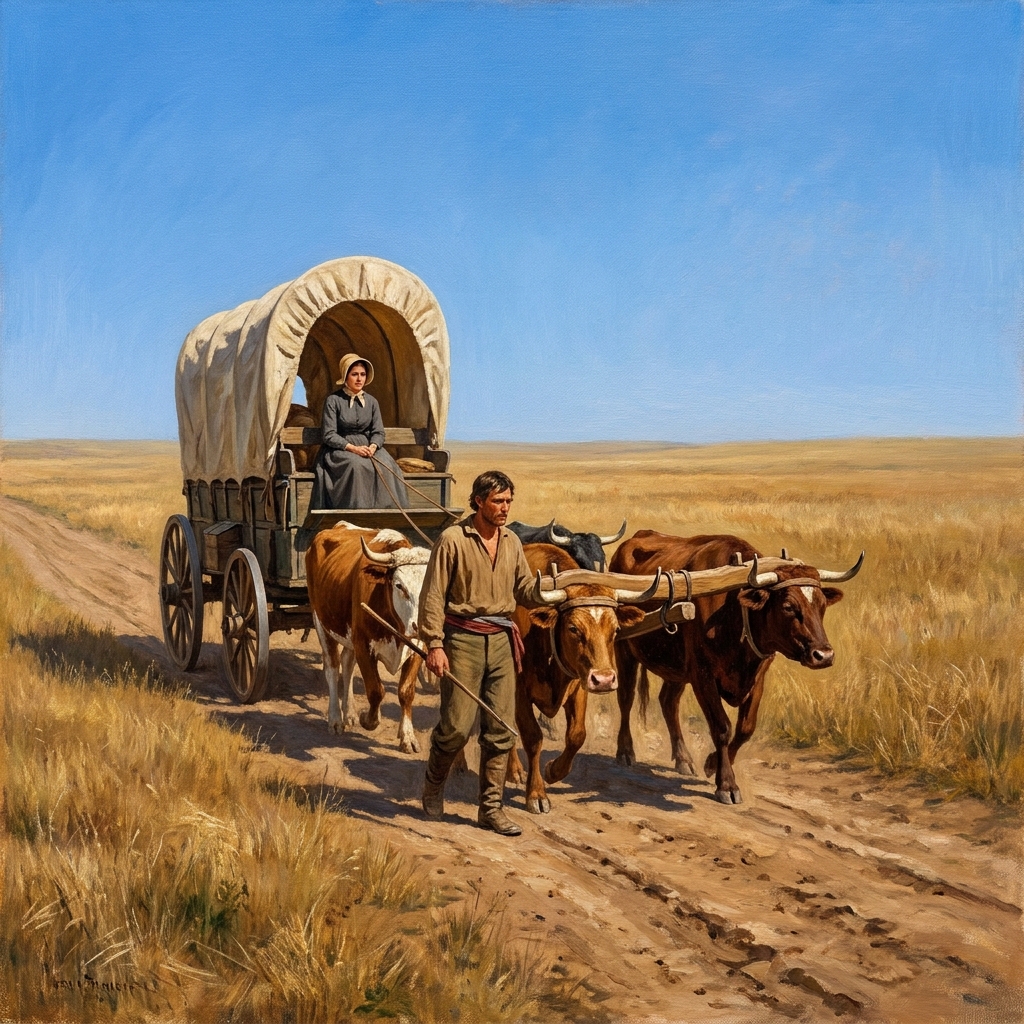
Westward Expansion and Manifest Destiny, Covers movement across the continent and the impact on territories
The U.S. Constitution: Powers and Liberties, Explains foundational government powers and individual citizen rights
The American Civil War: A Nation Transformed, Analyzes the conflict and changes across the divided nation