

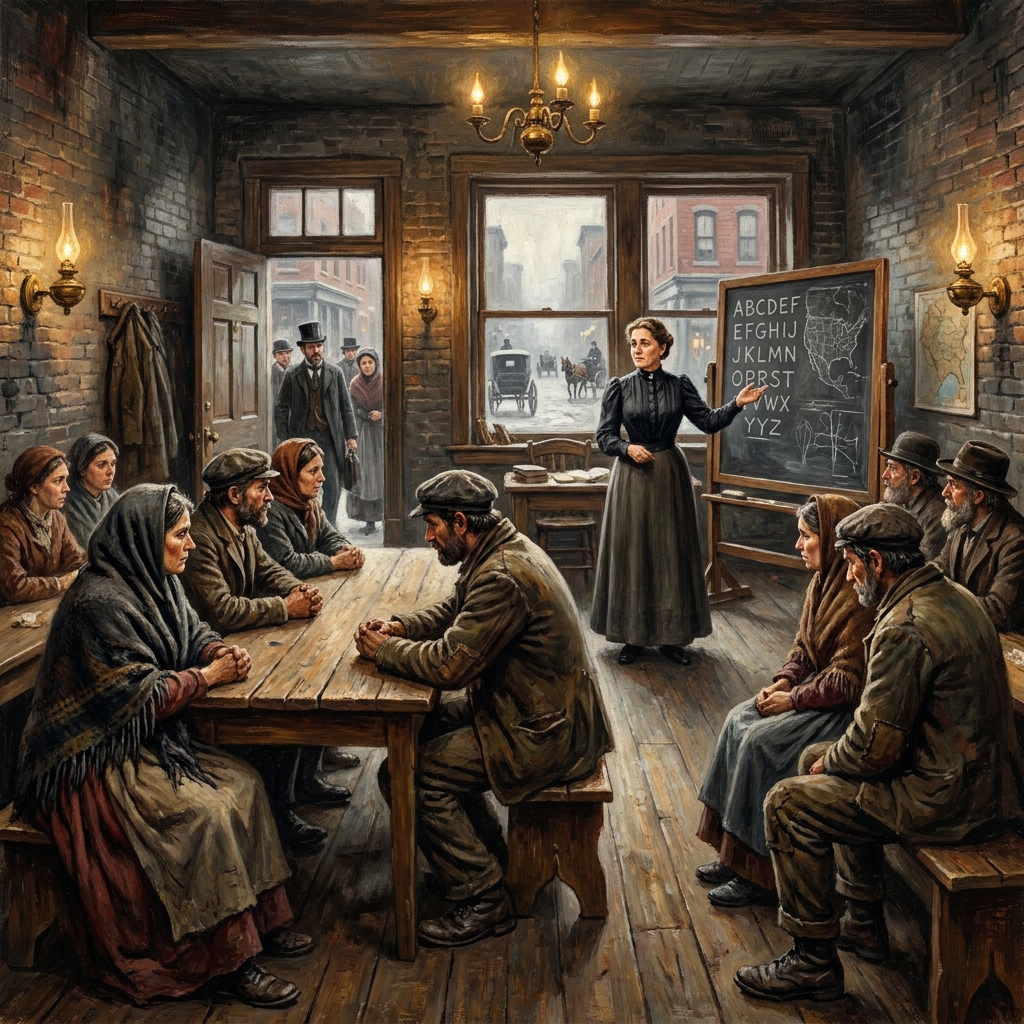
Eighth grade social studies students often grapple with the complex transition of American society during the late nineteenth century. Understanding the shifting demographics and social pressures of this period requires a clear look at how immigration patterns changed and how nativism responded to these new arrivals. The lesson Immigration and the Growth of America provides a structured approach for classroom study.
What students often overlook in this unit
Students often mistake assimilation for a simple choice to change, rather than a complicated social process that defined the late nineteenth century. In my experience with eighth grade social studies, this is where the conversation usually gets messy. The lesson Immigration and the Growth of America helps clarify this by showing how immigrants were pushed and pulled toward mainstream society while facing new waves of nativism. It is helpful to remind your students that the tension between welcoming new arrivals and fearing change has deep roots in our history.
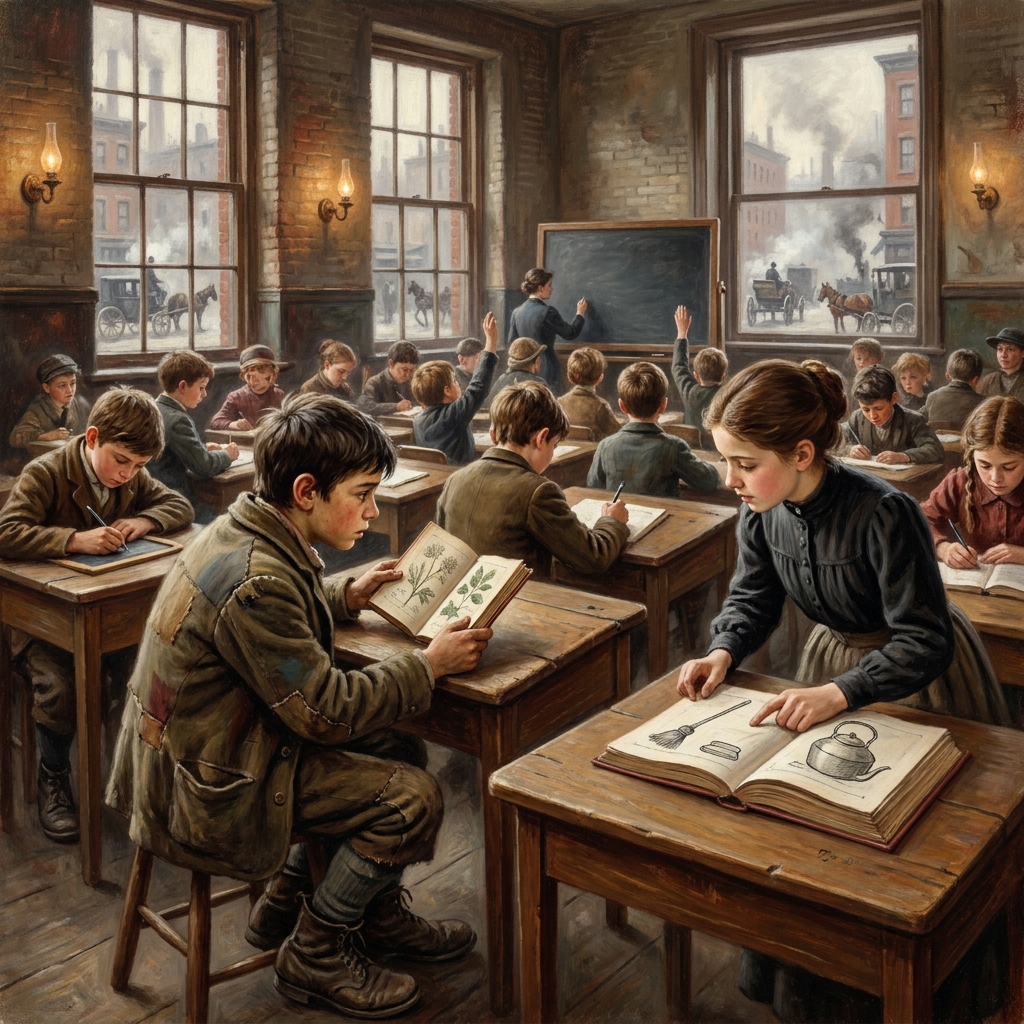
You will cover the core concepts of assimilation, nativism, and the role of the tenement in city life. The materials lay out a clear shift in demographics: before 1880, arrivals were mostly from Northern and Western Europe, but by 1900, the focus moved toward Southern and Eastern Europe. Your students will see how Jane Addams used Hull House in Chicago to provide instruction in English and history, showing one specific way newcomers entered the mainstream. Teachers in Fontana Unified, Corona-Norco Unified, Downey Unified, and Yreka Union Elementary School District all work through these same historical narratives with their classes.
Connecting history to the standards
The lesson is built to meet CA.HSS-8.12.7, which asks students to analyze the sources of large-scale immigration and how those groups contributed to the American economy and city growth. The standard also requires explaining the social pressures toward assimilation and the resulting rise of nativism. It is a dense set of requirements, but the lesson breaks it down into a manageable 45-minute flow. By addressing this standard, your class identifies the new sources of immigration and recognizes how specific social patterns encouraged newcomers to adapt.
When you are looking for an effective 8th grade immigration history lesson, this one stands out because it avoids dry lists. Instead, it uses concrete definitions. Nativism is defined as a belief favoring the native-born over immigrants, which often resulted in opposition to new arrivals. Assimilation is explained as the process where newcomers take on the language and customs of the new country to blend into the mainstream. Using these definitions, students can look at the historical evidence and understand why these social dynamics shifted as cities grew during the Industrial Revolution.
Where the lesson fits in your schedule
This is a solid choice for a whole-class assignment or for a student who missed the week and needs to catch up on the economic and social unit. It also works well for a day when you have a substitute, as the narrative is self-contained. The guided practice asks students to imagine a family arriving in the 1890s and enrolling their children in public schools to fit in. This prompt is great because it makes an abstract historical concept feel human. Watch for students who simplify the experience; nudge them to consider why a family might want to assimilate and what they might have to give up to do so.
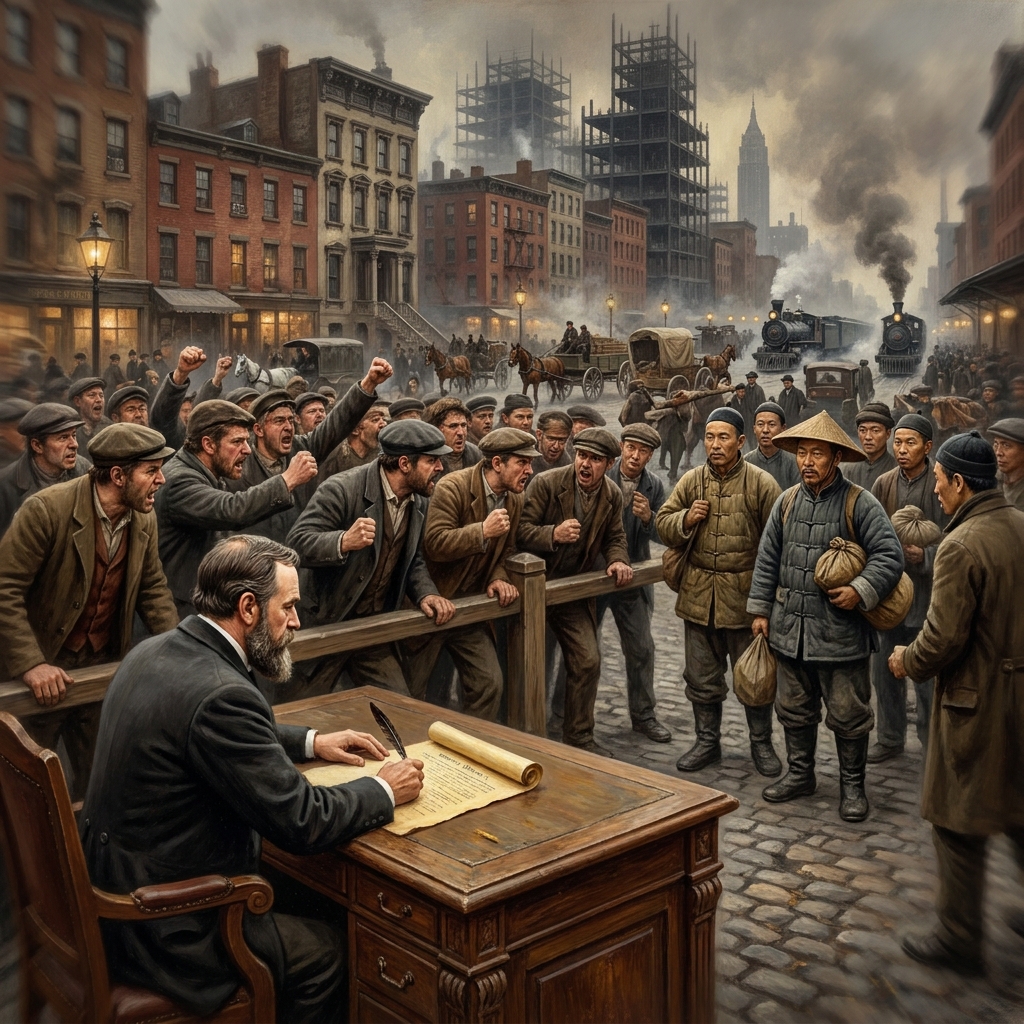
Keep an eye on the timing. Since it runs about 45 minutes, it moves quickly through the transition from Northern European patterns to the later arrivals from Russia, Poland, and Italy. If your students are anything like mine, they will have plenty of questions about why nativism grew so rapidly in response to these changing populations. Use that interest to pull them back into the text. They need to see that these aren’t just names in a book, but reflections of real tensions that shaped our modern cities and economic systems.
Related lessons
Religious Freedom and the First Amendment, Discusses historical debates surrounding religion and constitutional protection
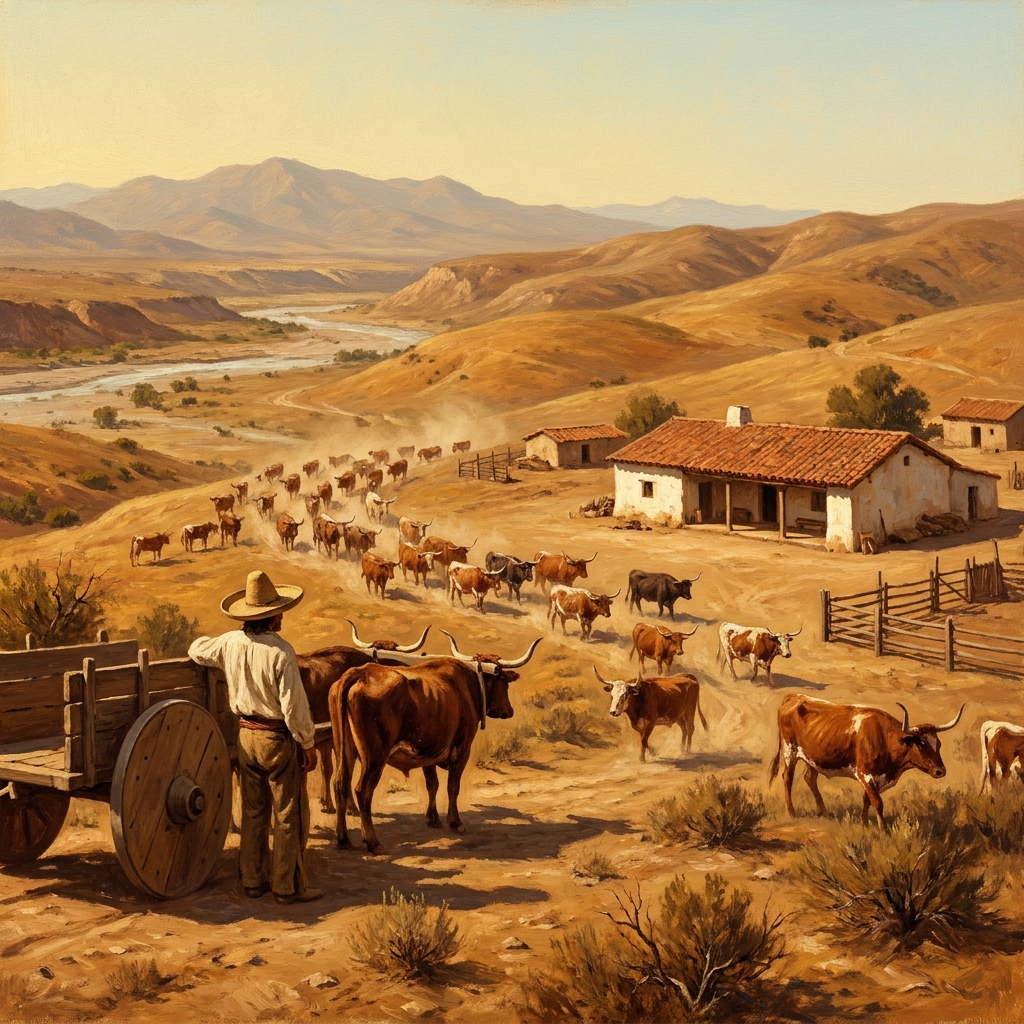
Life and Land in Mexican Alta California, Examines daily life and territorial changes in early California

The American Revolution and the World, Looks at global influences on the American colonial fight