

The California-adopted standard CA.HSS-8.6.5 asks students to trace the development of the American education system from its earliest roots, including the roles of religious and private schools and Horace Mann’s campaign for free public education and its assimilating role in American culture. This is the same standard taught in districts like Fontana Unified, Oakland Unified, Westside Union Elementary School District, and McFarland Unified. When we look at this standard, we are really asking students to consider why a government would decide that universal literacy is a requirement for a functioning democracy. It forces students to look past their own modern experience of school to a time when that experience did not exist for everyone.
The Growth of American Public Education is an 8th grade US History lesson that does a nice job of laying out that transition. The lesson moves through the timeline of the 1800s, explaining how we went from localized, private, and often informal arrangements to the systematic structures that define our current approach. It is about 45 minutes long, which makes it a solid choice for a substitute day or an independent study session for a student who missed the week of instruction on the antebellum period.
What the lesson actually asks students to do
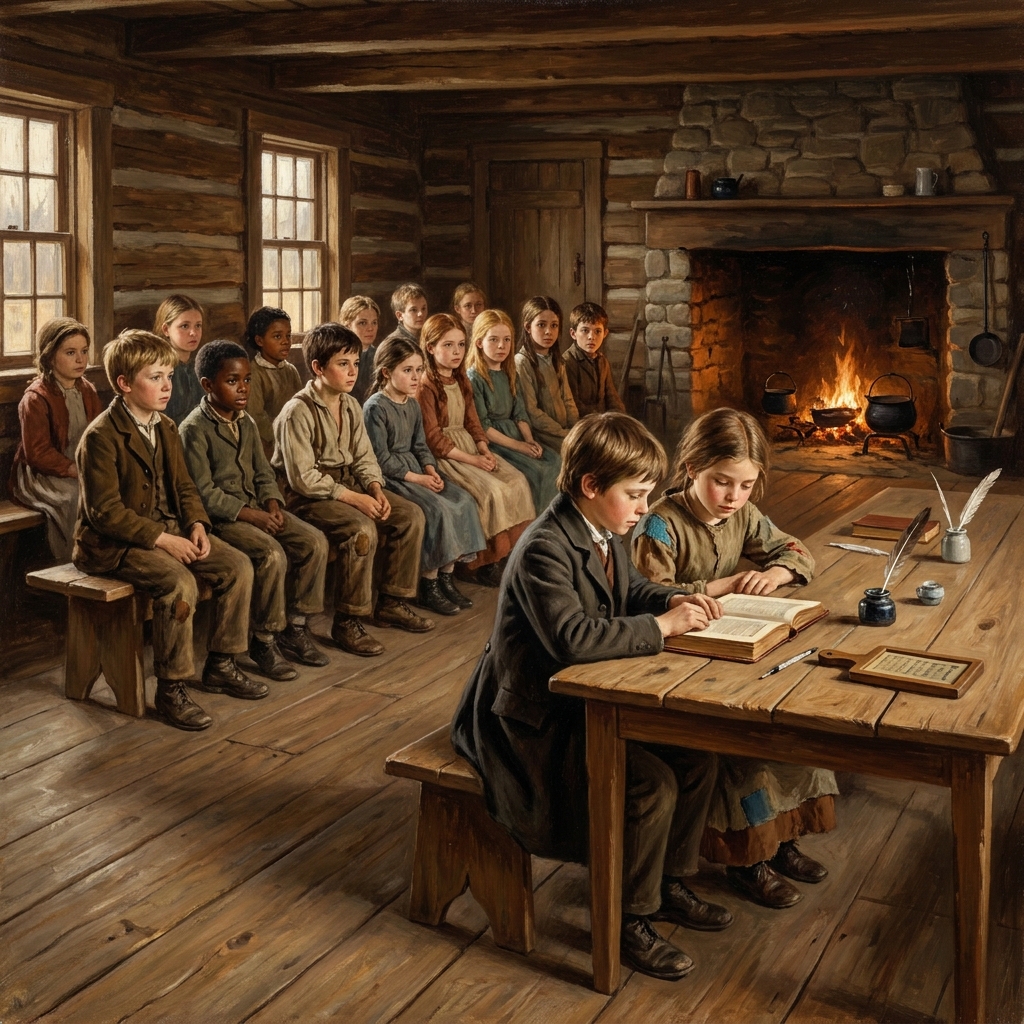
The lesson begins by grounding the student in the colonial era. It uses the concept of a dame school to show that, historically, education was private and local. A dame school was a small, private school run by a woman in her own home where children learned basic reading and religious lessons. These were not free, and parents paid a small fee, which naturally limited access to families with disposable income. This is a great contrast to the goal of the common school, which the lesson defines as a public school that students from all social and economic backgrounds attend together to learn a shared curriculum.

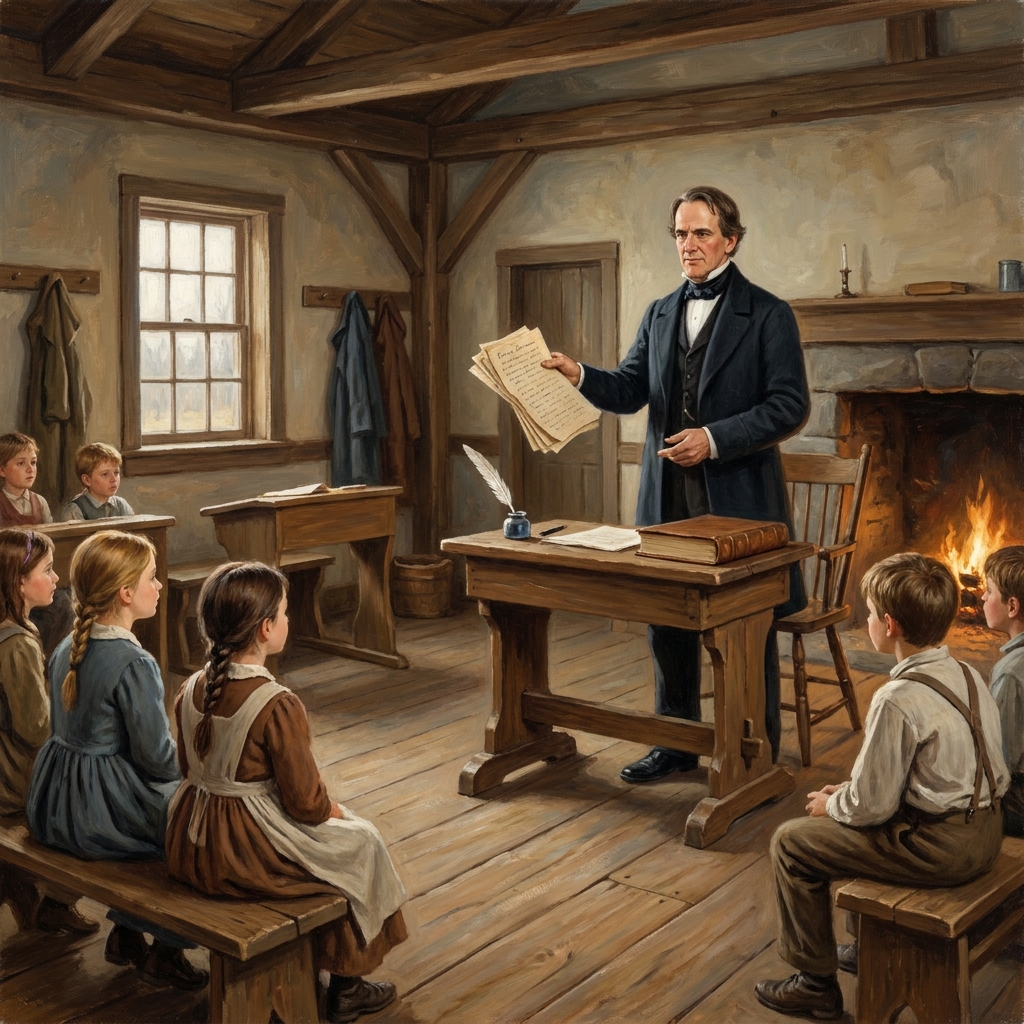
Students then move into the work of Horace Mann. The lesson presents a specific scenario where Mann wrote reports that advocated for better teacher training. He believed that if teachers were better prepared, they could teach more effectively. This was a key part of his campaign to improve the quality of education for all children. The material mentions the McGuffey Reader, which was a popular 19th-century textbook used in schools to teach reading, moral lessons, and American cultural norms. This allows for a discussion on what assimilation meant during that era. Assimilation is the process of teaching people to adopt the customs, language, and cultural values of the society they live in. It is a dense topic, but the guided practice section helps by having students imagine a town that decides to change its education system by moving from a church-run school to a new public school board that manages a common school.
Using the lesson in your classroom
If you are looking for an eighth grade public education history lesson that is direct and uses strong primary definitions, this is a good fit. I appreciate that it does not waste time with fluff. It asks students to grapple with the why-it-matters statement: universal literacy is essential for a democracy. When everyone can read and write, they can participate in government, understand the news, and make informed decisions. This is why public schools were so important for the future of the United States. It helps students see that public school is not just a place to go because you are told to, but a tool that was built to make sure the country could hold together as a republic.
You can use this lesson as a whole-class assignment when you reach the section on the mid-1800s. It also works as an intervention activity for those who need to revisit the changing environment of American society. The vocabulary is specific and focused. I find that when students understand terms like dame school and common school, they have a better time explaining why the changes in the 1800s felt so dramatic to the people living through them. You can find all the resources at CA.HSS-8.6.5 if you want to verify the alignment with your existing unit plan. Just watch for students who might get caught up in the idea that these schools were perfect right away, because they certainly had their own flaws and exclusions that the lesson invites you to talk about.
Related lessons
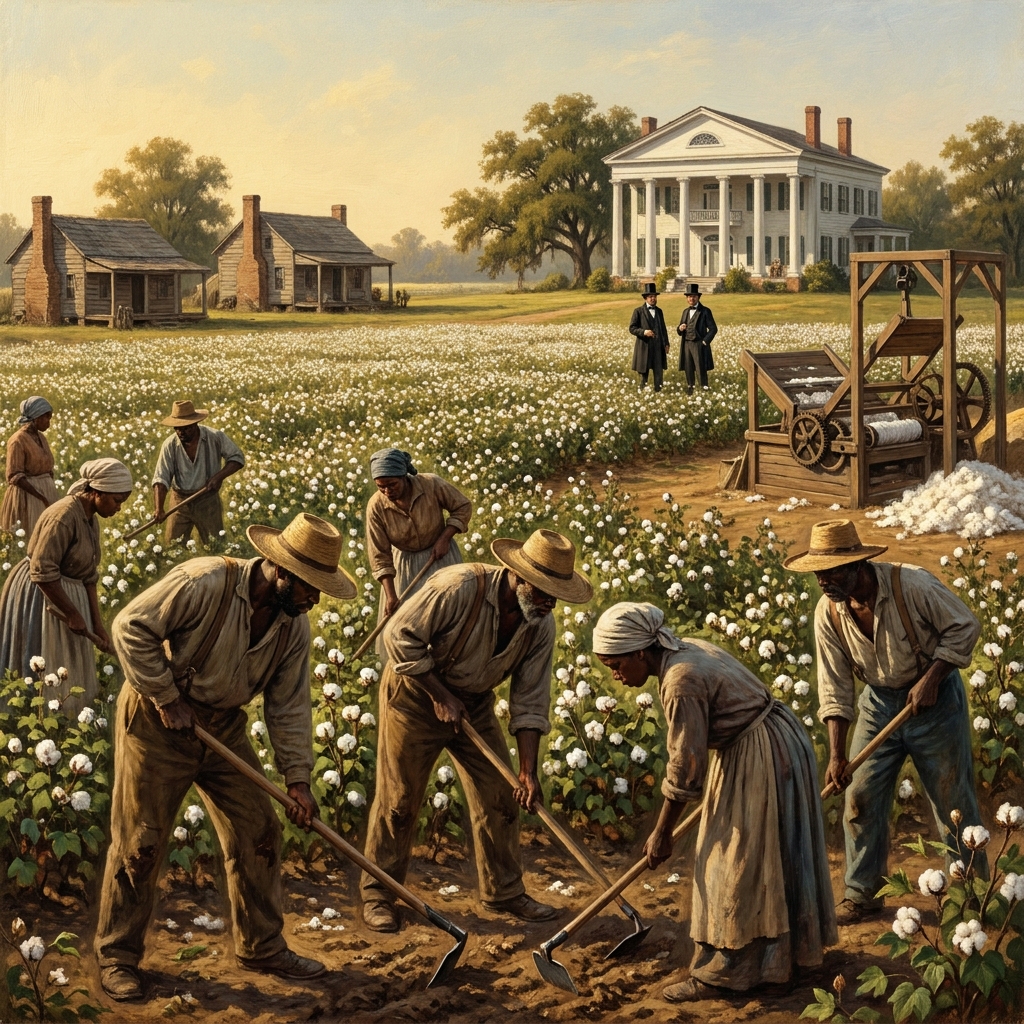
Growth and Conflict in the Antebellum South, Covers economic and social shifts in the pre-Civil War South
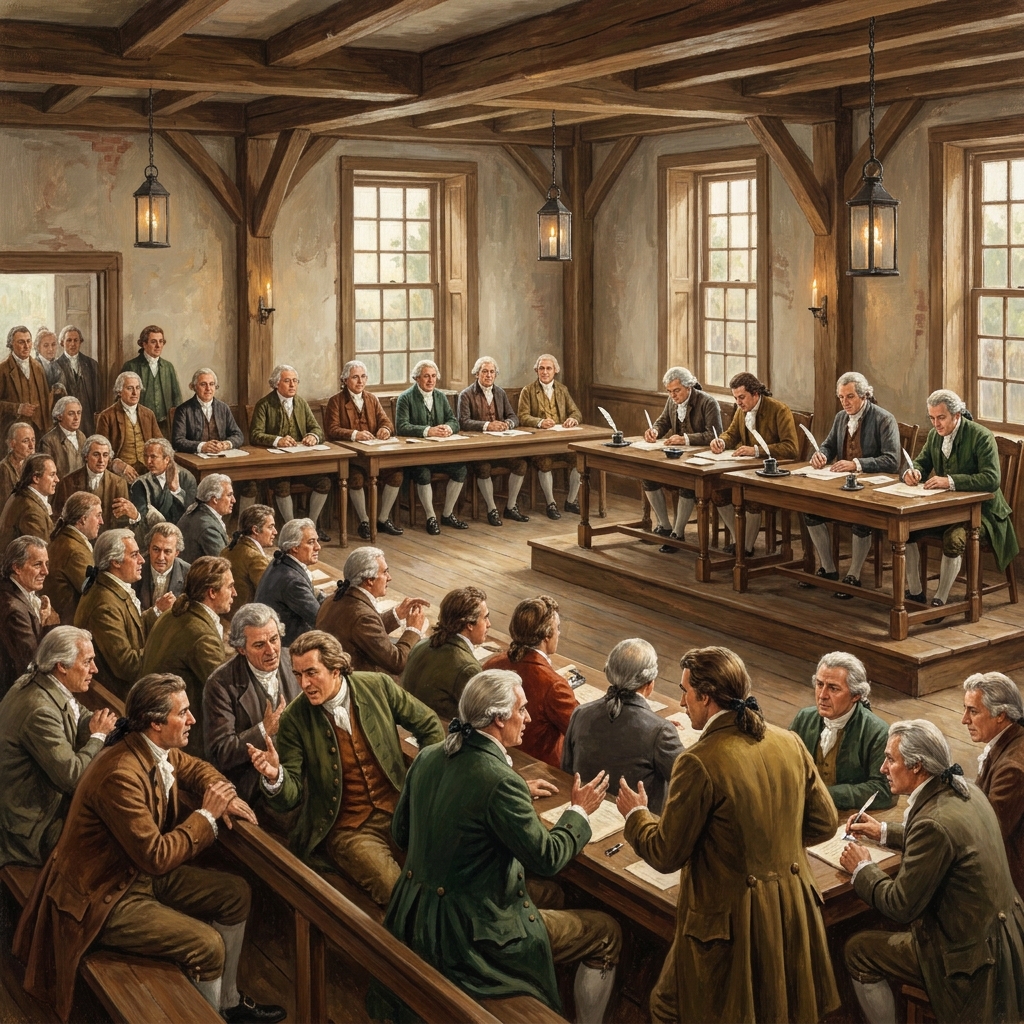
Building a Nation: Compromise and the Constitution, Details the early development and legislative challenges of the nation
Turning Points of the American Civil War, Analyzes specific military and political moments of the conflict