

If we want students to really grasp the mechanics of decimal math later on, the foundation we build right now in 4th grade mathematics is everything. You know the look: they understand units and tens, but when you throw a thousands-place digit into the mix, their confidence starts to wobble. This is why Comparing and Representing Large Numbers is such a steadying resource for the classroom. It provides a clean, logical path for moving students from physical manipulatives into the abstract work of reading and writing large integers.
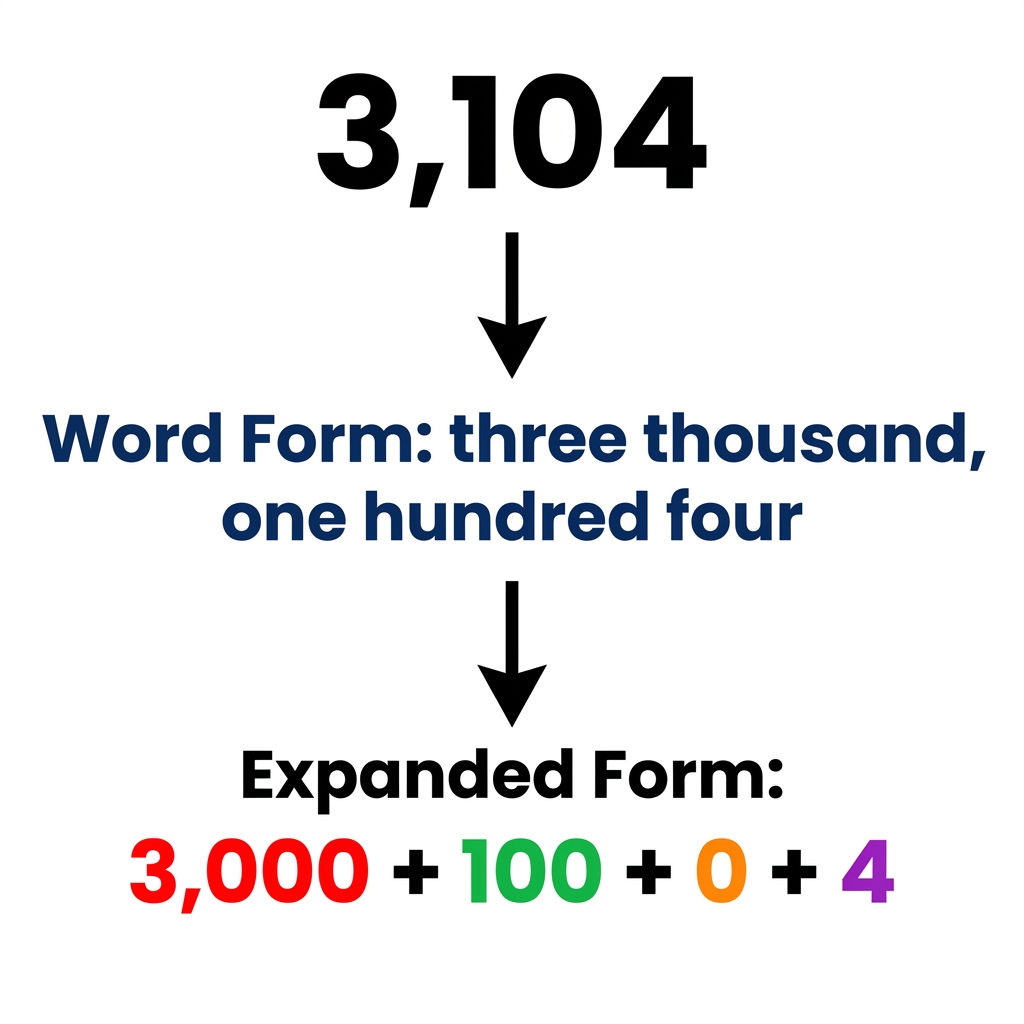
This lesson covers the primary requirements for fourth grade students working within the base-ten system. The objective is for students to read and write multi-digit numbers using standard form, word form, and expanded form while using place value to compare them. The material uses a straightforward example to clarify the differences: the number 2,567 is broken down into standard form, which is 2,567, word form, written as two thousand, five hundred sixty-seven, and expanded form, shown as 2,000 + 500 + 60 + 7. By working through these specific formats, students stop seeing a number as a random string of digits and start seeing it as a sum of its parts. Teachers in Poway Unified, Palmdale Elementary School District, Burton Elementary School District, and Santa Maria-Bonita School District all teach this same core skill, ensuring that students across California meet these expectations for multi-digit numbers.
The mechanics of place value
When you sit down with this fourth grade place value lesson, you will notice it starts by grounding students in what they already know. It reviews base-ten blocks, where a cube is one, a rod is ten, a flat is one hundred, and a large block is one thousand. This visual anchor is necessary because it bridges the gap between concrete counting and the abstract notation they need for later grades. The vocabulary is introduced early, defining place value as the concept where a digit represents ten times the value of the place to its right. This definition is the engine behind every operation they will perform this year. Once they get the idea of how a digit changes value based on position, the shift to expanded form becomes a exercise in logic rather than just a memory task.
Aligning with the state standards
This lesson is built around the California-adopted standard CA.MATH.4.NBT.2. This standard asks students to move fluidly between different ways of representing a number. It is not just about identifying which digit is in the thousands place; it is about recognizing that 5,000 is the same value whether you see it in a multi-digit numeral or a sum of parts. When students can articulate that a number in expanded form is just an equation describing the total value of each place, they are doing more than arithmetic. They are beginning to generalize place value understanding, which is the specific cluster goal for this domain in 4th grade mathematics.
Where students often slip
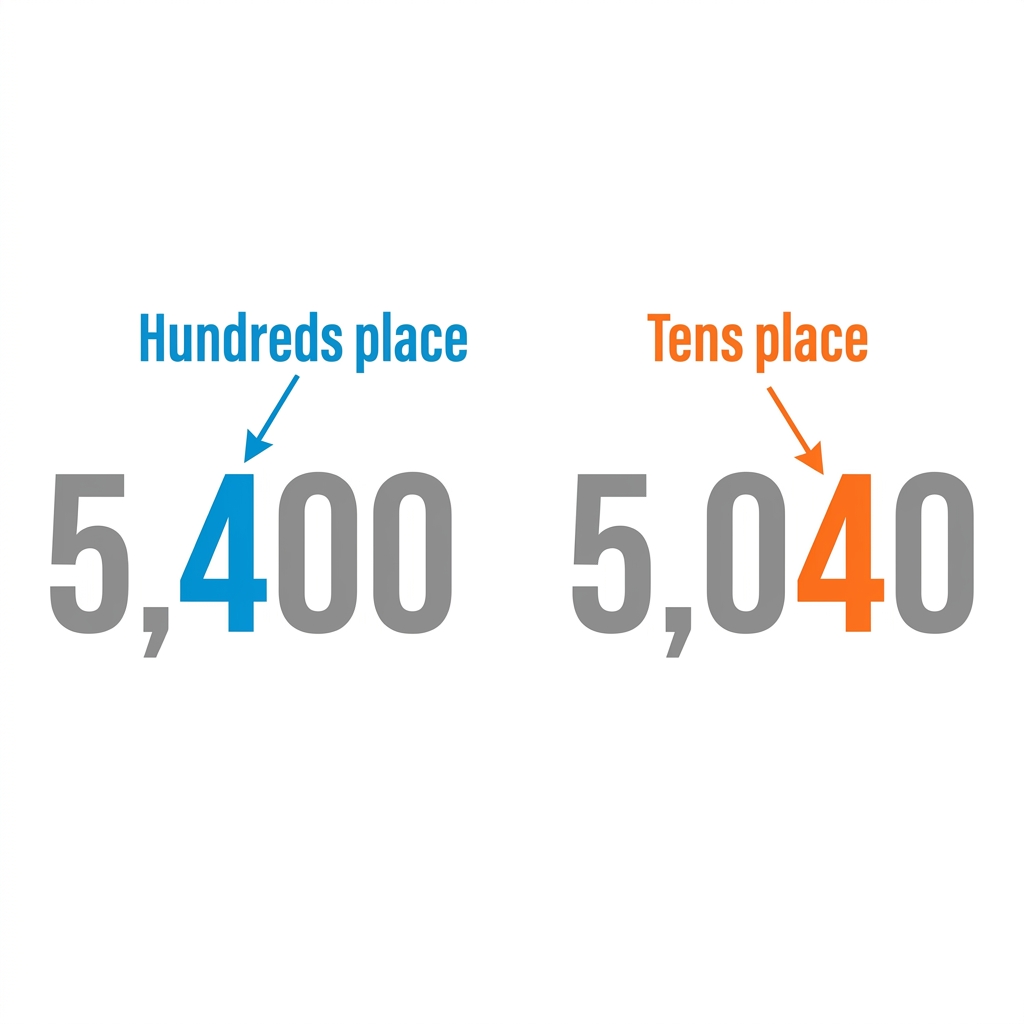
I find that my students usually hit a wall when they encounter the dreaded zero in the middle of a number. For example, when they write 5,042 in expanded form, they often struggle with whether or not to include the hundreds place. They need to see that 5,000 + 0 + 40 + 2 is the correct way to think about the place value, even if the zero feels like it does not do anything. If they gloss over the zero, they are going to struggle later when they have to subtract or multiply across those same places. It is helpful to ask them to justify their work by checking their expanded form against the standard form to see if the sums add up correctly. Using the provided real-life example of checking school event attendance numbers makes this abstract comparison feel much more like a legitimate task than just a worksheet exercise.
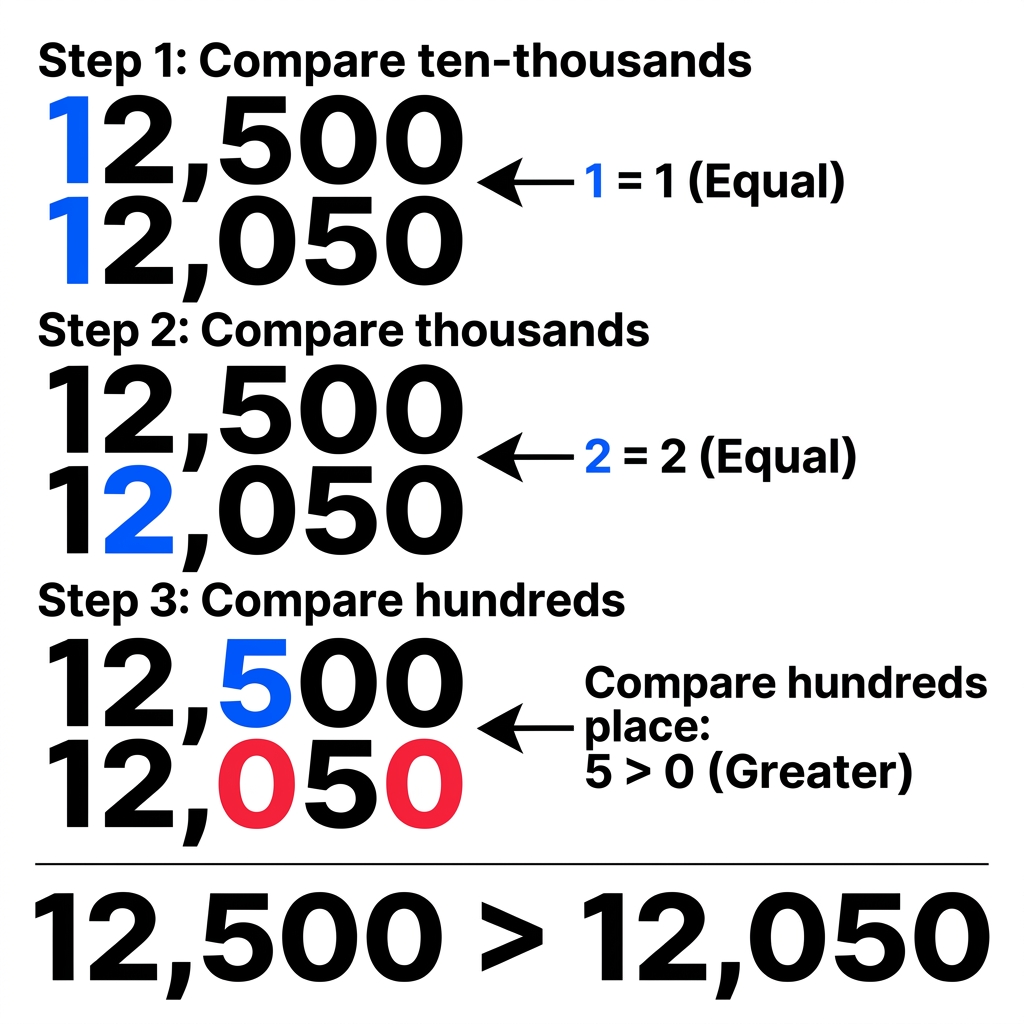
You can use this lesson as a whole-class introduction, or set it aside for a student who missed the week to get them caught up on the basics of place value. It also works beautifully as an intervention for students who have the general idea but get mixed up when the numbers start having four or five digits. Keeping the definitions of standard form and expanded form visible on the whiteboard while they work through the guided practice is a quick way to keep them on track.
Related lessons
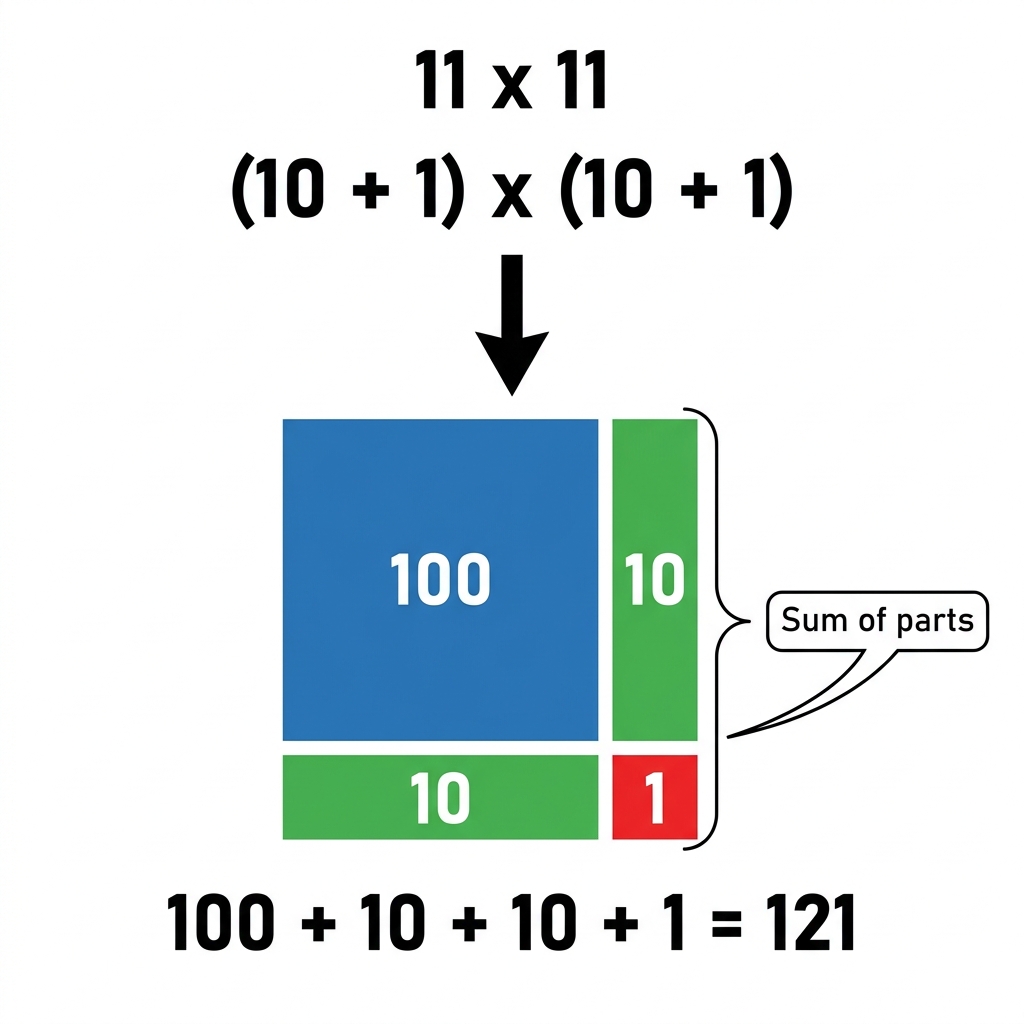
Multiplying with Place Value and Area Models, Multiplication concepts using area models and place value understanding
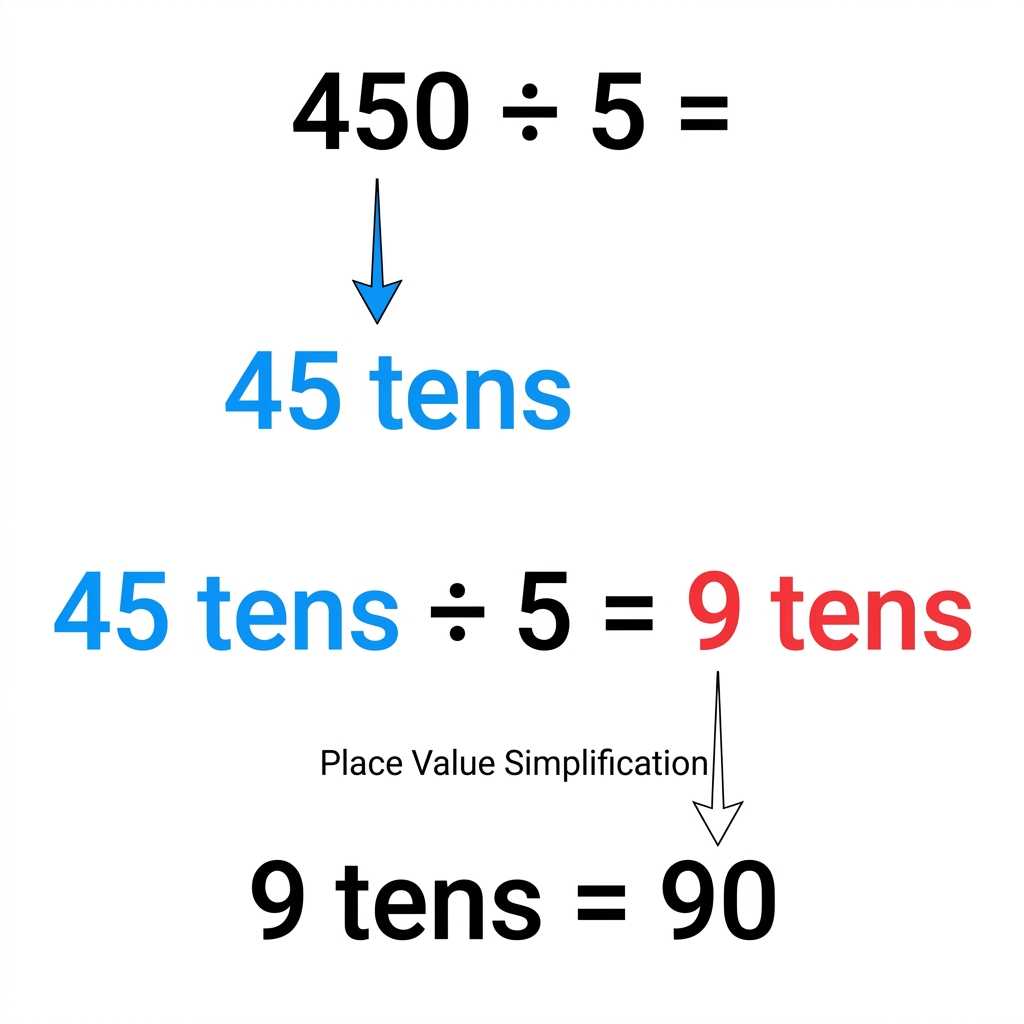
Dividing Whole Numbers with Remainders, Division strategies for whole numbers involving remainders
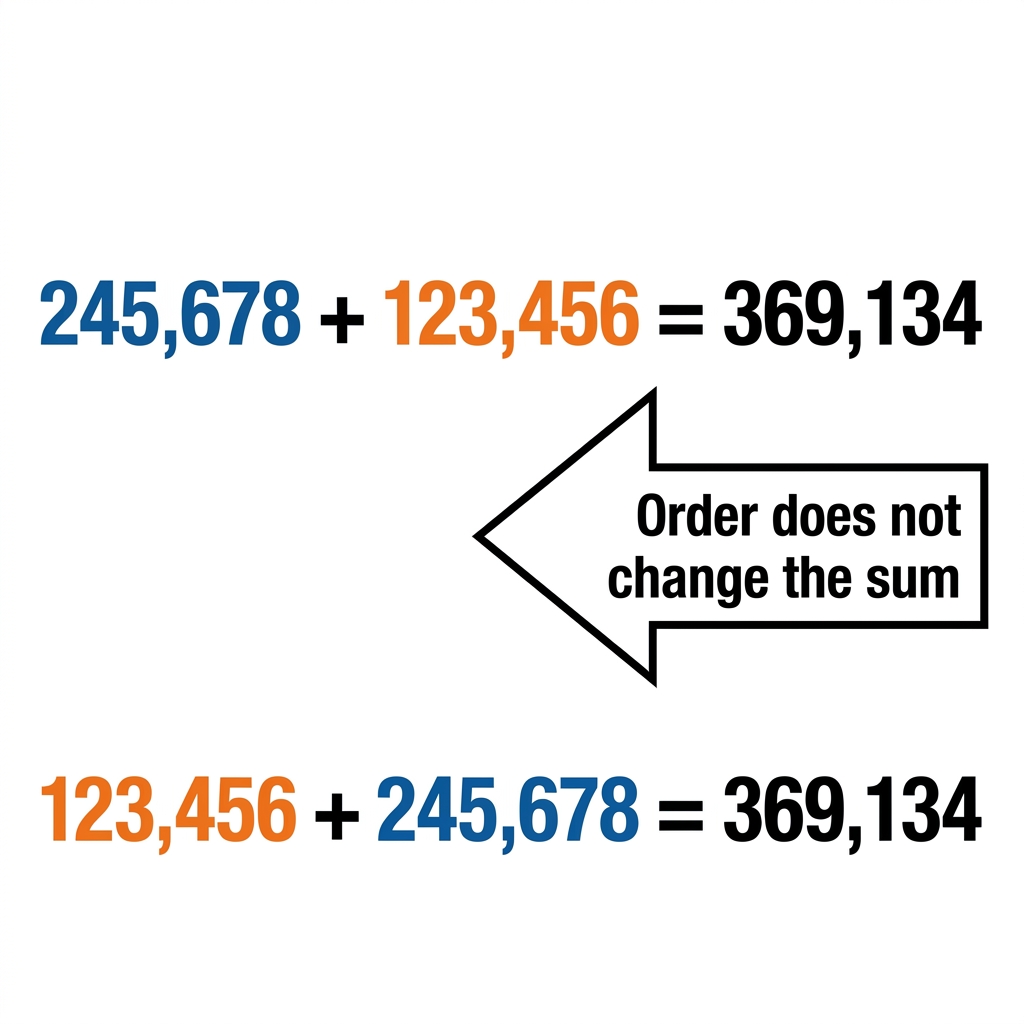
Adding and Subtracting Large Numbers, Methods for performing addition and subtraction with large digits