

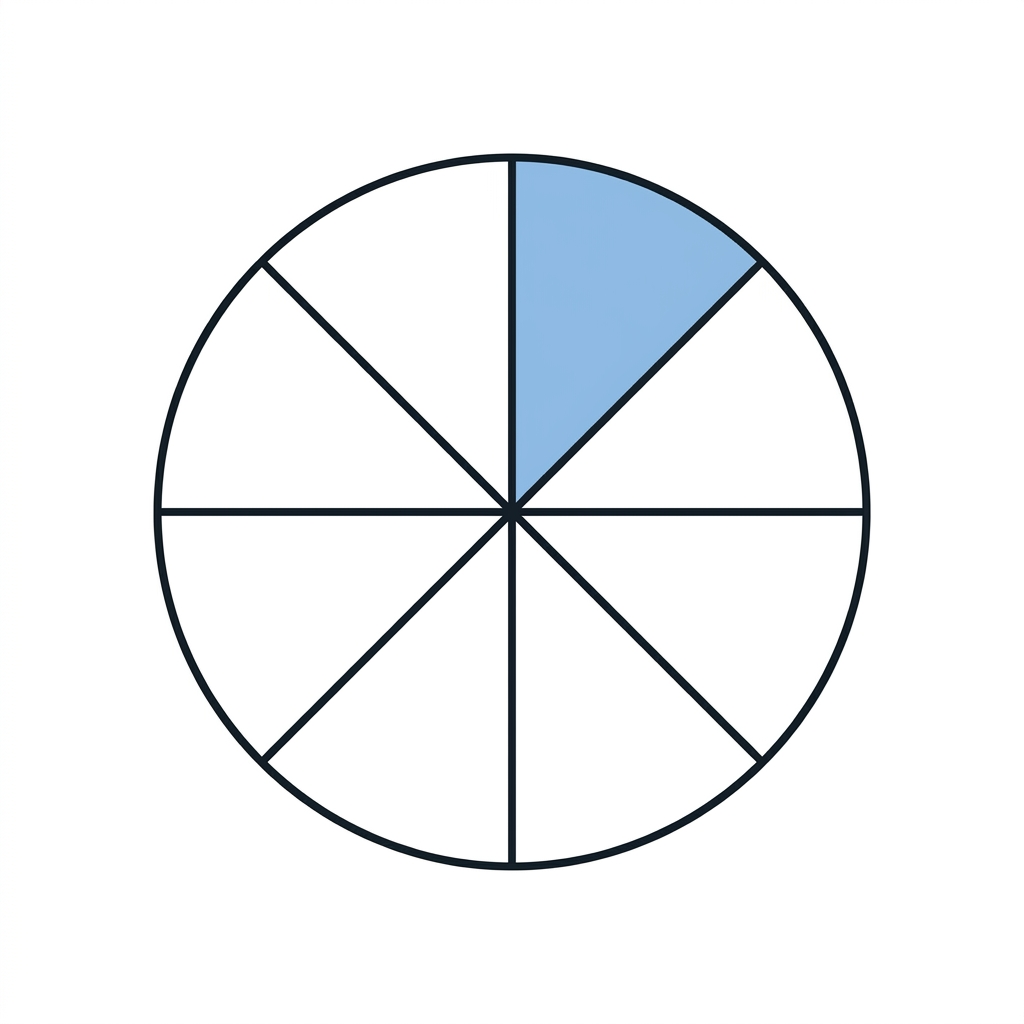
I know we are all looking for ways to make the jump from counting whole items to understanding parts of a whole feel less overwhelming for our students. In 3rd grade math, this transition is arguably the most significant hurdle of the year. If you are prepping your plans for the upcoming week, consider using Understanding Fractions as Equal Parts. It strips away the abstract noise and focuses on the concrete act of partitioning a shape. Most students arrive in our rooms feeling comfortable with counting apples or books, but when we start dividing those objects, we are asking them to change their entire mental model of what a number is.
Transitioning from whole numbers to fractions
This lesson is a straightforward way to anchor that change. It centers on the core concept that a fraction represents equal parts of a whole. By working through the definitions of a fraction and a unit fraction, your class can see that a fraction is just a way to name the specific size of one or more of those equal parts. This is an important distinction for third graders who often get hung up on the numerator and denominator as separate, floating numbers rather than parts of a single, defined entity. The lesson takes about 45 minutes to get through, which is just enough time to hit the main points without exhausting their attention spans.
The standard and the classroom context
The lesson aligns with CA.MATH.3.NF.1, which asks students to understand a fraction 1/b as the quantity formed by one part when a whole is partitioned into b equal parts. It also expects them to understand a fraction a/b as the quantity formed by a parts of size 1/b. The California-adopted standard wants students to use visual models like area models, number lines, and fraction strips to make these ideas concrete. You will also see CCSS.MATH.3.NF.A.1 referenced here as a related standard, which adds the requirement that students grasp the quantity formed by multiple parts of the same size. It is the same standard across the state, whether you are teaching in San Ramon Valley Unified, Visalia Unified, Lakeside Union Elementary School District, or South Whittier Elementary School District.
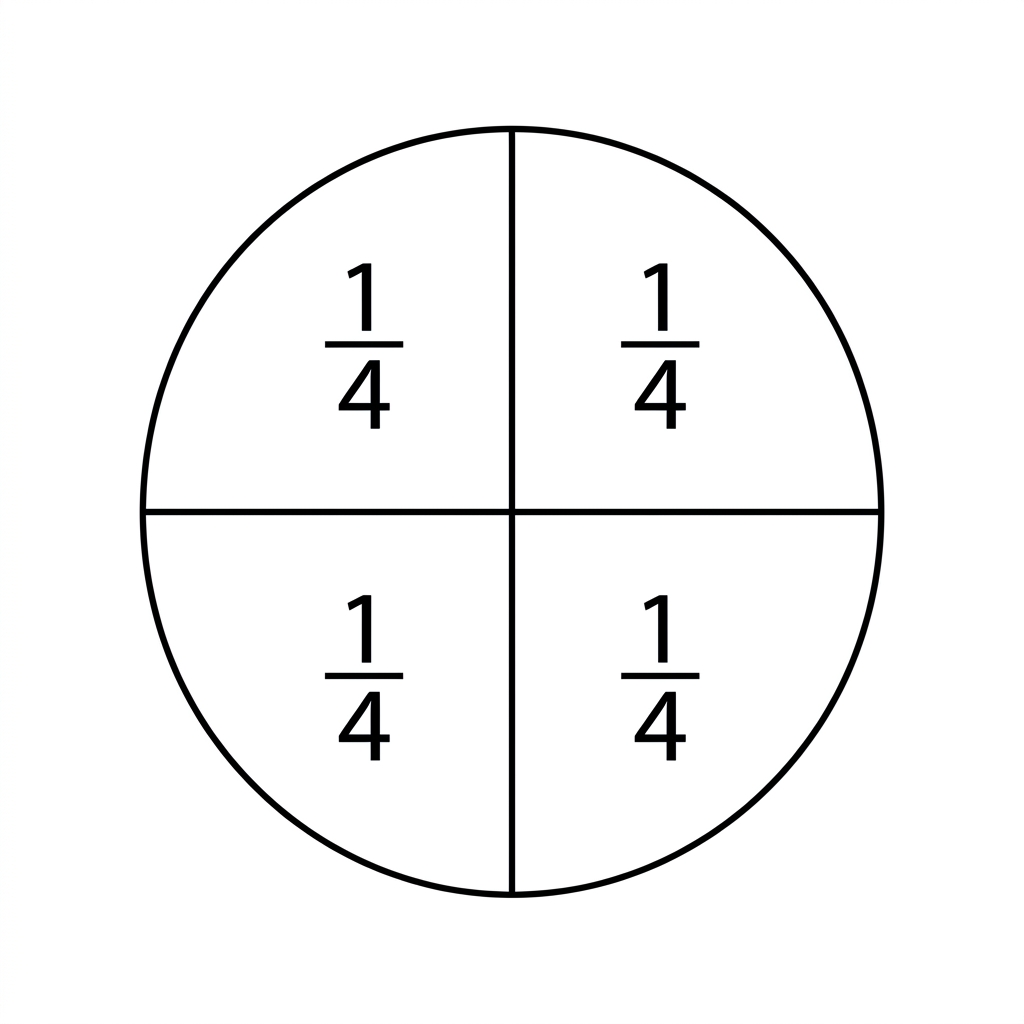
I appreciate that the lesson takes a step back to reinforce that a fraction must be an equal part of a whole. We have all seen students slice a circle into three uneven chunks and insist it is one-third. This lesson forces that conversation by showing examples where the parts are identical. When students interact with these materials, they are forced to confront the reality that size matters in division. If the parts are not the same size, they are not fractions. That specific detail is what keeps this lesson grounded in real logic rather than just rote memorization of symbols.
Using visual models in the classroom
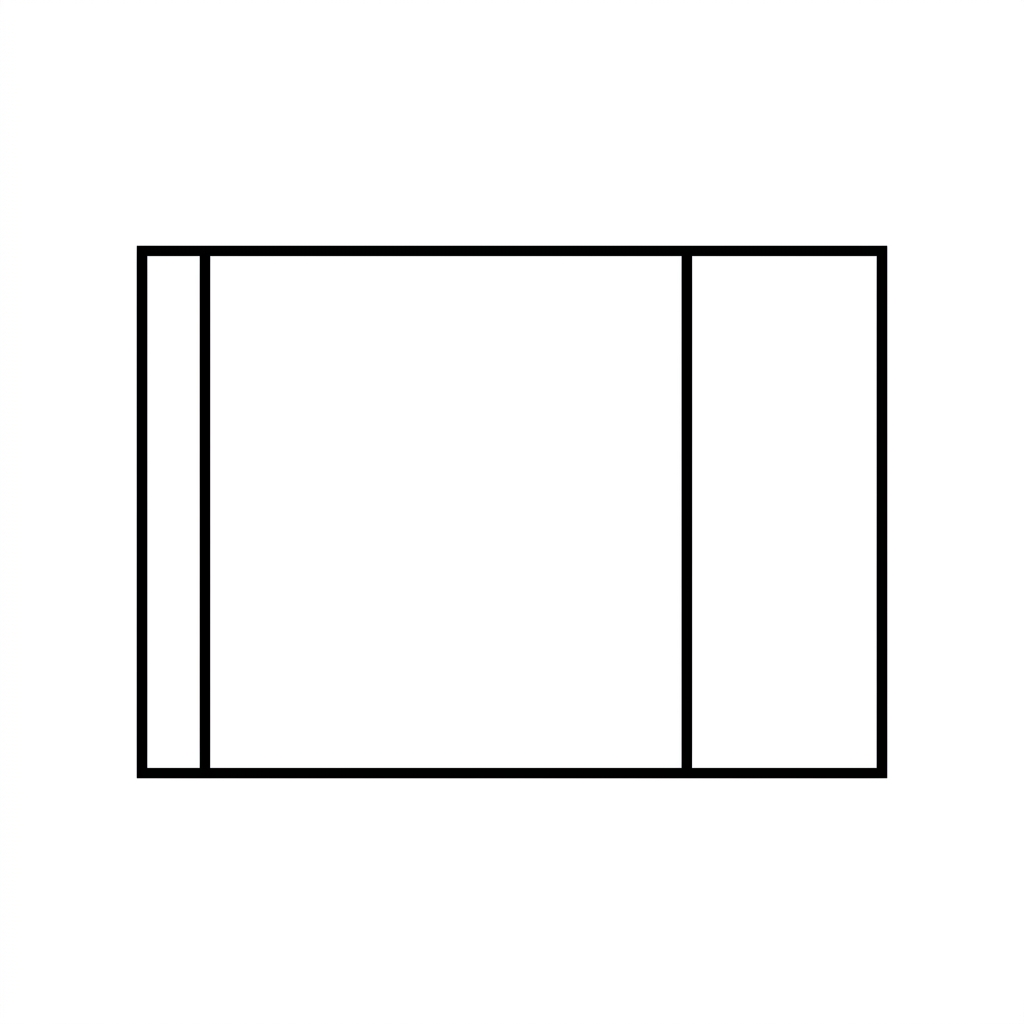
When you start the guided practice, your students will use a fraction strip to show 5/6. The lesson defines a fraction strip as a linear area model, which is a rectangular bar that represents one whole, used to help us see the relationship between the whole and its parts. This is a very effective tool for the students who struggle to visualize the parts. I find that when they can physically align these strips side-by-side, they get a much clearer sense of how many unit fractions are needed to reach the same length. It changes the conversation from abstract arithmetic to a physical act of measuring.
The vocabulary included in this third grade shared research writing lesson is simple and direct. They define a fraction as a number that shows equal parts of a whole, and a unit fraction as a fraction with a top number of 1, representing one single equal part of a whole. These are the building blocks. I encourage you to insist that students use this language throughout the session. If they can say that one-sixth is a unit fraction, they are halfway to understanding why five-sixths is just five of those units stacked together. The lesson includes a nice real-world connection involving a carpenter measuring wood for a cabinet, ensuring each shelf is the exact same size. This helps students see that math is not just something we do in our notebooks, but a necessary skill for precision work.
Where students often slip
The main area where I see students lose their way during this lesson is in the interpretation of the denominator. They often see the bottom number and forget that it represents the number of parts required to make one whole. I have found that spending a few extra minutes on the concept of the unit fraction helps mitigate this. If they can name the unit fraction first, they are much less likely to misinterpret the final fraction. For instance, if they identify that one slice is 1/6 of the strip, naming 5/6 as five of those slices becomes a logical process rather than a guessing game.
This lesson works well as a whole-class assignment, but I also keep it in my back pocket for intervention groups. If a student misses the week when we cover this topic, this is the first thing I assign to get them back on track. It is also a solid choice for independent study or a day when a substitute needs something high-quality and easy to manage without constant supervision. Because the concepts are so clearly laid out, the students can usually move through the material at their own pace, and the visual models do most of the explaining for you. Do not be surprised if some students need to return to the fraction strip multiple times; it is a powerful tool, but it takes a few tries to master how to line them up accurately. Stick with the visual models, keep the vocabulary consistent, and your students will eventually make the connection between the written fraction and the physical whole.
Related lessons
Understanding Fractions and Their Sizes, exploring how to compare different sized fraction pieces
Understanding Fractions on a Number Line, plotting fractions as specific points along a line