

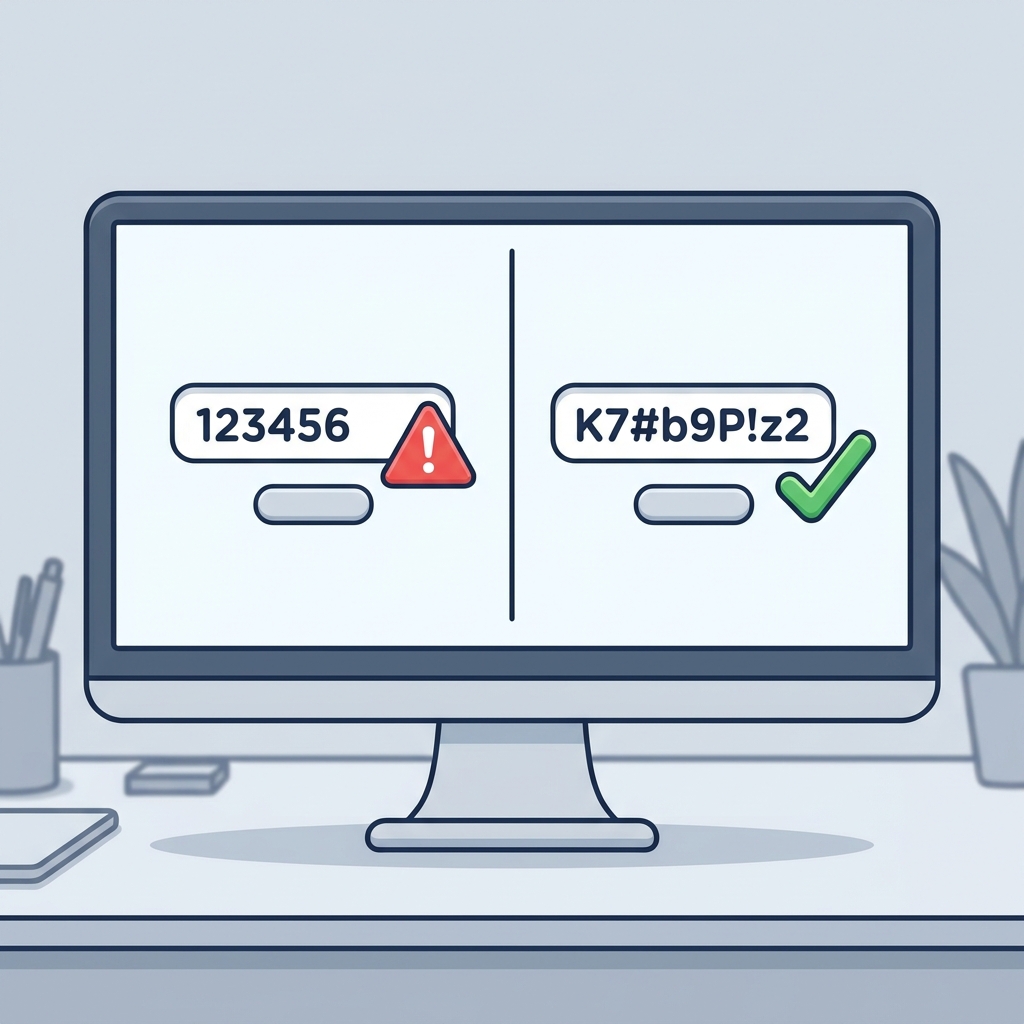
When teaching cybersecurity to middle schoolers, it is essential to frame the topic in a way that resonates with their daily digital experiences. By starting with the basics of data protection, we can help them understand the importance of layered security in keeping their communication safe. This approach allows students to see how the theoretical concepts they learn in the classroom directly apply to the devices and apps they use every single day.
How the lesson frames cybersecurity
Alex and Sam are two students who want to keep their notes private, so they decide to use a shift value of 3 in a Caesar cipher to scramble their letters. This simple starting point in Securing Information in Networks sets the stage for a much larger conversation about how we protect digital data. When you teach seventh grade computer science, you realize quickly that students know how to send messages, but they rarely think about what happens to those messages as they bounce between network nodes. This lesson moves from basic ciphers to the realities of modern digital traffic.
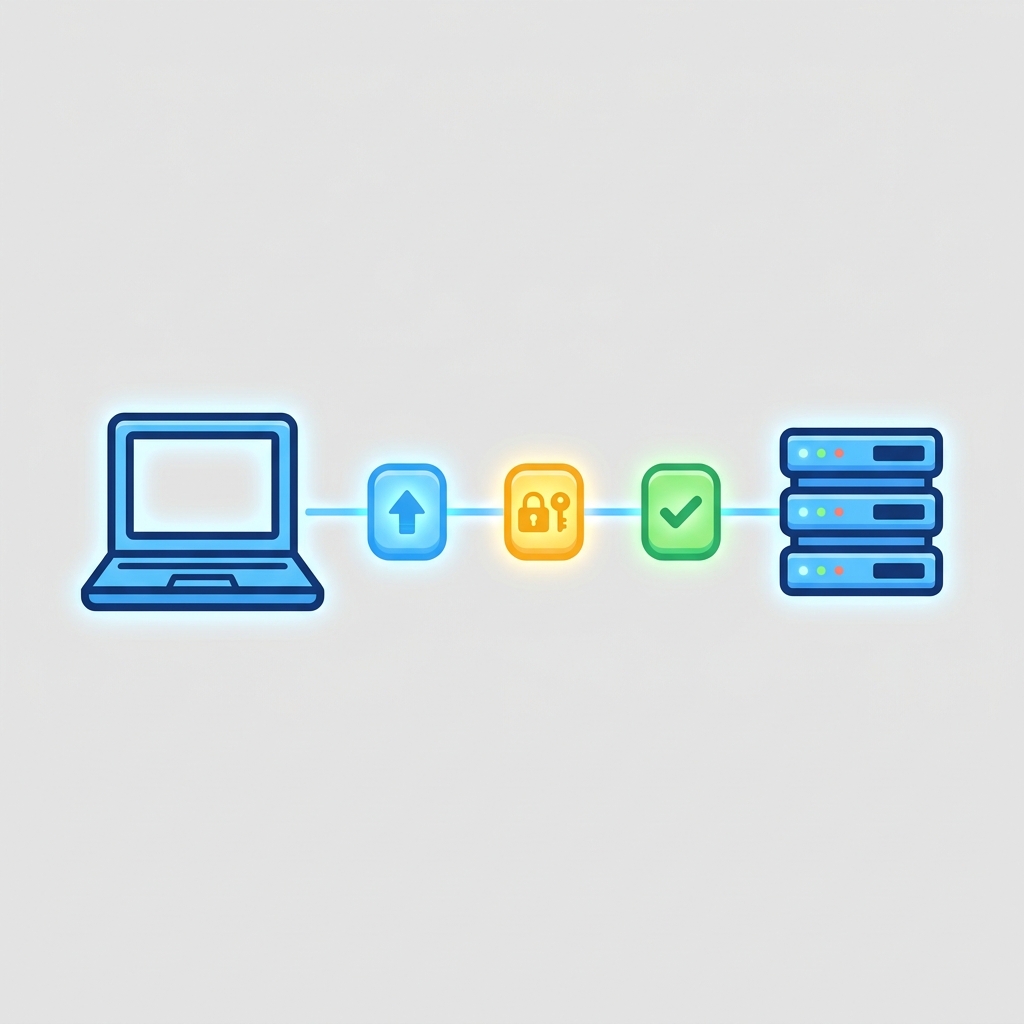
The material describes how digital data is broken into packets. These packets travel across the internet, and because they move through various points, they remain vulnerable to interception if they are not properly protected. The lesson explains that a single layer of security is rarely enough. By combining methods like HTTPS, which handles encryption, with two-factor authentication for identity verification, students see how experts keep information secure. It is a practical look at how the systems they use every day actually function behind the scenes.
The standard requirements
This computer science network security lesson maps directly to the California-adopted standard CA.CS.6-8.NI.6. This standard asks students to apply multiple methods of information protection to model the secure transmission of information. It is the same standard required for students across the state, from Fresno Unified to Bakersfield City School District, and from Central Unified to San Dieguito Union High School District. The goal here is moving students beyond simple password usage toward an understanding of layered protection.
The vocabulary provided helps ground the technical discussion:
- encryption: The process of scrambling data into a secret code so that only someone with the correct key can read it.
- authentication: The process of verifying the identity of a user or device before granting access to a network or file.
- protocol: A set of rules that computers follow to communicate and exchange data securely.
- metadata: Data that provides information about other data, such as the sender, time, or size of a digital file or message.
If a student fails to grasp why packets need encryption, they will struggle when they move into higher-level units on network architecture. The logic of the network relies on the idea that every piece of information needs a specific set of rules to remain safe. You can see this clearly when they work through the guided practice, which asks them to simulate protecting a file transfer between two remote computers.
Classroom applications
I find this lesson works best when you treat it as a foundational piece for your broader middle school computer science coursework. It is about 45 minutes long, which makes it perfect for a substitute day or a lesson to catch a student who missed the week of core instruction. You could also assign this as independent study for a student who needs a clear, linear progression on how digital privacy works.
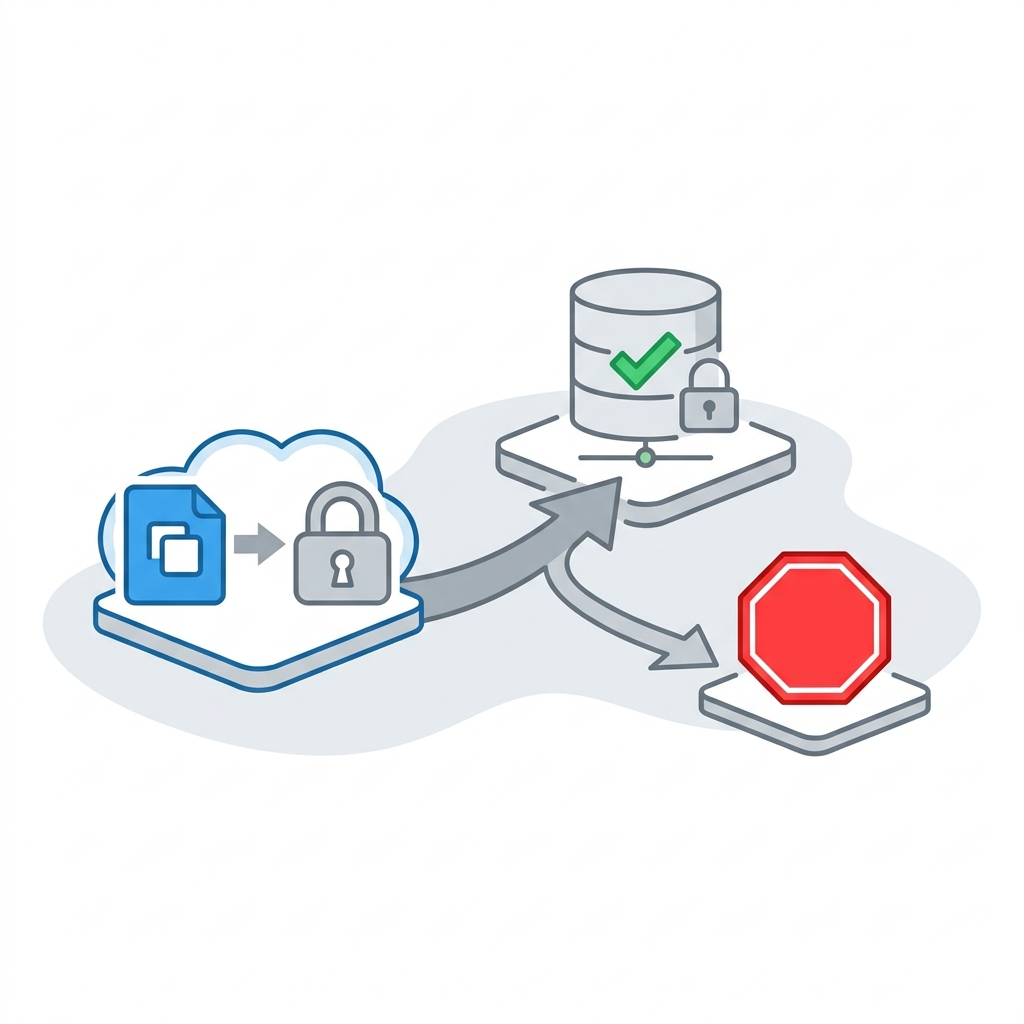
My one caveat is that students often want to jump to the “how” before they understand the “why.” Spend time on the why-it-matters section. Remind your class that banks and social media apps use these exact methods to prevent data theft. When they realize that their own digital lives depend on these protocols, their interest in the technical details tends to spike. It changes the topic from an abstract concept into a protective measure they can actually see in their own devices.
Related lessons
How Data Travels Across the Internet, Explains how data packets move across the internet infrastructure
Staying Safe Online, Covers online safety and protecting personal digital information