

I remember how hard it was to make the American Revolution feel real for ten year olds who had never given a second thought to what sovereignty actually means. It is a big concept for a nine or ten year old, but this The American Revolution: From Subjects to Citizens lesson manages to pull it off by starting with the rules of the classroom rather than a dry timeline of battles.
This material is designed for 5th grade social studies, specifically as part of the United States History and Geography curriculum focused on making a new nation. It works perfectly for a whole-class assignment when you are starting this unit, but I have also used it for students who missed the week or for an independent study module. Educators from Newport-Mesa Unified, Moreno Valley Unified, Fall River Joint Unified, and Paradise Unified teach the same standards using these same materials, ensuring that students throughout California get the same foundational view of how our country began.
What the lesson actually asks students to do
The lesson asks students to walk through the logical steps that moved the American colonies from being British subjects to becoming citizens of an independent nation. It is not just about memorizing dates or names of generals. Instead, it pushes students to understand the causal link between unfair laws and the decision to rebel. The core objective is for students to realize how the colonists felt about their lack of voice in British politics and how that evolved into a movement for independence. You will find that students grasp this best when you spend time on the provided vocabulary. They define sovereignty as the power of a group or nation to make its own laws and govern itself without outside control. They also define a grievance as a formal complaint about something that is believed to be unfair or wrong, and they learn that a Patriot was a colonist who supported the movement for independence from Britain. By the time they reach the end of the lesson, they are expected to be able to explain why these terms mattered during the revolutionary period.

This entire approach serves the California standard CA.HSS-5.6, which requires that students understand the course and consequences of the American Revolution. The lesson is very effective at making this abstract requirement feel concrete. It does not just list facts, but rather asks students to think like the people living through that time. By frame-shifting their perspective from a modern classroom back to the colonial experience, students begin to see the revolution as a series of choices rather than a pre-determined outcome.
Connecting historical concepts to classroom life
The most clever part of this fifth grade social studies history lesson is the prior-knowledge opener. It asks students to consider their own school environment. In a classroom, there are rules that help everyone learn. Sometimes, a student might have to choose between following a rule that seems fair or protesting a rule that feels unfair. This is such a simple, relatable starting point. It bridges the gap between their daily lives and the frustration of the American colonists. When I lead this, I see lightbulbs go off. They start to realize that the patriots were not just rebels without a cause, but people who felt that the governing rules were fundamentally flawed because they had no say in how those rules were made.
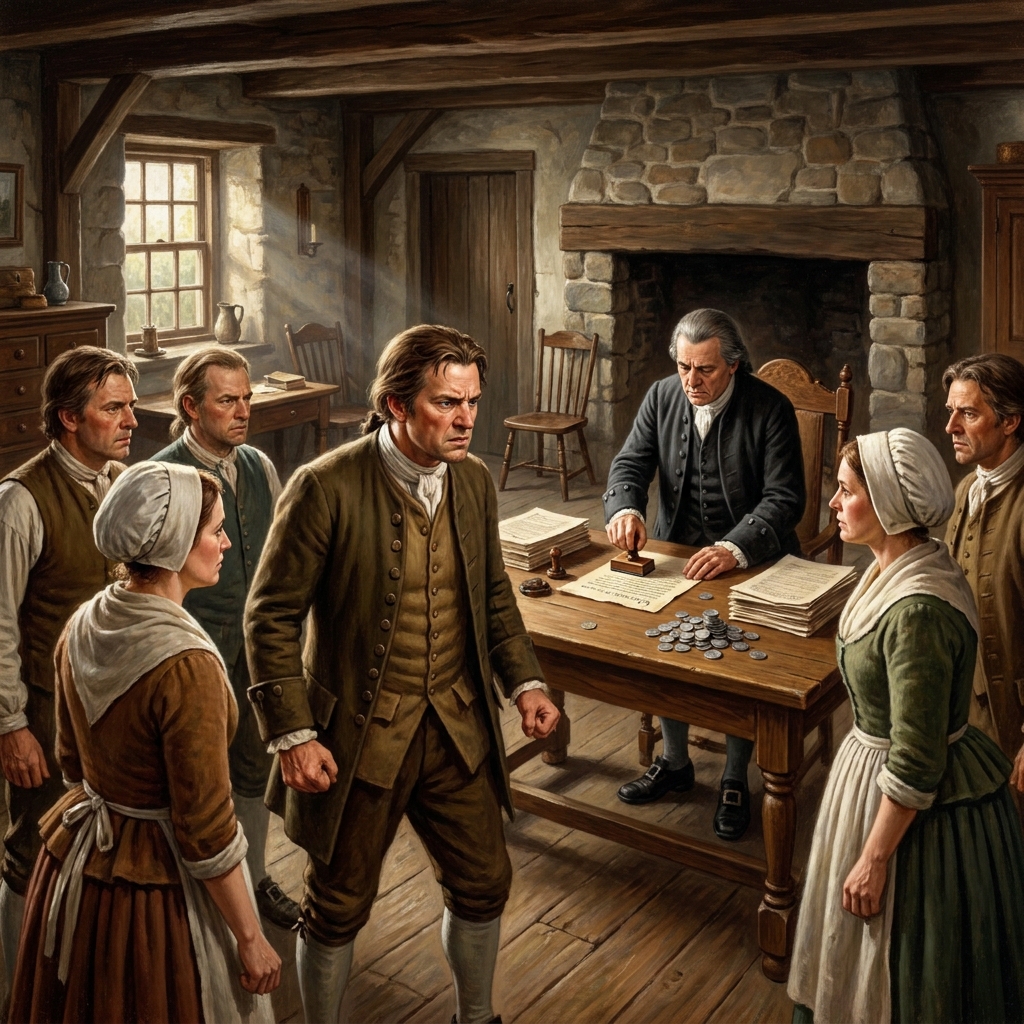
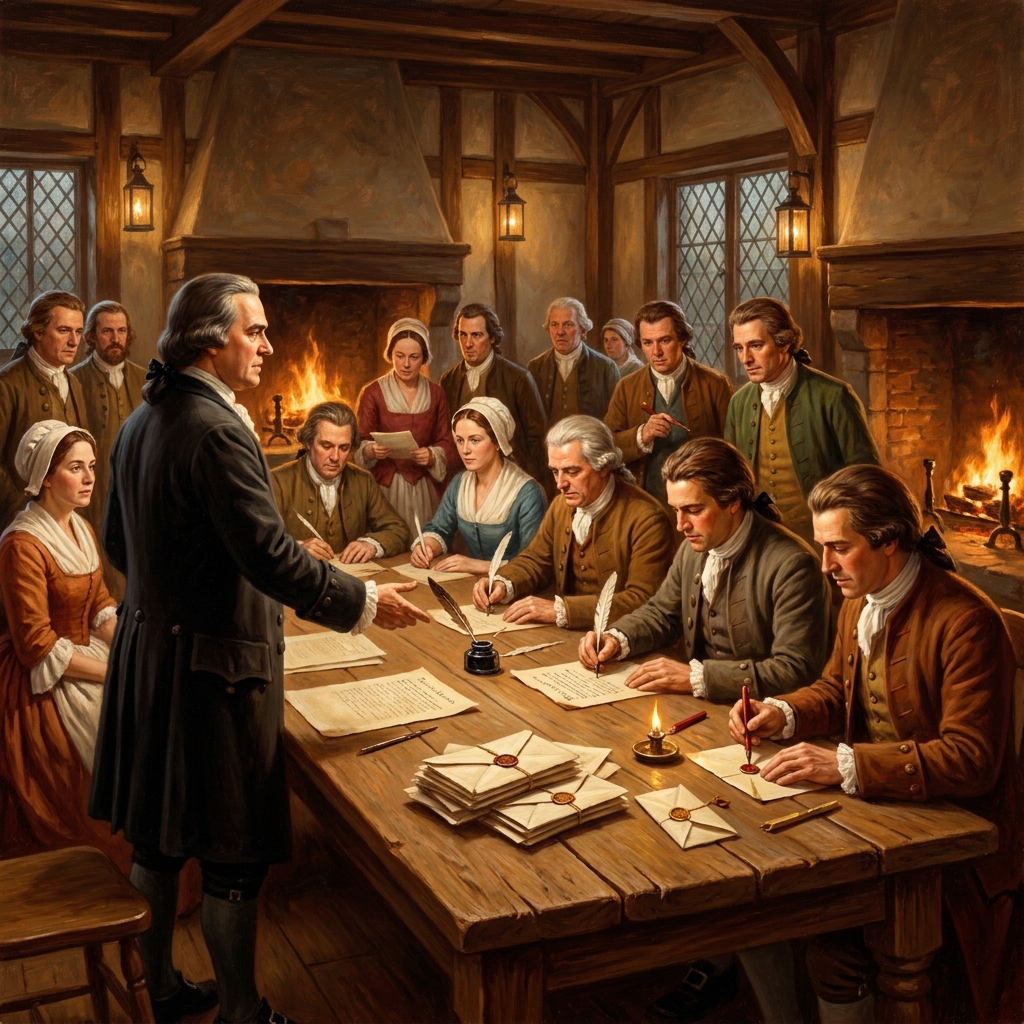
The lesson then introduces the Stamp Act as a specific worked example. It explains that the Stamp Act was a law that forced colonists to pay for a stamp on every piece of paper they used. The lesson text notes that the colonists felt this was unfair because they did not vote for it. This resistance is an example of fighting against an unjust law. Showing that specific tension, the cost of paper versus the lack of a vote, makes the concept of a grievance feel very real. It gives them a tangible reason why a person would sign their name to a document or stand in the street in protest.
Where students slip and how the guided practice helps
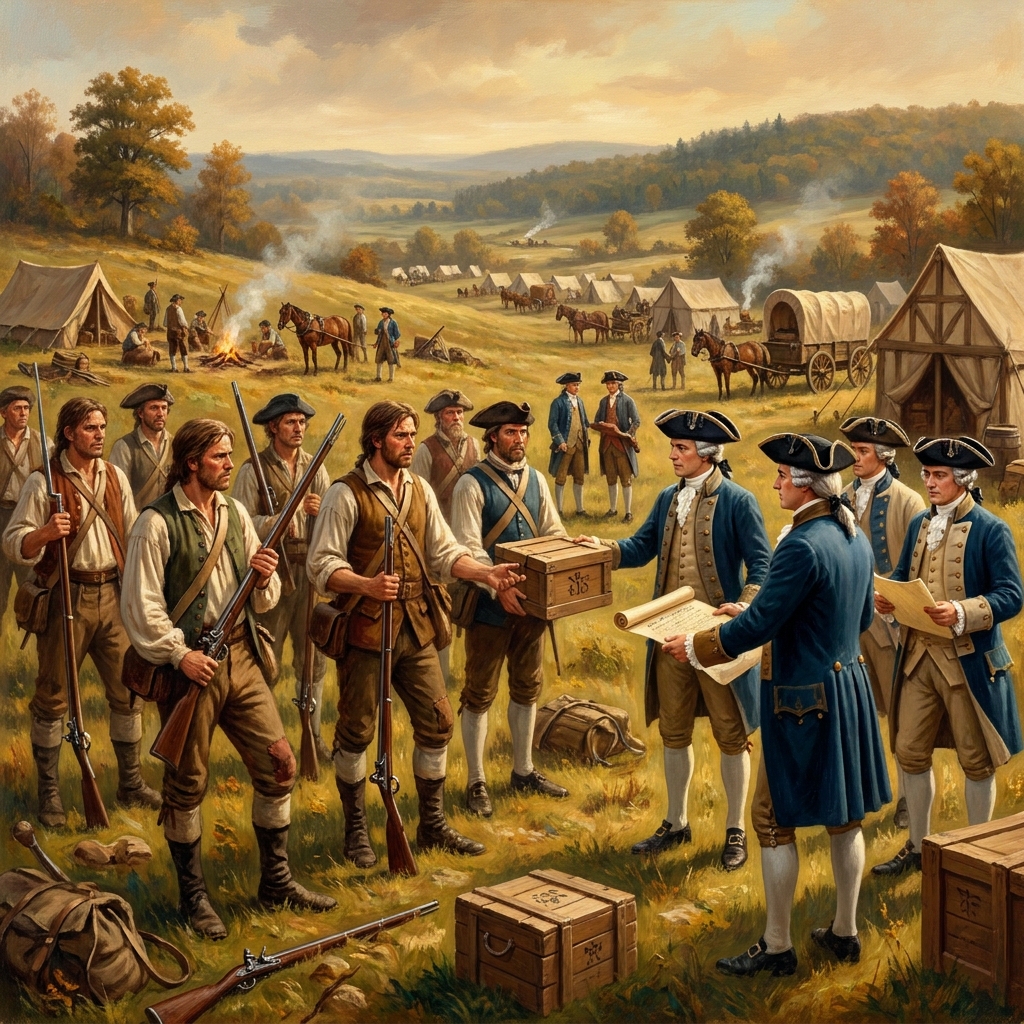
Where I usually see students trip up is in the transition between the protest of British law and the formation of their own government. That is why the guided practice portion of this resource is so useful. It moves them from the anger of the protest to the creation of the Articles of Confederation. The lesson defines this document as the first plan for the new American government. It is a moment where they have to stop thinking about what they are against and start thinking about what they are for. It is a shift from tearing down an old system to building a new one.
The why-it-matters statement at the end of the lesson is a strong closer. It reminds students that when you know how a government works and how to voice your grievances, you can be an informed citizen. This helps you participate in decisions that affect your community, like voting. It reminds them that history is not just something that happened back then. It is the practice of being a member of a community right now. For a substitute day or an intervention period where you want to keep them focused on critical thinking rather than just busy work, this lesson is a reliable choice.
I find that if you push them to apply those vocabulary words, sovereignty and grievance, back to their own classroom scenario during the wrap-up, they internalize the concepts much better. It is one thing to know the definition on a quiz and another to see how those terms define their own interactions with rules and authority. Use this when you want to get them to really think about why people organize and why people struggle to change the systems they live under.
Related lessons
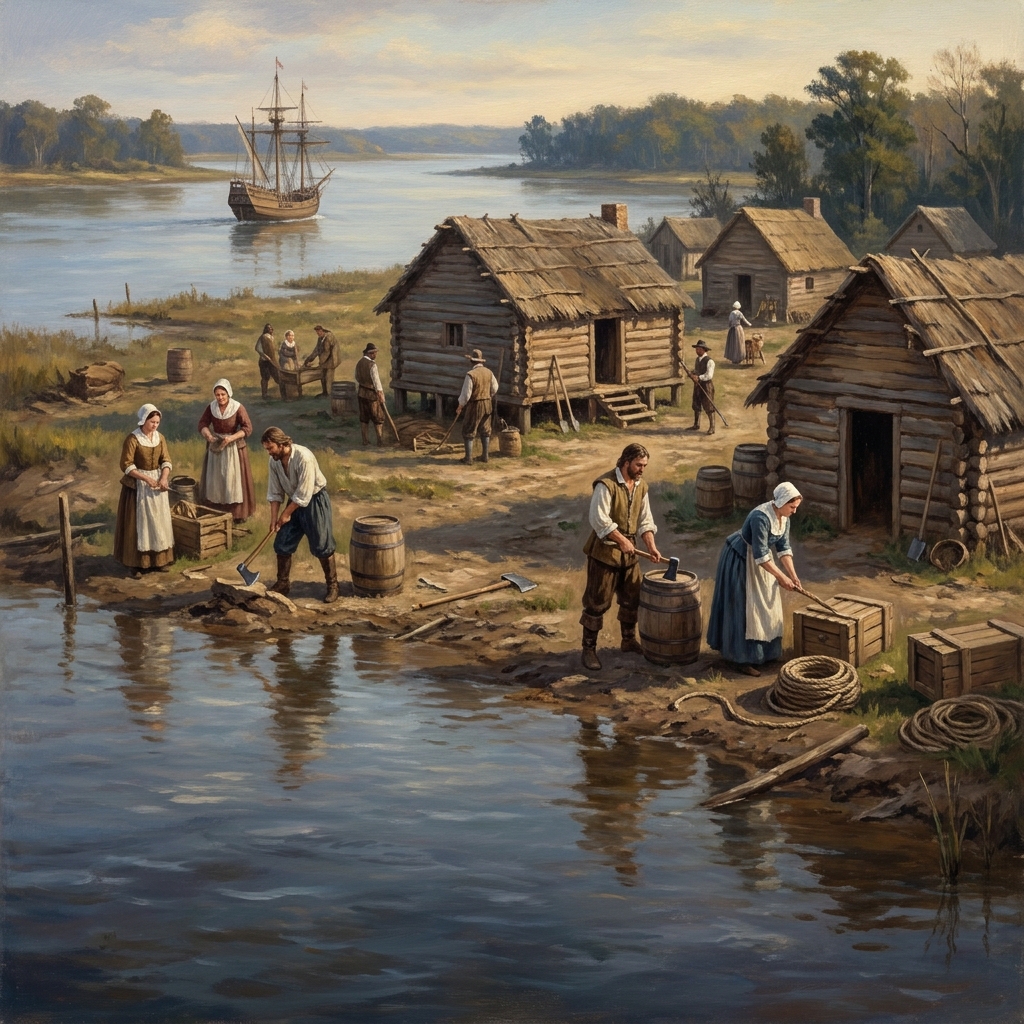
Geography and the 13 Colonies, Map analysis of the thirteen original British colonial territories
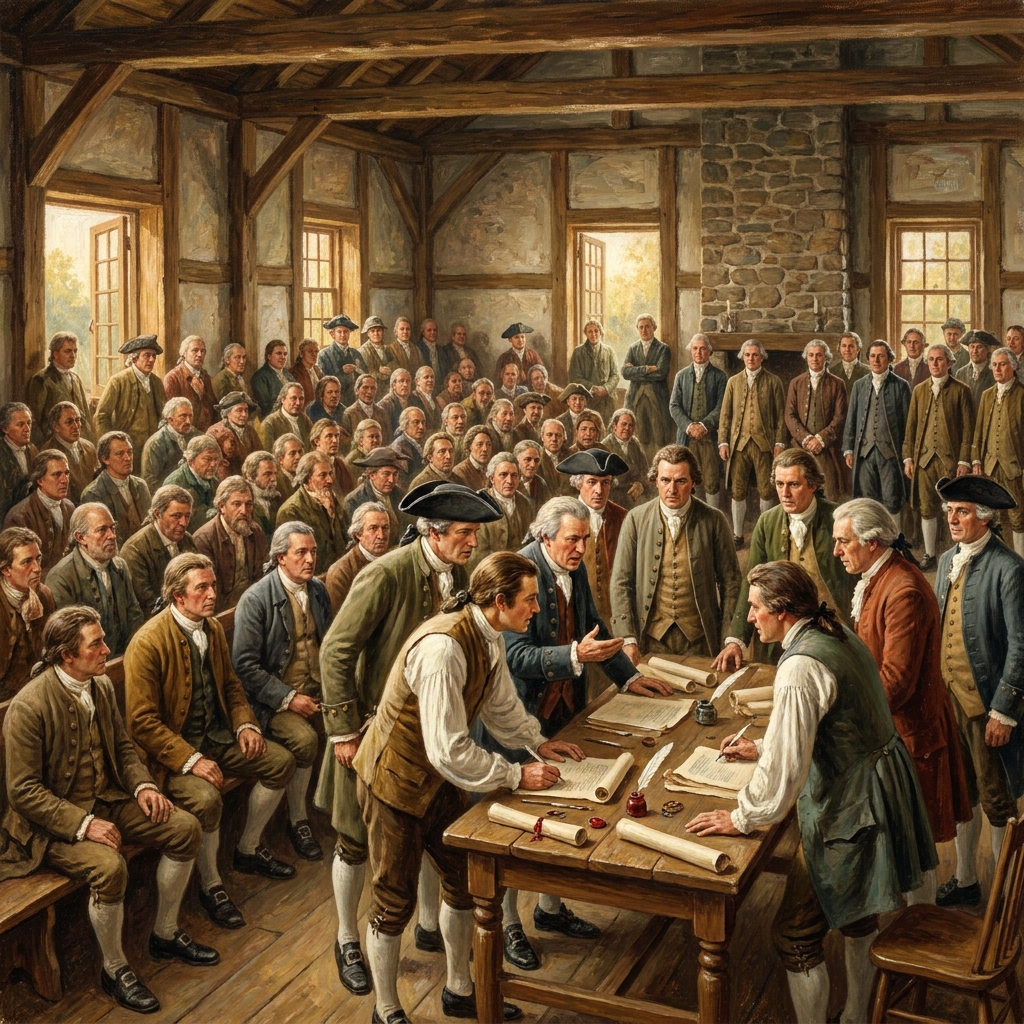
Building a New Nation: From Articles to Constitution, Transitioning from the early confederation toward the federal constitution
Organizing for Change: The American Revolution, How colonial protests led to organized movements for independence