

Teaching division of fractions often feels like a balancing act between procedural memorization and true conceptual clarity.
In 6th grade mathematics, the struggle is real when you ask students to divide a fraction by another fraction. Many students have already built a habit of simply multiplying by the reciprocal without actually understanding why that operation works. This Dividing Fractions lesson aims to shift that focus from a mechanical step to a visual realization. It is designed to fit a 45-minute block, making it a solid choice for a substitute day or a student who missed the week and needs a quick way to catch up on the material.
Understanding the standard requirements
The CA.MATH.6.NS.1 standard is heavy on specific expectations. It demands that students interpret and compute quotients of fractions, solve word problems involving division of fractions by fractions, and show the relationship between multiplication and division. The California-adopted standard also emphasizes the use of visual models and real-world contexts to build this understanding. When a student works through this, they are meeting the exact same requirements as students in Lodi Unified, Montebello Unified, Davis Joint Unified, and Santa Rosa High School District. The standard also includes CCSS.MATH.6.NS.A.1, which covers the same core expectation of interpreting quotients while adding the practical layer of applying these understandings to complex word problems.
The standard asks students to do more than follow a rote algorithm. It requires them to interpret division as a way to find how many smaller parts fit into a larger amount. This is a shift in thinking that many of my classes have struggled with, but it is necessary for building a strong number sense in the middle grades. If they skip the visualization part, they miss the logic of the operation entirely.
How the lesson builds conceptual knowledge
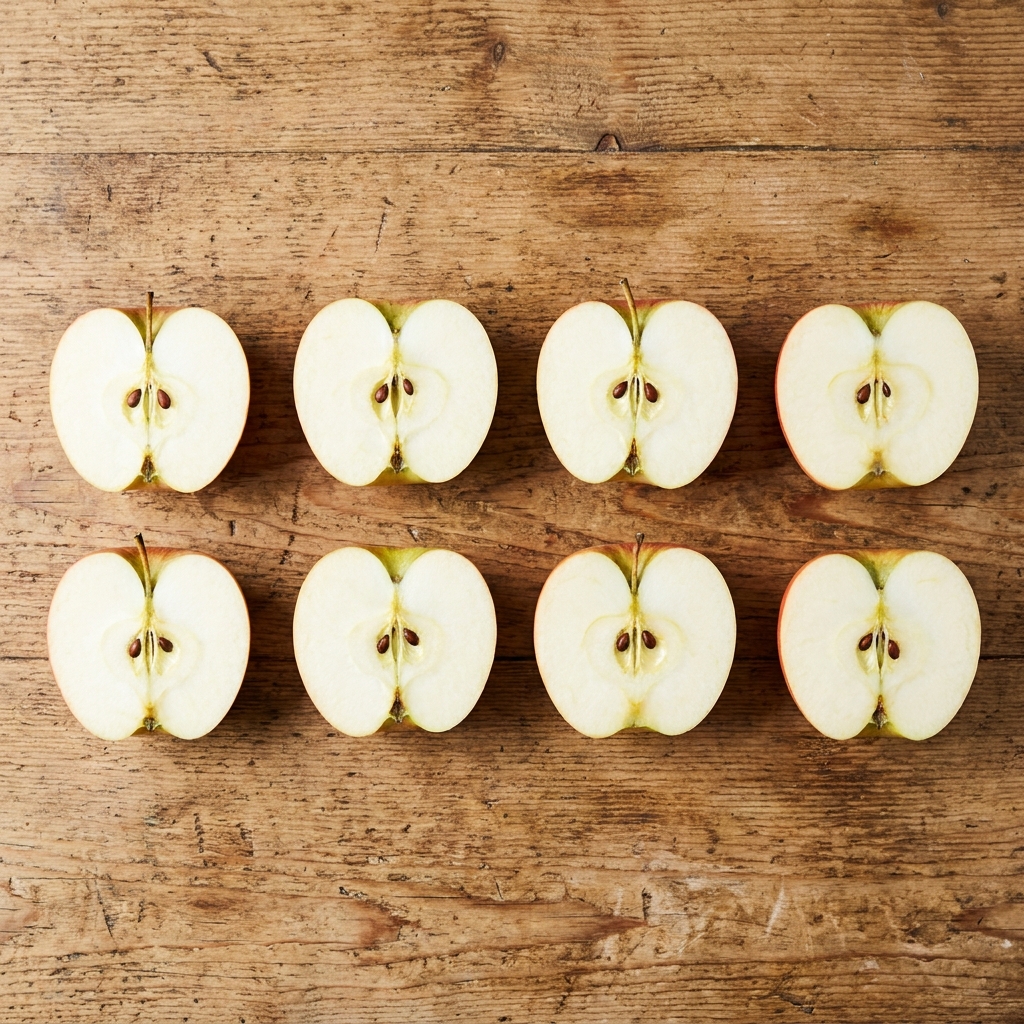
The lesson starts with an opener that grounds the math in something tangible. Instead of starting with numbers, it asks students to think about a farmer who has four whole apples and wants to cut them into halves to share with his workers. This is a great way to show that division helps us find how many equal groups fit into a total amount. By starting here, you avoid the abstract confusion that hits students when they only see numbers on a page.
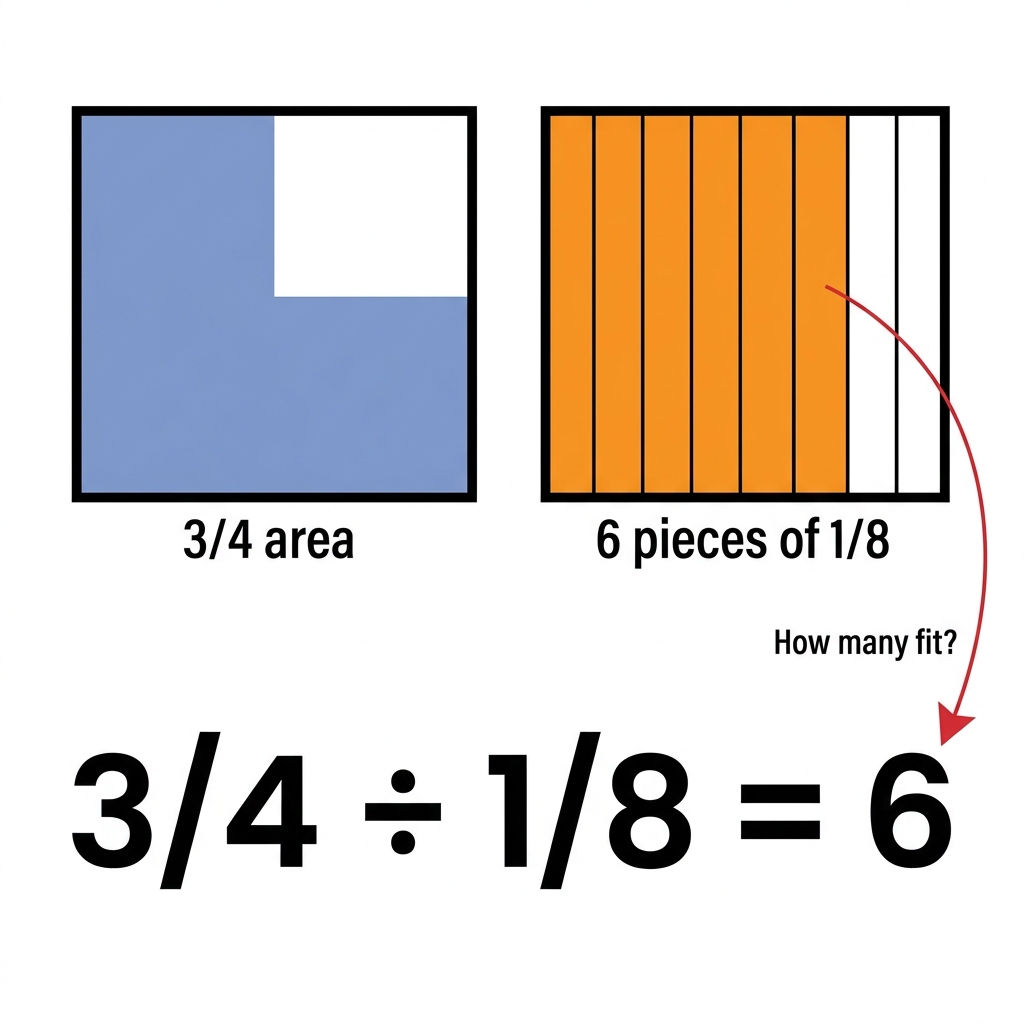
From that simple apple example, the lesson moves to a worked example involving an area model of a square. It asks students to imagine they have three-fourths of a square and want to see how many one-eighth pieces fit into it. This is where the visualization becomes vital. The lesson walks the student through dividing the area, which shows them that they are not just dealing with abstract symbols. It illustrates the concept through geometric space.
There is also a guided practice section that uses a word problem about paint. This is a common situation where students apply what they have learned to a scenario that is not purely theoretical. The why-it-matters section in the lesson uses the example of a carpenter who needs to cut boards into specific lengths for building furniture or houses. This framing is useful because it shows students that carpenters do not have the luxury of working only with whole numbers when they are measuring materials.
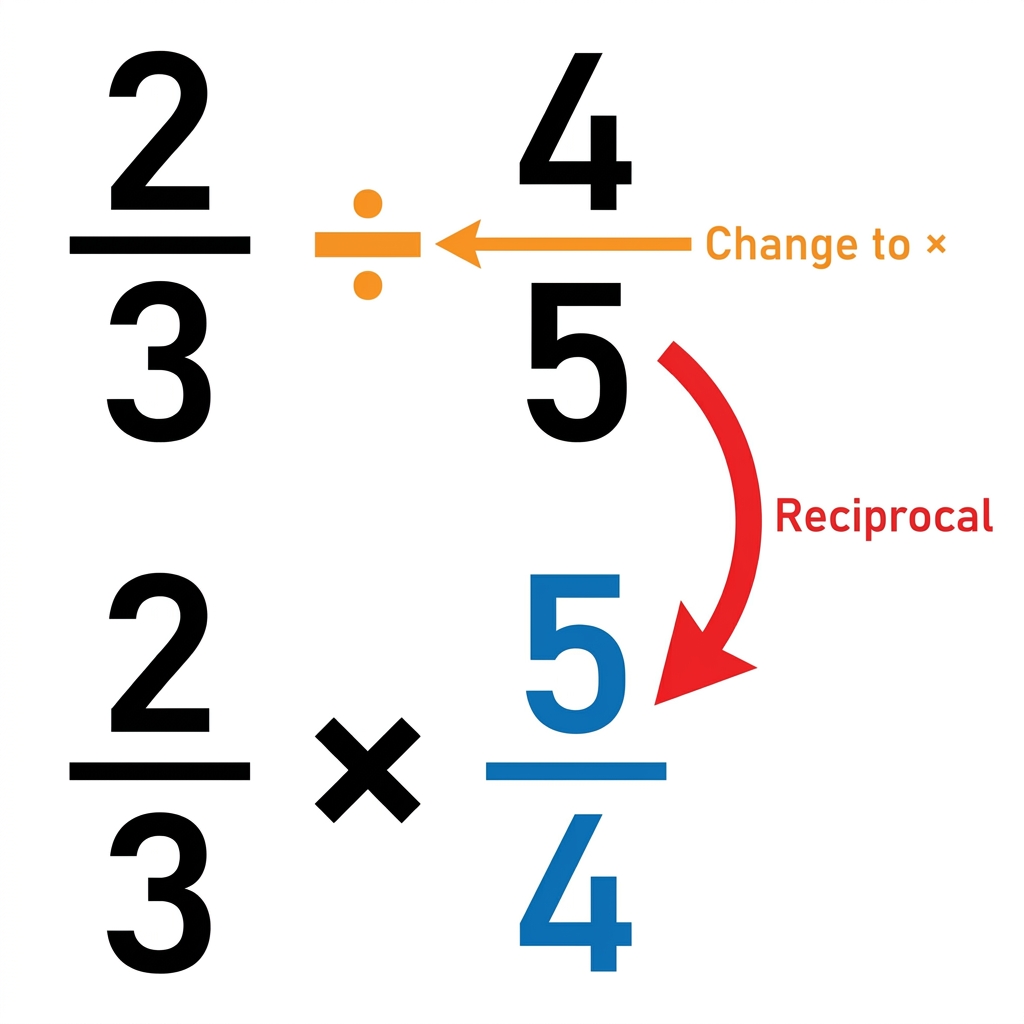
The vocabulary used is clear and helpful. The lesson defines the quotient as the result of a division problem, which is a foundational term that students should keep in their mental math toolbox. It also explains a reciprocal as a number flipped upside down, where the numerator and denominator switch places. Having these terms clearly linked to the visual models helps students explain their thinking when you ask them to justify their work on the board.
Where students often struggle with this concept
I have found that the biggest obstacle is the fear of the fraction. When the numbers look messy, students tend to retreat into the safe harbor of the “flip and multiply” trick. This lesson addresses that by pushing them back to the visual model. My preference for this lesson is the way it forces a pause. When you are teaching this to your class, you will notice that they have to slow down their processing to match the visual diagrams. If you can get them to draw the area model before they attempt the calculation, you have done half the work of teaching the concept.
There is a potential caveated limitation to consider: some students might be so eager to find the quick numeric answer that they rush through the area models. You may need to insist that the drawing happens before the division, otherwise, they will ignore the visual requirement and go straight to the numbers. If you are using this for intervention, make sure you have extra scrap paper on hand. Students often need to draw out these squares and fractions multiple times before the relationship between the pieces and the whole finally clicks. It is a productive struggle, but it requires that you monitor their progress to ensure they do not skip the visual representation. By forcing them to map the physical space of the fractions, you are building the exact logic the standard calls for in a way that sticks far longer than a memorized trick.
Related lessons
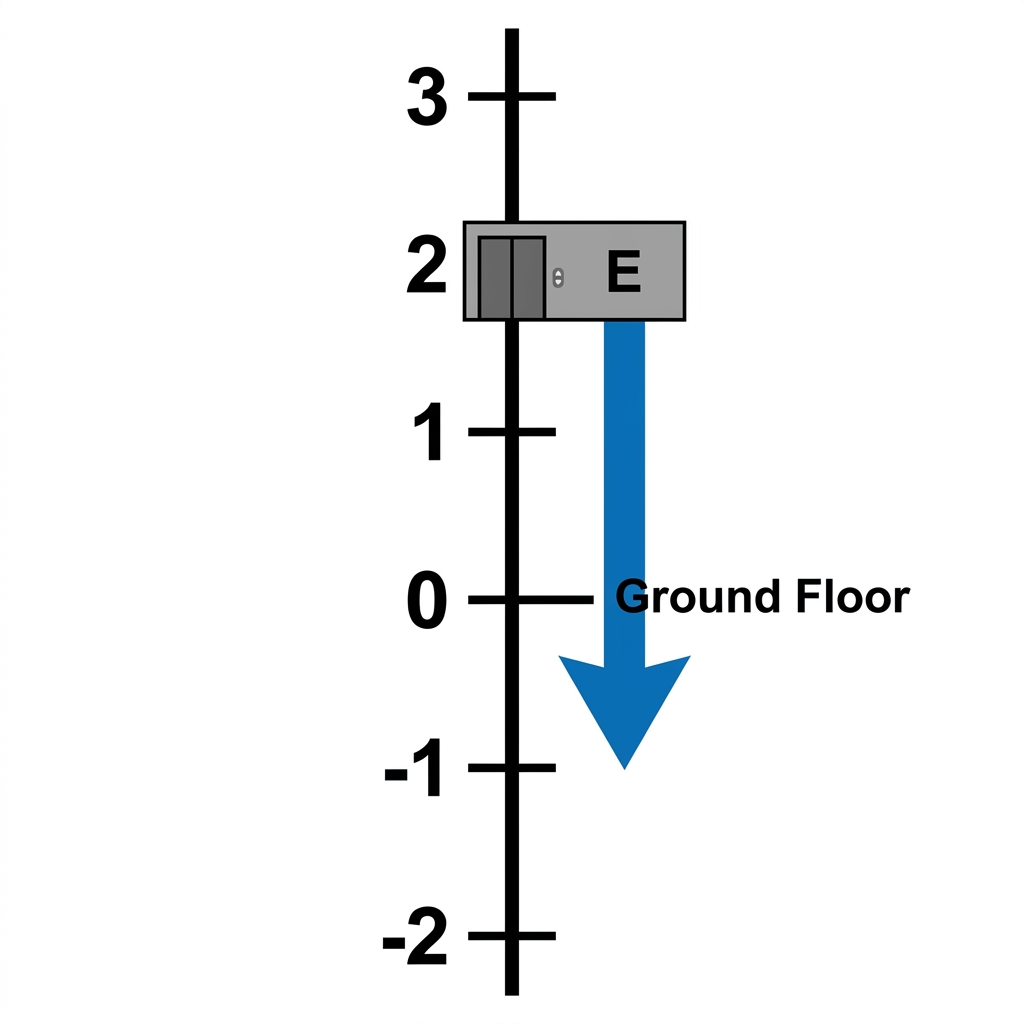
Understanding Rational Numbers on Lines and Grids, Shows how to plot rational numbers on coordinate planes
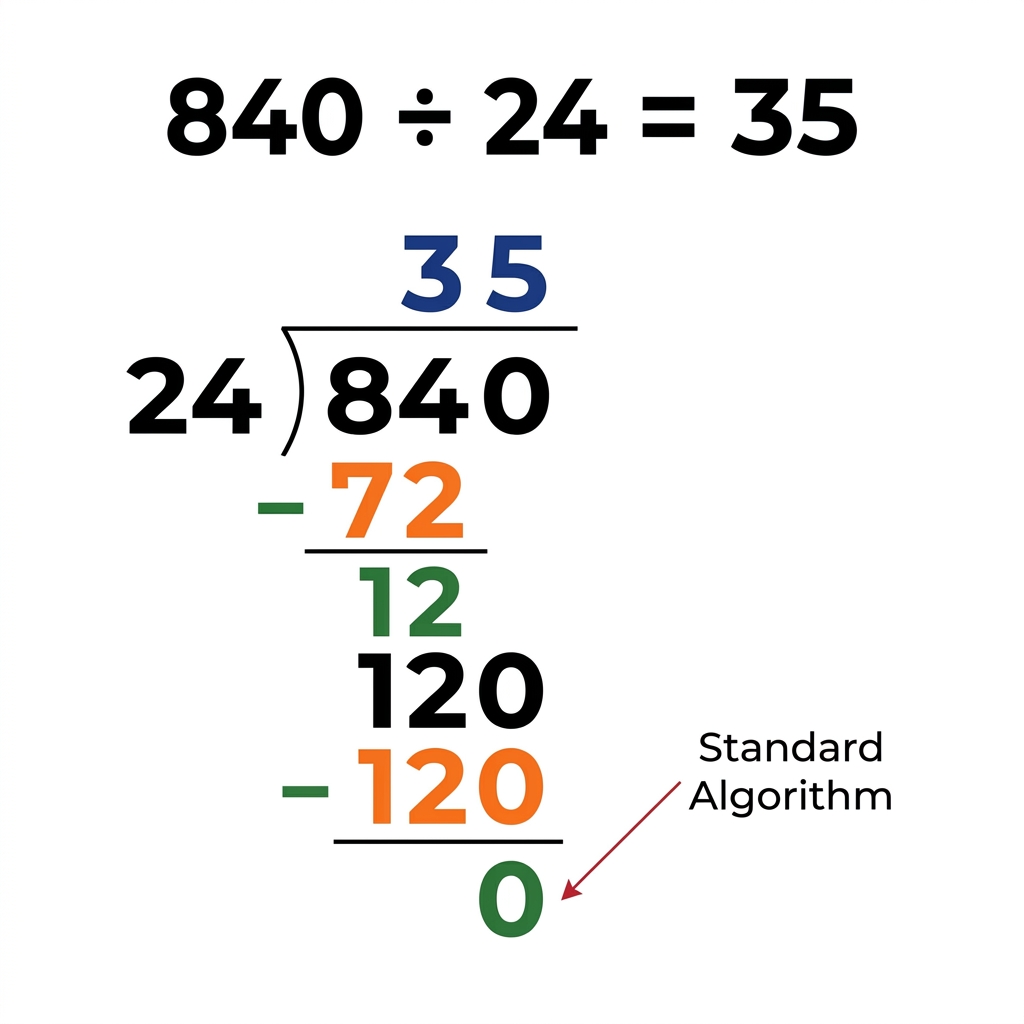
Mastering Long Division, Covers long division procedures and solving multi-digit division problems
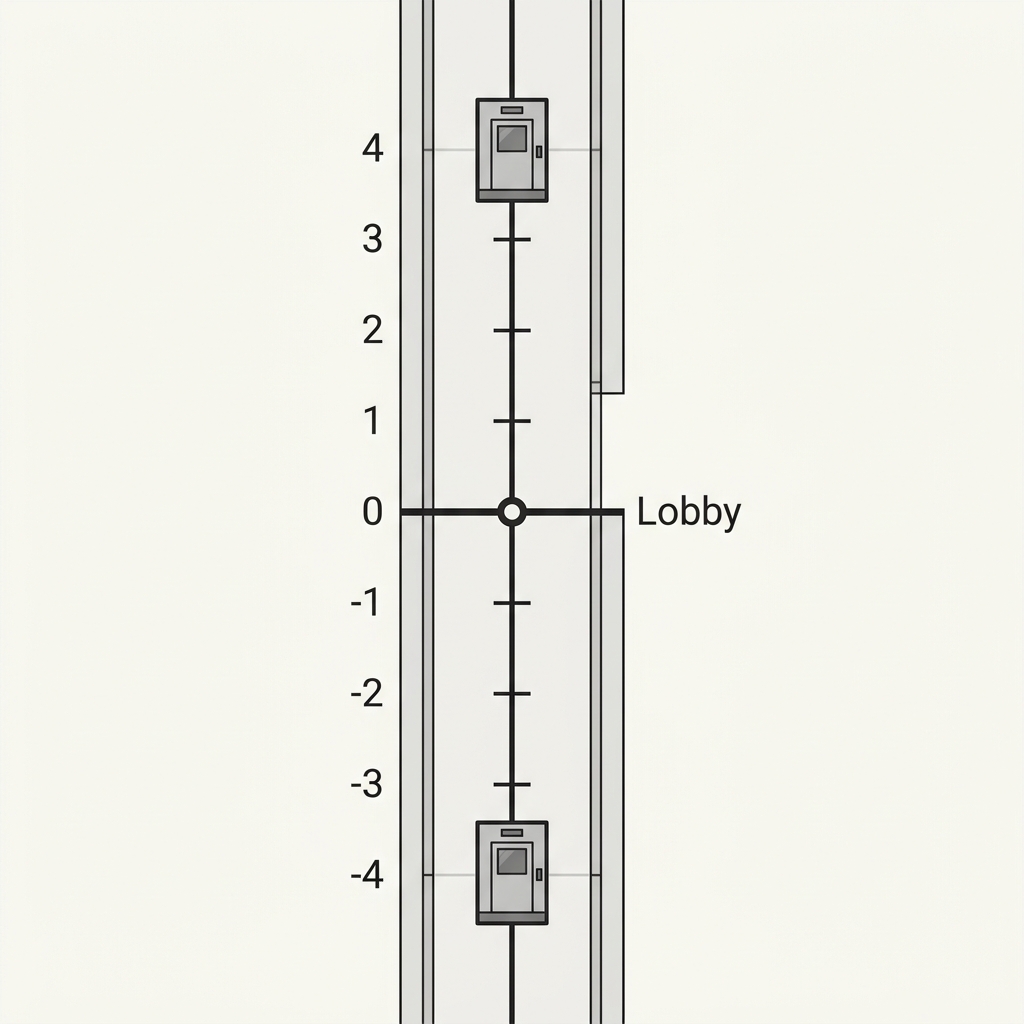
Understanding Rational Numbers and Opposites, Explains the definition of rational numbers and their opposites