

This lesson does not try to teach deep literary theory or complex theme analysis. Instead, it sticks to the basics: how a character’s personality and their personal reasons for doing things actually push a story forward. In this Understanding Characters and Their Actions lesson, students in third grade start with a simple premise. We learn who a character is by watching what they do.
The lesson introduces a greedy king who refuses to share his grain harvest with his people. Because he is motivated by greed, he hoards his food, which leads directly to the townspeople going hungry. This opening example is a clean way to show how a specific trait leads to a specific sequence of events. It is a concept that teachers in Fresno Unified, Los Angeles Unified, Alvord Unified, and Ross Valley Elementary School District rely on to help students connect the dots between personality and plot.
How the lesson builds character understanding
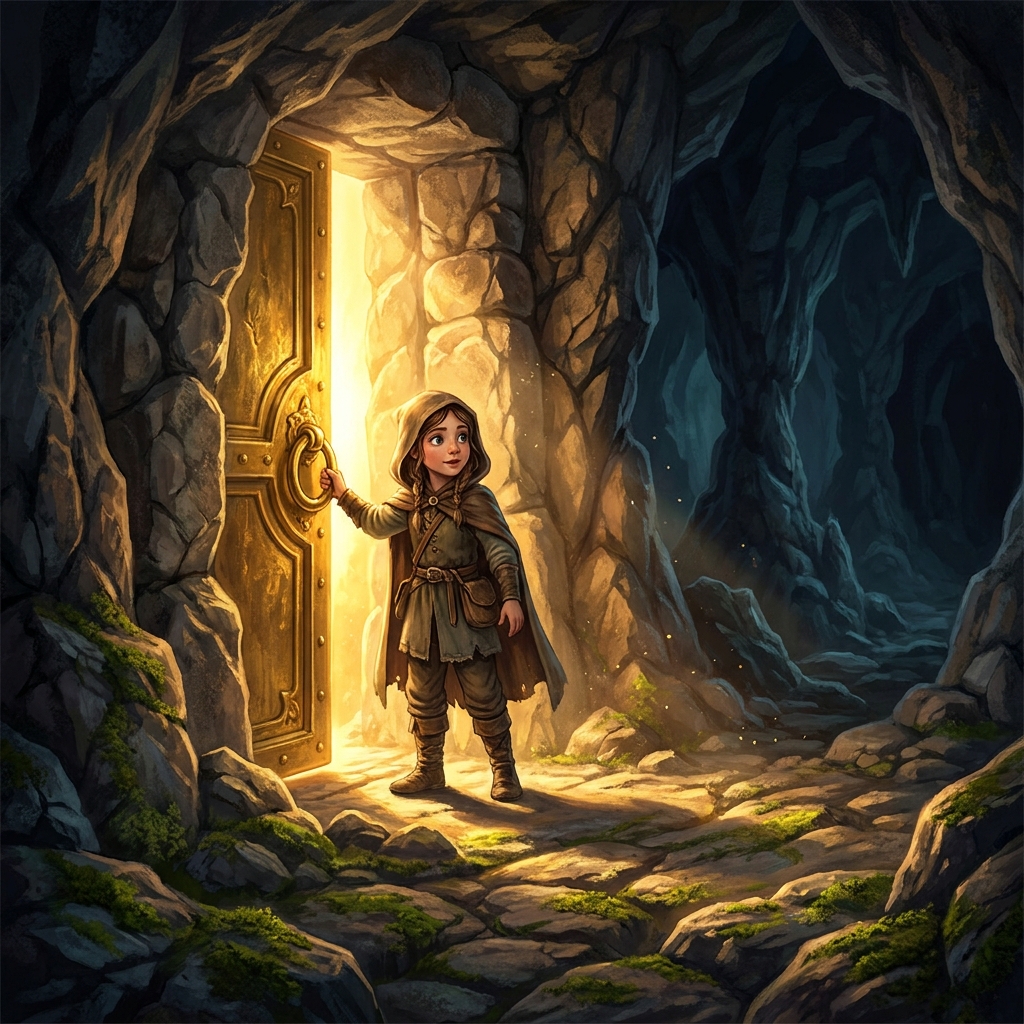
Once the initial concept is established, the material moves to a worked example involving a curious explorer. She finds a heavy, golden door in a cave and chooses to open it. That simple choice triggers a magical light and starts her whole adventure. It is a helpful third grade character analysis lesson because it forces students to see that characters are not just names on a page. They are the engine of the story. If the explorer had walked away, there would be no magical light, and the story would stop before it began.

The vocabulary provided is straightforward and useful for third graders. A character is defined as a person or animal in a story. A trait is a quality like being kind or greedy, and motivation is the reason why a character acts the way they do. These three terms serve as the foundation for the CA.ELA.RL.3.3 standard. This specific standard, which is part of the California-adopted California Common Core for English language arts, asks students to describe characters using their traits, motivations, or feelings and then explain how those actions contribute to the sequence of events. It is a critical piece of the Reading: Literature domain within the Key Ideas and Details cluster.
Applying the skill in the classroom
The guided practice moves away from kings and explorers to focus on a hardworking baker who cares deeply for his neighbors. Students apply the same lens of analysis here, thinking about how his kindness drives his actions and shapes the town’s story. I have found that students often struggle to differentiate between a character feeling a certain way and a character having a specific motivation. This lesson handles that distinction well by keeping the examples grounded in clear cause-and-effect scenarios.

This lesson works well for a few different uses. It is an excellent whole-class assignment for a general education reading block, but it also functions well for a student who missed the week and needs a quick way to catch up on the literature standards. If you are preparing for a substitute day, this content is easy for a guest teacher to facilitate because the examples are self-contained and logical. It avoids the fluff that often distracts students and keeps the focus on the mechanics of the narrative.
The lesson closes with a reminder that this skill matters outside of the classroom. When students read the news or look at a message from a friend, thinking about the reasons behind those actions helps them understand the situation. It frames reading as an exercise in empathy and observation. By treating a character’s experiences with the same seriousness as a biography, students start to see the whole picture of the world the author has created.
Related lessons

Understanding Stories: Finding the Main Idea, Teaches students how to identify the central point of narratives

Finding the Lesson in a Story, Guides learners in uncovering the underlying message or moral theme
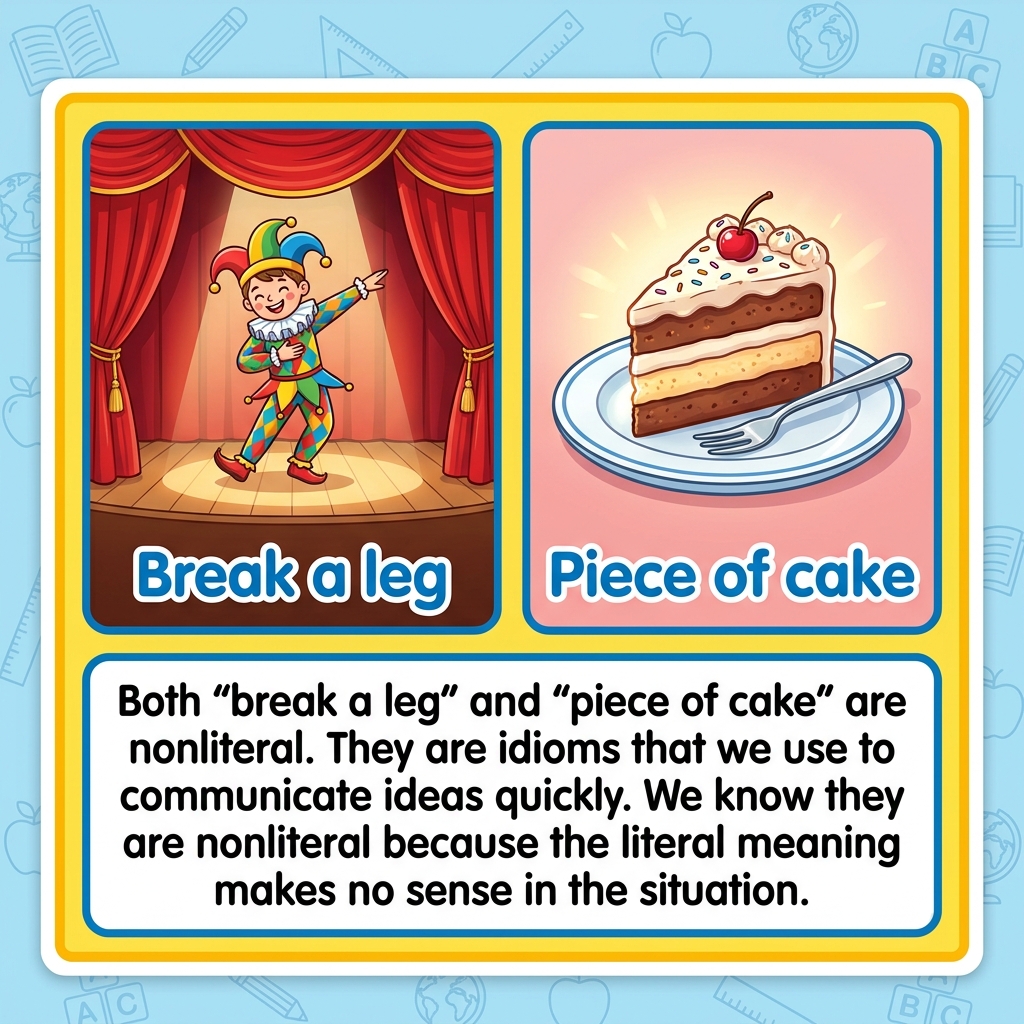
Understanding Words and Phrases, Focuses on interpreting vocabulary and figurative language within literary texts