

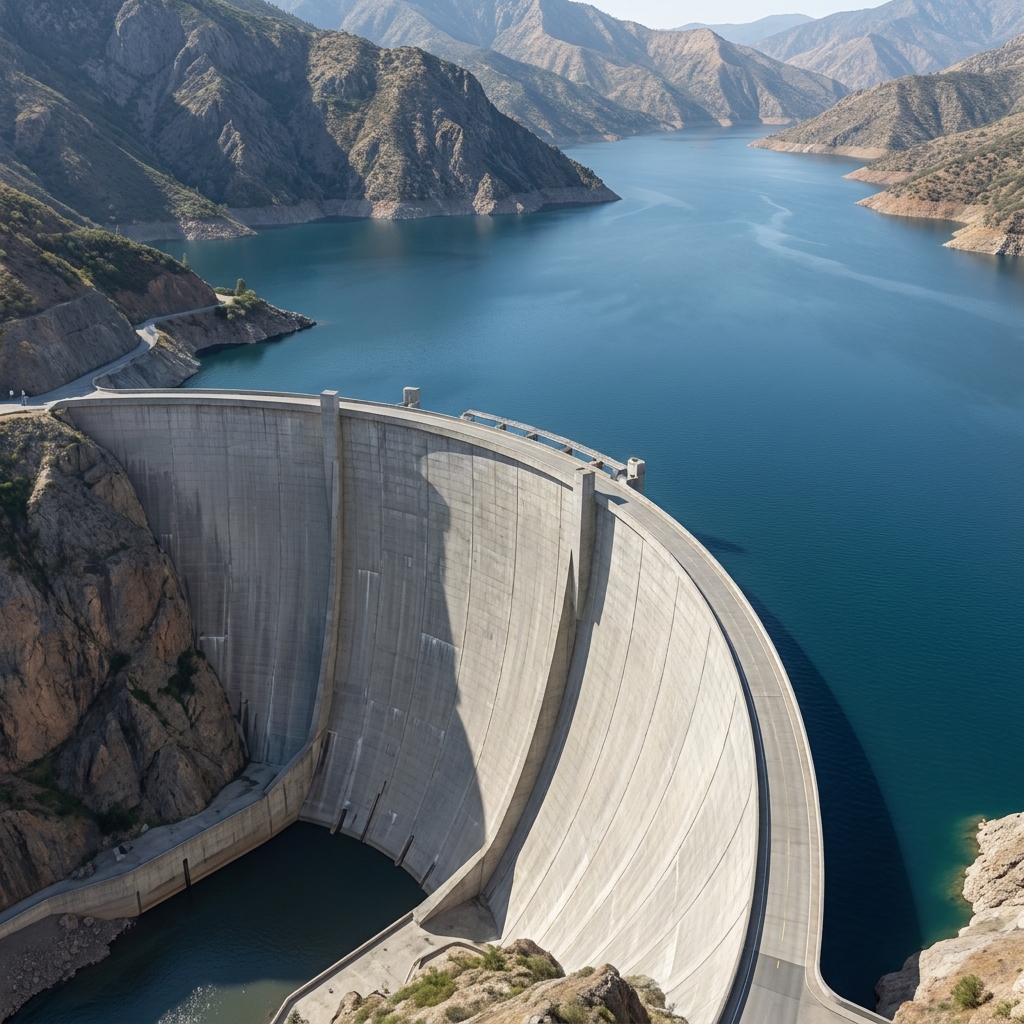
Consider the Shasta Dam for a moment. It holds back massive volumes of water to create a reservoir. That single action shifts the flow of the river downstream, which immediately changes the lives of fish populations and the productivity of the farms that depend on that specific water supply. Because the dam alters the flow of the water, it is a clear example of a complex system that middle school students need to understand. California’s Water System is an 8th grade science resource that moves beyond basic diagrams to show students how these pieces fit together.
In 8th grade Earth and Space Science, we often ask students to memorize the components of the water cycle. However, this lesson pushes for something harder and more necessary. It asks students to analyze the cycle as a complex system. When you use this 8th grade Earth and Space Science lesson, you are teaching students to see the invisible connections between human choices and environmental health. The material defines a watershed as an area of land where all the water that falls as rain or snow drains into the same river, lake, or ocean. It also defines groundwater as water stored under the surface of the Earth in the spaces between rocks and soil. These are not just definitions. They are the tools students need to start building an argument about how we change the land.
The lesson maps directly to CA.MS-ESS2-4.EPC. This is the California-adopted standard that expects students to analyze the California water cycle as a complex system, evaluating how human activities like damming, groundwater pumping, and land-use changes affect water availability and quality. Teachers in Compton Unified, Twin Rivers Unified, Carlsbad Unified, and San Dieguito Union High School District know that this standard is a foundational part of the state science model. The standard is unique because it forces students to think about the environmental principles and concepts that govern our state. It is not enough to describe evaporation or condensation. A student must explain how a dam or a paved industrial site changes the flow and quality of water for both human communities and the natural world.
How the lesson approaches complexity
One aspect I appreciate about this resource is the way it refuses to treat human activity as an afterthought. Many textbooks talk about the water cycle as if humans are separate observers, but this lesson places us directly in the center of the system. The material explains that understanding the water cycle is vital for our future. It points out that when we manage water well, we ensure that there is enough for our farms, our cities, and the natural world. This is a practical and honest framing that resonates with students who live in a state where water access is constantly debated.
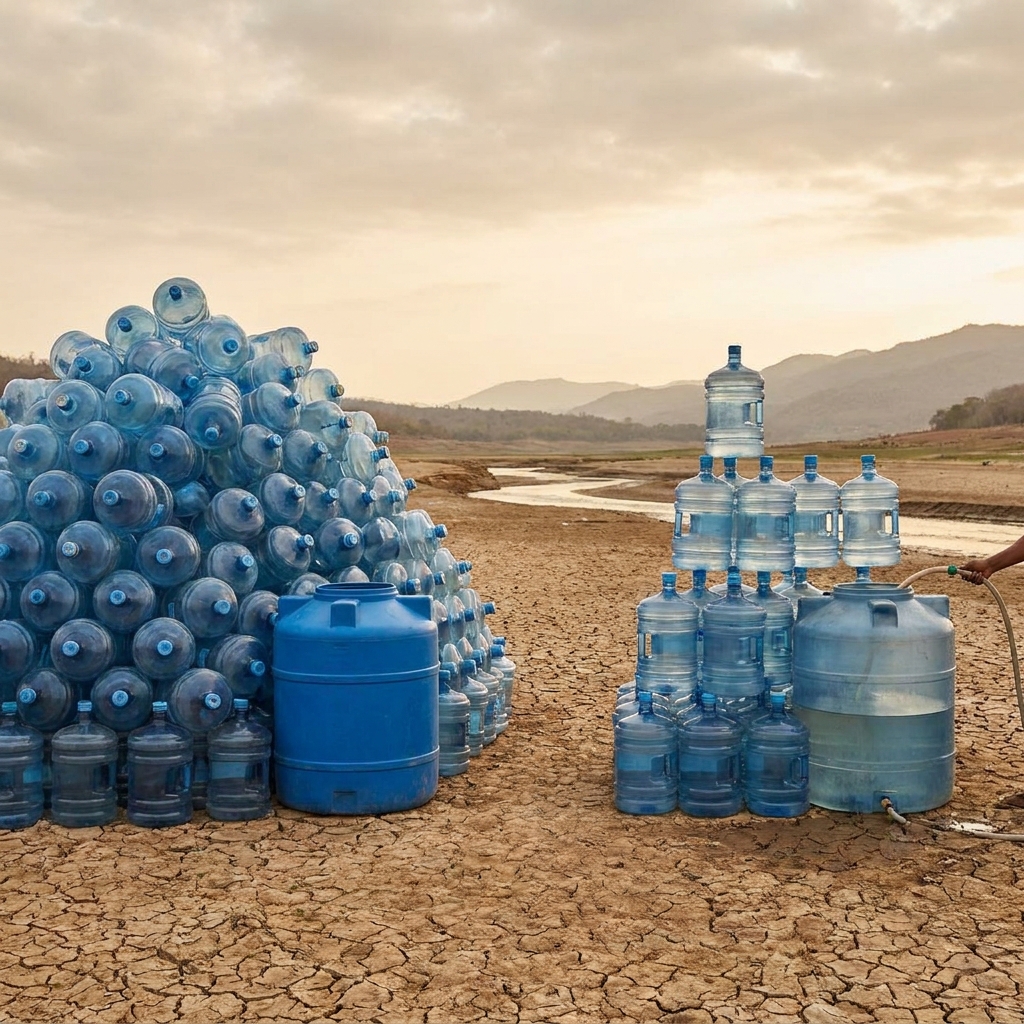
The lesson uses the example of water quality to illustrate the weight of these decisions. It defines water quality as the chemical, physical, and biological characteristics of water that determine its safety for human consumption and agricultural use. Students learn that human activities which degrade water quality often stem from non-point source pollution, such as fertilizers from farms or oil from city streets washing into the water supply. This detail provides a concrete way for students to discuss systemic issues. They learn that because this pollution comes from many diffuse sources, it is difficult to track and expensive to clean. This turns a dry topic into a discussion about policy, economics, and engineering solutions.
Practical application in the classroom
The lesson structure supports a 45-minute period, making it a reliable choice for a whole-class assignment or a day when a student who missed the week needs to catch up on the curriculum. The guided practice is particularly strong because it shifts the focus from the Shasta Dam to a wetland restoration project. Students compare that project, which replaced a paved industrial site, to the dam example. This forces them to apply their understanding of complex systems to a new situation. They have to think about what happens to runoff when you replace concrete with native soil and vegetation.
I find this specific transition essential. It moves students from passive consumption of information to an active analysis of human-made changes to the environment. If you are preparing for a substitute day or setting up independent study, this lesson works because it provides the context, the definitions, and the specific prompts needed for a student to work through the logic independently. The student is not just guessing why water systems matter. They are examining the actual mechanisms that sustain our cities and farms.
Where students struggle
The biggest hurdle for students is usually the jump from describing a system to evaluating it. Most students find it straightforward to label a diagram of the water cycle. However, when asked to explain how groundwater pumping lowers the water table or how land-use changes affect downstream quality, they often reach for vague language. They might say that human activity is bad for the water, but they struggle to explain the process of why it happens. This is where you should lean on the provided vocabulary. Use the definitions for watershed and groundwater to help them build specific sentences. Force them to name the specific source of pollution or the specific way a dam changes the path of the water.
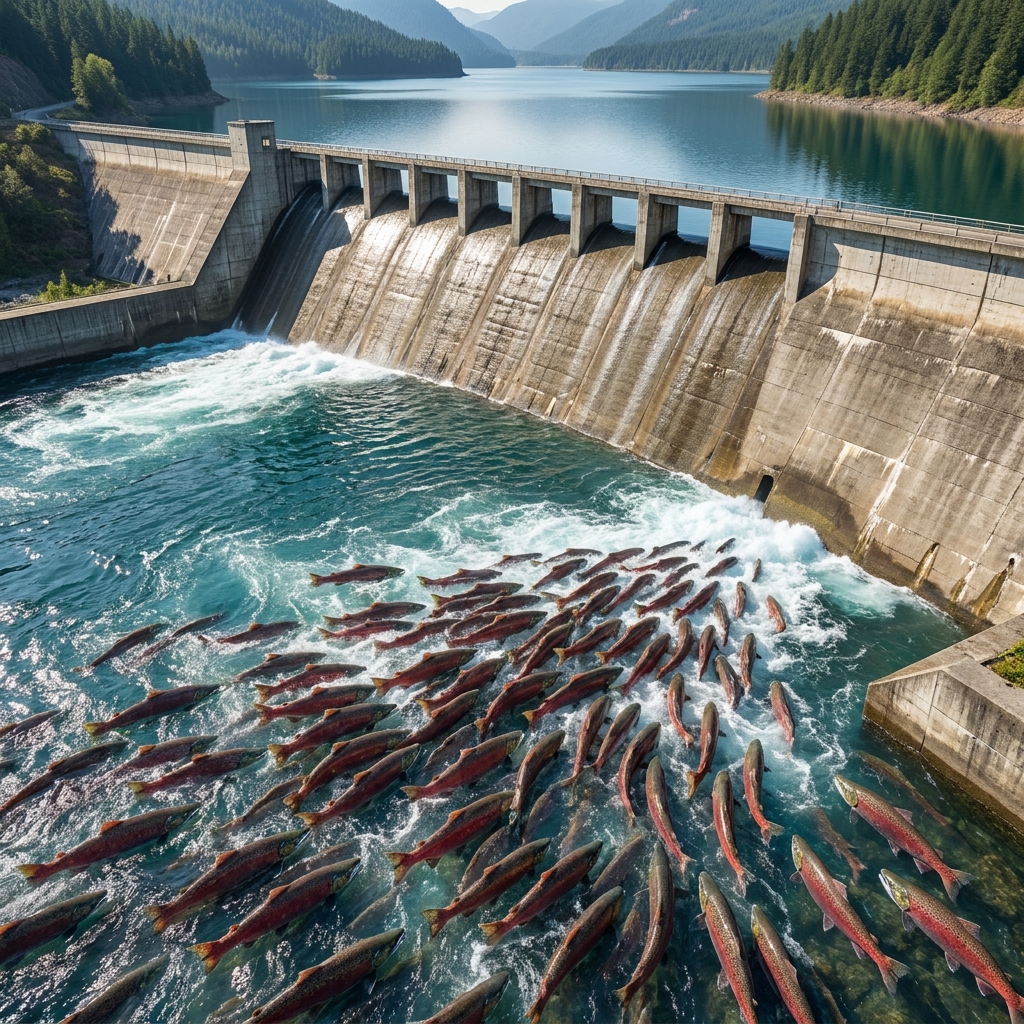
Do not let them slide by with general statements. If a student says that dams are bad, ask them to identify the specific trade-off between water storage for human use and the downstream impact on local fish. The material provides enough examples to support this level of inquiry. The lesson encourages a critical mindset that is necessary for any student growing up in California. By the time they finish the activity, they should be able to explain that our water system is a series of connections where every decision has a consequence that ripples throughout the entire watershed.
Related lessons
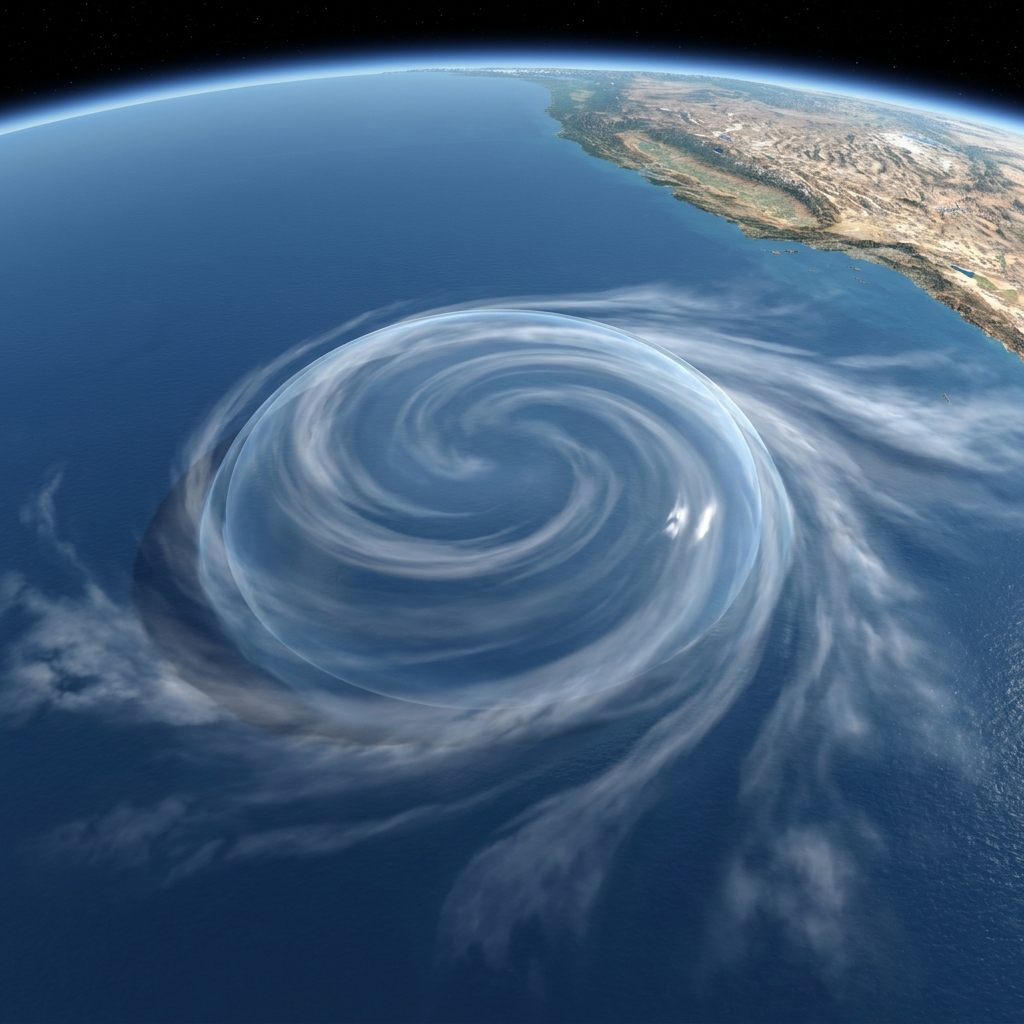
Weather Patterns and Air Masses in California, Explains meteorological patterns and air mass movement across California regions
Cycles of the Earth-Sun-Moon System, Covers orbital patterns and cycles of the Earth-Sun-Moon system
Shaping California: Tectonics, Volcanoes, and Erosion, Details geological processes shaping the landscape of California over time