

I often see my eighth graders struggle to connect abstract environmental concepts to the ground right beneath their feet. When a student asks why they should care about a distant reservoir or a patch of dirt behind the gymnasium, I know it is time to ground the discussion in something local. That is exactly where Monitoring and Minimizing Human Impact on California Ecosystems comes in. It helps your students apply scientific principles to solve problems, rather than just memorizing facts about pollution.
This 8th grade science lesson centers on how human activity alters our natural world. Whether you are using this as a whole-class assignment or a substitute day plan, the material stays grounded in California. It serves the CA.MS-ESS3-3 standard, which asks students to apply scientific principles to design a method for monitoring and minimizing a human impact on the environment. In the same way that educators in Oakland Unified, Elk Grove Unified, San Leandro Unified, and Banning Unified teach this requirement, the lesson contextualizes science within our unique state phenomena. It is part of a curriculum that treats Earth science not as a siloed subject but as an integrated study of life, land, and water.
How the lesson builds understanding
The lesson starts by asking students to look at what they already know about resource management. It uses a clear example of a water treatment plant monitoring nitrogen runoff in a reservoir to keep water safe for fish and plants. This opener is effective because it moves quickly from the general concept of runoff to the specific, technical issue of agricultural chemicals impacting an aquatic environment. You will find that vocabulary such as runoff, ecosystem, and sustainability becomes much more manageable when students see these terms applied to a real scenario about nitrogen levels.
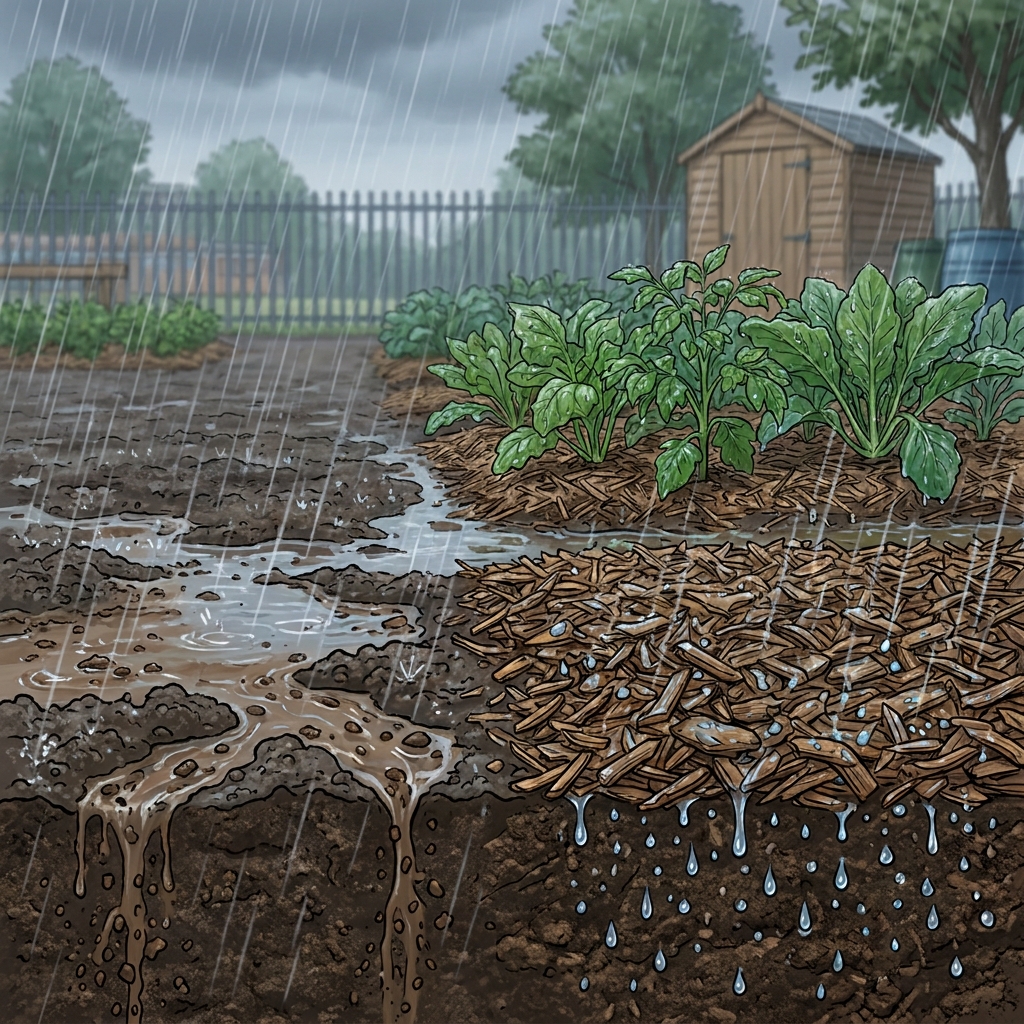
This middle school science human impact lesson is particularly strong because it avoids jargon. It defines runoff as water from rain or irrigation that flows over the ground and carries substances like fertilizers or soil into streams. By clarifying these terms early, the lesson prepares students to tackle the core objective: designing ways to monitor and reduce human impacts on the specific California environment.
Designing solutions for local environments
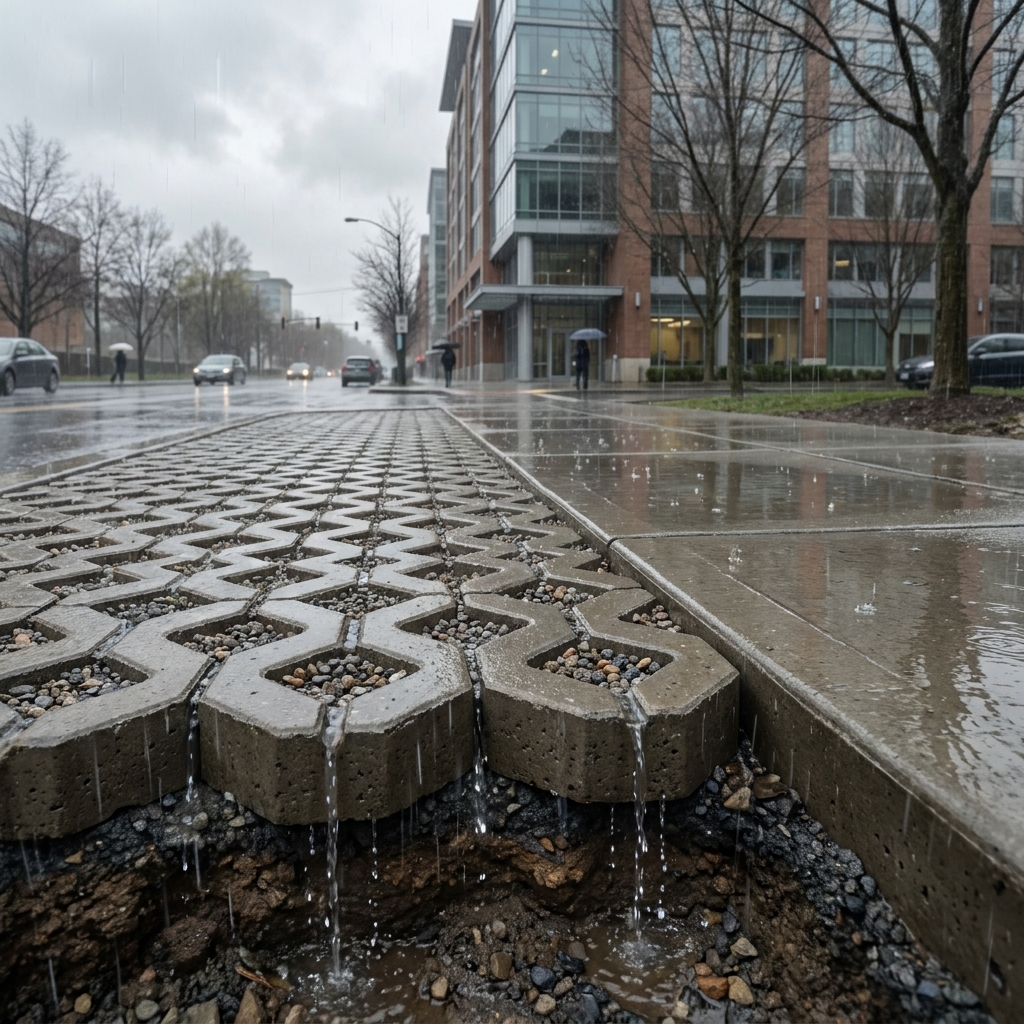
The heart of the lesson is a worked example that makes abstract design feel concrete. It introduces permeable pavement as a solution for urban runoff. This is a smart choice because it shows how something as simple as changing the material on a driveway can stop pollutants from washing into our rivers. It demonstrates that managing land requires thoughtful planning and technical solutions. It is not just about stopping development but about changing how we build to keep water in the ground where it belongs.
Students then apply these ideas themselves. The guided practice asks them to consider the impact of a proposed housing development on a local vernal pool ecosystem. Since vernal pools are temporary wetlands that support rare plants and animals, the stakes feel high and immediate. This activity satisfies MS-ESS3-3 by forcing them to think like engineers who have to balance human needs with environmental preservation. It is a productive way to see if your students can move beyond basic recycling concepts toward an understanding of true sustainability.
Where the practice leads
I appreciate that the lesson concludes by explaining why this matters. It notes that if we do not manage our land and water carefully, we risk losing the natural resources that our cities and farms depend on for the future. It is a sober, necessary reminder for any eighth grader. The lesson is flexible enough to work for independent study or as an intervention for a student who missed the week of regular class work. It does not try to do everything, which is why it stays effective and focused. You will likely find that your students finish the work with a more nuanced view of how our state functions as one massive, interconnected system.
Related lessons
Unlocking Earth's Past Through Plate Tectonics, Explains how tectonic movement shapes the history of our planet
Investigating Climate Change Evidence, Reviews data sets to understand the causes of global warming
Weather Patterns and Air Masses in California, Details how different air masses create unique California weather events