


A parent once asked me why we waste time teaching five-year-olds to plan their day when they can barely tie their own shoes. I told them that the skill of planning is the bedrock of logical thinking. We are not just teaching them how to organize a schedule. We are teaching them how to think like a computer programmer before they ever sit down at a keyboard. This is exactly what the lesson Making a Plan tries to capture for our youngest learners.
This kindergarten computer science planning lesson is built around one clear objective: I can make a plan for my day. In a classroom, we often see students struggle to transition between activities because they lack a mental map of what comes next. By using this lesson, you help them understand that a day is not just a random collection of events but a deliberate sequence. It teaches them that goals have starting points and ending points, and that you have to list the steps in order to arrive at the right outcome. The vocabulary is simple, but the cognitive work is heavy for a five-year-old.
The primary standard being served is CA.CS.K-2.AP.14. This California-adopted standard from the California computer science standards asks students to develop plans that describe a program’s sequence of events, goals, and expected outcomes. Let us pull that standard apart because it sounds intimidating when you apply it to a kindergartner. To develop a plan means the student must intentionally choose the order of their tasks. When we ask them to define a sequence of events, we are asking them to recognize that the order of operations matters. If you try to put on your shoes before your socks, the outcome is different than if you follow the correct order. The goal is the thing they are trying to finish, and the expected outcome is the proof that they finished it correctly.
This is the same standard taught in the Ontario-Montclair School District, the Palmdale Elementary School District, the Sylvan Union Elementary School District, and the Perris Elementary School District. Teachers across the state use this common framework to prepare students for higher-level programming. The benefit here is that you can adapt this lesson for a whole-class assignment when you have a spare fifteen minutes, or use it for a student who missed the week and needs to catch up on the logic unit. It is also a great tool for an independent study session where you want to focus on executive function.
How the lesson builds logic
The lesson moves students through the process of defining a problem and then creating a step-by-step solution. It is refreshing to see a lesson that keeps the focus on the actual logic of sequencing rather than burying the concepts under too much technology. Students start by identifying a goal for their day. Maybe it is finishing their work or cleaning up a station. They then describe the sequence of events needed to reach that goal. This requires them to slow down and explain their reasoning to a peer or to you. If a student says they will eat lunch before they go to class, they have to evaluate if that sequence leads to the goal of having a productive school day.

The limitation here is that some students will naturally struggle with the abstract nature of planning if they have not developed the patience to stop and think before they act. You will have students who want to skip the planning phase and jump straight into doing. That is where you come in as the guide. You have to enforce the rule that no work begins until the plan is written or drawn out. If they cannot explain their sequence, they have not developed a plan. It is a tough rule for some, but it is necessary for building the habits that lead to success later on.
The importance of identifying outcomes
A big part of this lesson involves defining what a successful outcome looks like. If the goal is to clean up the art corner, the expected outcome is not just that the materials are put away, but that the table is clean and the markers are in their bins. Students need to know what ‘done’ actually looks like. By forcing them to verbalize the expected outcome, you are training them to check their own work. They start to ask themselves if their sequence of events matches their end goal.
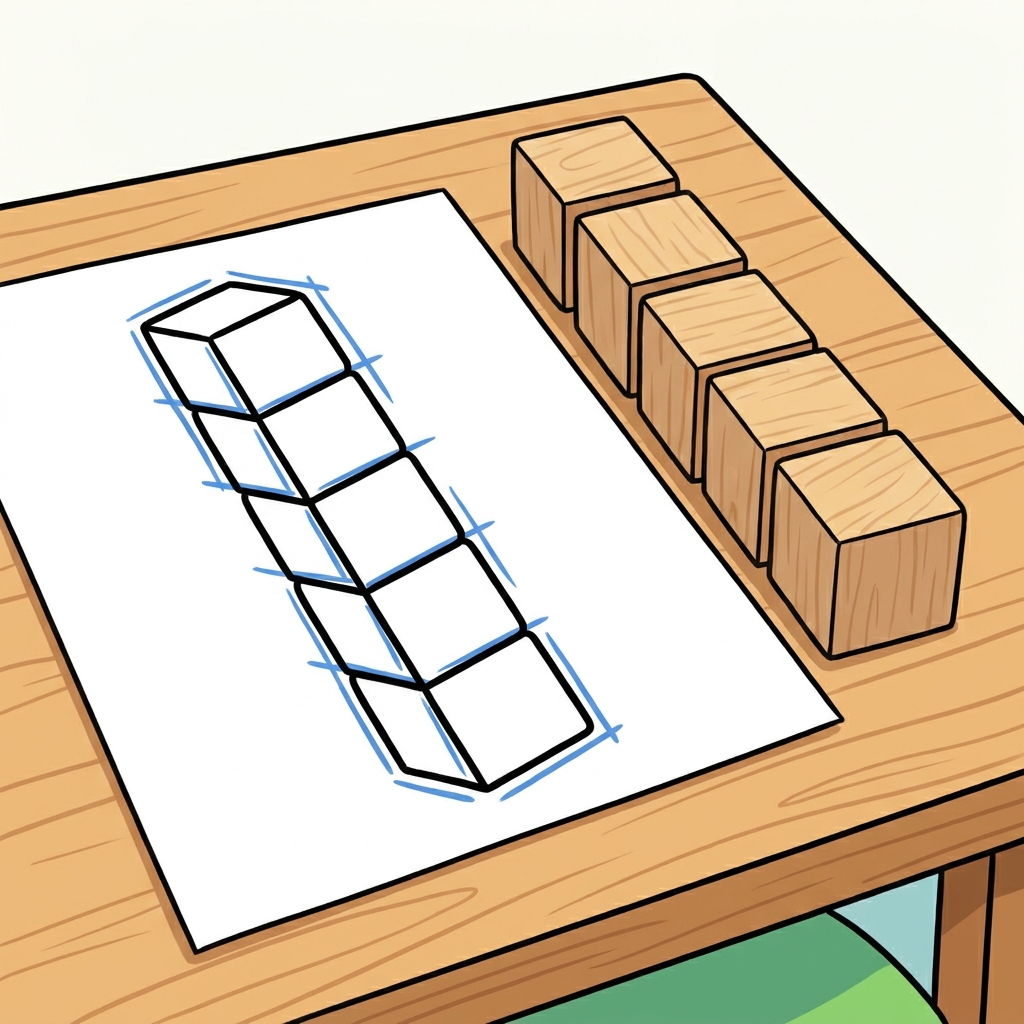
I find that this lesson works best when you keep it conversational. Ask students to justify why they put step two before step three. If they realize their order is wrong, praise the realization. That moment of error correction is the exact moment they are doing the work of a programmer debugging a project. It turns a simple daily routine into a lesson on algorithmic thinking. It makes them the architects of their own time instead of just passive participants in the daily schedule. If you use this during a substitute day, make sure the substitute knows to focus on the reasoning behind the plan, not just the completion of the worksheet. The value is in the thinking process, not the paper itself.
When you have a student who is struggling with classroom behaviors like staying on task, this specific framework is a lifesaver. Give them the chance to draft a plan for their morning, and watch how it changes their focus. They are no longer just reacting to their environment. They are following their own pre-set algorithm. It is a simple shift in perspective, but it is one that will serve them well long after they leave your kindergarten classroom. This is the core of what we are doing when we teach computer science at this level. We are teaching them that if they can name the goal and structure the sequence, they can solve almost anything they encounter.
Related lessons
Counting Our World, Teaches fundamental counting skills using objects from the classroom environment
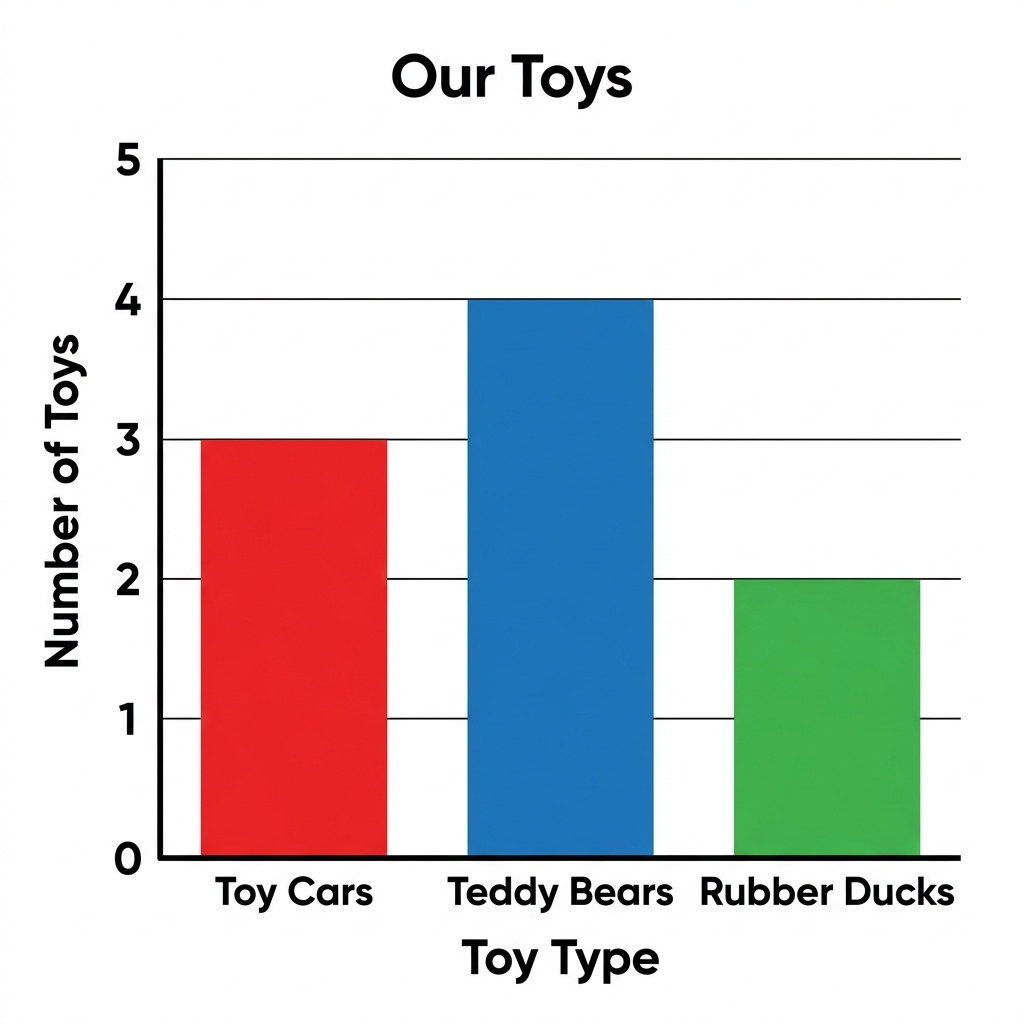
Finding Patterns in Charts, Helps students identify visual and logical patterns in data charts

Fixing the Pattern, Guides students in identifying and correcting errors in logical sequences