

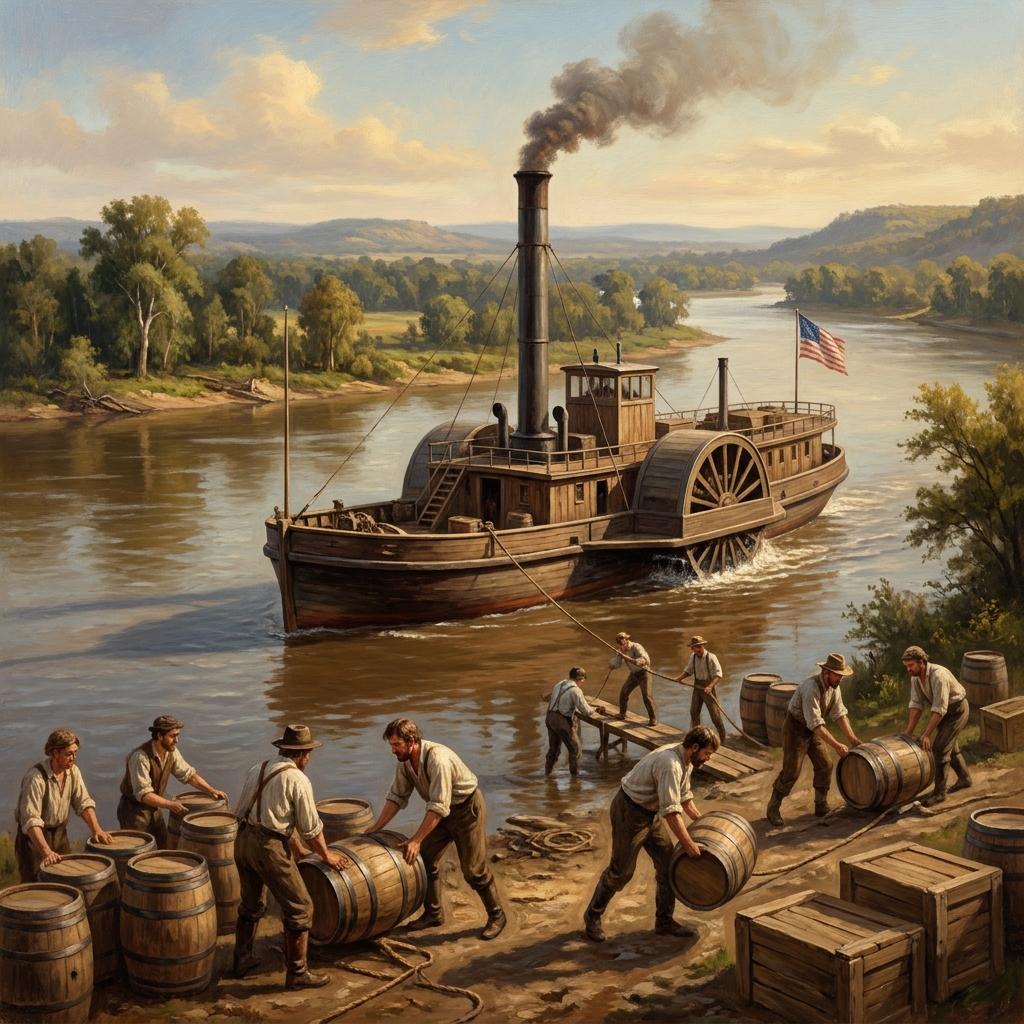
I remember a student once staring at a blank map of the American West, genuinely confused why anyone would bother fighting over a dried-up creek in the middle of nowhere. It is a common moment in 8th grade social studies. Students see the wide-open spaces of the nineteenth century and assume that land was the only prize. The Rivers and Rights in the American West lesson does a great job of shifting that focus from land to the real catalyst of expansion: water.
The lesson starts by framing rivers as the highways of the nineteenth-century American West. It explains how trappers and traders relied on the Missouri River to move furs and supplies, pointing out that geography dictated exactly where people built their settlements because access to these water routes was essential for trade and survival. This simple premise sets the stage for the rest of the unit, helping students understand why the settlement patterns of the 1800s were never random.
How geography dictated expansion
The California-adopted standard we are targeting here is CA.HSS-8.8.4, which asks students to examine the importance of the great rivers and the struggle over water rights. To unpack this, I look at the standard in two distinct parts. First, it requires an examination of the importance of the great rivers. This is not just memorizing the names of major waterways; it is about recognizing them as economic lifelines. The lesson uses the example of steamboats on the Mississippi River to show that because the river was deep and wide, it allowed for massive trade that supported the economies of entire states. If students do not grasp that water equals economic power, they will miss the stakes of the conflict that follows.

Breaking down the standard
The second part of the standard is the struggle over water rights. This is where the lesson gets opinionated and challenging. It forces students to move beyond simple memorization and apply logic to a hypothetical scenario. In the guided practice, students consider a mining company and a farming community competing for the same river flow in a dry valley. They have to decide how these groups might resolve their conflict. It is a fantastic exercise because there is no single right answer, just as there was no single clean solution in the real 19th-century West. Teachers in the Tulare City School District, Clovis Unified, Dry Creek Joint Elementary School District, and McFarland Unified all work with this same standard to help their classes understand the legacy of these conflicts.
Why this matters for students
I find that the best part of this lesson is how it connects historical struggles to current events. The why-it-matters section makes it clear that water rights are still a live issue. The rules created in the 1800s often influence how we manage our water supply today. When students understand that the historical struggle for a river is linked to their own lives, they tend to pay more attention. They realize that when they vote or participate in community decisions later in life, knowing how water is shared will actually help them make sense of the issues they face.
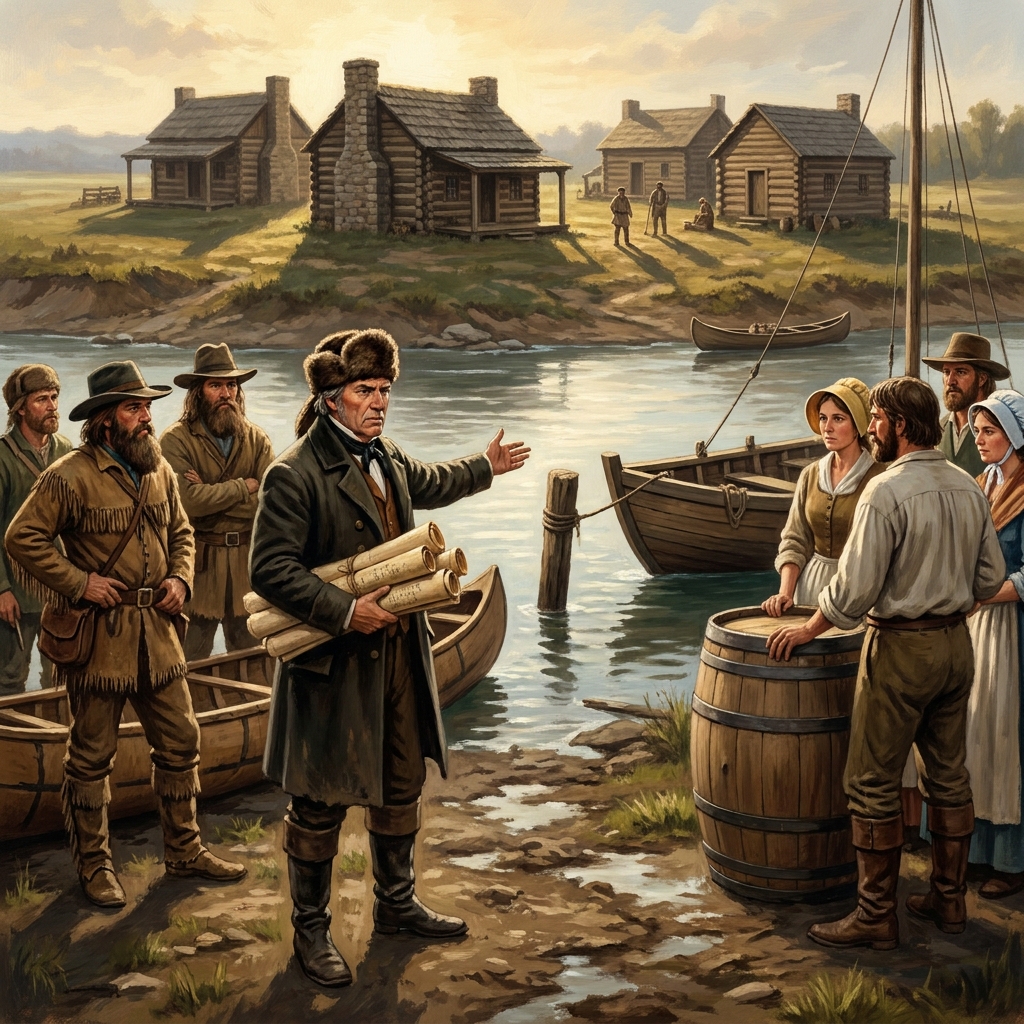
If you are looking for a solid 8th grade water rights lesson, this is a clean, effective choice. It covers the material in about 45 minutes, making it a reliable option for a whole-class assignment, an intervention session, or a day when a substitute needs something substantial for the students. It does not try to do too much, which is a relief in a crowded curriculum. It focuses on the direct relationship between economic development and the legal battles over access, and it stays focused on that theme from start to finish.
My one caveat is that the hypothetical scenario requires a bit of teacher facilitation to really get the sparks flying. If your class is quiet, push them on the moral weight of the competing claims. Ask them who deserves the water more, the farmer who feeds people or the miner who creates the state’s initial wealth. It forces them to grapple with the same trade-offs that settlers dealt with for decades. It is exactly the kind of critical thinking that the California framework aims for in US History: Growth & Conflict, Grade 8.
Related lessons
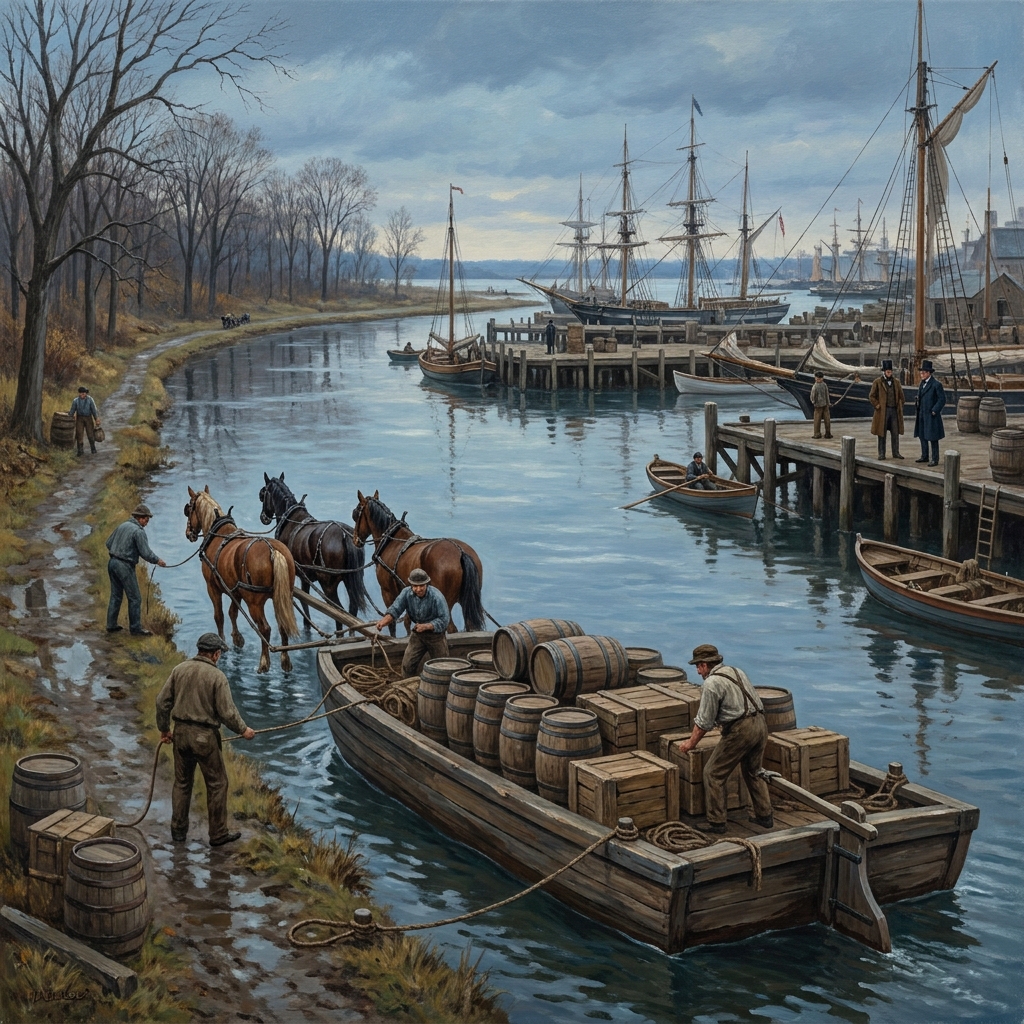
Geography and Economic Growth in 19th-Century America, Explains how terrain and location shaped early nineteenth century economic patterns
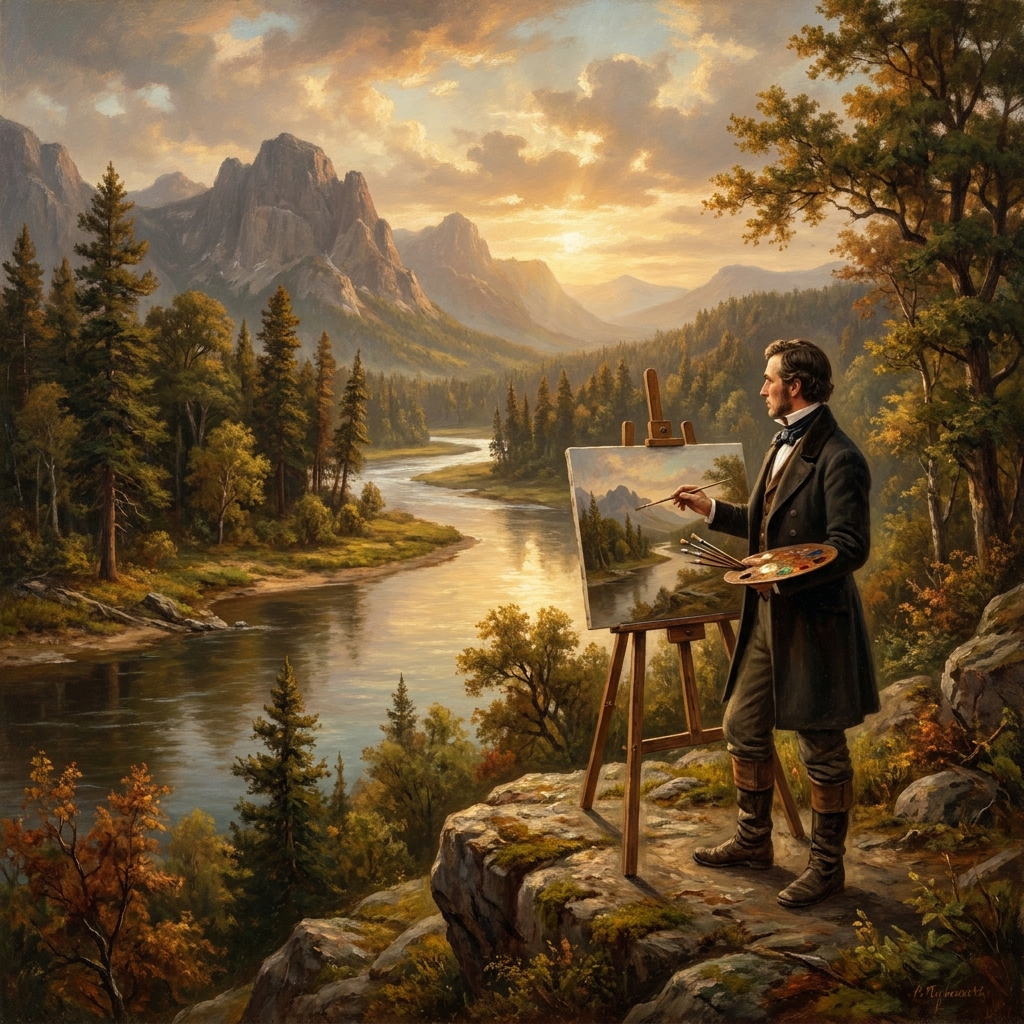
Individualism and Nature in 19th-Century American Thought, Analyzes how nineteenth century Americans viewed their relationship with the land
Building Community: Black Institutions in the North, Describes how Black institutions formed in the North before the war