

Kindergarteners often think being a good person just means sitting still and keeping their hands to themselves. They equate goodness with compliance. While rule-following is a start, it misses the larger point of character development entirely. Being a Good Person introduces your students to the deeper concepts that form the bedrock of citizenship, moving past simple obedience into the practice of personal integrity and ethics.
In this kindergarten social studies lesson, students explore what it actually means to have a moral compass. The material asks them to identify examples of honesty, courage, determination, individual responsibility, and patriotism. By pulling these concepts from American history, world history, and traditional folklore, the lesson provides concrete scenarios that kids can actually grasp. It is not about lecturing; it is about examining stories and discussing the choices characters make.
Understanding the state requirements
The core of this work is CA.HSS-K.1.2, a standard that asks children to identify those five specific virtues, honesty, courage, determination, individual responsibility, and patriotism, in the context of stories and folklore. This is the same standard taught in districts like Capistrano Unified, Palmdale Elementary School District, Vacaville Unified, and Eureka Union School District. The standard assumes that if a student can see these traits in a hero or a historical figure, they can eventually recognize and model them in their own social interactions on the playground or in the classroom.
Breaking down that standard, you can see why it matters so much. Honesty is not just telling the truth when caught, but owning mistakes. Courage is the bravery to do what is right even when peers are not. Determination is sticking with a task when it gets frustrating, a skill our five and six-year-olds need daily. Individual responsibility is the realization that their actions have an impact on the classroom community. Patriotism, at this age, is translated as an appreciation for the values and symbols that define our country and community history.
How to implement this lesson
When you use this kindergarten social studies character lesson, you are giving students a shared vocabulary. I find that when we read a story, I can pause and ask: Was that character showing determination? Was it honest? This keeps the concepts alive rather than letting them stay abstract. The lesson itself is concise, taking about 15 minutes, which is exactly how long you can hold their attention on a topic like this before they start squirming. It is perfect for a quick morning meeting start or as a lead-in to a reading block.
Some teachers might argue that these concepts are too heavy for children just learning to read, but I have found that kindergarteners are remarkably insightful about right and wrong. They are at the age where they are obsessed with fairness, which is the perfect gateway to teaching individual responsibility. Using stories and folklore allows them to analyze the motivations of others without feeling like they are being put on the spot for their own past mistakes.
When and where this fits
I have used this type of material for whole-class assignments at the start of the year, but it also works exceptionally well for a student who missed the week and needs a quick way to catch up on social-emotional expectations. If you have an independent study student who needs to do some self-reflection, this provides a structured framework for them to work through at home or in a library corner. It is also a lifesaver for a substitute day; the material is accessible and requires very little prep for whoever is covering your room. Because the lesson focuses on building a culture of kindness and personal accountability, you will find it returns dividends for the rest of the school year. You are building the classroom norms one story at a time.
Related lessons
Our Special Holidays, An introduction to national holidays and their cultural significance
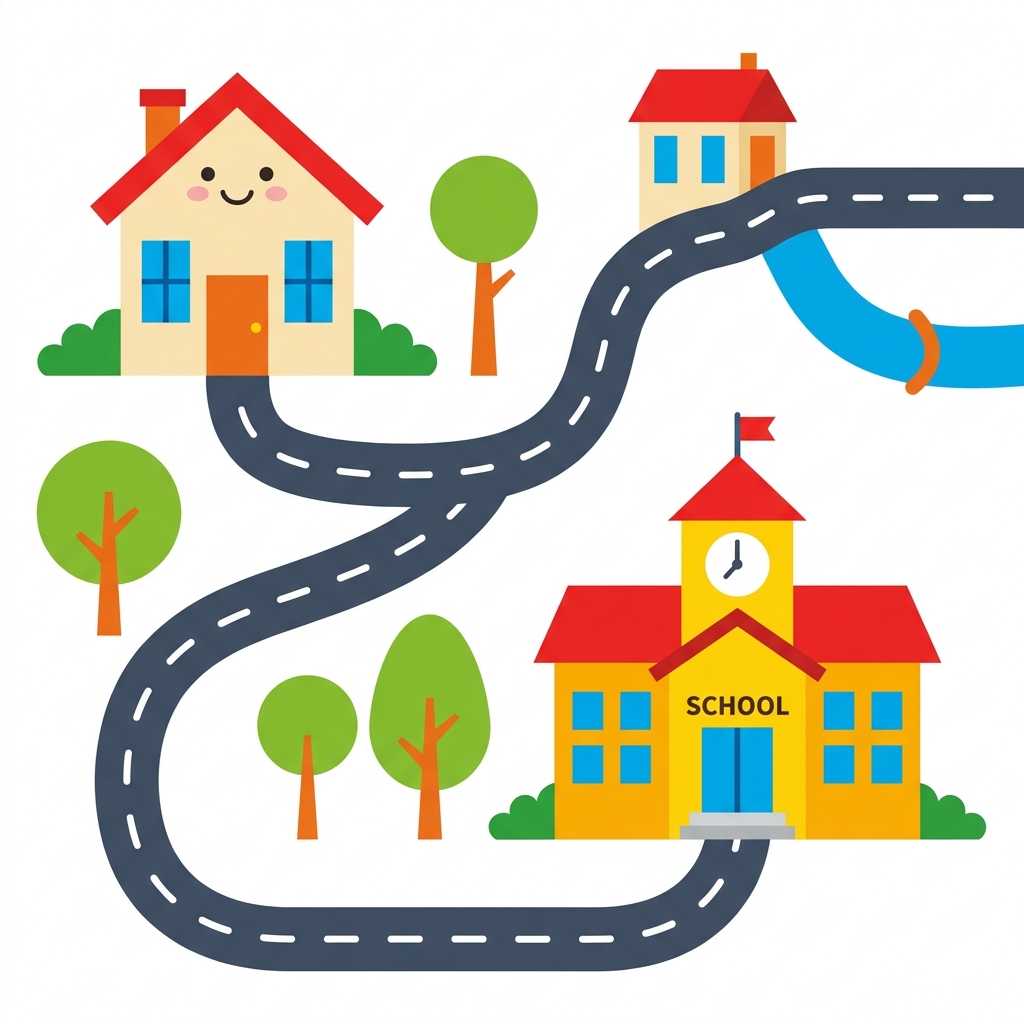
My Town Map, Building basic map skills by exploring the local community
My Home and My School, Identifying the differences and roles of home and school environments