

When you are deep into the curriculum for the sixth grade World History and Geography: Ancient Civilizations course, finding a balance between the vast timeline and the human stories that anchor history can be difficult. Your students need more than names and dates. They need to understand the push and pull factors that forced early populations to move, settle, and redefine themselves. The material provided in The Journey of the Hebrew People provides a clean and direct way to handle this part of your unit.
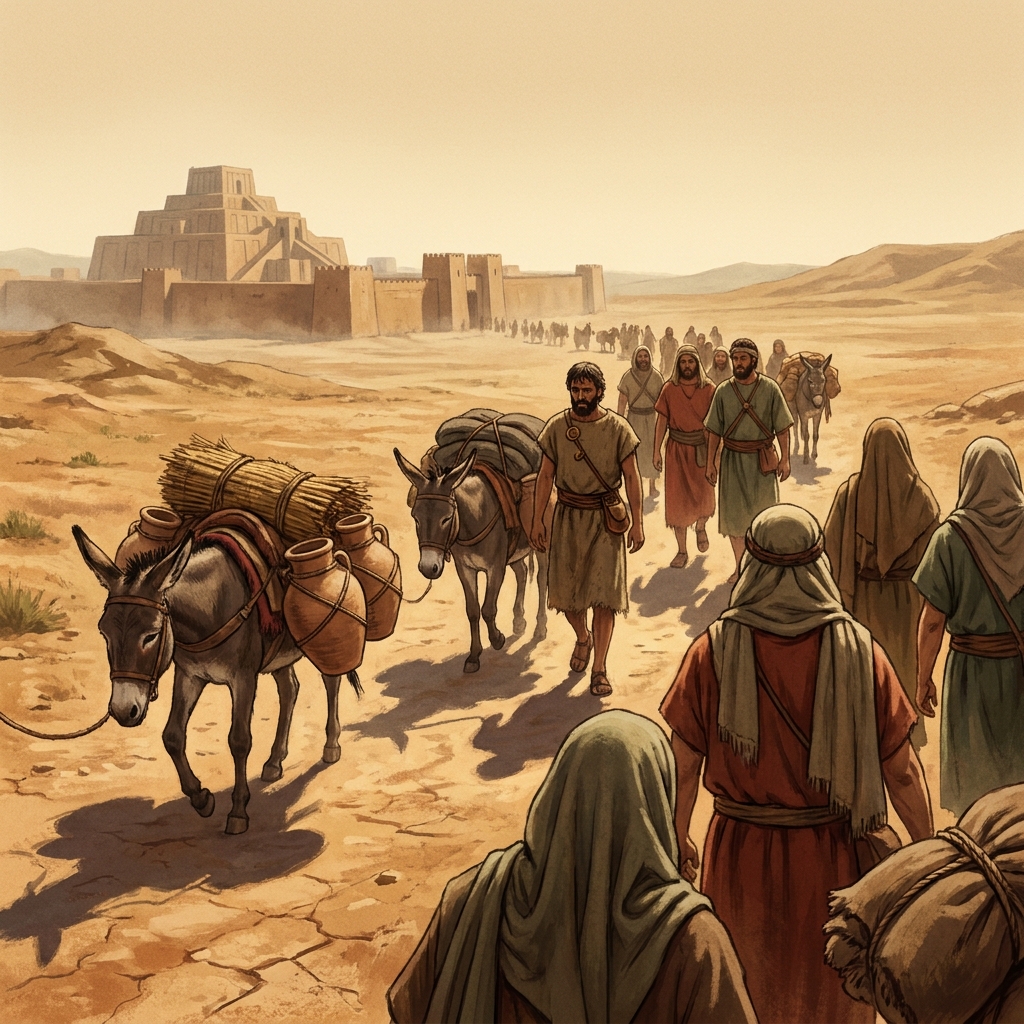
This 6th grade social studies lesson targets the movement of the early Hebrew populations. It begins by grounding the class in the reality of the ancient Near East, specifically explaining what it meant to live as a nomadic people. The material defines being nomadic as moving from place to place to find water and food for herds, noting that a family might travel from a city like Ur toward the land of Canaan to find better grazing land for their sheep. This foundational vocabulary helps students shift their thinking away from modern sedentary life and toward the constant search for resources that dictated the daily experience of these groups.
What the lesson actually asks students to do
The core objective here is for students to describe the movements of the Hebrew people and explain why the Exodus is a significant event in history. To do this, the lesson utilizes the specific concept of the Exodus, which it defines as the mass departure of the Hebrew people from slavery in Egypt, which serves as a foundational story of identity. Your students will see this not just as a random move, but as a return to an ancestral home. The lesson describes an ancestral home as the land where one’s ancestors lived and which holds deep cultural or religious meaning for a group. This distinction is vital for sixth graders because it shifts their understanding from a simple migration map to an emotional and cultural connection to land.
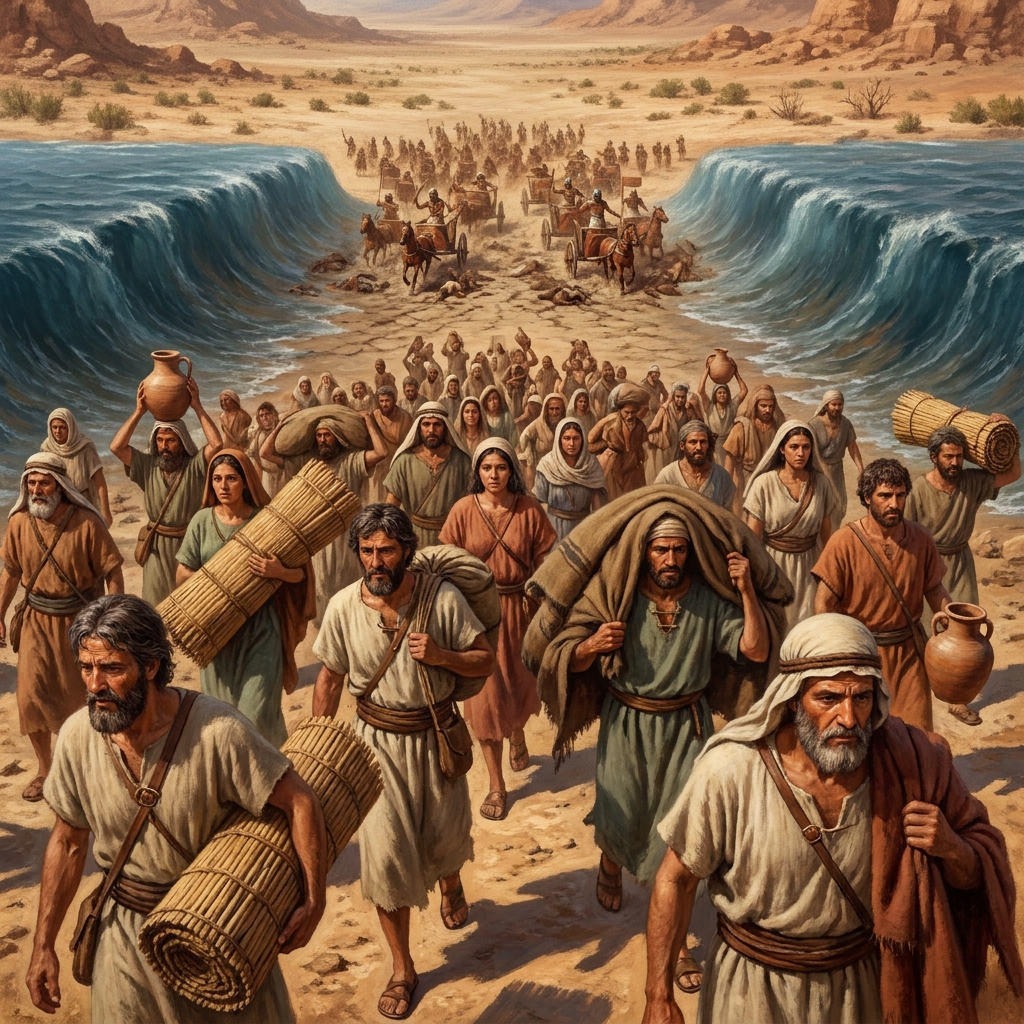
The lesson uses the crossing of the Red Sea as a specific worked example to illustrate the concept of liberation. It explains that this event is a key part of the Exodus because it marks the moment the Hebrew people escaped their pursuers and entered the wilderness. This serves to show students the concept of freedom from the control of an Egyptian ruler. It is a solid, concrete example that you can build on if you want to hold a quick class discussion about what liberation looked like in the ancient world compared to modern times.
This material fulfills the requirements of the California-adopted CA.HSS-6.3.4, which asks students to discuss the locations of the settlements and movements of Hebrew peoples, including the Exodus and their movement to and from Egypt, and outline the significance of the Exodus to the Jewish and other people. This is the exact same standard used across our state, including in classrooms in Long Beach Unified, Elk Grove Unified, Morgan Hill Unified, and Carmel Unified. Whether your students are at the beginning of their journey through ancient history or moving toward the end, this standard helps them grasp how geographic movement creates cultural identity.
One detail I really appreciate about this resource is the focus on why the story still matters. The lesson includes a why-it-matters statement explaining that the story of the Exodus reminds us that human rights are important. When we hear about people fighting for justice, we can see how the idea of freedom has been a goal for thousands of years. This brings a needed perspective to the curriculum and allows your students to connect ancient events to current events in a way that feels organic rather than forced.
Using the lesson in your weekly schedule
I find this resource works perfectly as a whole-class assignment when you are first introducing the unit on the Hebrews, but it is also excellent for a student who missed the week and needs a solid overview of the content. If you have students who need to catch up or if you are planning for a substitute teacher day, this provides exactly what is needed for a forty-five-minute session without requiring a massive amount of preparation on your part.
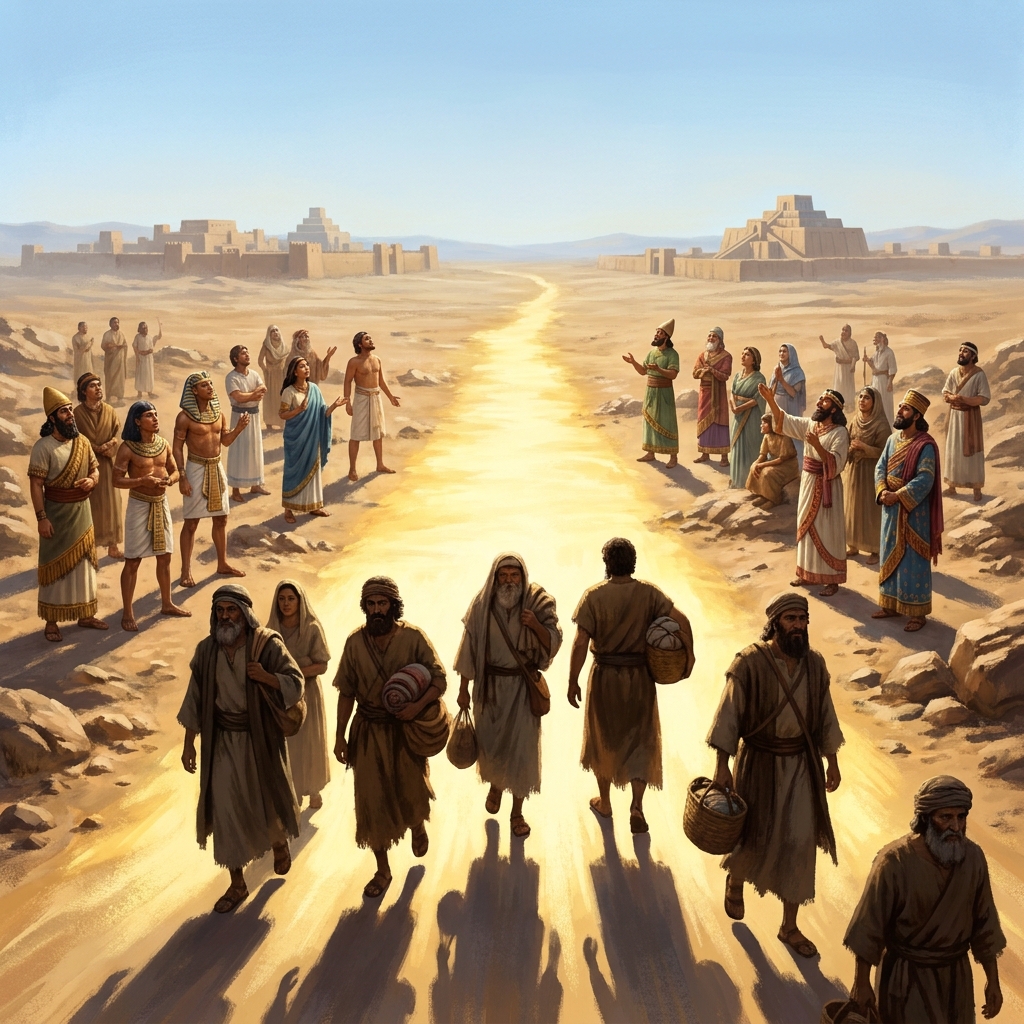
One limitation you should prepare for involves the map work. While the lesson mentions the route from Egypt toward Canaan, it is a difficult path through the wilderness. I suggest having a blank map ready for your students to annotate while they go through the material. Seeing that path and tracking the years involved will help them understand that this was not a quick weekend walk but a multi-year migration that fundamentally changed the Hebrew people. Some students will struggle to visualize the distance. Asking them to compare the distance to a local city or a landmark they know can help bridge the gap in their understanding.
I recommend that you review the nomadic vocabulary carefully with your class before they jump into the main text. Sixth graders sometimes assume that all ancient groups stayed in one place, so reinforcing that early groups were often moving from place to place in search of food, water, or pasture for their animals is a necessary step. It prevents them from projecting their own static lifestyle onto an ancient culture that lived by different rules. Once they grasp that mobility, the rest of the lesson on the Exodus falls into place quite well.
The final section of the lesson allows for some nice reflective writing. You might ask your students to define in their own words why they think the return to an ancestral home mattered so much to a group that had lived in slavery for such a long period. This encourages them to use the vocabulary from the lesson and apply it to the human experience described in the text. It is a simple way to check for understanding before moving on to the next topic in your curriculum map.
Related lessons
Confucius and the Path to Harmony, Explores the teachings and philosophical influence of ancient Chinese philosopher Confucius
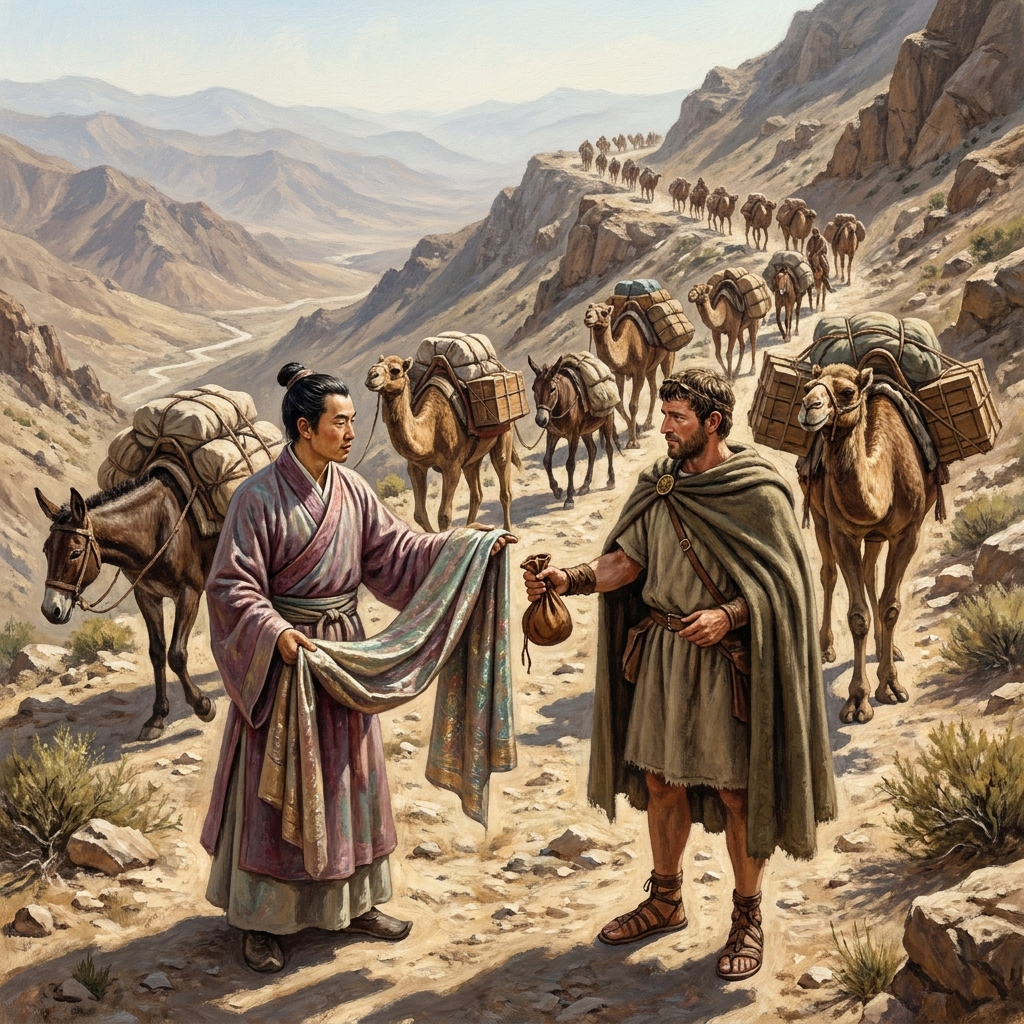
The Silk Roads: Connecting Ancient Empires, Details the historical trade routes linking various civilizations across Eurasia
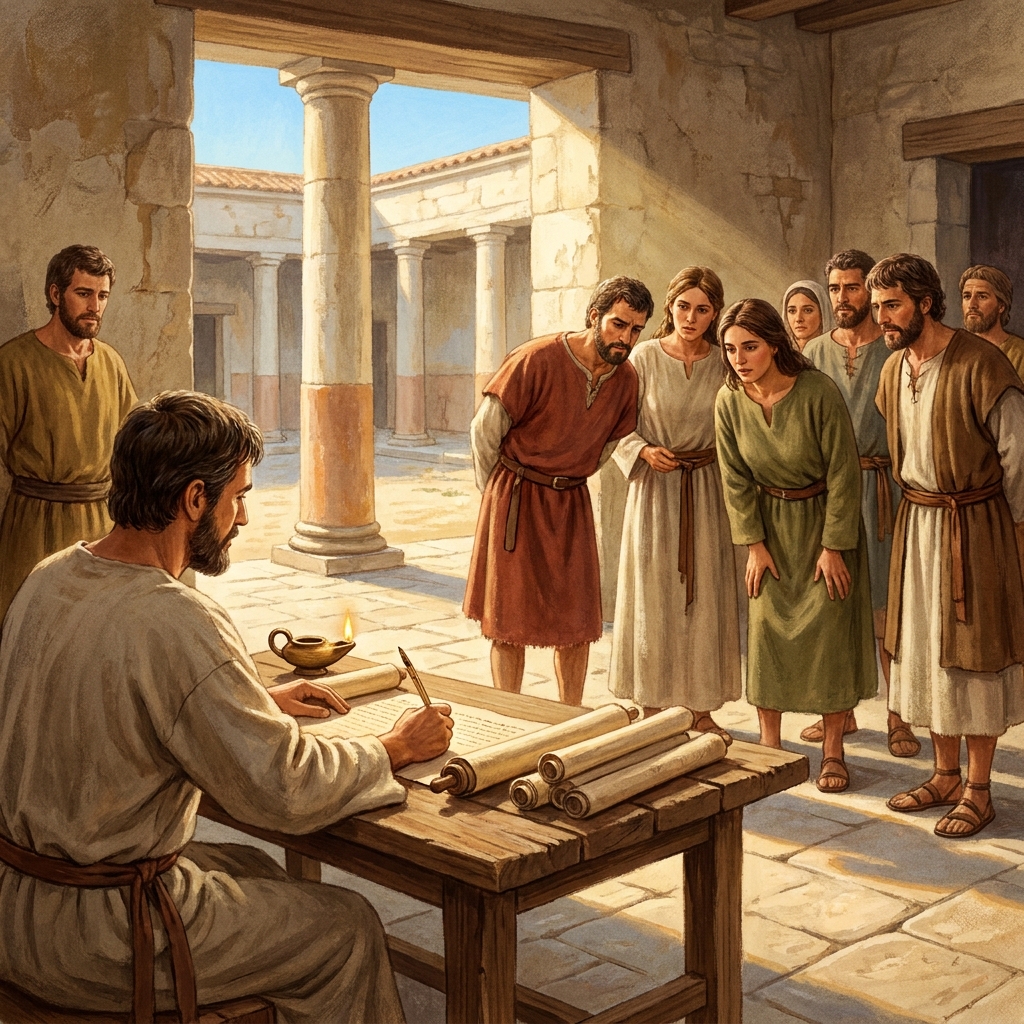
The Roots and Spread of Early Christianity, Examines the origins and expansion of Christianity in ancient times