

I was just looking over Reproduction Strategies in Nature, and it is a solid, direct way to tackle the reproductive success unit in 7th grade science. We have all seen students get bogged down in the vocabulary of life science, but this lesson keeps it grounded by focusing on the ‘why’ behind specific traits rather than just memorizing definitions.
It covers exactly what the students need to know about how plants and animals use specialized structures or behaviors to keep their populations going. The content defines reproduction as the biological process of making new individuals, while clearly distinguishing between pollination, the transfer of pollen for seed formation, and courtship, those specific animal behaviors used to attract mates. The lesson is straightforward, taking about 45 minutes to get through.
What the lesson actually asks students to do
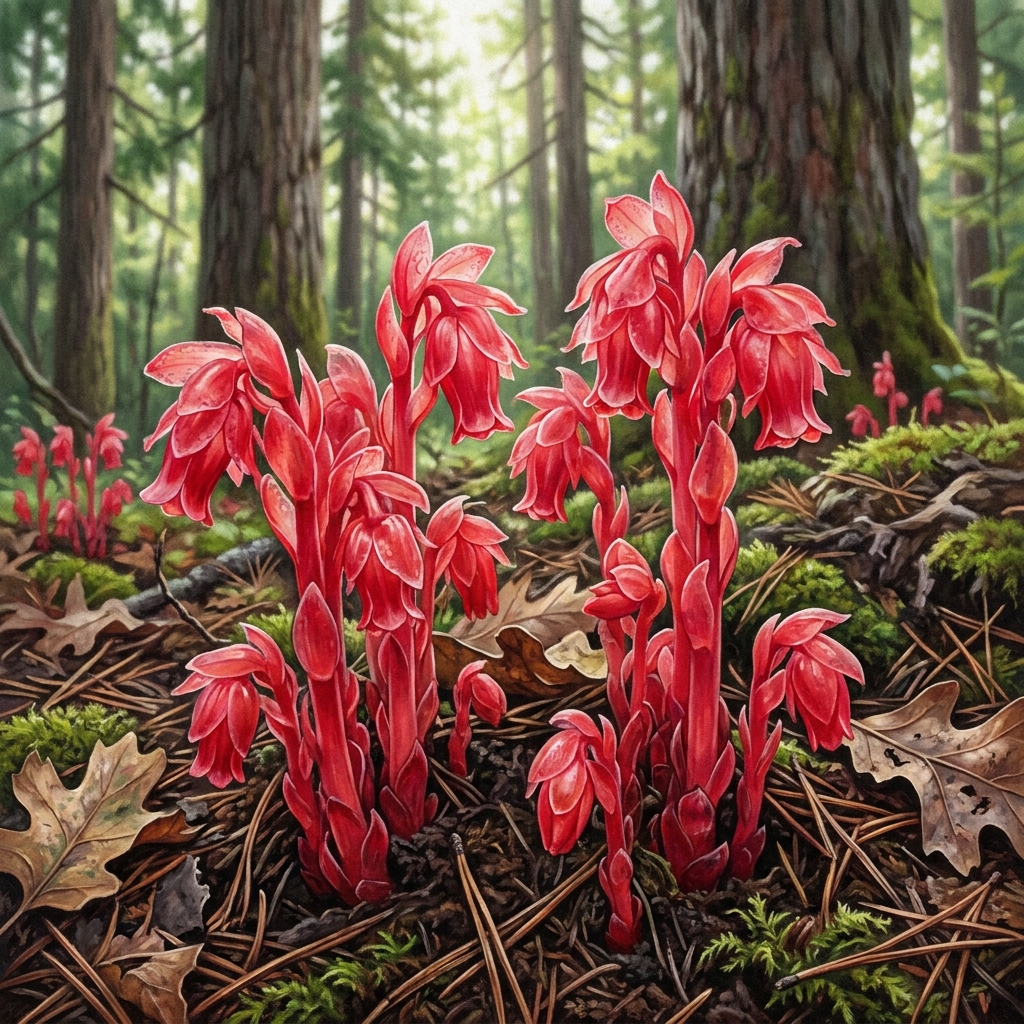
The lesson asks students to move beyond surface-level observation and use evidence to support an explanation of reproductive probability. They look at scenarios like the snow plant, which uses a striking red color to attract pollinators, to see how a plant structure directly affects its reproductive chances. Students see this same standard taught across our state in districts like Pajaro Valley Unified, Fontana Unified, Whittier City School District, and Valley Center-Pauma Unified.
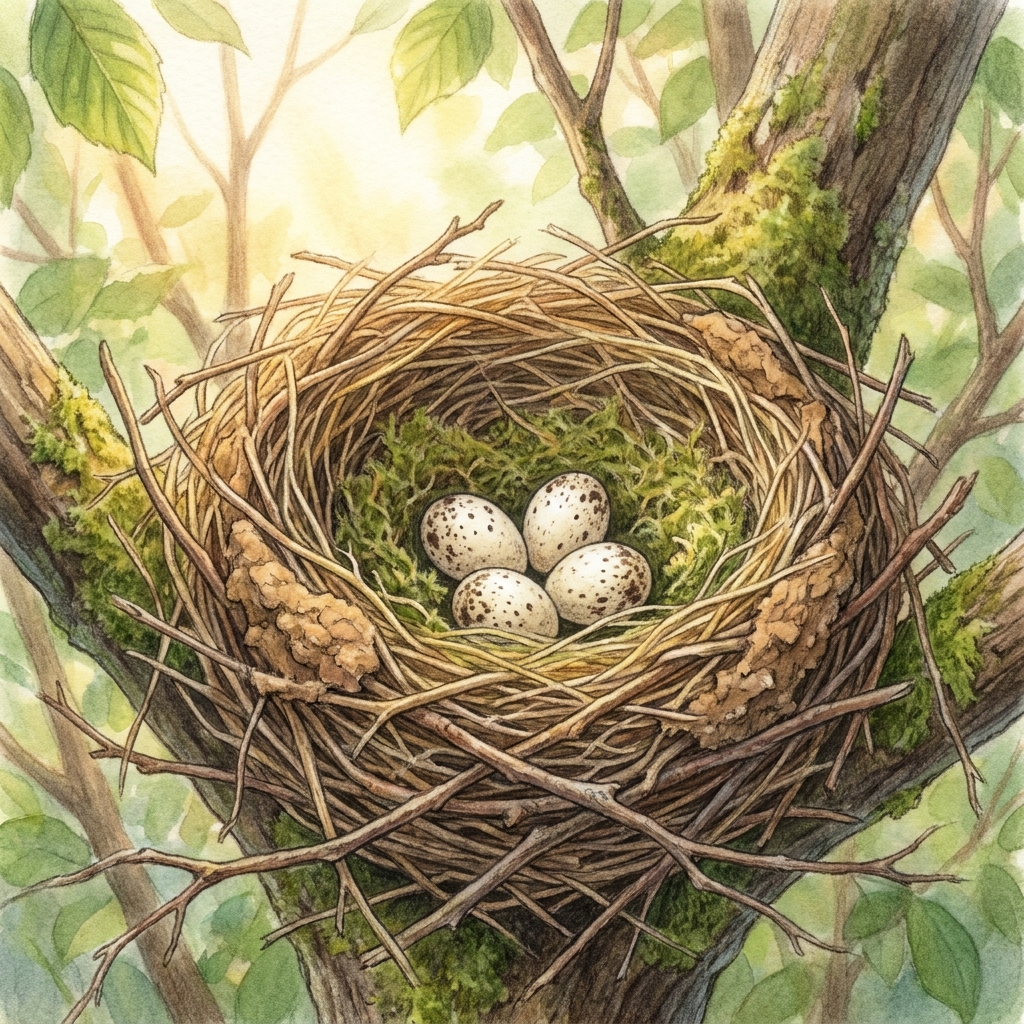
You will want to keep a close eye on the science reproductive strategies lesson during the guided practice section. That is where they switch from observing the snow plant to explaining why a plant would evolve seeds with hooks to hitch a ride on animal fur. It pushes them to justify their reasoning based on survival probability, which is exactly what we want to see in a middle school classroom.
The standard and the student work
The core of this work is tied to CA.MS-LS1-4, which is the California-adopted standard asking students to use empirical evidence and scientific reasoning to explain how plant structures and animal behaviors affect reproductive success. In California, we teach middle school science using an integrated model that weaves together physical, life, and Earth sciences, so this focus on biology fits into a broader environmental context. When you grade their work, look for whether they are connecting the trait to an increased probability of successful reproduction. If they only describe the trait without explaining the impact on the outcome, they are missing the analytical step this standard requires.
Where students slip
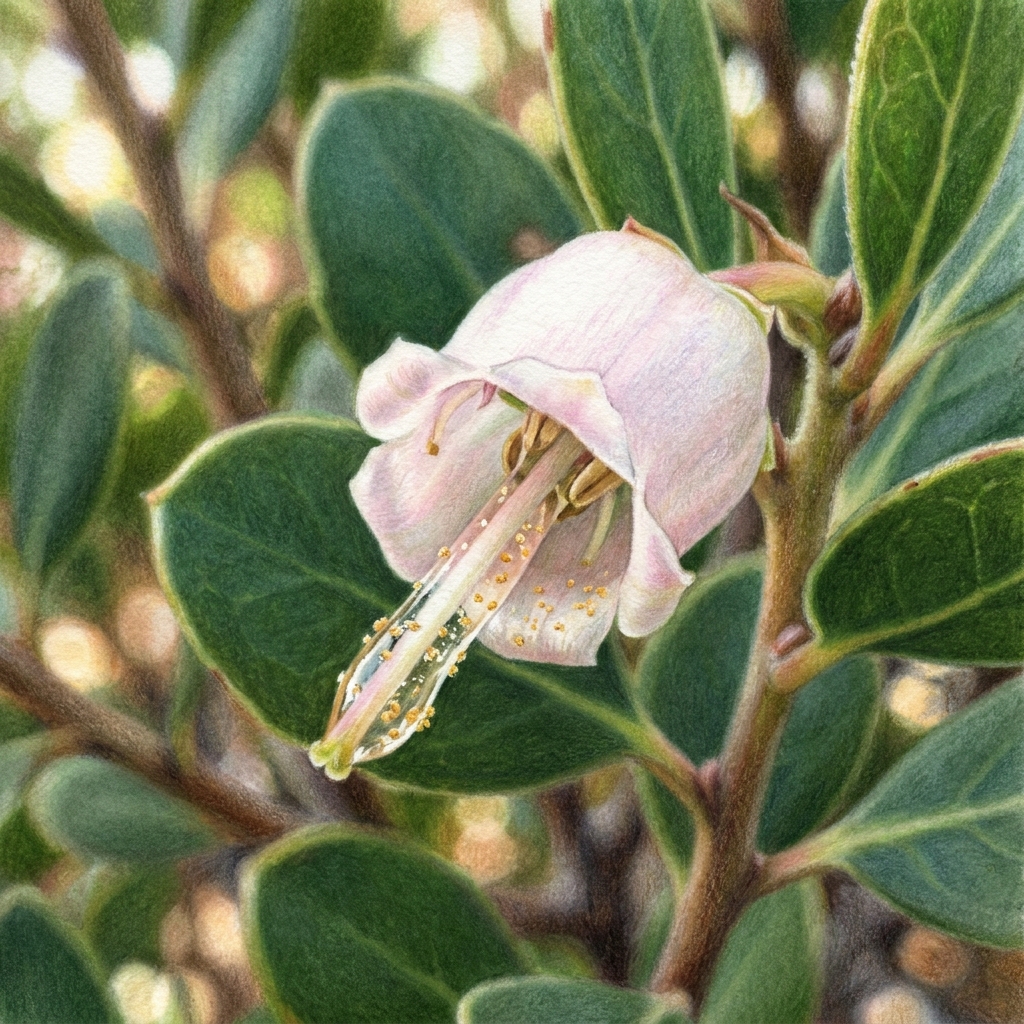
The most common point of confusion is the distinction between survival and reproduction. Sometimes a student will explain why a trait helps an individual survive, but they struggle to link that same trait to the actual act of reproducing. The why-it-matters section of the lesson addresses this well by bringing in conservation biology. It shows how the reliance between a pollinator and a plant is a delicate, mutual requirement for reproduction. If you have students working independently, make sure they do not skip over that bit of context about conservationists protecting native species. It gives a sense of urgency to the scientific concepts.
When to assign this
This is a great choice for a whole-class assignment when you are first introducing the unit. It also works quite well for a student who missed the week or needs some extra intervention. Because the definitions are clear and the examples are concrete, it is accessible for a student who needs to do some independent study without needing you to stand over their shoulder every five minutes. The structure is logical, and the pacing is manageable for a single class period. If you are prepping a sub folder, this is a safe bet that will keep them occupied with meaningful, standard-aligned work.
Related lessons
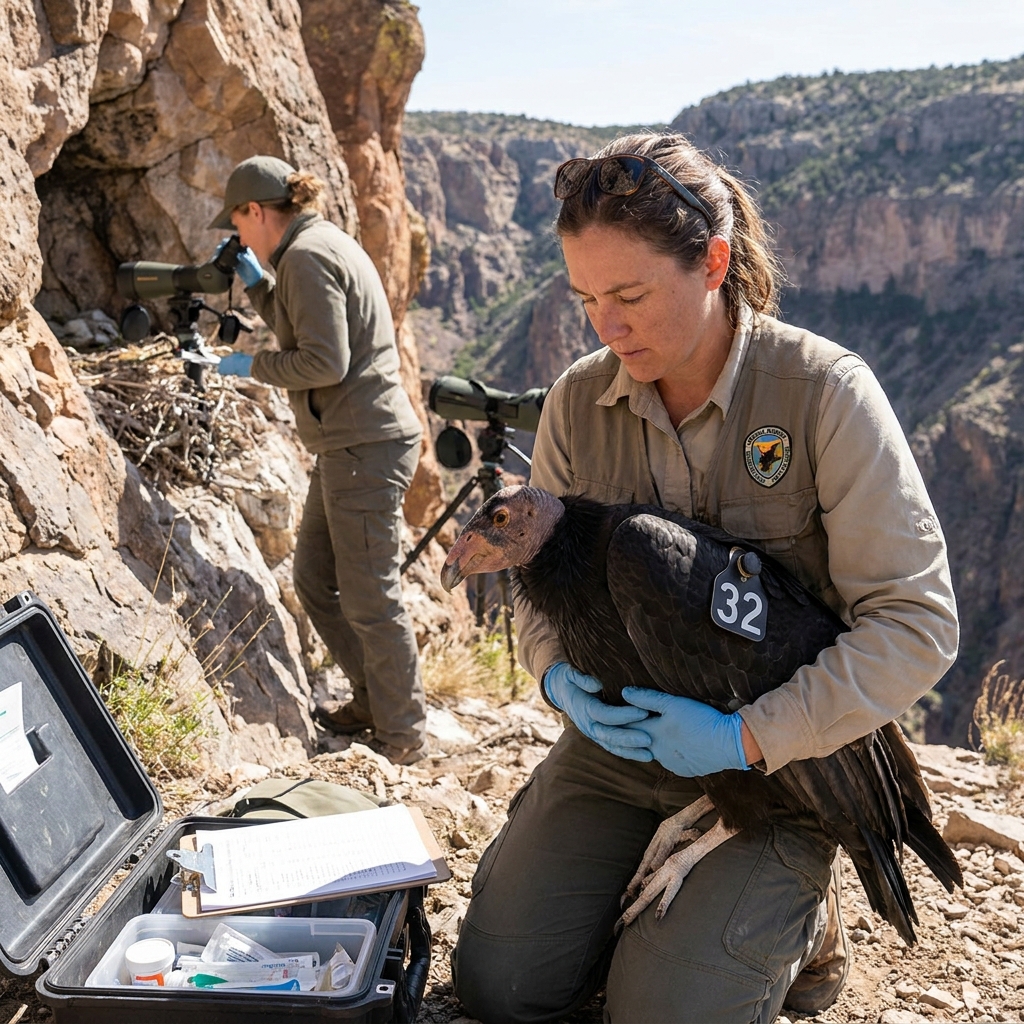
Protecting California's Biodiversity, Discusses preservation of species and ecosystems within the California environment
Anatomical Clues: Understanding Evolutionary Relationships, Examines body structures to determine historical evolutionary connections between species
How Food Powers Your Body, Details the conversion of energy sources into bodily fuel processes