

I suspect we both see the same thing in our 6th grade English Language Arts classrooms: students often take every printed word as a gospel truth. It is a hurdle we face when moving them from learning to read toward reading to learn. In this 6th grade English Language Arts lesson, Fact, Opinion, and Reasoned Judgment, the goal is to shift their approach to text from passive consumption to active evaluation. If we fail to teach them how to separate an author’s personal belief from a claim based on verifiable evidence, their progress in later social studies courses often stalls. When students reach high school, they need to deconstruct primary sources; if they cannot spot the difference between an opinion and a reasoned judgment now, they will struggle with analysis later.
Connecting evidence to historical claims
This lesson is a manageable forty-five-minute block. It introduces the core concepts by asking students to look at how we treat historical texts. The material defines a fact as a statement that can be proven true using evidence or records. An opinion is characterized as a personal belief, feeling, or preference that cannot be proven true or false. The third, and perhaps most difficult, concept is a reasoned judgment, which the lesson defines as a conclusion or decision reached by carefully looking at facts and evidence. Educators in Twin Rivers Unified, Corona-Norco Unified, Central Elementary School District, and Newark Unified work on this same standard, recognizing that these distinctions are foundational for any student aiming to interpret historical documents accurately.
The mechanics of the standard
The lesson aligns with CA.ELA.RH.6-8.8, the California-adopted standard which asks students to distinguish among fact, opinion, and reasoned judgment in a text. The standard demands that students do not just identify these categories but understand the relationship between them. Students need to see that a reasoned judgment relies on factual data to support an argument, even if that argument is interpretive. When a student learns to identify this connection, they start to see that historical arguments are not just feelings but are built on the bedrock of evidence.
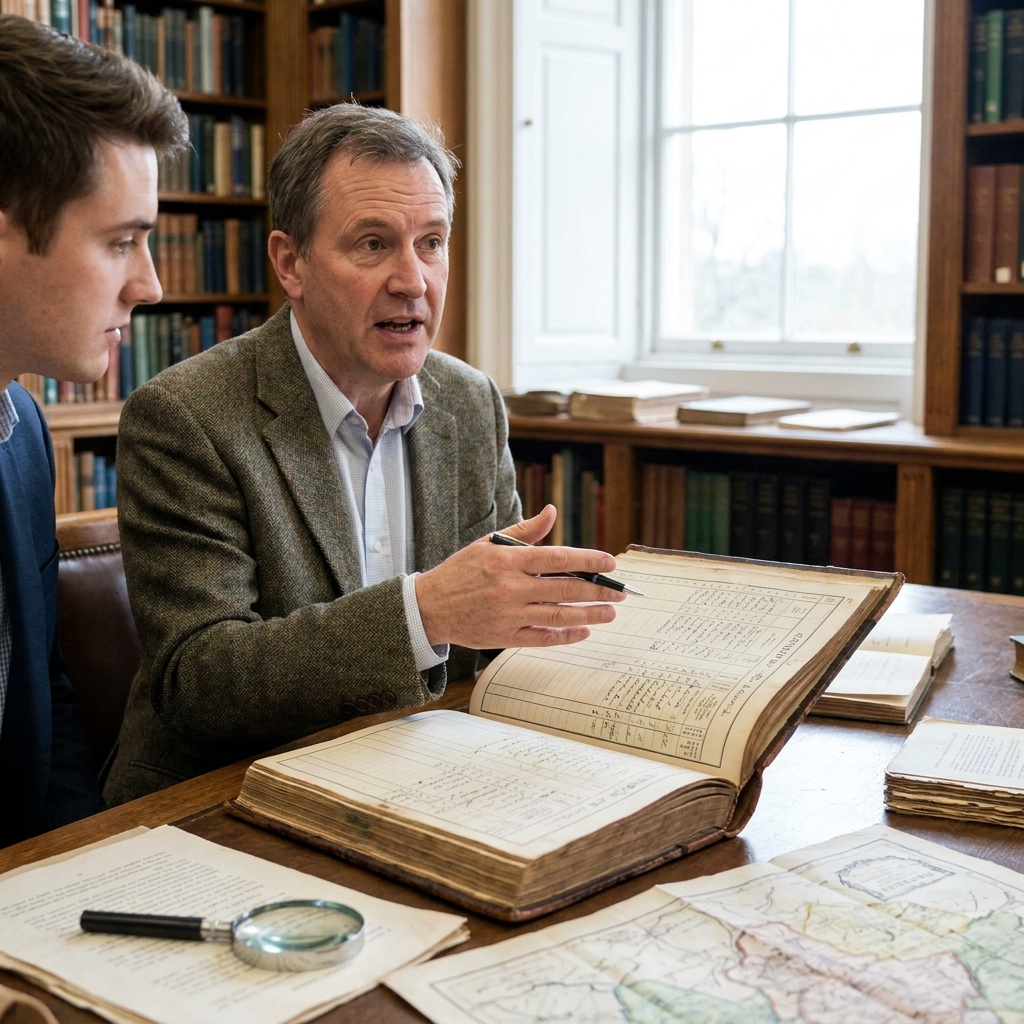
You can use this fact, opinion, and reasoned judgment lesson as a whole-class assignment, for a student who missed the week, or for a substitute day. It is direct and focused. The worked example provided in the material uses a clear scenario: a census record provides the number of people, and the historian uses that factual record to build an argument about tax policy. It is a simple chain of logic that illustrates how evidence becomes a judgment. By seeing this progression, students stop viewing the historical text as a monolith of truth and start viewing it as an argument that requires scrutiny.
Where students often slip
The danger zone for 6th graders is confusing a reasoned judgment with an opinion. They often think that because a judgment is a conclusion made by a human, it is automatically an opinion. This is where the practice part of the lesson matters. The guided practice asks students to analyze a travel diary entry about the Nile River in Ancient Egypt. The text notes that the river was the source of life for the Egyptians. Students have to determine if this is just a flowery feeling or a conclusion backed by the environmental and agricultural realities of the time. If you do not push them to find the evidence, they stay stuck in the binary of fact versus opinion.

Reinforcing these analytical habits early in middle school will yield benefits across the curriculum. When they read the news or listen to campaign promises, they learn to look for the foundation. If they see an author making a claim, they should ask what facts support it. If there are no supporting facts, they can label it an opinion. If the author cites records or observations and draws a conclusion from them, the students learn to recognize the reasoned judgment. This habit makes them better writers, too, because they start to mirror that structure in their own persuasive pieces. They move away from simply saying something is good or bad and toward showing how the available evidence supports their own stated conclusions.
Using the lesson in the classroom
Do not be afraid to spend extra time on the definitions. The vocabulary terms provided in the text are straightforward, but applying them is rarely easy for a 12-year-old. A fact is defined as a statement that can be proven true using evidence or records. An opinion is a personal belief, feeling, or preference that cannot be proven true or false. A reasoned judgment is a conclusion or decision reached by carefully looking at facts and evidence. Stick to these definitions when they get confused. If a student tries to argue that a reasoned judgment is just a really strong opinion, remind them that the judgment is built on a foundation of facts, whereas the opinion is built on a preference.
This lesson works well as a stand-alone, but it gains power if you relate it to whatever current events or historical era your class is currently studying. If you are covering the geography of ancient civilizations or the socio-economic impacts of a specific event, pull in primary source excerpts alongside the lesson. Have the students apply the rubric provided here to those documents. It turns a theoretical exercise into a practical tool they use to decode the world around them. When they leave your room, they should be a little more skeptical, a little more analytical, and significantly better at identifying what constitutes a solid, evidence-based argument.
Related lessons
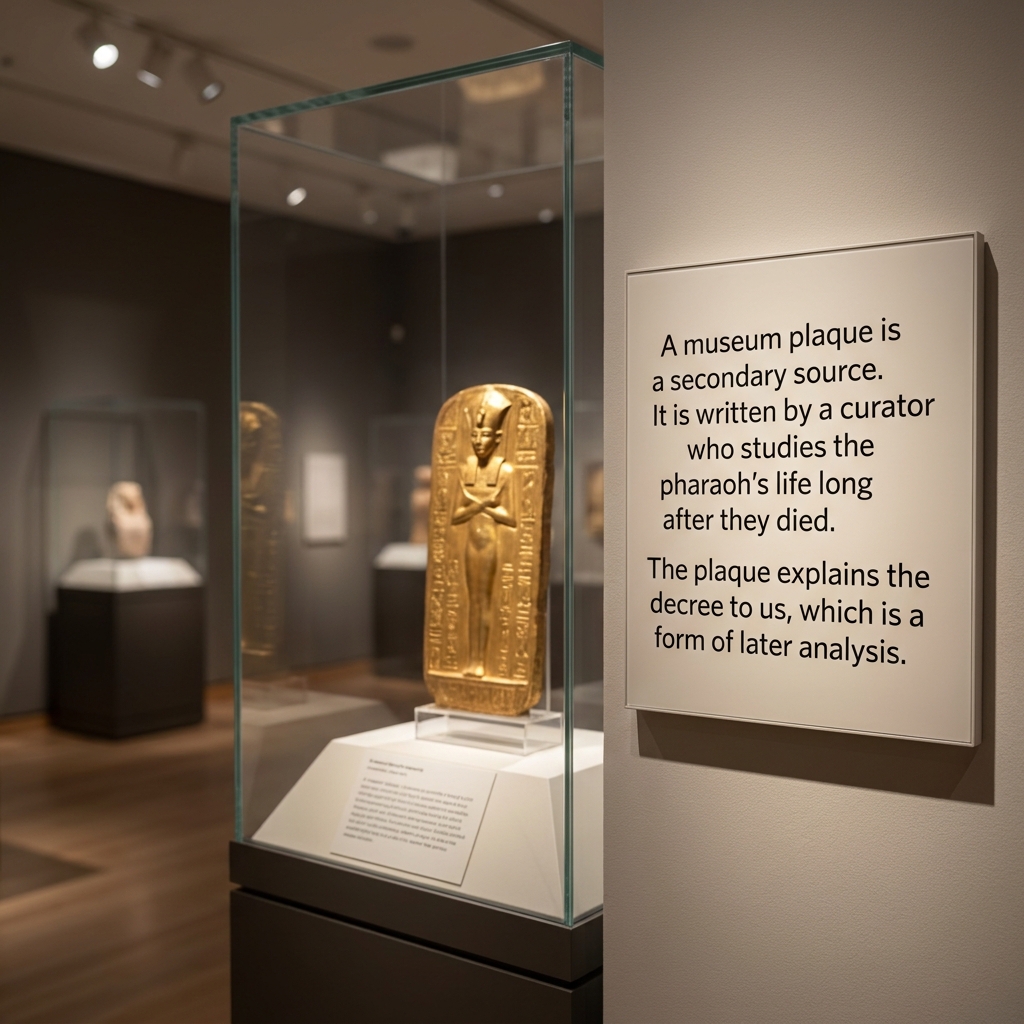
Comparing Primary and Secondary Sources, Teaches students the difference between primary and secondary historical sources
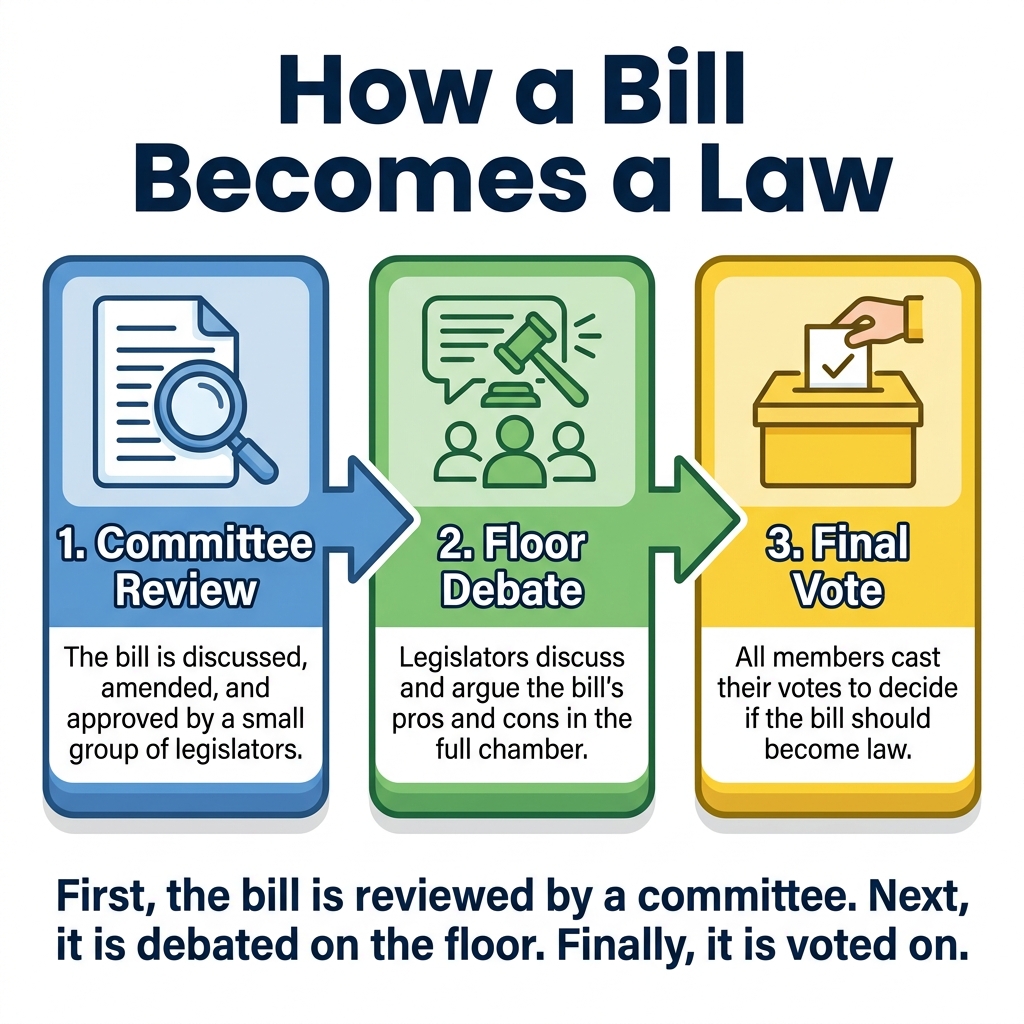
Understanding Historical Processes, Explains the methods used to analyze historical changes and events

Understanding Words in History, Focuses on identifying and interpreting key historical vocabulary in context