

When we get to the unit on the American founding, we know how quickly students can gloss over the actual philosophy. They recognize the name, they know the holiday, but the specific, dry, and essential logic of the document often slips past them. We usually slot this work in early in the term when we are setting the stage for the rest of the year. Getting this right matters because it provides the anchor for everything that follows regarding constitutional government and social movements.
This The Philosophy of the Declaration of Independence lesson is designed specifically for an 8th grade social studies classroom. It avoids getting buried in academic jargon by starting with something students already understand: fairness. It builds the logic of the founding generation from the bottom up.
What this lesson actually asks students to do
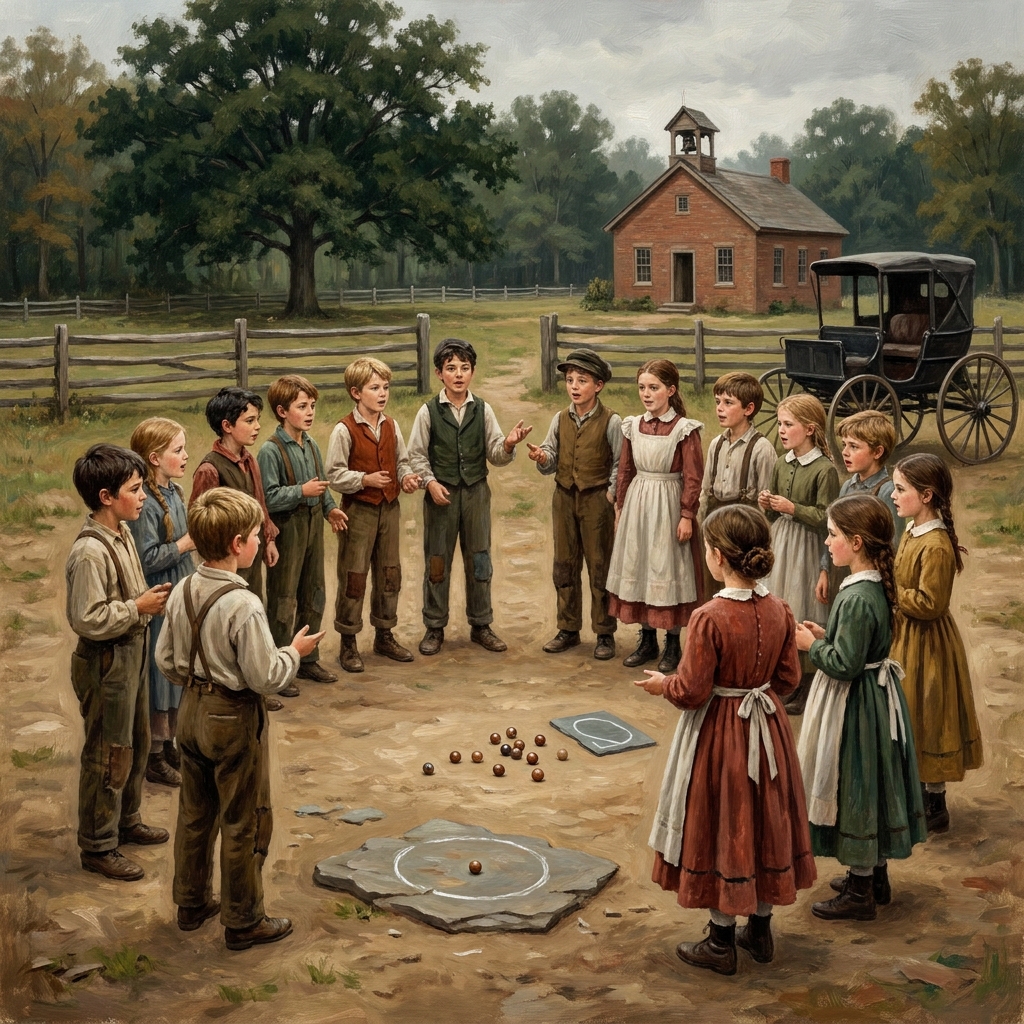
The lesson starts by asking students to think about the playground. It uses a concrete analogy: if there are four students and only two balls, the rule requiring turns acts as a tiny government. It protects the right of everyone to play. This is a brilliant way to introduce the concept that government exists to serve as a tool for protecting individual rights. It pulls the abstract concepts of the social contract out of the clouds and brings them to the blacktop.
Once they have the base, the lesson moves to the vocabulary. You will see students working with terms like Unalienable Rights, Social Contract, and Equality. The lesson defines Unalienable Rights as “Rights that are given by a Creator and cannot be taken away or given up by any person or government.” When students reach the guided practice section, they have to apply that thinking to a hypothetical scenario where police might seize a house without cause. It forces them to reconcile the purpose of government with a potential violation of property and safety. I have found this specific example helps students realize that government power is not just about keeping the peace, but about creating the boundaries that keep that peace from becoming tyranny.
Connecting the work to the standard
This is a foundational piece of work for Declaration of Independence lesson plans that align with the required curriculum. The primary standard being addressed is CA.HSS-8.1.2. This standard asks that students analyze the philosophy of government expressed in the Declaration, specifically focusing on the government as a mechanism for securing individual rights, including the famous phrasing about equality and unalienable rights. This expectation for learning is the same across the state, whether your students are in the Sweetwater Union High School District, Elk Grove Unified, Murrieta Valley Unified, or Sanger Unified.
One limitation I noticed is that students who have not spent much time analyzing non-fiction text might get stuck on the vocabulary. You might need to spend five minutes priming the definitions before they reach the guided practice part. It is worth it, though, because it prepares them to act as informed citizens. The lesson concludes by connecting these ideas to their daily lives, showing them that if they understand the goal of government, they can better judge if their current leaders are doing the job they were hired to do.
I recommend using this as a whole-class assignment when you first introduce the document. If you have a student who missed the week, this works well as a self-contained catch-up assignment. It is also an excellent option for a substitute day because the instructions are clear enough for a student to work through the logic independently while the sub circulates to help with the writing prompts.
Related lessons
Foundational Speeches and Early American Policy, Explores early American rhetoric and historical policy documents
The U.S. Constitution: Powers and Liberties, Details governmental powers and individual protections in the Constitution
The Industrial Transformation of America, Covers American industrialization and economic growth periods