


…which is why I keep telling people not to save research for the end of the year. In most seventh grade English language arts classrooms I know, research lives in the back half of the calendar. It comes after the narrative unit, after the argument essays, and after the testing window has chewed up two or three weeks. By then the research piece is the first thing to shrink. It becomes one day in the library, or it gets handed over to the history teacher with the assumption that someone already taught how to cite.
Usually nobody did. That is the gap Researching and Citing Historical Sources fills. It is a seventh grade ELA lesson from the course on writing for history, science and technical subjects, and it runs about 45 minutes. One class period. I like that it does not pretend to be a whole research unit. It teaches the moves a student needs before any history project makes sense: find the sources, decide which ones to trust, and give credit correctly.
Why this standard gets squeezed
The standard is CA.ELA.WHST.6-8.8, part of the California Common Core State Standards for English language arts, in the Research to Build and Present Knowledge cluster under Writing: Literacy in History/Social Studies, Science, and Technical Subjects. Read it slowly and you will notice it asks for a lot in one sentence. Students have to gather information from multiple print and digital sources, both primary and secondary. They have to use search terms well enough to find something relevant. They have to judge each source for credibility and accuracy. Then they have to quote or paraphrase other people’s data and conclusions without plagiarizing, using a standard citation format.
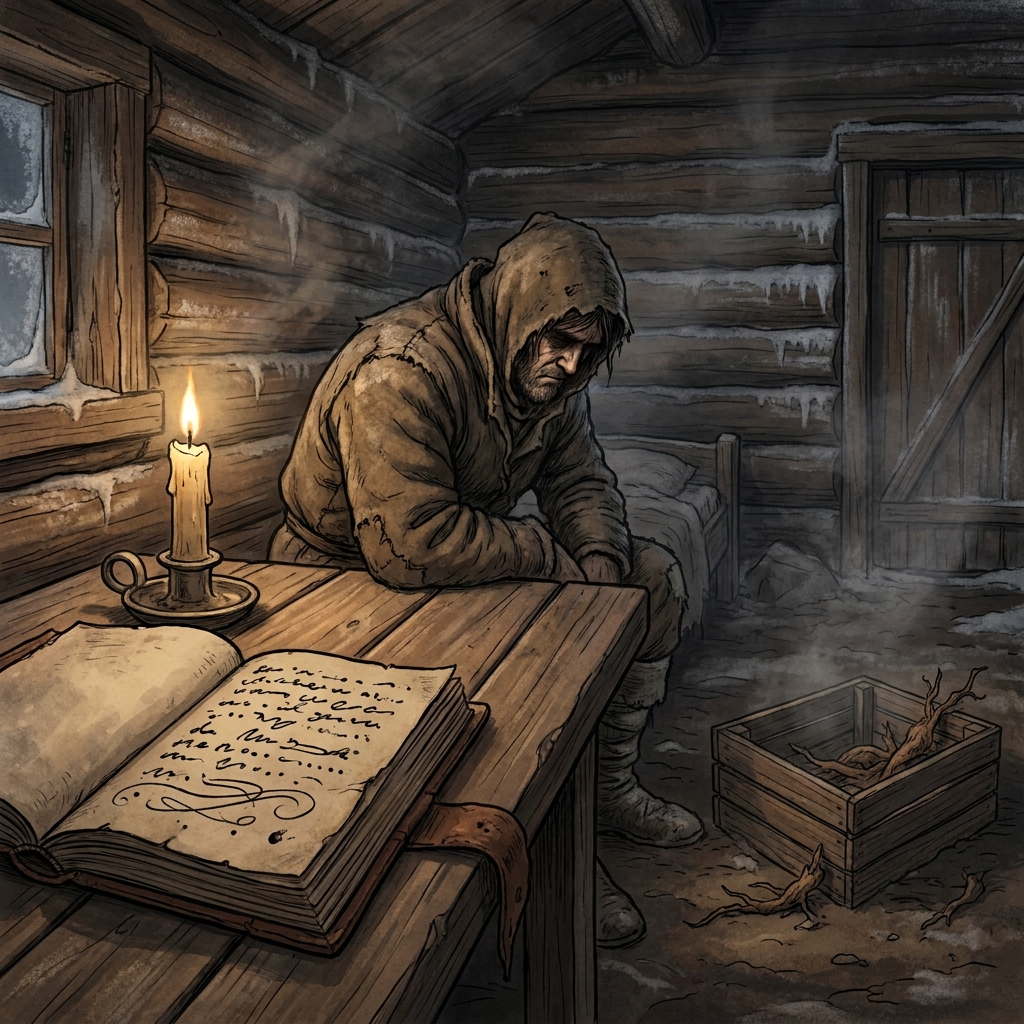
That is four or five skills dressed up as one, and it is part of why it slides. It is hard to fit in a single week, so it waits for a week that never comes. It is also a shared standard. History teachers assume ELA covered it, ELA teachers assume history will practice it, and students end up writing a report on the American Revolution with a works cited page that is mostly website names.
This is not a local quirk. Sacramento City Unified, Sweetwater Union High School District, Pleasanton Unified and Bass Lake Joint Union Elementary School District all teach this exact standard, because the wording of CA.ELA.WHST.6-8.8 is the same in every California district, small or large.
What the lesson actually asks students to do
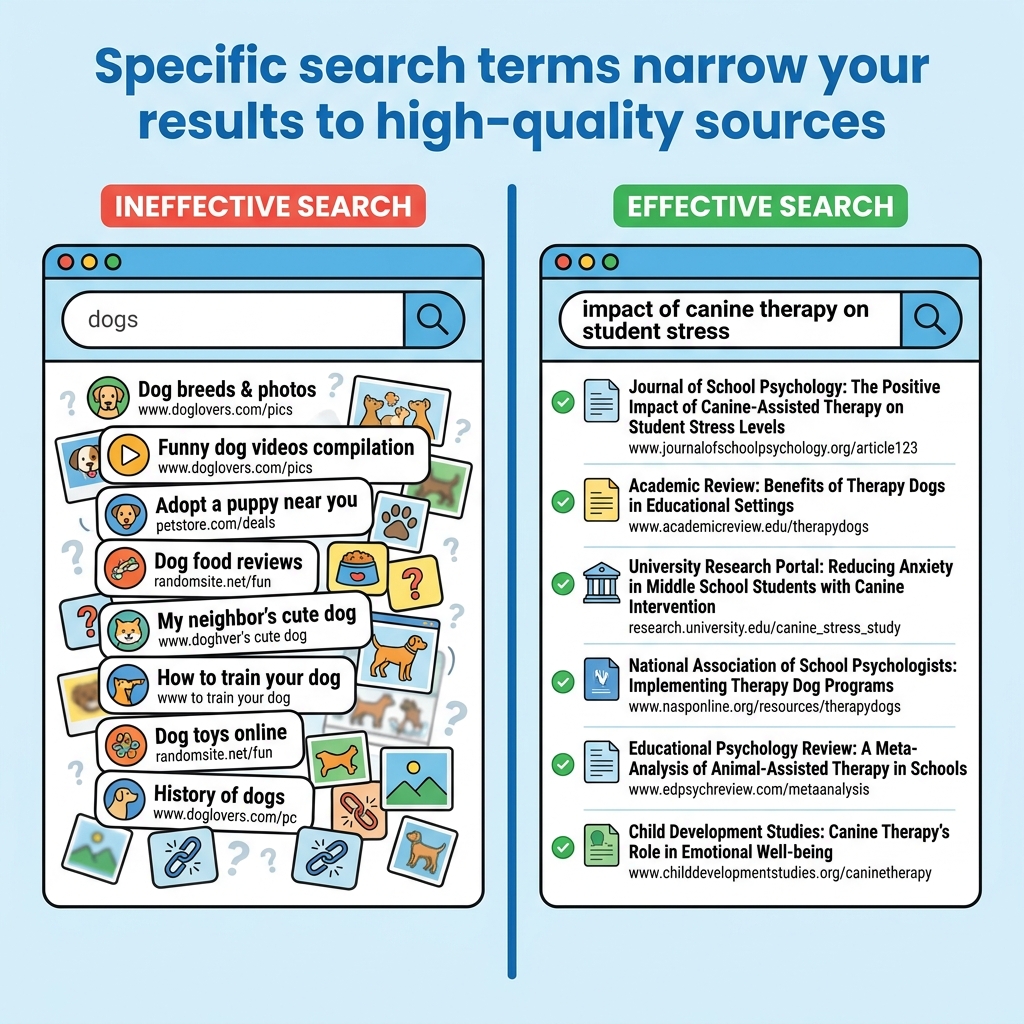
The objective is plain: gather, evaluate, and correctly cite information from different historical sources. The lesson opens with something most seventh graders have never been told directly, that researching history starts with library databases, and that good search terms are the first step to finding facts that matter. I appreciate that it starts there instead of with formatting rules. A student who types a full question into a search bar and grabs the first result has a search problem before they have a citation problem.
The worked example is short and clean. If a book says The revolution changed everything, the student writes that the author notes “the revolution changed everything” (Smith 12). Exact words, quotation marks, author and page. That one model carries a lot of the lesson, and it is the right size for a seventh grader to copy and then try on their own.
Guided practice uses a short text about the Stamp Act. Good choice. It is a topic many seventh graders brush up against in history class, it has clear causes and reactions, and it is specific enough that students can check one claim against another. That checking is the point of one of the three vocabulary words:
- Credibility: the quality of being trusted and believed because a source is accurate and written by an expert.
- Corroboration: comparing different sources to see if they give the same information and support each other.
- Plagiarism: using someone else’s words or ideas without giving them proper credit.
Corroboration is the word I would spend extra time on. Seventh graders tend to treat credibility as a yes or no property of a website. Corroboration teaches them that trust is built by comparison, and that is a more honest picture of how historians work.
Where students slip
Two places, in my experience. The first is paraphrase. Students hear “put it in your own words” and swap three synonyms into the original sentence. That is still plagiarism, and the lesson’s definition, using someone else’s words or ideas without credit, gives you the language to say so. Ideas count too, which surprises a lot of kids.
The second is the jump from one example to their own writing. The Smith example is tidy. Real sources are messier: no page numbers on a website, a primary document with no named author. The lesson gives the model and the Stamp Act practice, but it cannot cover every format a student will meet. That is my one caveat. Plan a follow-up conversation once students start citing sources from their own projects, because that is where the odd cases show up.
The lesson also makes a case for why any of this matters outside school, tying source checking to reading the news and not getting fooled by false information. Seventh graders roll their eyes at a lot of “real world” framing, but this one tends to land. Most of them have already seen something online that turned out to be fake.
When the calendar is against you
Here is where a self-contained lesson earns its place. If you are behind and research is about to get cut, assign the seventh grade historical research and citation lesson as the one-period foundation and let the actual project carry the rest. Students arrive at the library or the history assignment already knowing what a database is for, what corroboration means, and how to punctuate a quote with a parenthetical citation. You get to skip the mini-lecture and go straight to conferring.
It also fits a student who missed the week. Research instruction is notoriously hard to make up because so much of it happens out loud, in the moment, while you are circulating. A student who was out for the library days can work through this on their own and come back with the same vocabulary and the same model the rest of the class saw.
And it works for independent study. A student working on a contract with weekly check-ins can complete the lesson, then bring you a paragraph about the Stamp Act with one quote and one paraphrase, both cited. That is a concrete thing to review together, and it maps directly to the standard.
I would not use it as a substitute-day plan, honestly, unless the sub is comfortable answering questions about citation. Students will have questions about formatting, and a lesson this procedural goes better with someone in the room who can say “yes, that counts” or “no, put quotation marks there.”
If research is creeping toward the last weeks of your calendar again this year, move one piece of it earlier. Open the lesson for CA.ELA.WHST.6-8.8 before the history project starts, and let the Stamp Act passage be the place your seventh graders write their first correct citation.
Related lessons
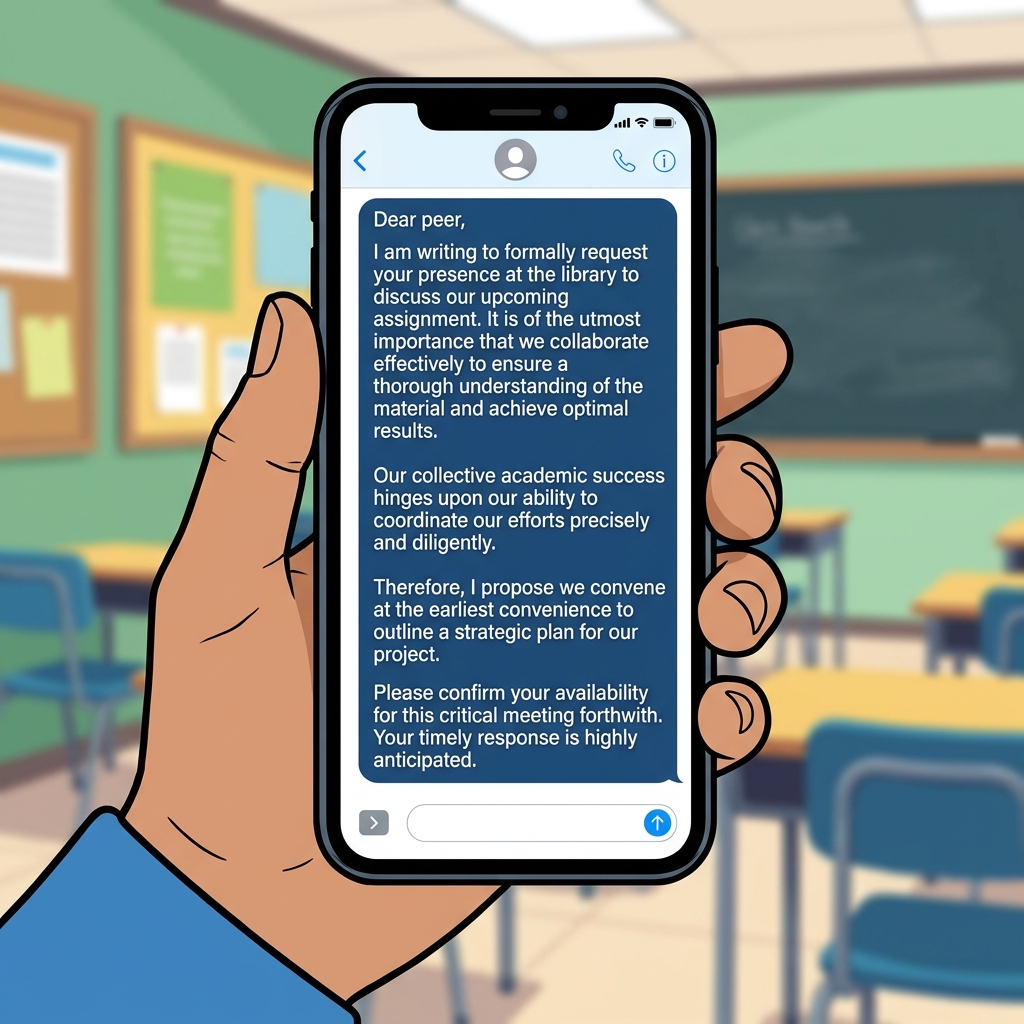
Adapting Your Writing for Different Tasks, Adjusting how you write to fit different writing tasks
Publishing History Digitally, Sharing finished history writing with readers in digital form

Using Evidence to Support Your Ideas, Backing up claims and ideas with evidence from sources