

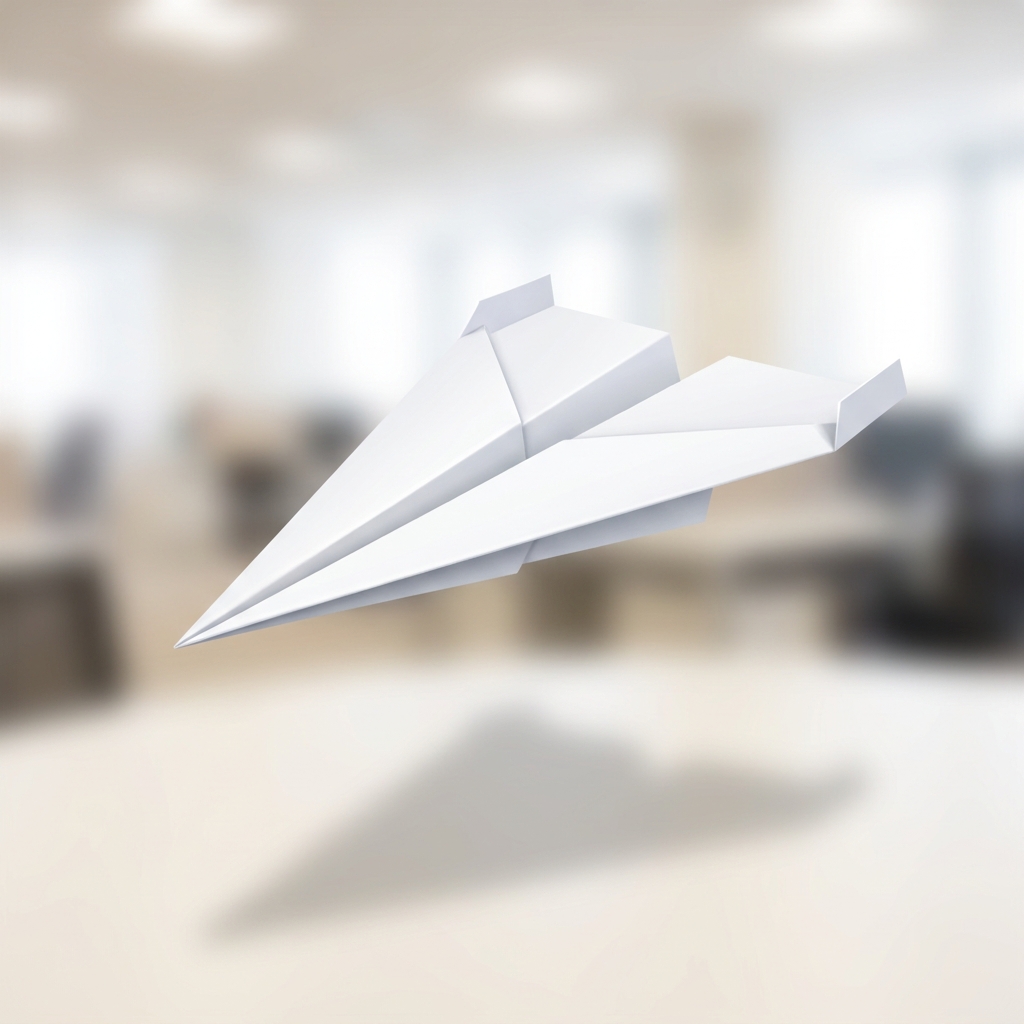
Picture a sixth grader holding a strip of paper over the gap between two desks. She sets an eraser on it, the paper folds in the middle, and the eraser drops. Most students stop there and call it a failed bridge. The useful question is the one almost nobody asks out loud: what do I change before I try again?
That question is the whole point of Designing Better Solutions, a sixth grade science lesson from the Middle School Physical Science engineering design course. It runs about 45 minutes and its objective is short: use models to test and improve your designs. I like that it treats the sagging paper as data instead of a dead end.
How the lesson moves from a paper bridge to a river levee
The opener starts exactly where my desk scene starts. Engineers often build a small, simple version of an idea to see whether it works, and the lesson asks students to picture a paper bridge spanning two tables. From there it defines a model as a representation of an object or system used to test how it works in the real world. That definition matters more than it looks. Sixth graders tend to think a model is a finished miniature, something you put on a shelf. Here it is a testing tool.
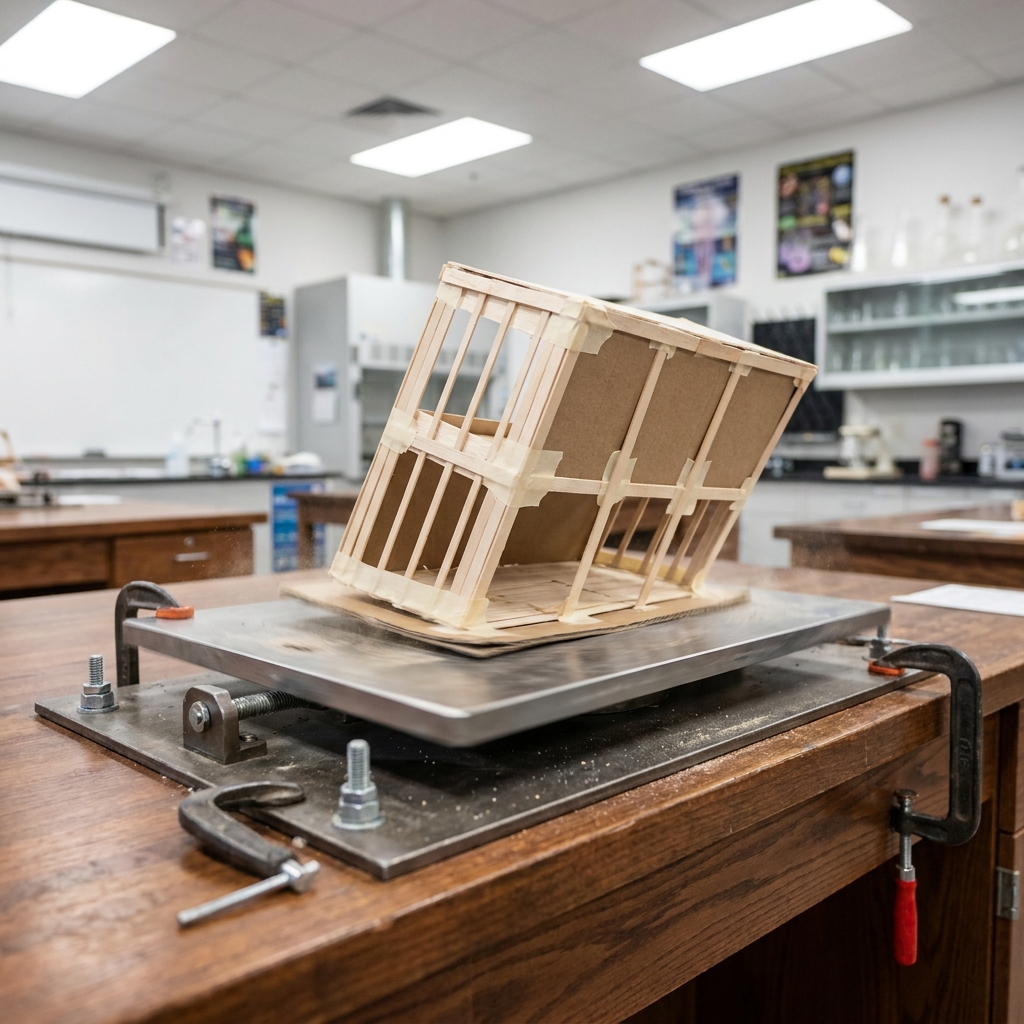
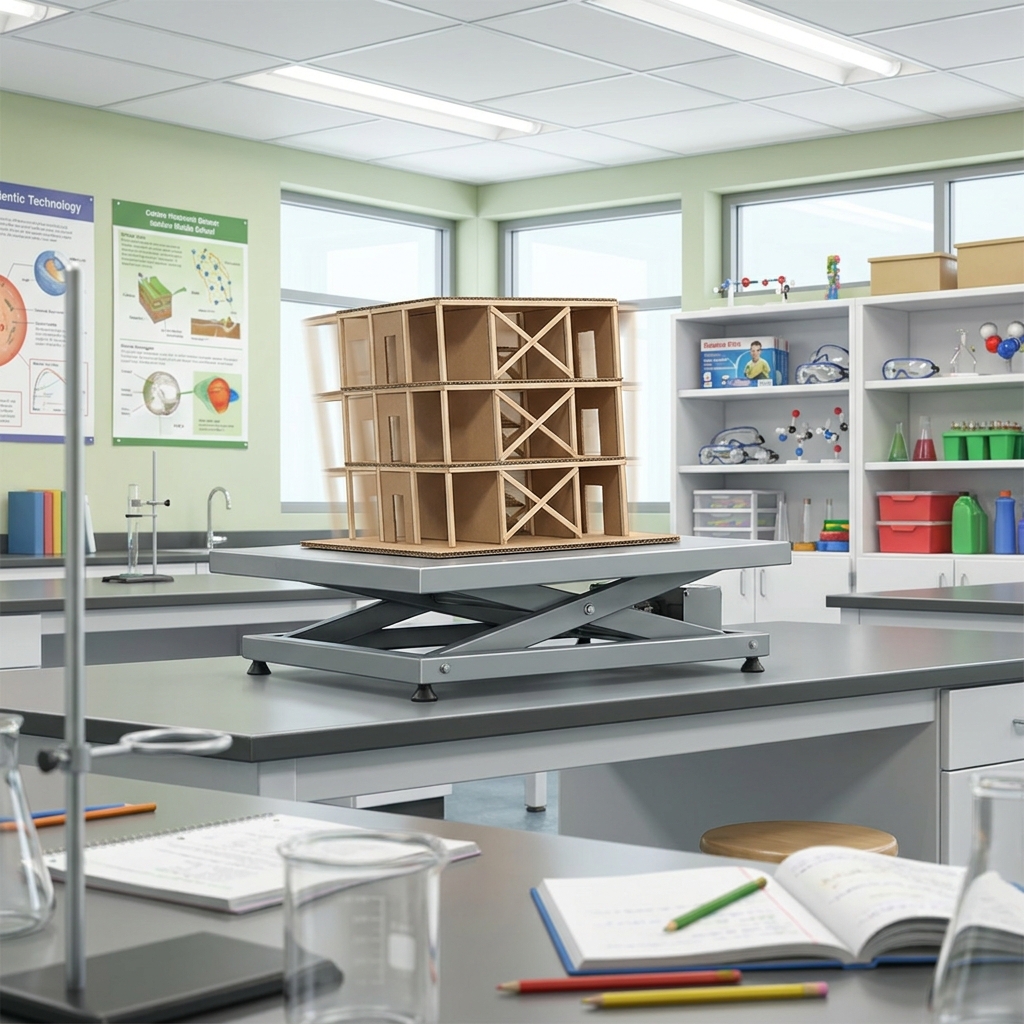
The concept section brings in the word iterative, meaning you repeat a process several times and make small changes each time. Then comes the worked example, and it is a good one for California students: a seismic base isolation model. Engineers put a model building on a shaking platform, watch it fall, add rubber pads to the base to absorb the shaking, and test again. Test, learn, change. The lesson names that cycle plainly, and students can see why the second building does better than the first.
Guided practice shifts the phenomenon from earthquakes to water. Students imagine testing a model levee meant to keep a river from flooding a nearby town. Same thinking, new setting, which is where you find out who actually understood the shaking-platform example and who just memorized it.
Closure ties it to roads, bridges and water systems, and introduces the idea of an optimal design: the best possible solution that balances performance, safety and cost. This is the part I would linger on. Students love the word best and forget that best has a budget. The vocabulary supports that move:
- Model: a representation of an object or system used to test how it works
- Iterative: repeating a process with small changes each time to improve the result
- Constraint: a limit such as budget, time or available materials
- Variable: a single factor you change to see how it affects the outcome
Variable is the sleeper term. If a student adds rubber pads and also makes the building shorter, they cannot tell which change helped. Push on that during the levee practice.
The standard and where this lesson fits
The lesson is built on MS-ETS1-4, which asks students to develop a model that generates data for repeated testing and modification of an object, tool or process until an optimal design is reached. In plain terms: build something you can test, use what the test shows, and keep revising. The California-adopted version, CA.MS-ETS1-4, carries the same expectation inside California NGSS, where middle school science is taught as an integrated course and standards are anchored to California phenomena like seismic activity and water systems. The earthquake and levee examples fit that framing well. Sixth graders in Elk Grove Unified, Corona-Norco Unified, Dublin Unified and Panama-Buena Vista Union School District are working toward this identical standard, because it reads the same in every California classroom.
One honest caveat. The lesson describes models and asks students to reason about them; it does not hand them tape and cardboard. If you have materials, a quick paper bridge round before the reading would make the iterative cycle physical. If you do not, the scenarios still carry the idea.
I would use it in three ways. As a whole-class assignment, it sets up the rest of an engineering design unit cleanly. For a student who missed the week, it covers the vocabulary and the test-and-revise cycle without needing the lab day. And on a substitute day it works because the examples explain themselves and the levee practice gives the class something concrete to discuss.
If you are searching for a sixth grade iterative design lesson that uses California phenomena instead of generic examples, start with the shaking building and ask your students what they would change first.
Related lessons
Defining Engineering Design Problems, Identifying the problem, criteria and constraints before designing a solution
Evaluating Engineering Designs, Comparing competing design solutions to judge which one works best
Optimizing Engineering Designs, Refining a design further to reach the best possible solution