


A fellow teacher once stopped me near the copy machine and asked why her eighth graders could not seem to separate their casual texting language from the formal writing required in a school environment. She was frustrated because, by the time students hit 8th grade ELA, the expectation is that they have moved beyond basic narrative structures and toward a more nuanced understanding of how tone shapes communication. This is a common struggle across the state, whether in classrooms within Oakland Unified, Corona-Norco Unified, Pleasanton Unified, or Hughson Unified.
When you have a student who misses a week of instruction, or if you need a reliable module for independent study, Writing for Your Audience and Purpose provides an effective way to bridge that gap. The lesson specifically targets the skills needed to produce clear and coherent writing that fits the task at hand. It is not just about grammar or spelling. It is about understanding that a formal letter to a principal, which requires a professional tone and logical organization, communicates a different purpose than a quick message to a peer. In my own experience, students often struggle to visualize the recipient of their writing. They write as if they are shouting into a void, forgetting that every piece of text has a human on the other side. By explicitly connecting writing to real-world outcomes, this lesson helps them stop viewing writing tasks as arbitrary exercises for a grade and start viewing them as vehicles for achieving their goals, whether that involves advocating for a new club policy or thanking a guest speaker for their time.
What the lesson actually asks students to do
This lesson centers on the California-adopted standard CA.ELA.W.8.4, which asks students to produce writing where the development, organization, and style are appropriate to task, purpose, and audience. The California addition specifically highlights the need for functional writing like one-page letters and brief reports. It also aligns with the base expectation found in CCSS.ELA-LITERACY.W.8.4, which focuses on the same core requirement for clarity and coherence. When you open this 8th grade functional writing lesson, students begin with a straightforward prior-knowledge opener that illustrates the difference between writing for a club budget and writing for a friend. The material defines three key terms: Audience, which is the specific person or group receiving the message; Tone, defined as the attitude expressed in the writing; and Functional Writing, which covers practical communication like emails or letters meant to convey information clearly.
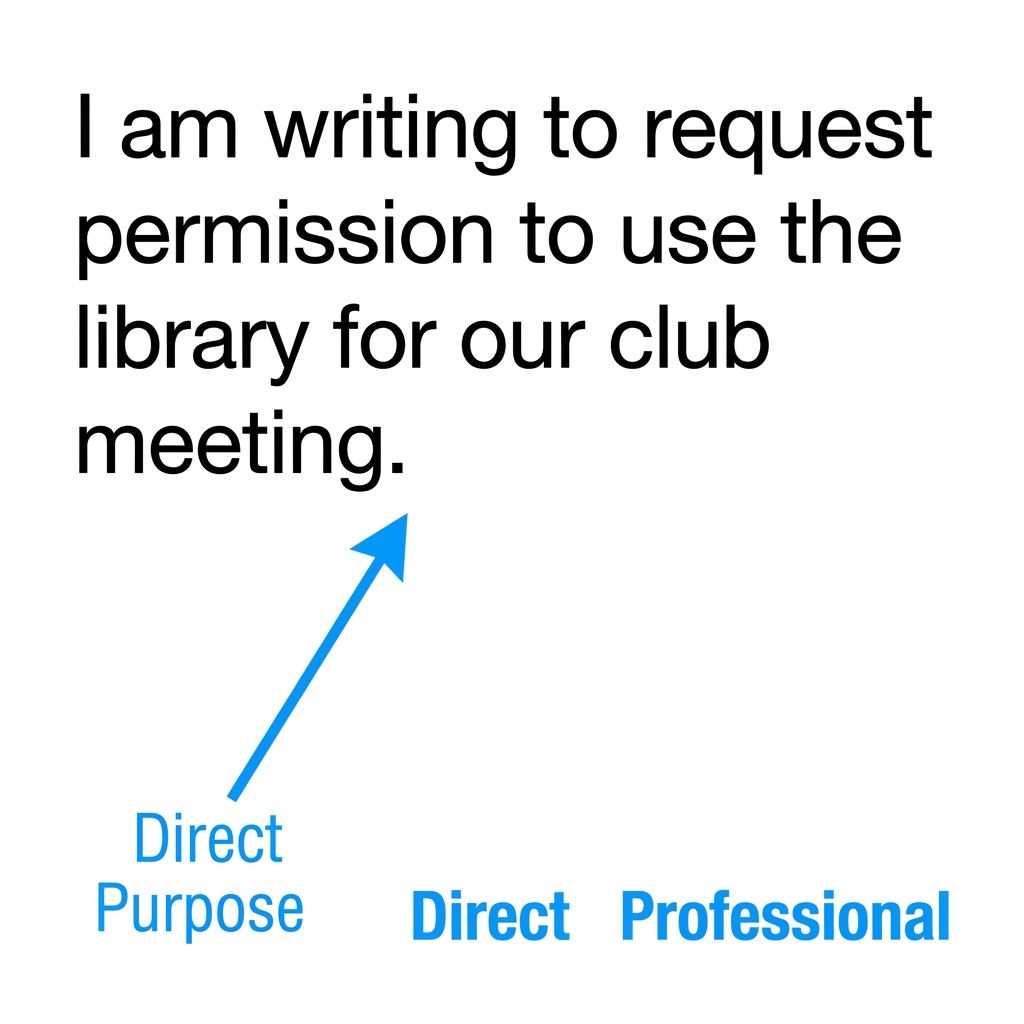
The lesson moves from concept to example. One scenario provided asks students to look at a proposal for a bake sale written for peers, where a casual, direct tone is acceptable. Then, students transition to a guided practice where they write a letter to a local business owner requesting sponsorship. The logic here is that the student must intentionally adjust their word choice and structure because the business owner is not their peer. It is a simple shift, but it is one that many students fail to make without explicit instruction. The lesson concludes by emphasizing why this matters: the ability to send a professional email to a teacher or a formal letter to a city official helps a student get things done in the real world. By practicing these scenarios, students learn that language is malleable. They discover that they possess the agency to shift their register depending on who is reading their words, which is a critical maturity milestone in middle school development. They start to realize that “proper” writing is not just about following rules but about choosing the right tools to build a bridge toward their desired result.
Practical classroom application
I appreciate that this lesson does not try to do too much. It focuses on the mechanics of intent. In a classroom setting, I find that this works well as a whole-class assignment when you are first introducing formal letter writing. It also works as a high-quality substitute day task. Because the definitions are clear and the examples are relatable, even a student who has not been part of the class for the previous week can pick it up and complete the work without needing a long, drawn-out explanation from you. The instructional design is intentionally scaffolded so that high-achievers find the nuanced application challenging while students who need more support are not left behind by confusing jargon or abstract concepts.

There is a risk in over-teaching this. Sometimes, we spend so much time on the structure of a formal letter that students lose their voice entirely. Use this lesson to show them that being professional does not mean being robotic. It means being precise. If your class is currently working through a unit on persuasive or expository writing, this lesson provides the perfect moment to pause and check if they are actually writing toward their intended reader or just filling space on a page. The goal is to move them toward a state where they recognize that tone is a tool they control rather than something that happens to them by accident. When students finish this activity, encourage them to look back at an old essay or assignment they completed earlier in the term. Ask them to identify one sentence that could be revised to better fit the specific audience of their teacher or the class. This extension transforms the lesson from a one-off activity into a reflective practice that benefits their writing for the rest of the school year, ultimately building the professional habits they will need in high school and beyond.
Related lessons

Developing Focused Research Questions, Teaches students how to create specific questions for academic research

Using Textual Evidence in Writing, Shows students how to incorporate evidence into their written work

Strengthening Your Writing Through Purposeful Revision, Guides students on improving their writing through effective revision strategies