

Second grade English language arts is the time when students shift from writing basic sentences to composing longer paragraphs. As they start to write more, they run into the limitations of their own spelling and punctuation skills. Integrating Writing Clearly with Capital Letters and Punctuation into your routine mid-year gives your students the tools to fix those errors before they become habits. It works well as a whole-class assignment or for a student who missed the week of instruction and needs a refresher on the basics.
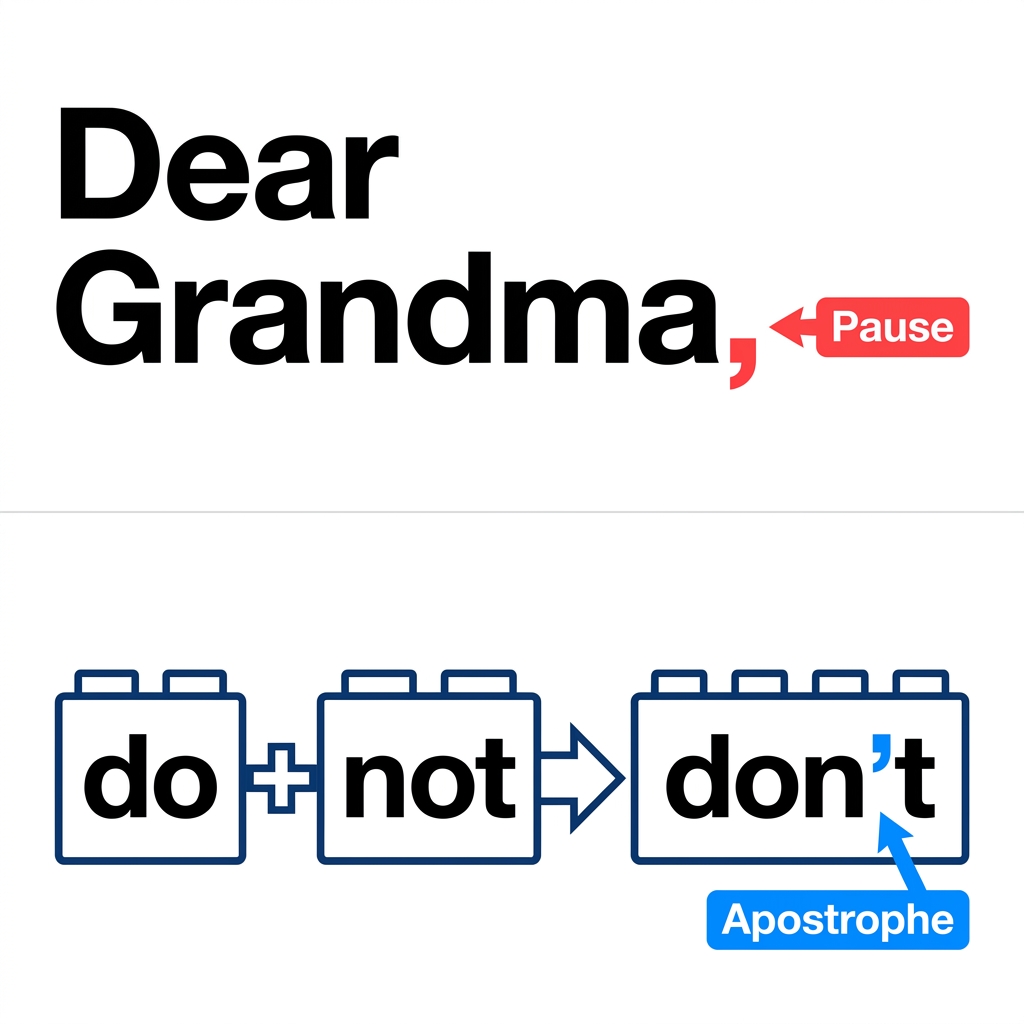
This material directly addresses CA.ELA.L.2.2, which is the California-adopted standard for language conventions. The standard is specific in its demands. Part a requires students to identify and capitalize proper nouns such as holidays, brand names, and locations. Part b teaches the use of commas in letter greetings and closings. Part c introduces apostrophes for contractions and possessive nouns. Part d asks students to apply common spelling patterns to new words, while part e pushes students to consult reference materials like dictionaries to check their spelling. Teachers in Palmdale Elementary School District, San Ramon Valley Unified, Fruitvale Elementary School District, and South Pasadena Unified use this standard to make sure every student can produce text that is readable for an audience.
Understanding the rules of special names
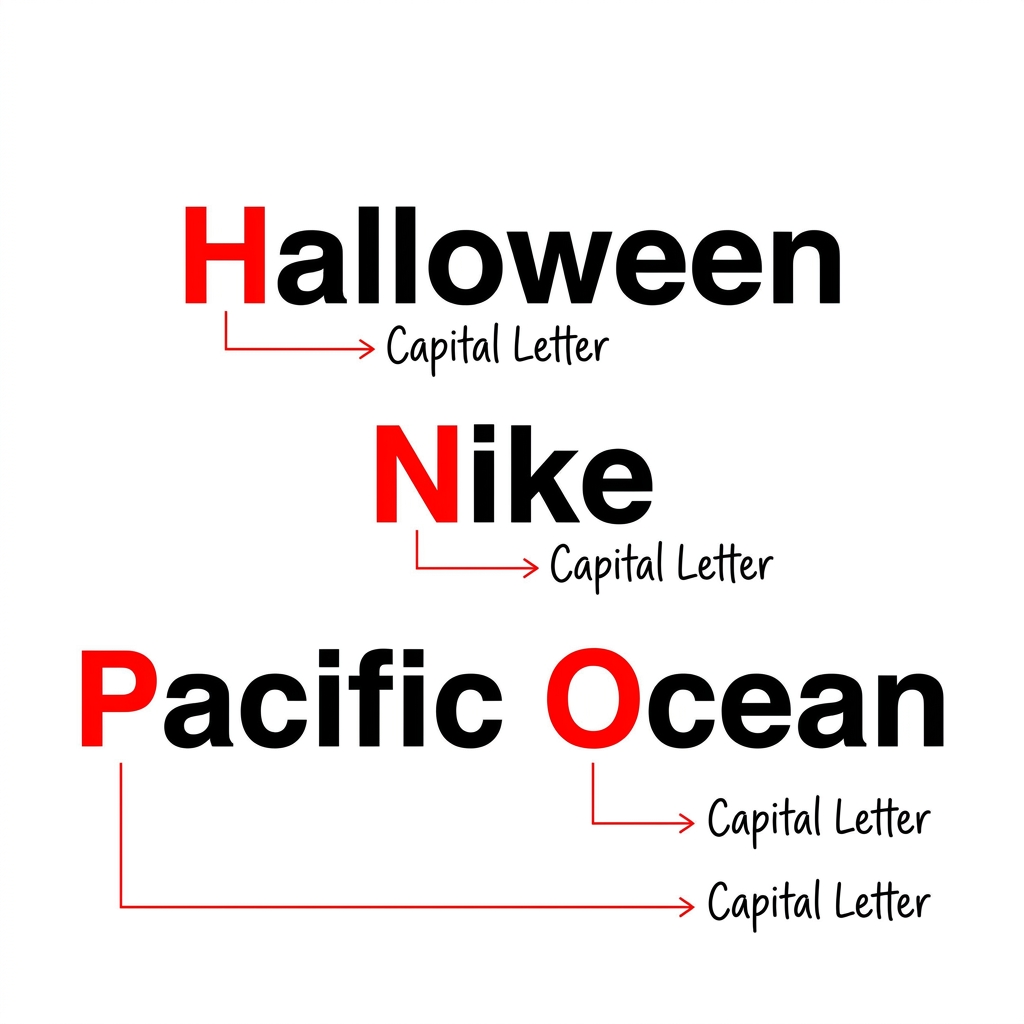
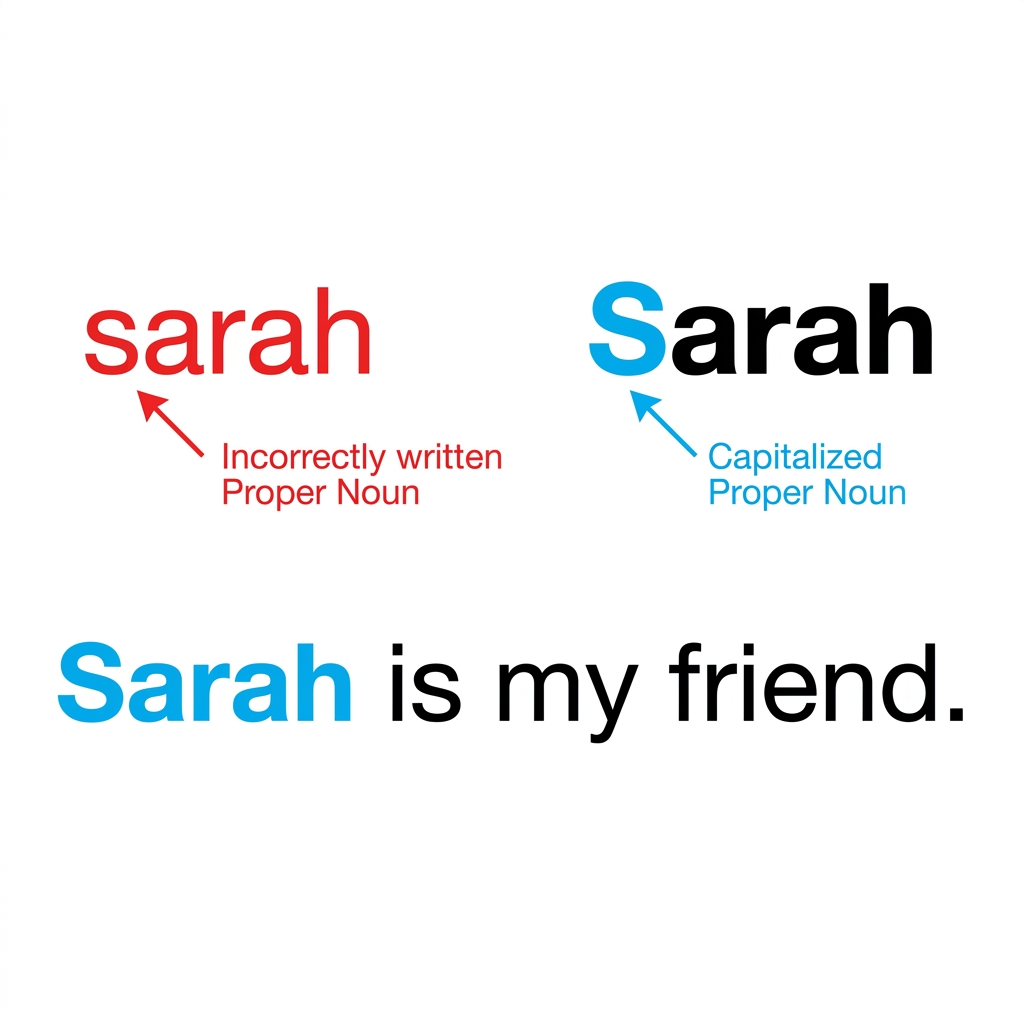
The core of this second grade grammar punctuation lesson centers on the proper noun. When students write, they often lowercase words that should be special because they lack a strategy for categorizing them. The lesson defines a proper noun as the special name for a specific person, place, or thing, and it insists that these must always start with a capital letter. By using concrete examples like Halloween for a holiday, Nike for a product brand, and Pacific Ocean for a geographic name, the lesson shows students exactly why these words command an uppercase letter at the start.
I find that students often ignore these rules when they are focused on the content of their story or report. They get excited about the narrative and forget the mechanics. By explicitly teaching these categories, you give them a mental checklist they can use during their revision process. The lesson provides a guided practice activity where students write a postcard from a famous place, which forces them to apply the capitalization rules in a meaningful way. It is a simple shift from talking about the rules to using them to talk about their own imaginary trips.
Connecting mechanics to clear communication
The lesson emphasizes that these rules exist for the reader, not just to satisfy a teacher. The why-it-matters statement reminds students that when they write emails or notes, people will understand their message better if they use capital letters and punctuation correctly. This is a vital mindset to build in the classroom. When students see punctuation as a tool for clarity rather than a list of arbitrary prohibitions, they tend to take more care with their writing.
One limitation of this approach is that it requires students to have a basic grasp of sentence structure before they can effectively apply these punctuation rules. If a student is still struggling to form a complete sentence, you might need to provide additional support before they can correctly place a comma in a letter greeting or use an apostrophe for a contraction. However, for most of the class, this lesson provides a necessary bridge between their initial creative impulses and the formal conventions they need to master by the end of the year. If you have students who need intervention or are working through independent study, this lesson provides the exact structure they need to clean up their writing and feel confident in their ability to communicate with others.
Related lessons

Choosing the Best Words, improving word choice to make writing more precise and clear
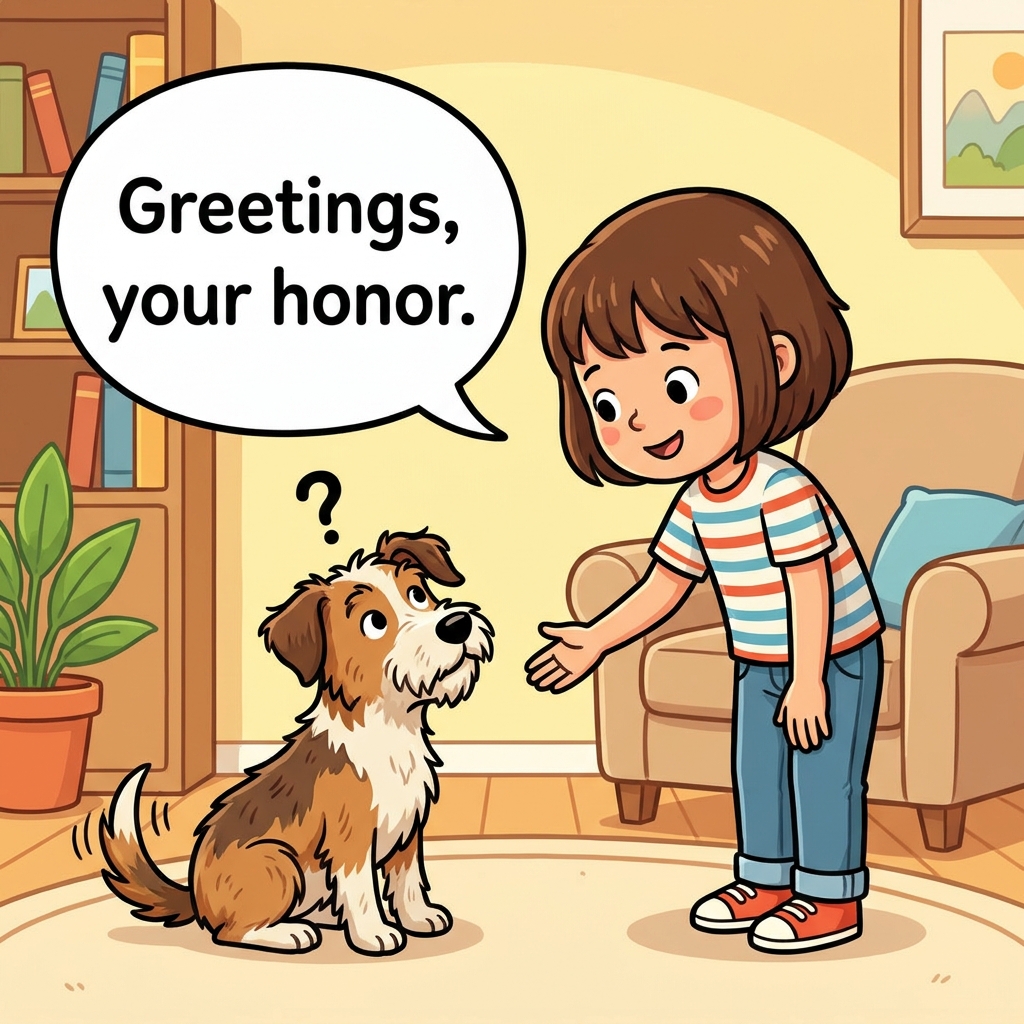
Choosing Your Words: Formal and Informal English, identifying when to use formal versus casual language styles
Building Better Sentences, expanding simple thoughts into complex and descriptive sentence structures