

This lesson is not trying to turn your students into professional ecologists in forty-five minutes. It does not ask them to map out an entire biome or memorize the diet of every creature found in the Sierra Nevada. Instead, the Interactions in California Ecosystems lesson keeps things focused. It asks sixth graders to look at specific, observable relationships in nature and predict what happens when one variable changes. It is a solid choice for a whole-class assignment, a student who missed the week, or an intervention session where you need to clarify how a food web actually functions.
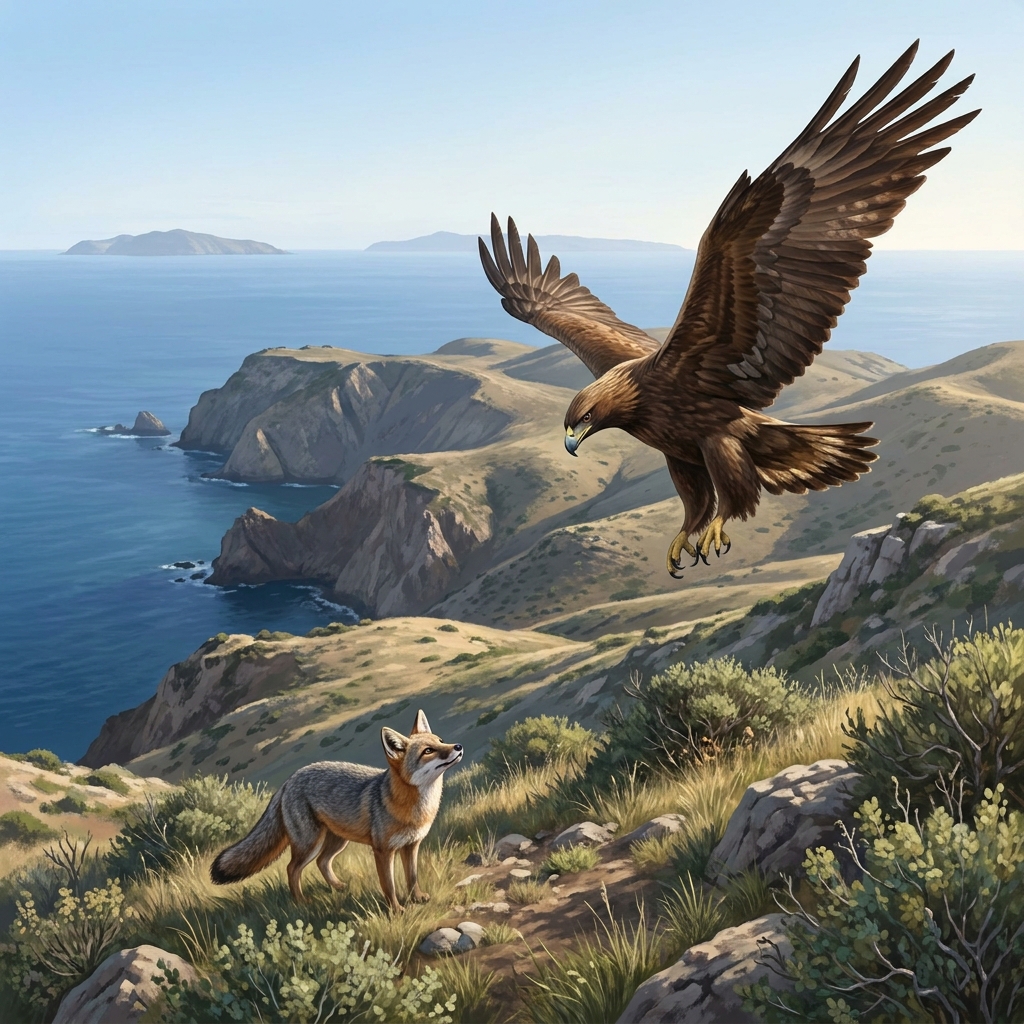
As a 6th grade science resource, this material is straightforward. It begins by grounding students in a familiar scenario: a hawk hovering over a grassy field looking for mice. By starting with this everyday observation, the lesson makes the jump to more complex concepts easier. It moves from that opening into the core of the lesson, which centers on the California-adopted standard MS-LS2-2. This standard asks students to construct an explanation that predicts patterns of interactions among organisms across multiple ecosystems. Throughout the lesson, this framework is applied to local examples like the predator-prey relationships of island foxes and golden eagles at the Channel Islands, as well as the mutualism observed between island scrub jays and oak trees.
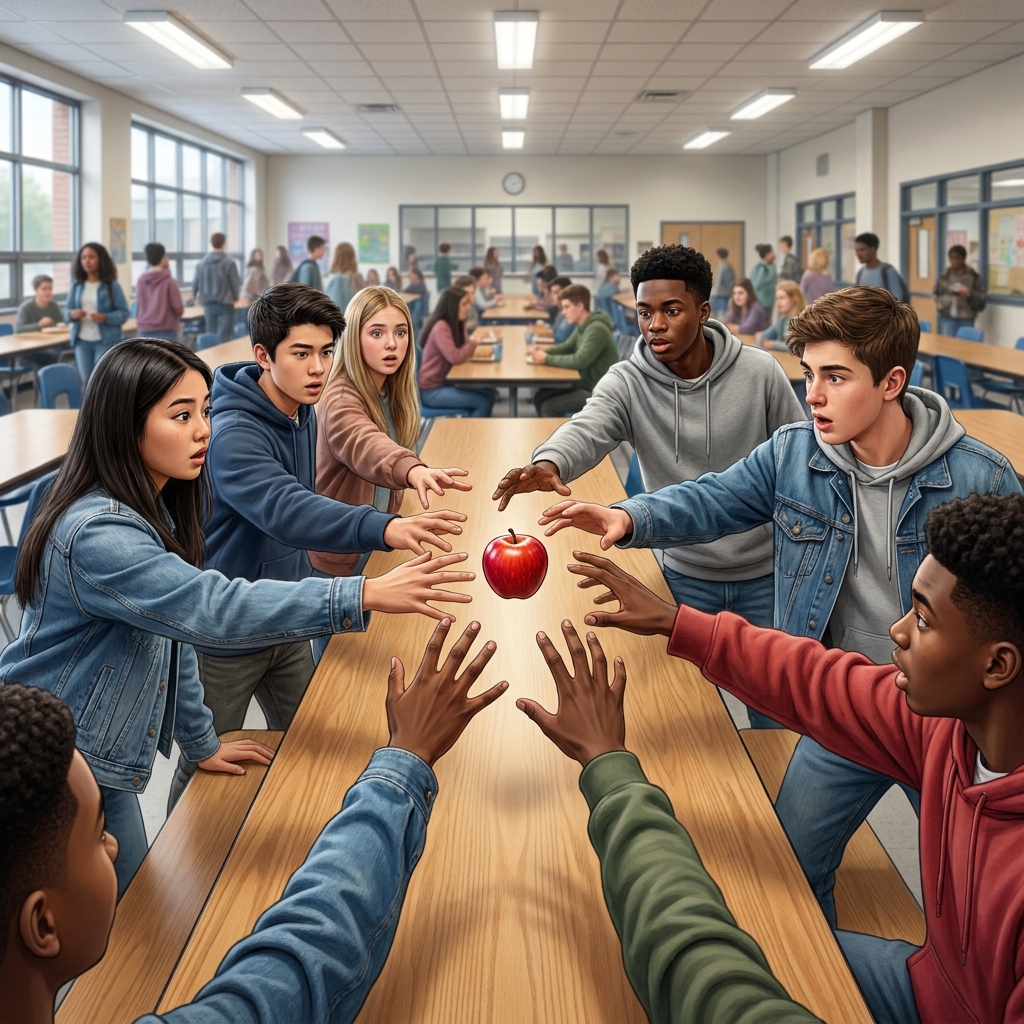
The standard asks for more than just identification. It requires students to explain how these interactions create patterns. The lesson does this by introducing three specific vocabulary terms that act as your primary tools for the day. Predation is defined as a relationship where one organism, the predator, hunts and eats another organism, the prey. Mutualism is defined as a relationship where two different species interact in a way that helps both of them survive. Finally, competition is defined as a struggle between organisms for the same limited resources, like food, water, or space. When you see students grasping these terms, you know they are beginning to understand the mechanics of the ecosystem rather than just the names of the animals involved.
What the lesson actually asks students to do
The core of the work happens when students analyze the Channel Islands phenomenon. The lesson guides them through the decline of the island fox population after golden eagles began hunting them, which is a perfect example of a trophic cascade. Students have to use the evidence provided to explain how the change in one population ripples through the local environment. This is exactly the kind of critical thinking that teachers in San Bernardino City Unified, Moreno Valley Unified, Paradise Unified, and Orland Joint Unified are asking of their students every day under this state-mandated standard.
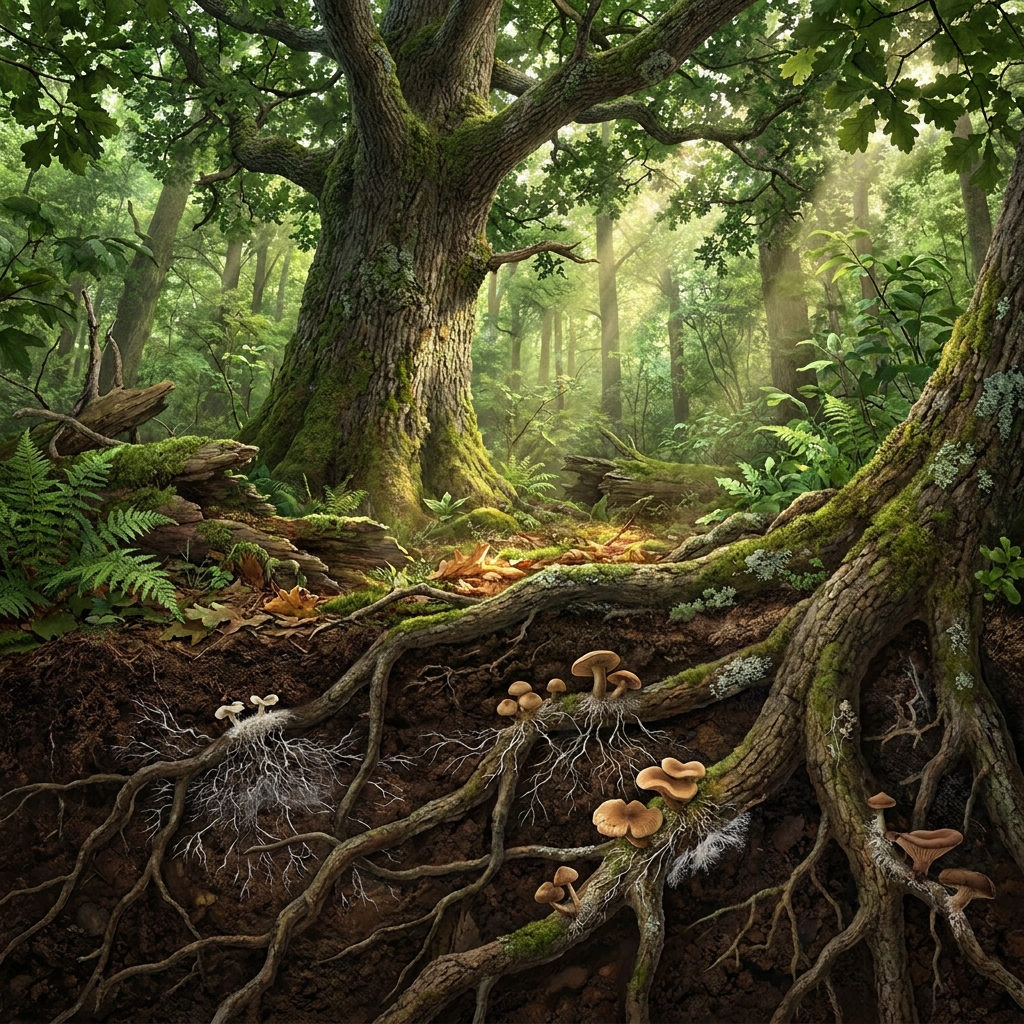
You will find that the guided practice is the most important part of the block. It asks students to look at the island scrub jay and the oak trees. The jay eats the acorns, which on the surface looks like a simple interaction, but then they learn that the birds bury the acorns, allowing new trees to grow. This is where the lightbulb usually goes off. If you are teaching this to a group that has struggled with abstract science concepts, take extra time here. Ask them to write down what would happen if the jays disappeared. That predictive exercise is where the California ecosystems science lesson really succeeds.
Where students slip
One common pitfall I see is students confusing competition with predation. They might see a squirrel and a bird both looking for seeds under a tree and call it predation, simply because they are both eating. You will need to step in and clarify that predation requires a predator-prey relationship where one is hunting the other. Competition is about the scramble for the limited resource itself, not about eating the other organism. If you catch this misunderstanding early, it saves a lot of headache during the wrap-up.
The why-it-matters section of the lesson provides a great bridge back to real-world conservation. It frames the study of these interactions as a way to make better decisions about caring for parks and wildlife. This is useful for those students who always ask why they need to know this. I like to remind them that if we can predict how the loss of a plant affects a fox, we can intervene before a whole species disappears. It moves the lesson from a textbook exercise to a genuine problem-solving task. This specific focus on human impact is part of what makes the lesson align well with the broader California expectations for middle school life science, which emphasize using evidence-based explanations to predict ecological outcomes.
If you are using this for attendance recovery or as a quick refresher for a student who missed the week, the flow is intuitive enough that they can complete it without needing you to stand over their shoulder the whole time. However, it is always worth keeping an eye on the part of the lesson that asks them to apply their knowledge. That is where you get the best feedback on whether they truly understand the difference between the three vocabulary terms. If a student can correctly describe how the island scrub jays and the oaks have a mutualistic relationship, you know they have met the objective.
Related lessons
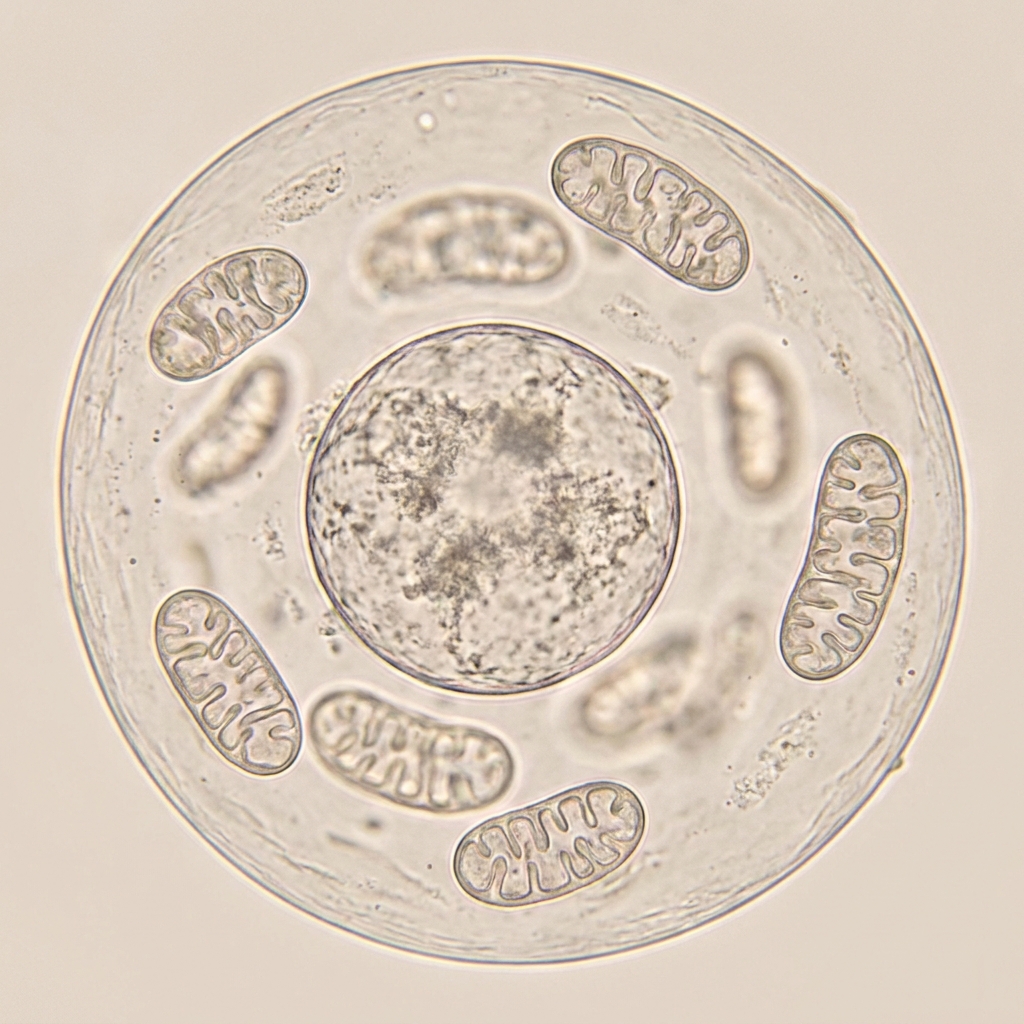
Cells as Organized Systems, Explores how cells function as organized systems within living things.

Embryos and Evolution, Examines evidence for common ancestry through analyzing stages of development.
How Living Things Pass On Their Traits, Investigates inheritance patterns and how organisms transmit their unique traits.