

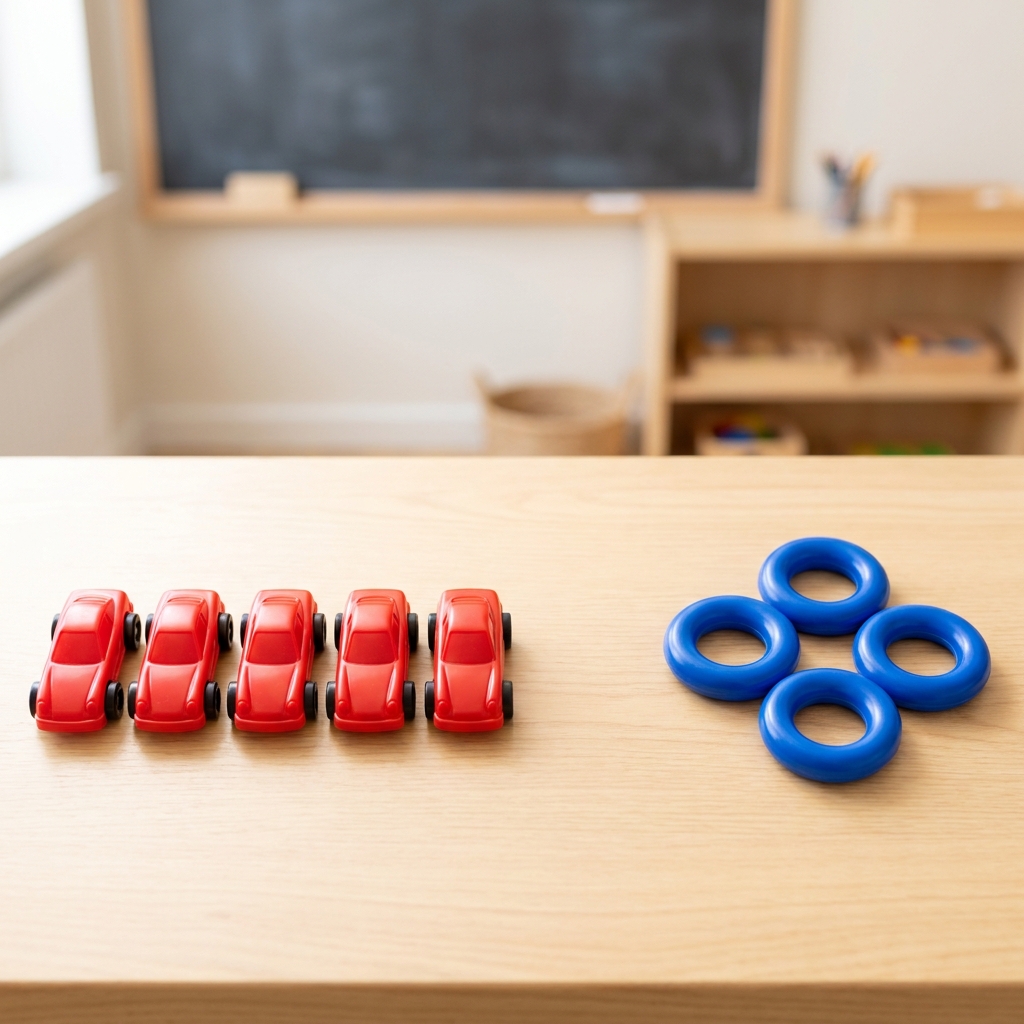
Imagine a pile of twenty mixed-up classroom blocks. Before a student can tell you which color they have more of, they have to physically move those blocks into separate groups. In Sorting and Counting Our Things, first grade students practice exactly that mechanical process of moving, grouping, and finally, enumerating their data.
This is a foundational 1st grade math lesson because it bridges the gap between simple counting and comparative thinking. We spend a lot of time in kindergarten teaching children how to count a single set of objects, but this lesson asks them to do more. It moves them from simply identifying a pile to systematically organizing a set into up to three distinct categories. Once the categories exist, the students start comparing them, which is the exact cognitive leap they need for more complex work later in the year.
The mechanics of data representation
When students work through this first grade data collection lesson, they are meeting the requirements of CA.MATH.1.MD.4. This standard asks students to organize, represent, and interpret data using up to three categories, and then use that data to answer questions about the totals and the differences between those groups. Whether you are teaching in Capistrano Unified, Bakersfield City School District, Parlier Unified, or Vista Unified, this standard provides the framework for helping students see that numbers represent real-world counts.
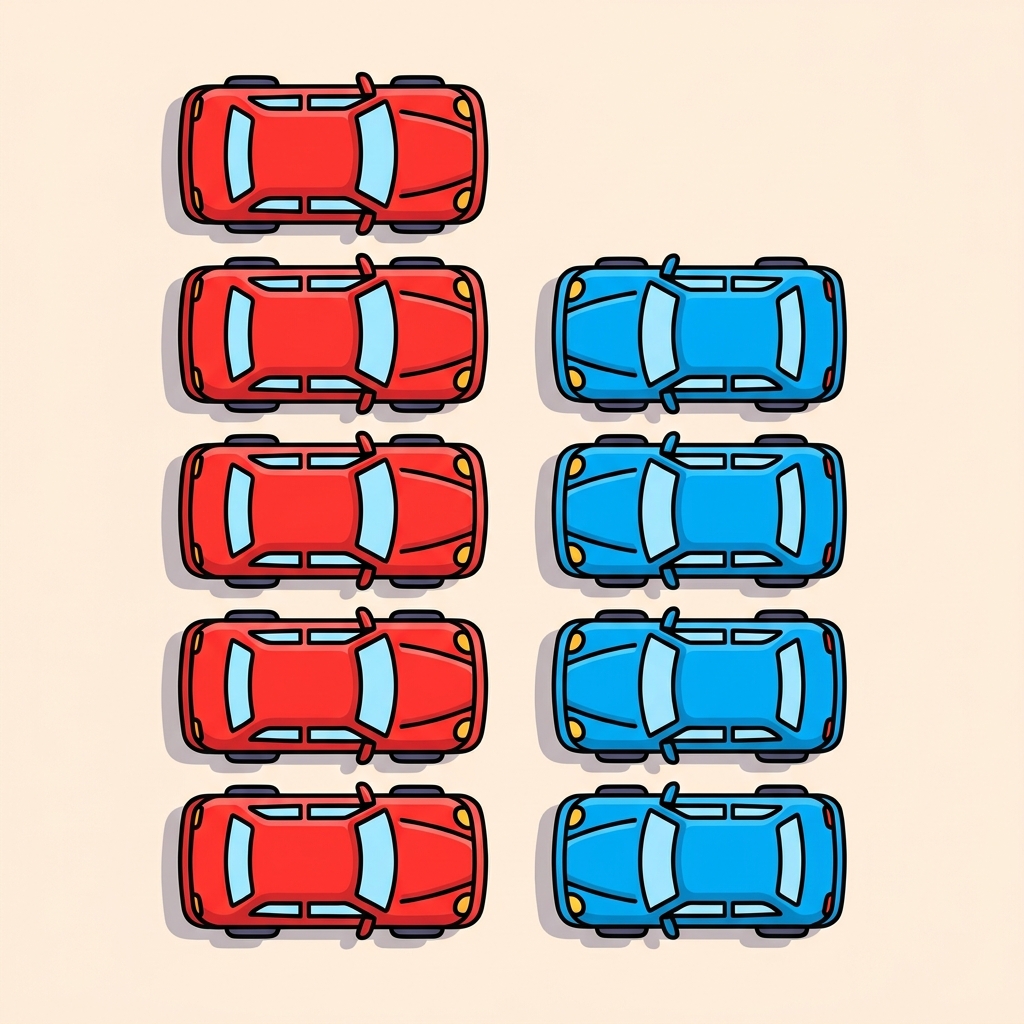
The lesson focuses on the objective: I can sort things and count how many I have. By the end, students should be able to look at their organized groups and tell you which category is larger, which is smaller, and exactly how many more or less are in one group than another. It is a simple but high-stakes task; if a student cannot accurately sort their items, every subsequent subtraction or addition task based on that data will naturally fall apart. You can find the CA.MATH.1.MD.4 standard requirements integrated directly into these practice exercises.
Where the practice fits in your classroom
This is a short fifteen-minute activity, which makes it incredibly flexible for a busy daily schedule. I personally like using this for a student who missed the week of instruction, as it is self-contained and builds confidence quickly. It also works beautifully for a short intervention block or as an independent study task when you need to pull a small group for a different skill. Do not use it as a heavy lecture; the value here is in the physical movement of objects or the manipulation of on-screen items.
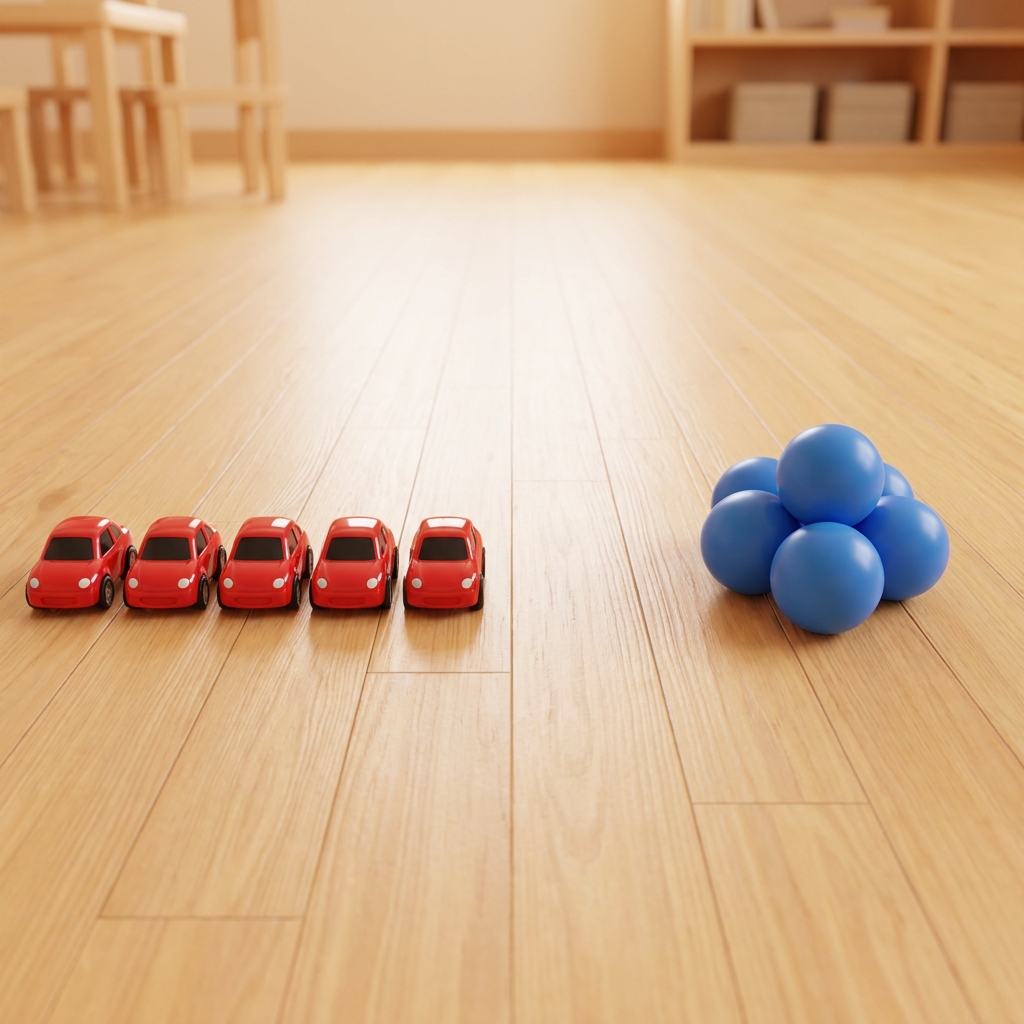
One caveat to keep in mind is that the act of sorting seems simple until you introduce categories that are not clearly distinct. Watch your students as they decide if a blue triangle with a slight scratch counts as a blue shape or a scratched shape. The lesson succeeds because it forces them to define their categories clearly before they begin counting. That moment of hesitation is where the real learning happens. By establishing these rules for sorting early, you set them up for success when they transition into more formal bar graphs and charts later in their academic careers.
If you find that your students are still struggling with counting, you might want to revisit their foundational fluency before focusing heavily on the comparative aspect of this data work. Once they can count the items with precision, the questions about how many more or how many less become much easier for them to answer. It is a logical progression that provides a clear indicator of who has internalized the concepts of quantity and who is still relying on rote counting. Keep the sorting process tactile and keep the questions focused on their own work, and you will find it is a straightforward way to check their progress against the state standards.
Related lessons
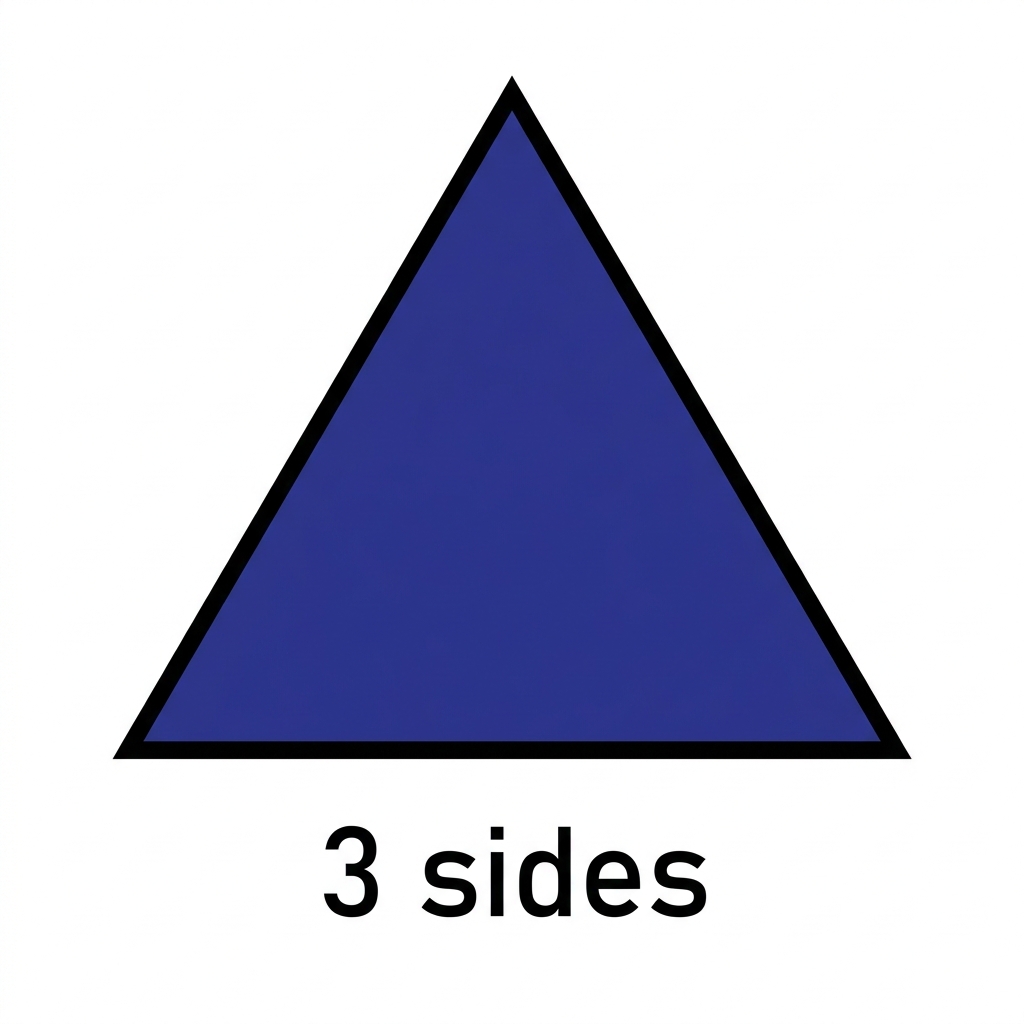
Shapes and Their Sides, Teaches students how to identify and count sides of shapes
Making Ten and Counting On, Focuses on addition strategies and building fluency within ten
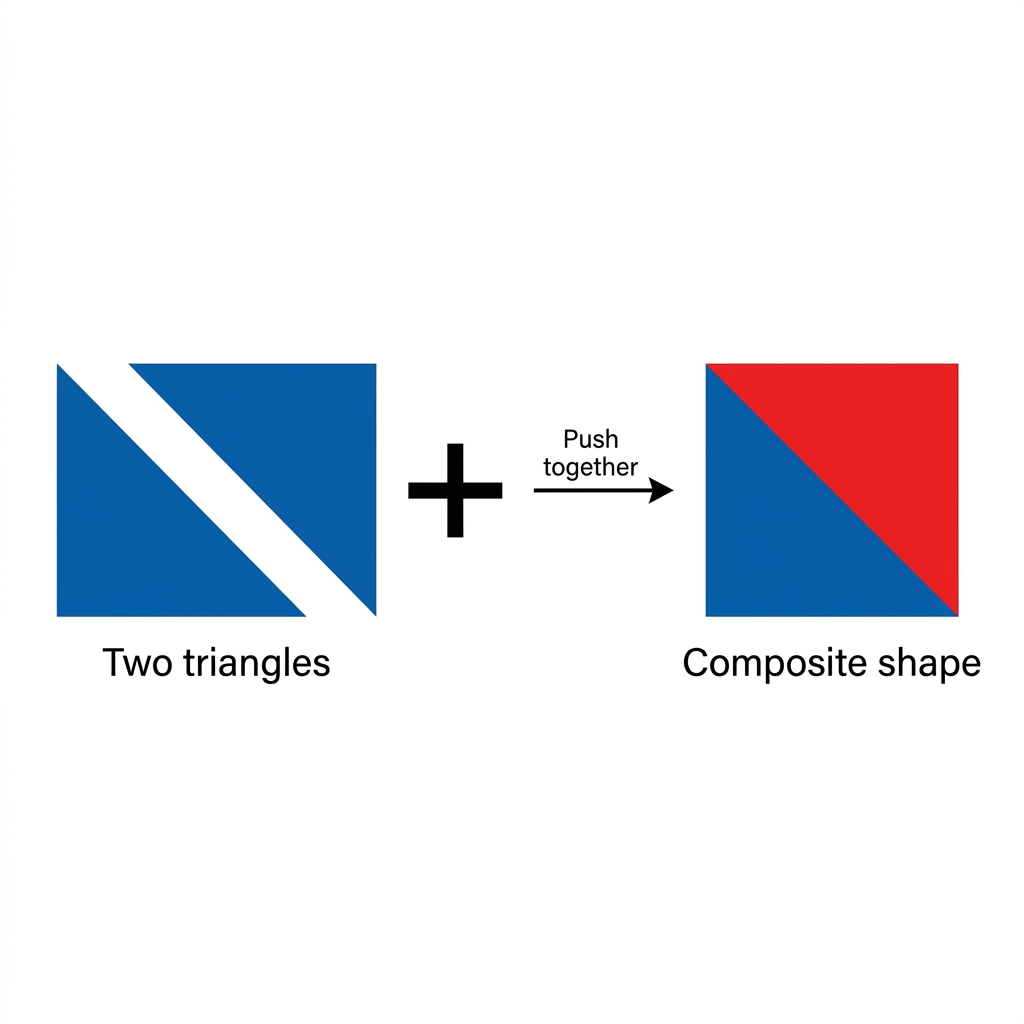
Building New Shapes, Explores how basic shapes can combine to form larger ones