


Sorting out our local environments
Most second graders view the world strictly through the windshield of their family car. If they live in an apartment, everything else is just somewhere else. If they live on a farm, the city is a noisy, confusing mystery. When we start discussing geography and community layout, the biggest hurdle is helping students understand that neighborhoods are organized for specific reasons. The lesson Where We Live in California is built to help your students grasp that land use is not random. It is how people build homes, shops, and farms on the earth to meet their needs.
This is a foundational concept that teachers in Fontana Unified, Twin Rivers Unified, Hueneme Elementary School District, and Central Union Elementary School District all cover to ensure students understand their place in the state. By defining these areas clearly, students start to see the logic behind why a town has a business district or why a farm needs open space. It is a relief when the class finally moves past the assumption that all streets look like their own street.
What the lesson actually asks students to do
The core of this second grade land use lesson is the comparison between three specific environments. The lesson uses clear, accessible vocabulary to break down the complexity of our communities. An urban area is defined as a city with many tall buildings, busy roads, and lots of people living close together. A suburban area is described as a neighborhood near a city where houses have yards and there is more space between buildings. Finally, a rural area is defined as land in the country with large open fields, farms, and fewer people or buildings.
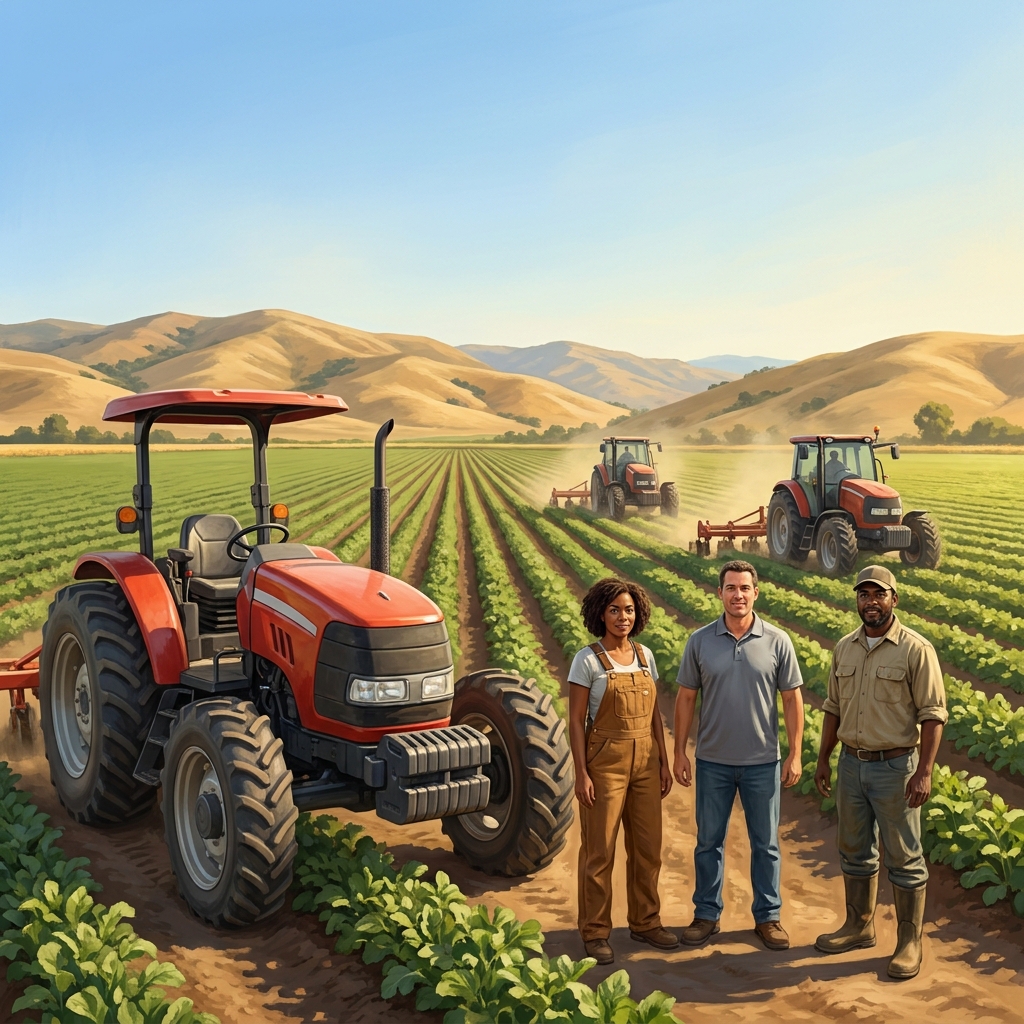
The material provides concrete anchors for these definitions. For the urban environment, it highlights a high-rise office building in Los Angeles, which is an excellent way to show how vertical growth functions as a necessity in a dense city. For the suburban segment, it guides students to identify a cul-de-sac as a circle where houses are close together but still have the privacy of individual yards. This is effective because it gives students a visual they can easily contrast with the crowded city high-rise. By the time they finish the 45-minute activity, they should be able to identify and compare how land is used for homes, businesses, and open space across these three settings.
Where students slip
The tricky part for seven-year-olds is the concept of density. Students often look at a suburban neighborhood and call it a city because there are houses, or they look at a small town and call it rural because it has trees. The beauty of this lesson is that it forces them to look at the relationship between space and function. The lesson explains that understanding land use matters because it helps us know how our town works. When leaders decide where to build a new park or a new road, they think about what the land is used for.
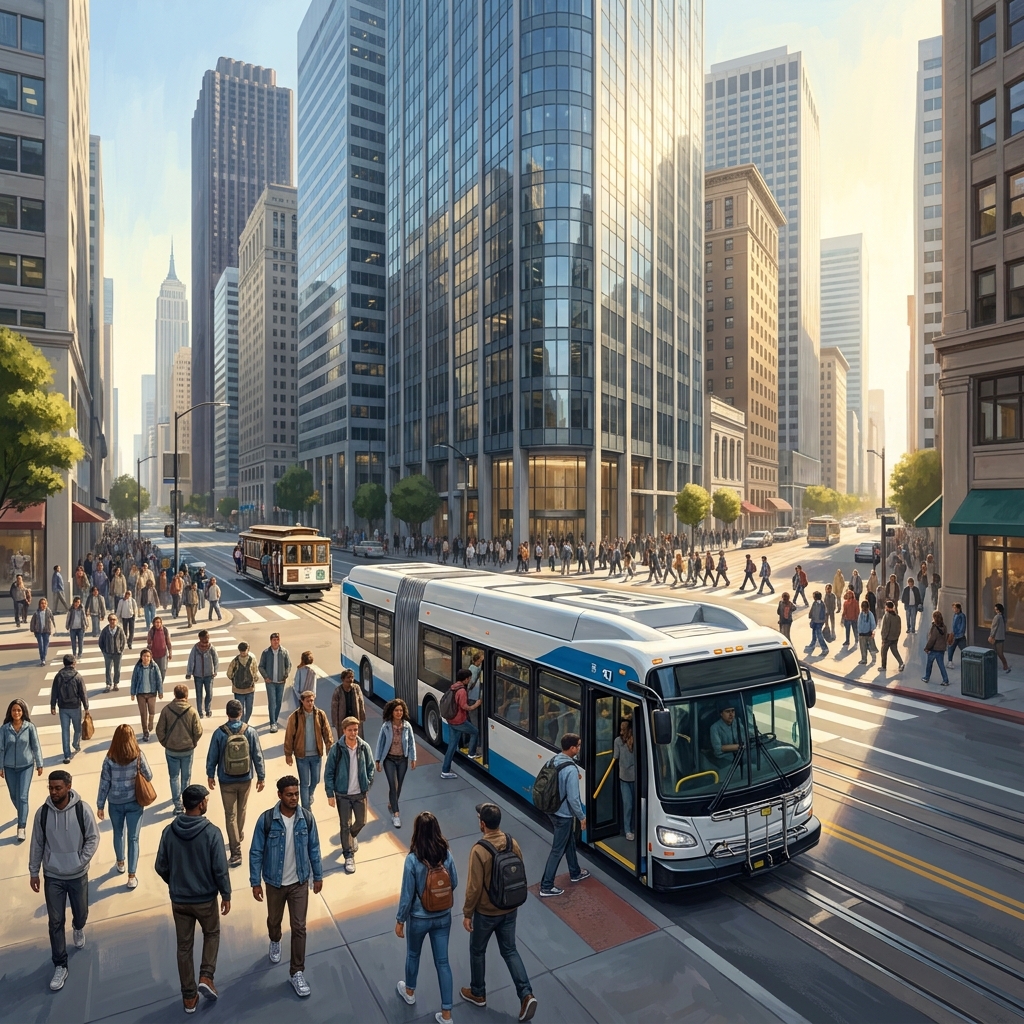
If you have a student who is struggling with the spatial aspect of these definitions, it helps to use this as a small-group intervention. Alternatively, it works as a straightforward, independent study module for a student who missed the week, as the visual examples of the San Francisco bus stations and the Los Angeles skyscrapers do the heavy lifting that a lecture simply cannot replicate. It is also a safe bet for a substitute day because the structure is so clear. The activity aligns perfectly with CA.HSS-2.2.4, which is the California-adopted standard that asks students to compare and contrast basic land use in urban, suburban, and rural environments. Teaching this well prevents the common confusion that every town is built the same way, and it encourages students to notice the design of the places they pass every day.
Related lessons
Solving Problems Together, Working together to address common community and classroom social problems
Yesterday and Long Ago, Comparing life today with life in the distant past
From Farm to Table: How Food Gets to Us, Tracing the path of food from rural farms to tables