

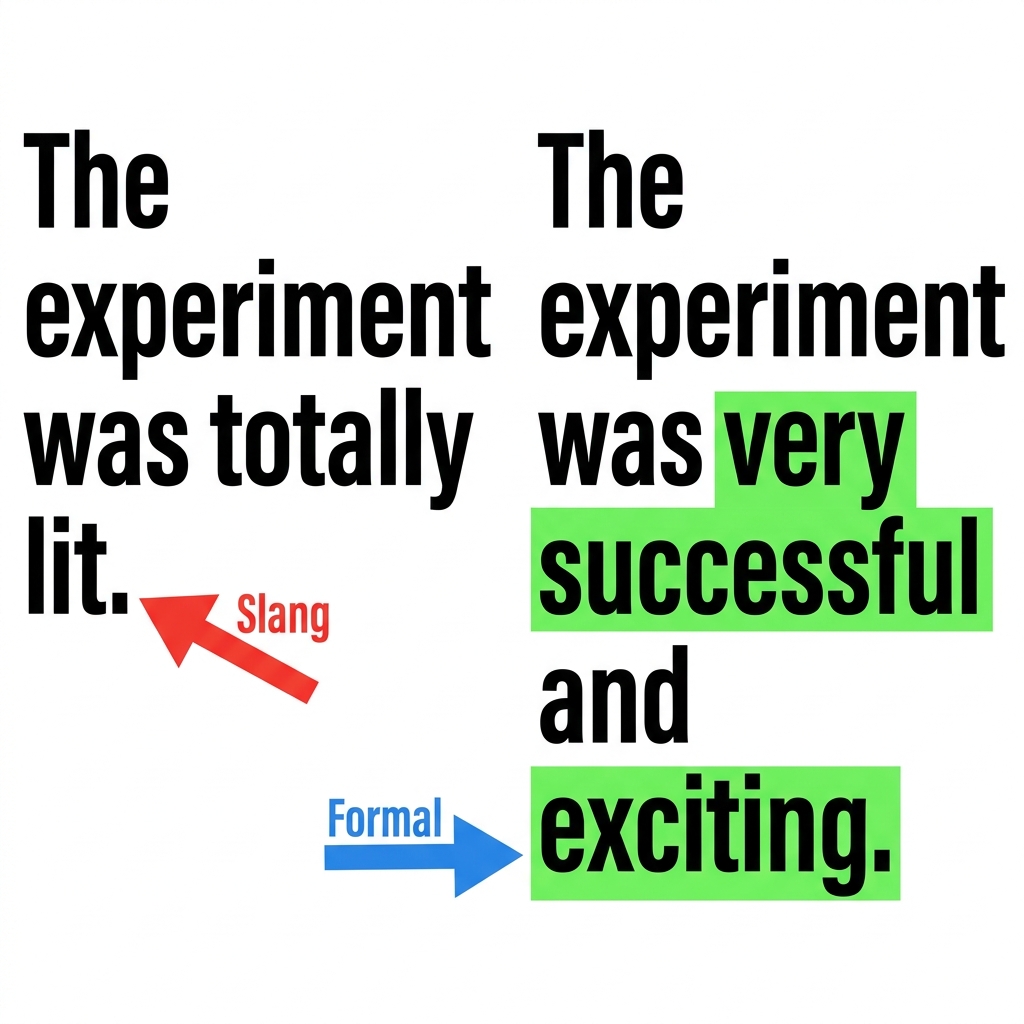
Students often treat unknown words in informational text like invisible obstacles. They either skip over them and hope the meaning appears or they stop reading entirely because they feel stuck. This pattern is common among fifth graders who are moving from narrative stories to denser, fact-heavy reading materials. If you need a resource to help a student who missed the week or needs intervention, Understanding Words in Informational Text offers a straightforward path toward building confidence with technical vocabulary.
This 5th grade English Language Arts lesson runs about forty-five minutes. It asks students to move beyond guessing. The objective focuses on using context clues and word parts to figure out definitions. It presents a simple, logical strategy. When a student encounters a word they do not know, they should look at the surrounding sentence to see if the author left clues. The lesson defines vocabulary such as analyze, which means to study something closely by breaking it into smaller parts to understand how it works. It also covers context clues as the hints inside a text and domain-specific words as terms used primarily in a particular subject area like science or history.
The lesson uses a specific example from a geology report to show this process in action. The author writes, The scientist found evidence, or proof, that the rock was very old. Students see right away that the word proof acts as a synonym for evidence. This is a clear definition clue. By the time students reach the guided practice section, they read a passage about weather patterns. The text reminds them that meteorologists study the weather. It is a practical exercise that mirrors the requirements in Chino Valley Unified, Fresno Unified, Belmont-Redwood Shores Elementary School District, and Lancaster Elementary School District where educators work toward the same state-adopted proficiency. Teachers who need to find a 5th grade reading vocabulary lesson will find the workflow predictable and easy to manage.
Understanding the standard requirements
The lesson supports CA.ELA.RI.5.4. This California Common Core standard asks students to determine the meaning of general academic and domain-specific words and phrases in a text relevant to a grade five topic. The standard includes expectations from Language standards four through six. These additional requirements ask students to use common Greek and Latin affixes and roots, use reference materials to check word meanings, and demonstrate understanding of figurative language. The lesson centers on the core of this requirement by teaching students to be detectives of their own reading material.
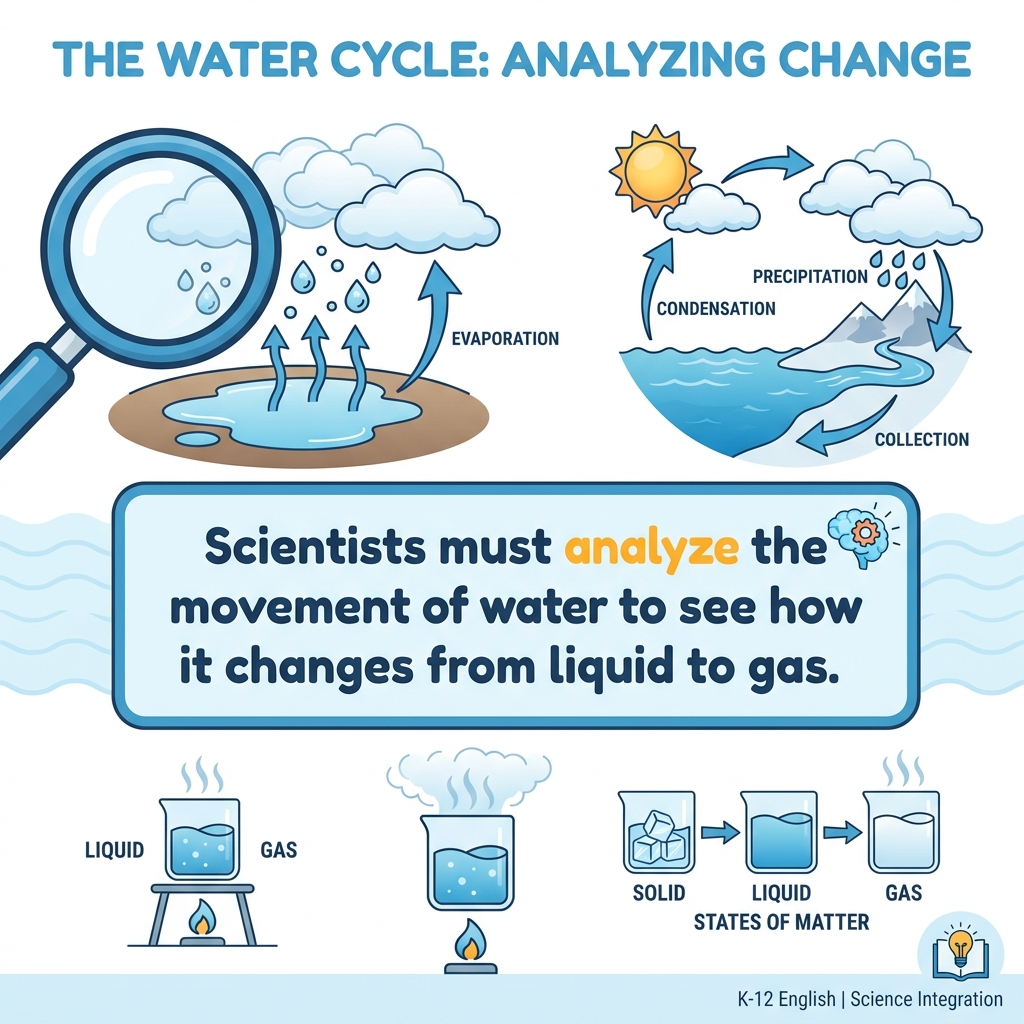
I have observed that many students struggle because they do not have a mental model for how to pause and check a word. They think of reading as a linear task where they must know everything immediately. This lesson corrects that misconception. It breaks the process of word analysis into steps that feel manageable. It treats word discovery as a normal part of the reading experience rather than a sign of failure. This change in perspective is effective for students in independent study programs or those catching up after an absence.
Applying the skill in the classroom
Using precise vocabulary matters in real life. Journalists rely on it to report news. Scientists rely on it to share discoveries. When students learn to use the right words, their ability to communicate ideas becomes much sharper. The lesson explains this clearly so that students see the value in the work. It is not just about finishing an assignment. It is about gaining a tool that makes other subjects like science or history easier to handle.

For a site administrator or a counselor looking to fill a gap in a schedule, this lesson works well as a one-off assignment for attendance recovery. It requires no specialized setup. A student can log in, work through the geology example, and then practice on the weather passage. The feedback loop is quick. If a student is struggling with complex sentences in their history book, this lesson provides the exact logic they need to slow down and pick apart the meaning. I find that once students identify a few synonym clues in a paragraph, they start to look for them everywhere. That is the moment where the instruction takes hold. You might see a student start to circle words in their own textbook. That is the best outcome you can ask for.
The lesson is not a long series of videos or a complex game. It is a direct, clean approach to reading comprehension. If you have a student who feels overwhelmed by technical terms, this is a sensible starting point. It respects their time by keeping the focus on the task of finding clues in a sentence. There is no filler. There is no complexity that distracts from the reading. It is simply a way to teach a skill that stays with them through the rest of the school year.
The lesson fits well into a routine. If you set it as a whole-class assignment, you can follow it up by having students find one domain-specific word in their social studies text the next day. If you use it for independent study, the design is clear enough that most fifth graders can complete it without needing to ask for help every five minutes. It is a rare resource that treats the student as a capable learner who just needs a better way to look at a sentence. By the time they finish the weather passage, they usually have the confidence to try another one. That is the bridge to better reading habits.
The standard asks for more than just a quick definition. It asks for a habit of mind. It asks students to pay attention to how a sentence is built. The geology example in the lesson shows them that the answer is almost always sitting right there in the text. They just need to know how to look for it. This lesson provides that lens. Whether you are teaching a small group or tracking progress for a student on an individual plan, the utility of this work is clear. It turns a frustrating reading block into a productive one.
The focus on domain-specific language is particularly useful. Fifth grade is when content area reading starts to pick up speed. A student who can handle the language of a science report is a student who will succeed in middle school. The skills taught here are the same skills that show up on higher-level assessments later. Starting this practice now creates a foundation that is easy to build upon in later grades. It is a simple, effective use of time that gives students a sense of agency over their reading. When they find a word they do not know, they no longer have to stop. They know exactly what to do to keep moving forward.
Related lessons
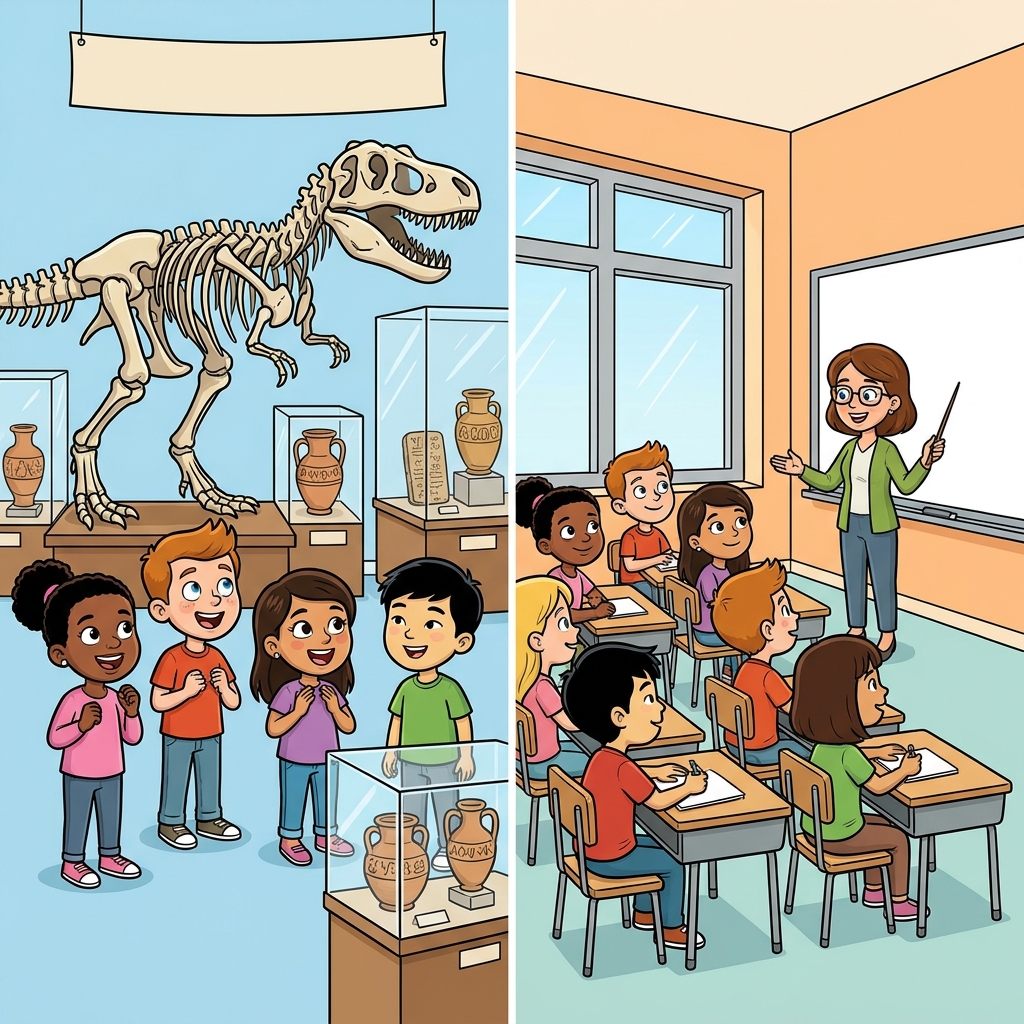
Finding Main Ideas and Supporting Details, identifying core arguments and facts within a nonfiction text
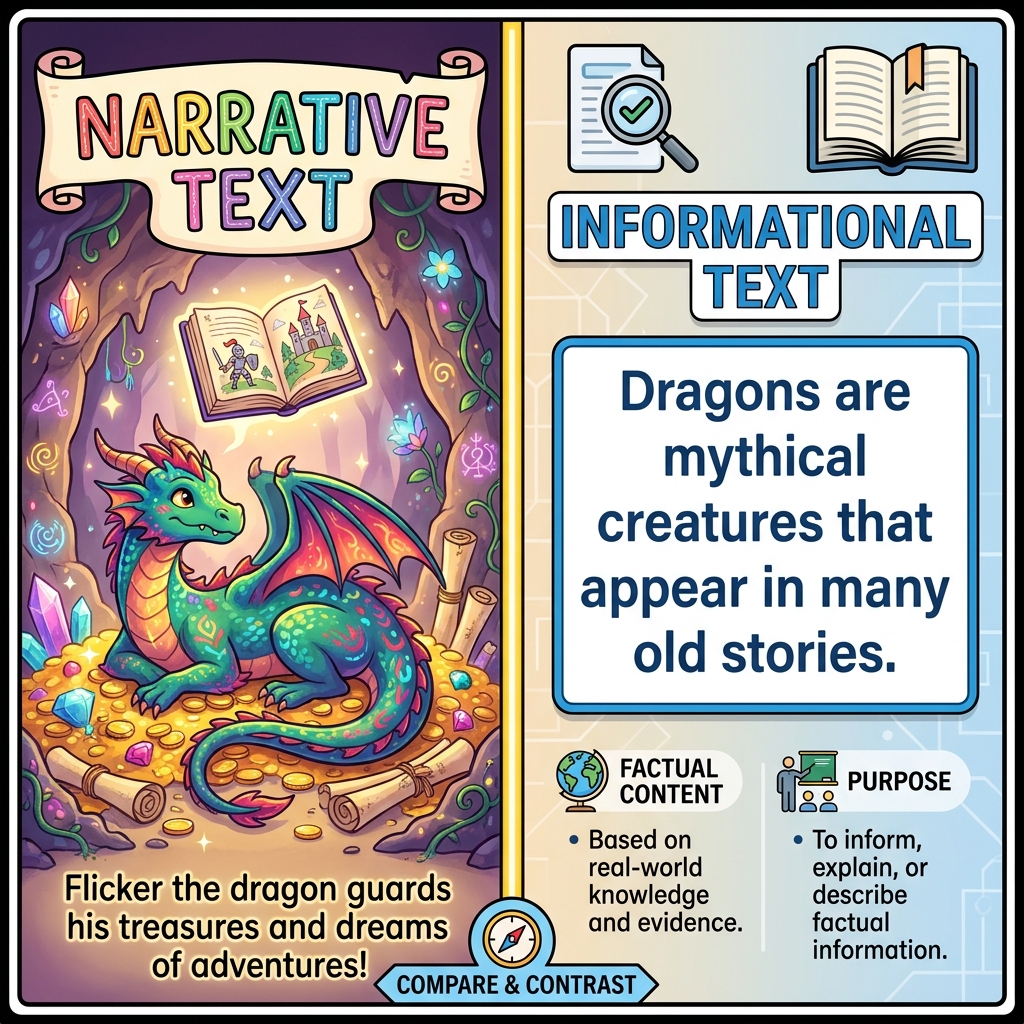
Understanding How Authors Organize Information, analyzing the structural patterns used in informational reading materials
Finding Information Quickly, developing strategies for locating specific data within a text