

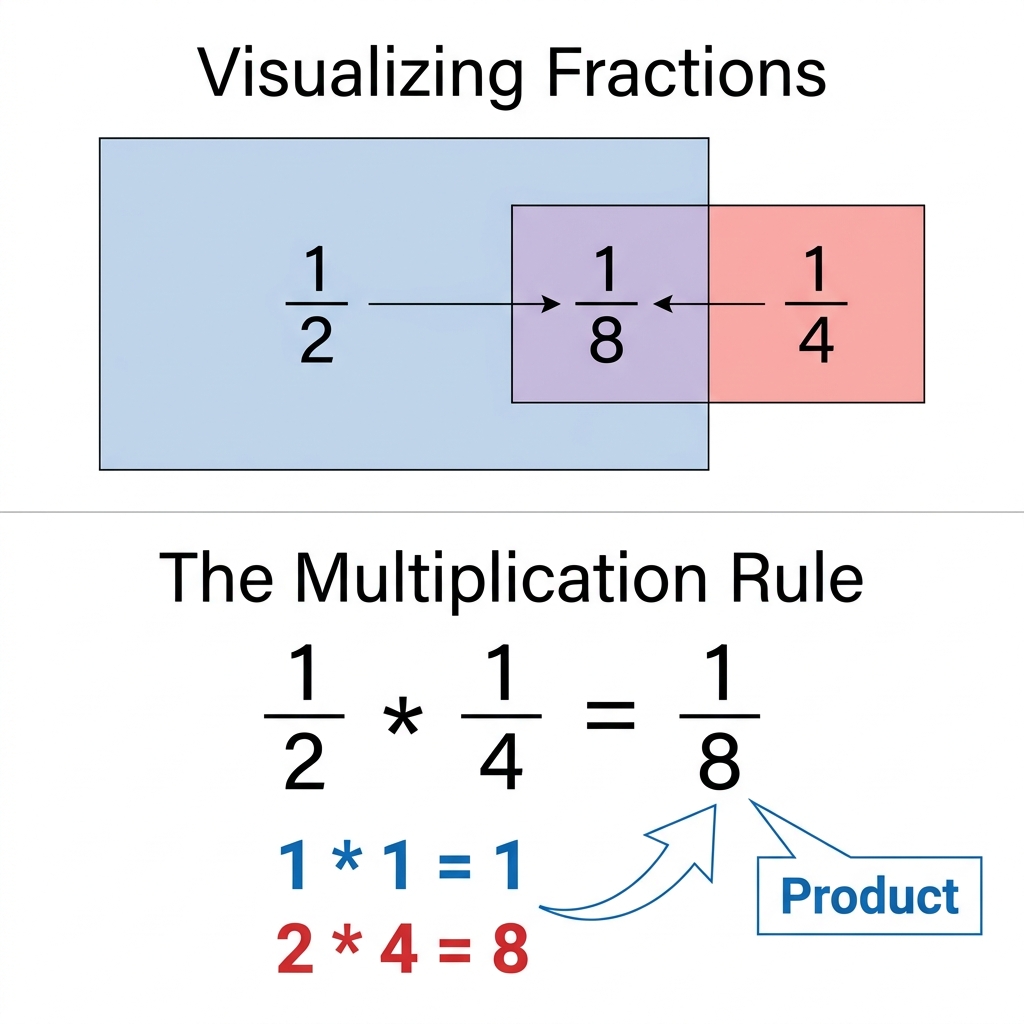
It is that time in the academic calendar when fifth grade mathematics starts feeling the squeeze of the upcoming state testing window. Most of us are balancing the need to push forward through the scope and sequence while simultaneously pulling back to catch students who missed the week or just are not tracking with the abstract rules yet. If you are feeling that familiar pressure, Multiplying Fractions and Whole Numbers is a solid, self-contained way to address that gap without needing to pull every student into a small group for an hour.
This lesson fits perfectly for a whole-class introduction, or as a targeted intervention for those who need to see the math physically rather than just memorizing a procedure. Whether you use it for attendance recovery or as a substitute day, it centers on the actual work of building a conceptual understanding of what happens when we multiply fractions. It relies on area models and partitioning, moving away from just chanting ‘multiply across the top and bottom’ until the students actually see why that works.
What the lesson actually asks students to do
The core of this work is grounded in CA.MATH.5.NF.4a. This California-adopted standard asks your students to apply what they know about multiplication to fractions and whole numbers, specifically by interpreting the product as a part of a partition. It is the same standard taught across the state in Elk Grove Unified, Lodi Unified, Carmel Unified, and Mill Valley Elementary School District. The lesson helps students visualize this by defining the numerator as the parts they have, the denominator as the total equal parts that make a whole, and the product as the final result of those operations.
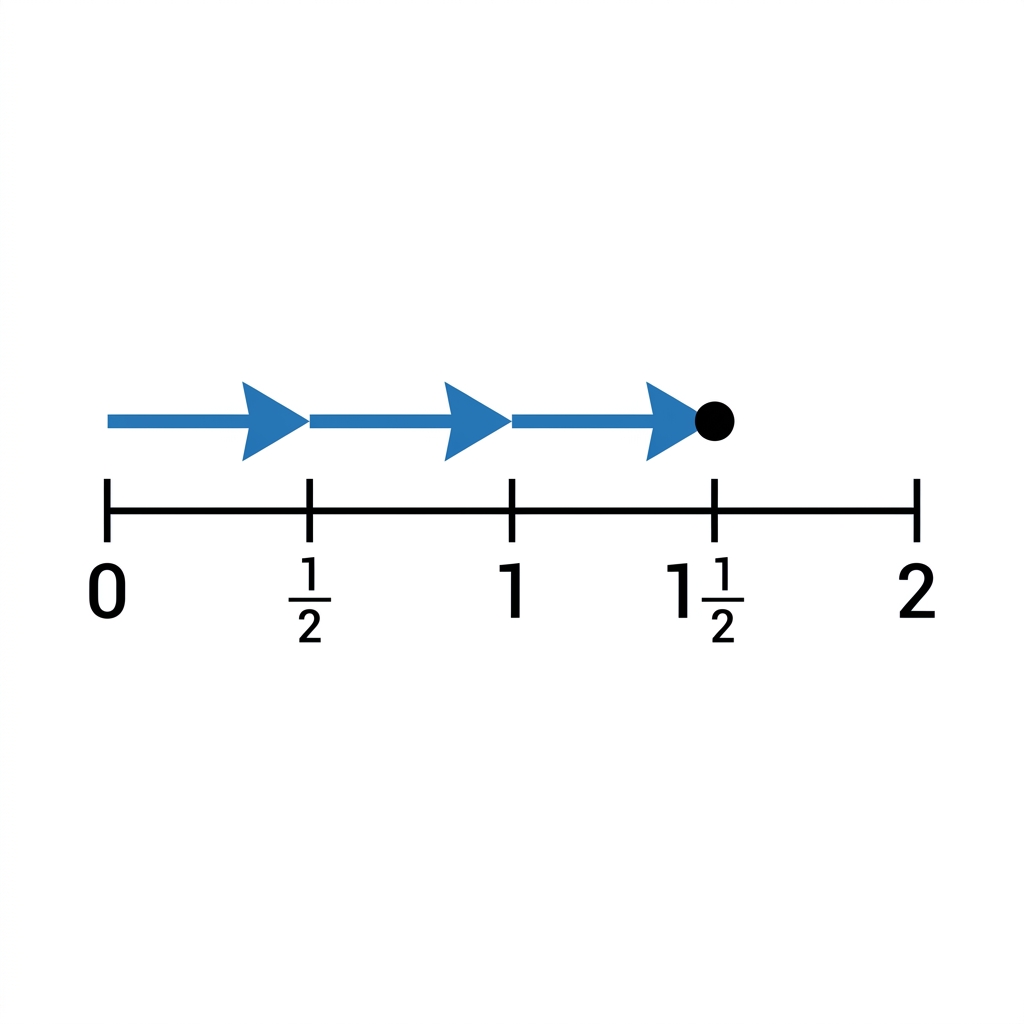
The lesson does a good job of grounding the abstract. It starts by reminding students that multiplication is just finding a total from equal groups, like a farmer with rows of crops. Then it transitions to the ‘part of a part’ concept. It explains that to solve something like one-half times one-fourth, you represent the first fraction by shading one part of four, then split that shaded section into two pieces to reveal the final eighth. It uses a garden plot scenario that measures three-fourths yard by two-thirds yard to get students working through the multiplication in a context that feels real. It does not try to do too much, which is its greatest strength. It stays focused on the area model because that is where the confusion usually hits.
Where students slip
The place where I see most of my fifth graders trip up is when they try to apply addition rules to multiplication. They see fractions and their brain immediately looks for common denominators, even when they are just calculating a product. This fifth grade fraction multiplication lesson is helpful because it forces them to draw the area model. It is very hard to force a common denominator into an area model drawing, so the process itself is a built-in check for their work. When they see that they are dividing a part into smaller parts, it starts to make sense why the denominators change and the result becomes smaller than the original pieces.
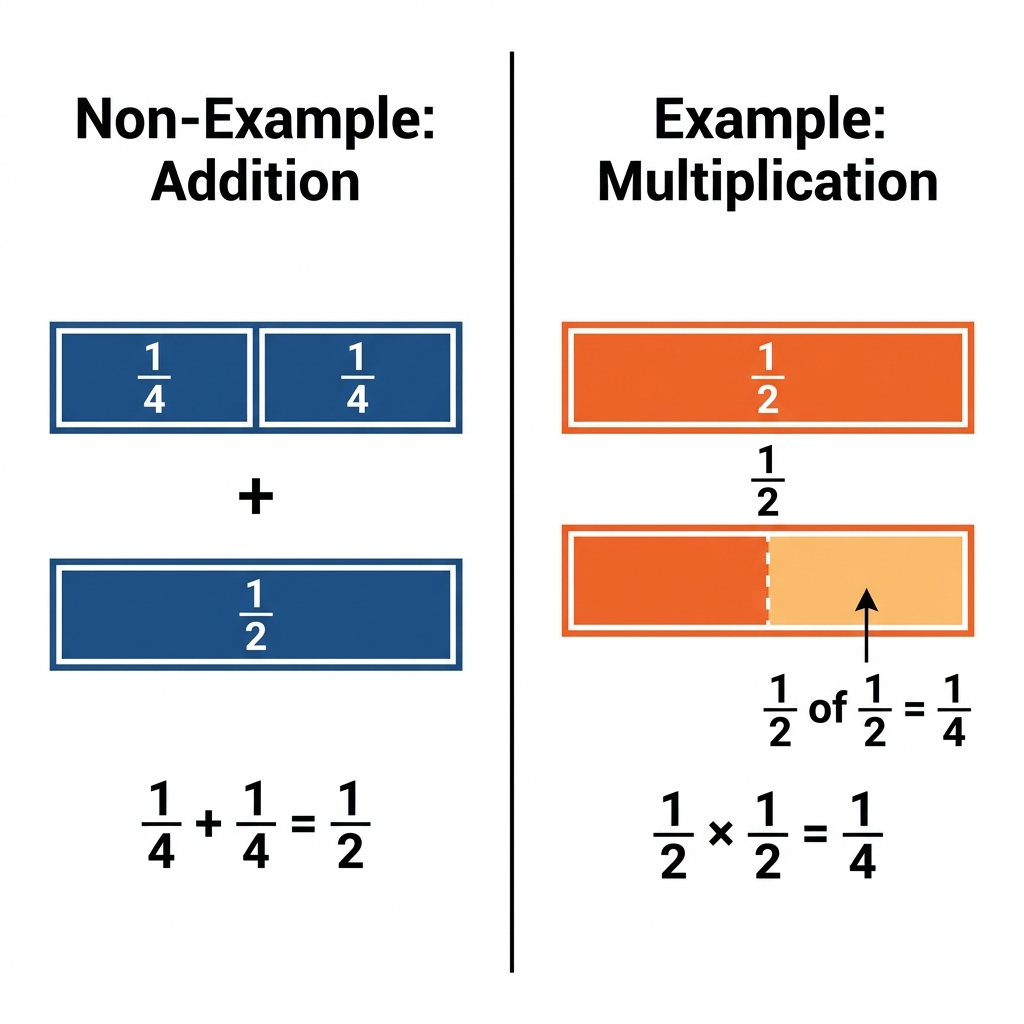
The lesson uses the definitions for numerator, denominator, and product to ensure everyone is speaking the same language before they start calculating. It suggests that this skill is about more than just a test grade, pointing out how finding a part of a part is essential for sewing, cooking, or general building. My favorite part is that it respects the teacher’s time. It gives the students the visual tools to struggle productively with the math, which is often exactly what a student who missed the week needs to get back on track. It is straightforward and does not waste time with fluff.
Related lessons
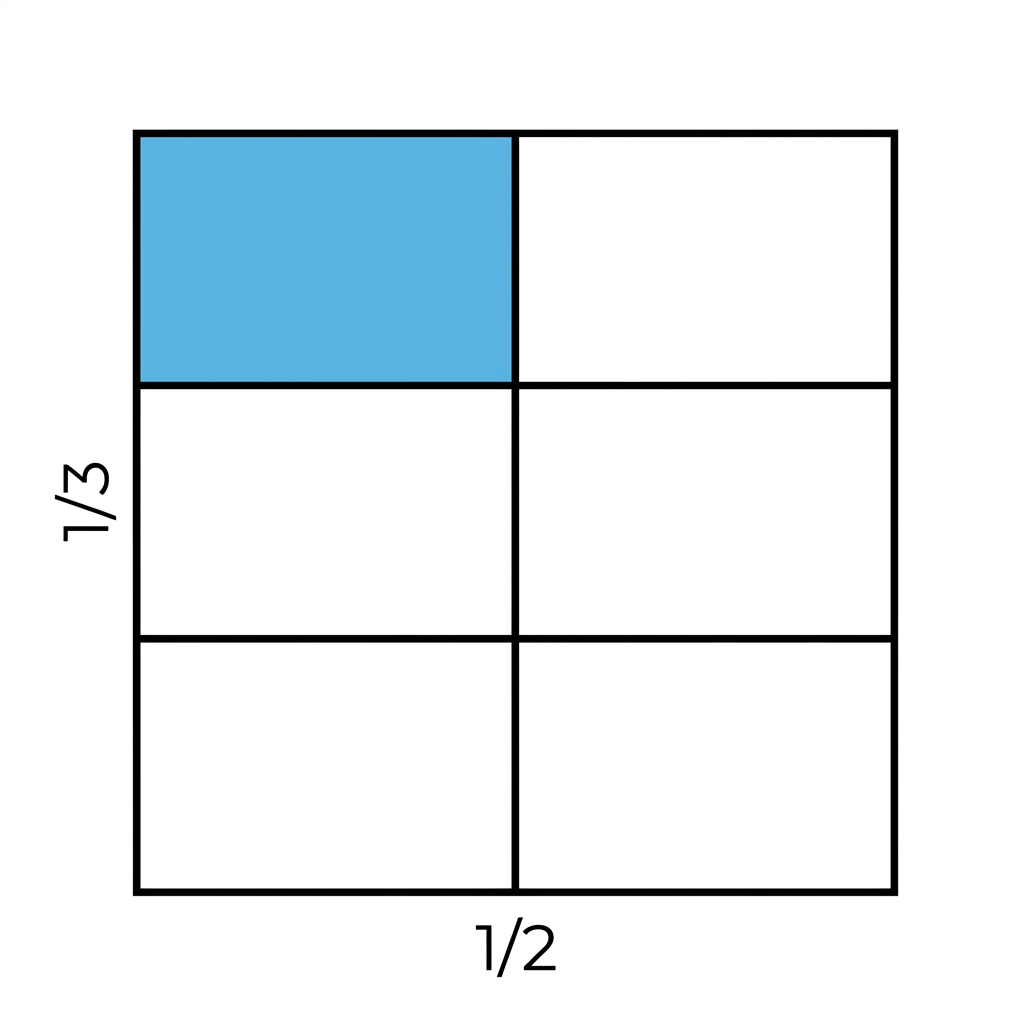
Finding Area with Fractions, Calculates geometric space using fractional side lengths and standard multiplication
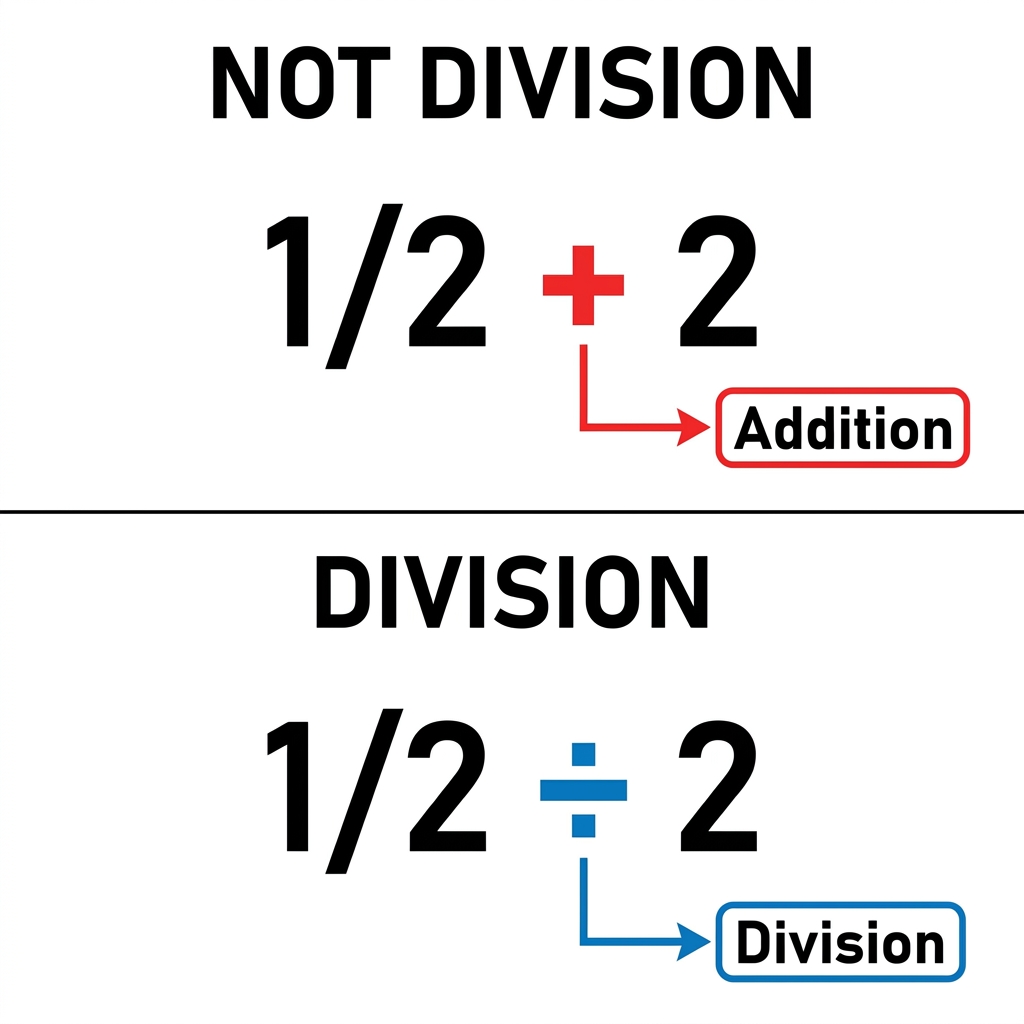
Dividing Fractions and Whole Numbers, Explains how to split whole units and fractions into parts
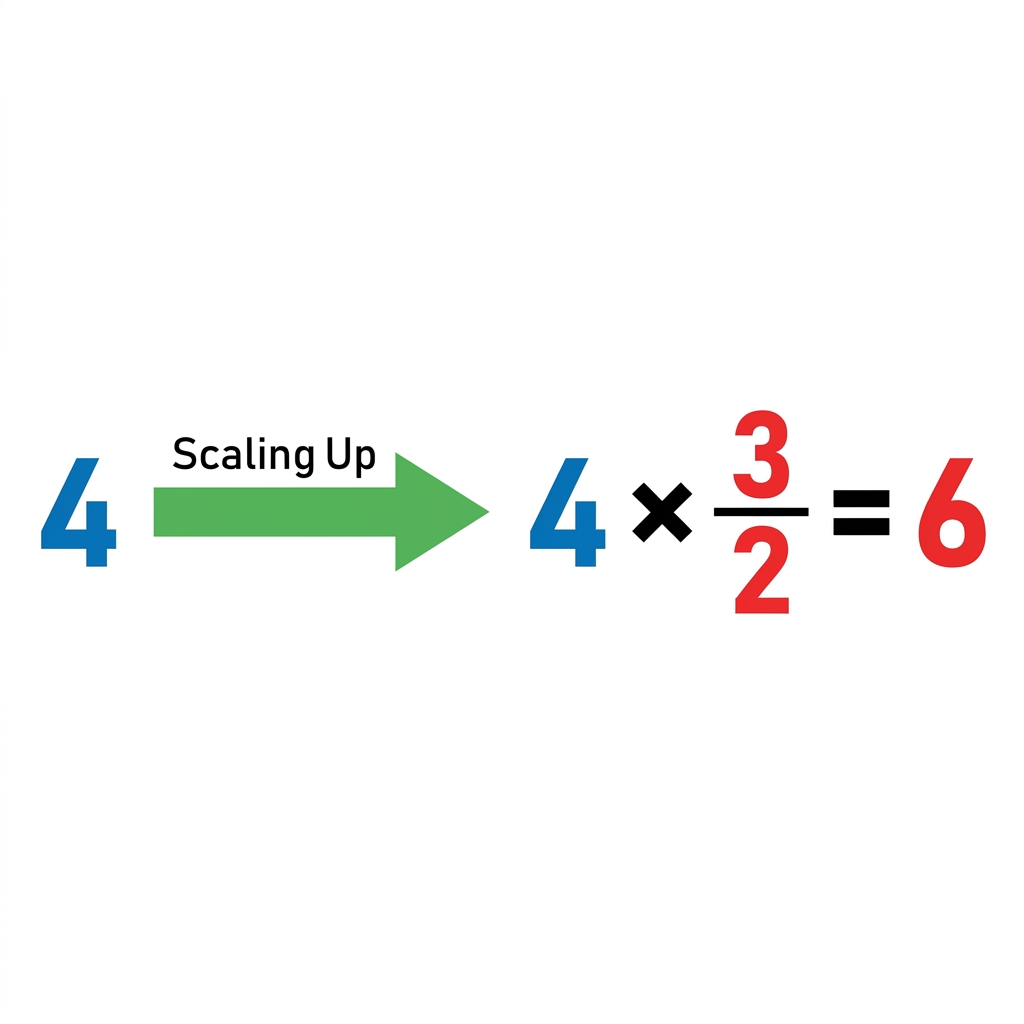
Scaling with Fractions, Focuses on the effects of multiplying numbers by fractional amounts