


When planning for 8th grade science, finding the time to cover core concepts can feel like a challenge. Between spring assemblies and shifting schedules, staying on track with your physical science unit requires tools that work as hard as you do. Understanding how energy moves is a foundational requirement, and managing the balance between wave movement and force is essential for student success.
Keeping pace with the science calendar
It usually happens right when the spring assembly schedule starts breaking up your planning period. You are staring at the calendar, realizing that your momentum in the physical science unit is hitting a wall, and suddenly the core concepts you need to get through feel like they are slipping out of reach. For 8th grade science, understanding how energy moves is a foundational requirement, but finding the forty-five minutes to really walk a class through the relationship between wave movement and force is harder than it sounds. Whether you are catching up a student who missed the week, managing a day with a substitute, or looking for a solid intervention tool, Understanding Wave Energy and Amplitude provides a clean, self-contained path to cover the essentials.
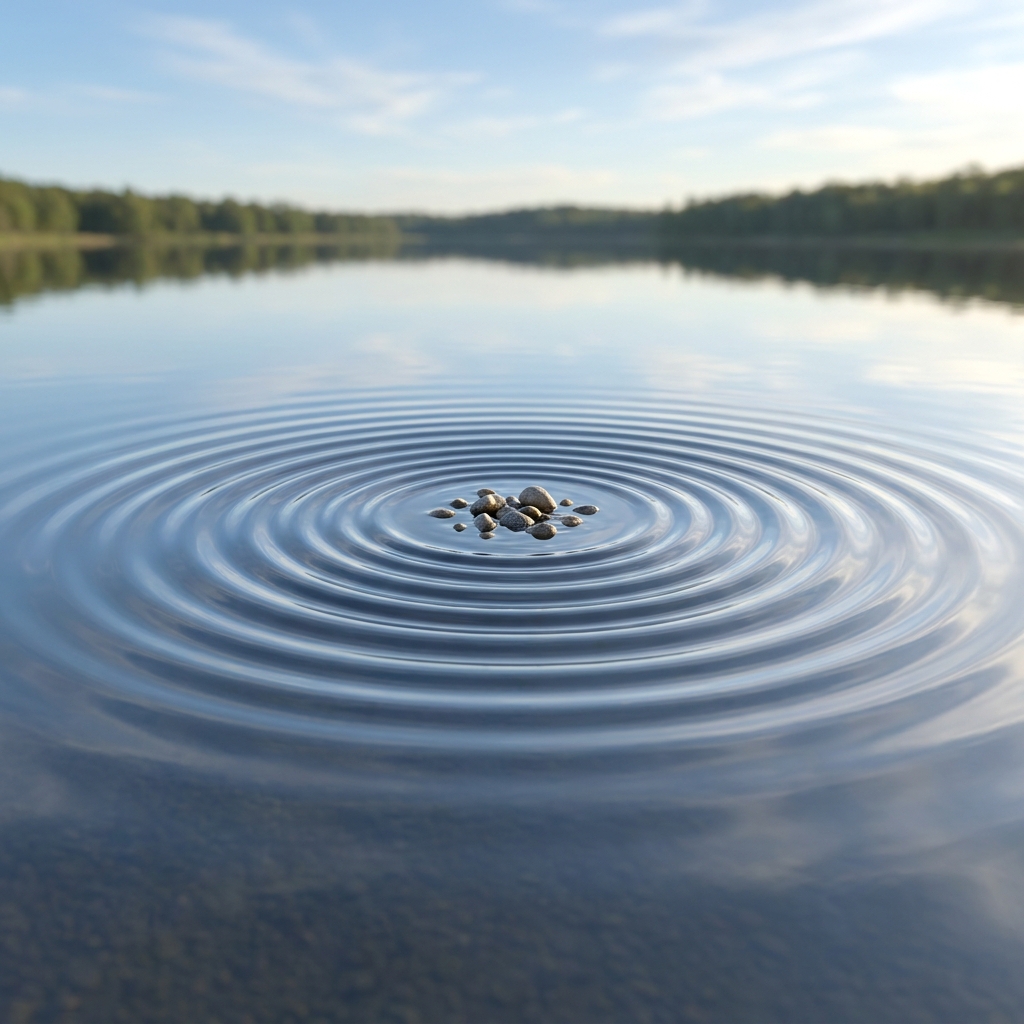
Students often struggle to connect the abstract movement of a wave with the tangible impact it can have on a structure. They see a ripple in a tank and think it is just water moving, not energy transferring. This lesson starts by grounding that idea in reality. It defines a wave as a disturbance moving through a medium, then focuses on the amplitude, which it defines as the maximum distance a wave moves from its resting or middle position. By using the provided ocean swell example, the lesson shows how a low amplitude equates to low energy. It helps to have this visual clearly laid out so you do not have to spend your own time drawing wave diagrams on the whiteboard while the class waits.
Aligning with state standards
The core objective here is to have students describe how the amplitude of a wave relates to the energy it carries. This maps directly to MS-PS4-1, which asks students to use mathematical representations to describe a simple model for waves that includes how the amplitude of a wave is related to the energy in a wave. This is a California-adopted standard. It is taught consistently across the state, from Bakersfield City School District and Los Angeles Unified to Southern Humboldt Joint Unified and Tustin Unified. California teaches middle school science using an integrated model that weaves physical, life, and Earth sciences together rather than as separate disciplines. Standards are contextualized with California phenomena including seismic activity, diverse ecosystems, water systems, and energy policy per the CA NGSS Framework. When you use this specific 8th grade wave energy lesson, you are hitting that requirement for using mathematical representations to describe wave models exactly as the state expects.
Connecting waves to the real world
One detail I appreciate is how the material connects these physics concepts to earthquake safety. It is a smart move because it stops the topic from feeling like a math exercise and starts making it feel like engineering. The lesson explains that engineers use this knowledge to design earthquake-resistant buildings by calculating the potential energy of seismic waves to ensure structures can withstand the shaking. If you have ever had a student ask why they need to care about wave energy, this is your answer. It is about safety, policy, and the literal foundation of the buildings they walk into every day.
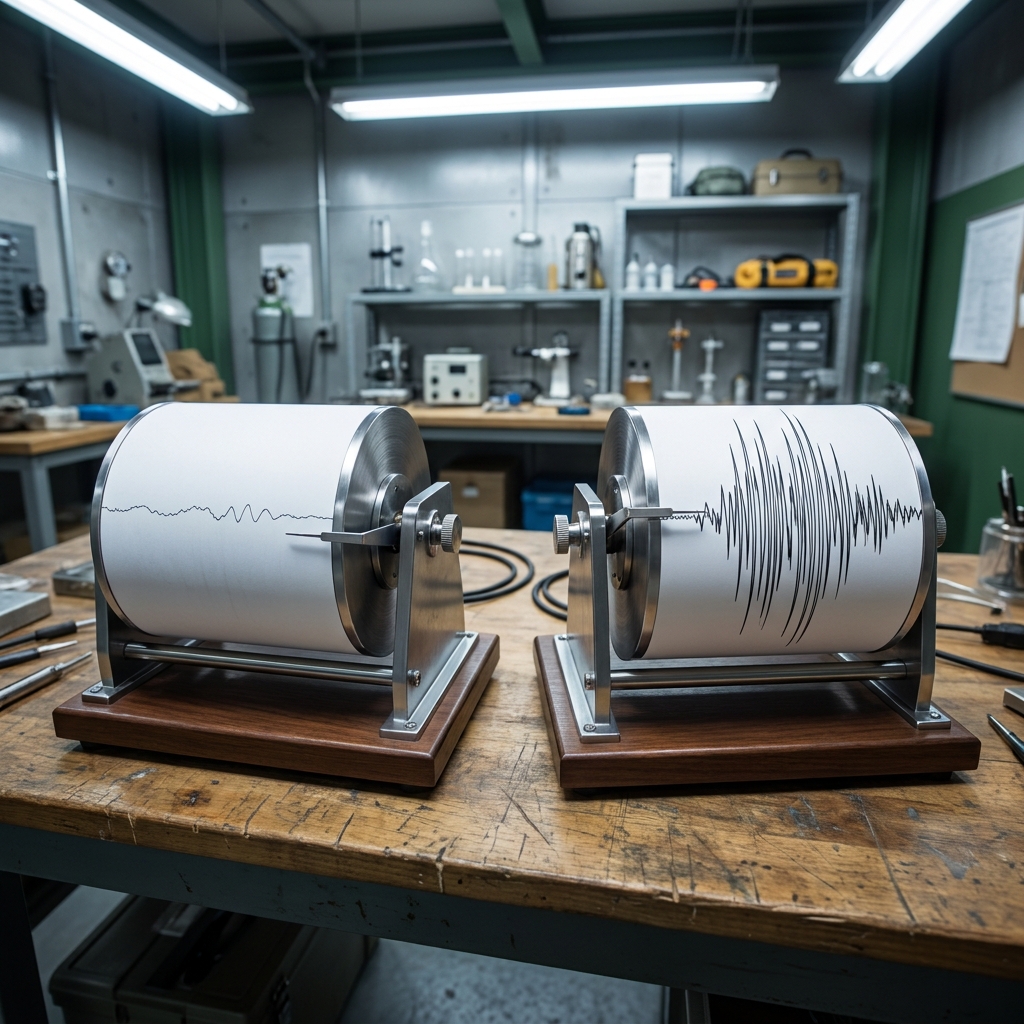
Vocabulary for the unit is precise: amplitude is the maximum distance from the resting position, while wave energy is the capacity of a wave to do work or cause change as it travels through a medium. These are not just definitions to memorize. They are the tools students need to analyze the seismic waves presented in the guided practice portion of the lesson. My advice is to let them work through the guided practice at their own speed before you jump in. Sometimes they see the pattern in the wave height and energy relationship faster than we expect, and giving them the space to figure it out independently prevents you from over-explaining the concept when they are already ready to apply it.
This material works well for a few different scenarios in your classroom. If you have a group that needs extra support, it functions as a great intervention. If you are using an independent study model, the layout is clear enough that a student can progress through the content without needing you to stand over their shoulder. It is not going to replace a full lab investigation, but for hitting the standard with clarity and efficiency when you are crunched for time, it is exactly what you need.
Related lessons

Thermal Energy Control in Architecture, Principles of thermal energy transfer applied to building design

Designing Thermal Energy Devices, Creating systems that manage heat transfer and thermal energy
Predicting Motion with Newton's Third Law, Using motion data to observe equal and opposite reactions