

You likely hit this point in your year-long map of seventh grade social studies and realize the pacing has tightened up. Between assessments and the sheer amount of ground we have to cover, finding time to break down how a superpower actually breaks down can be a struggle. When your students are behind or someone misses a week of instruction, a self-contained digital resource can be a relief. The Rise and Fall of the Roman Empire provides a clear, manageable framework to teach this concept without needing a massive preparation block on your part.
This lesson is designed for your seventh graders, and it fits well as a whole-class assignment, an intervention tool, or a straightforward task for a student who missed the week. It focuses on the core concept of imperial overreach. The material is the same across the state for students in Montebello Unified, Garden Grove Unified, Palos Verdes Peninsula Unified, and Santa Rita Union Elementary School District. Because it follows the California-adopted standard, you know it aligns with what your peers are teaching elsewhere.
What the lesson actually asks students to do
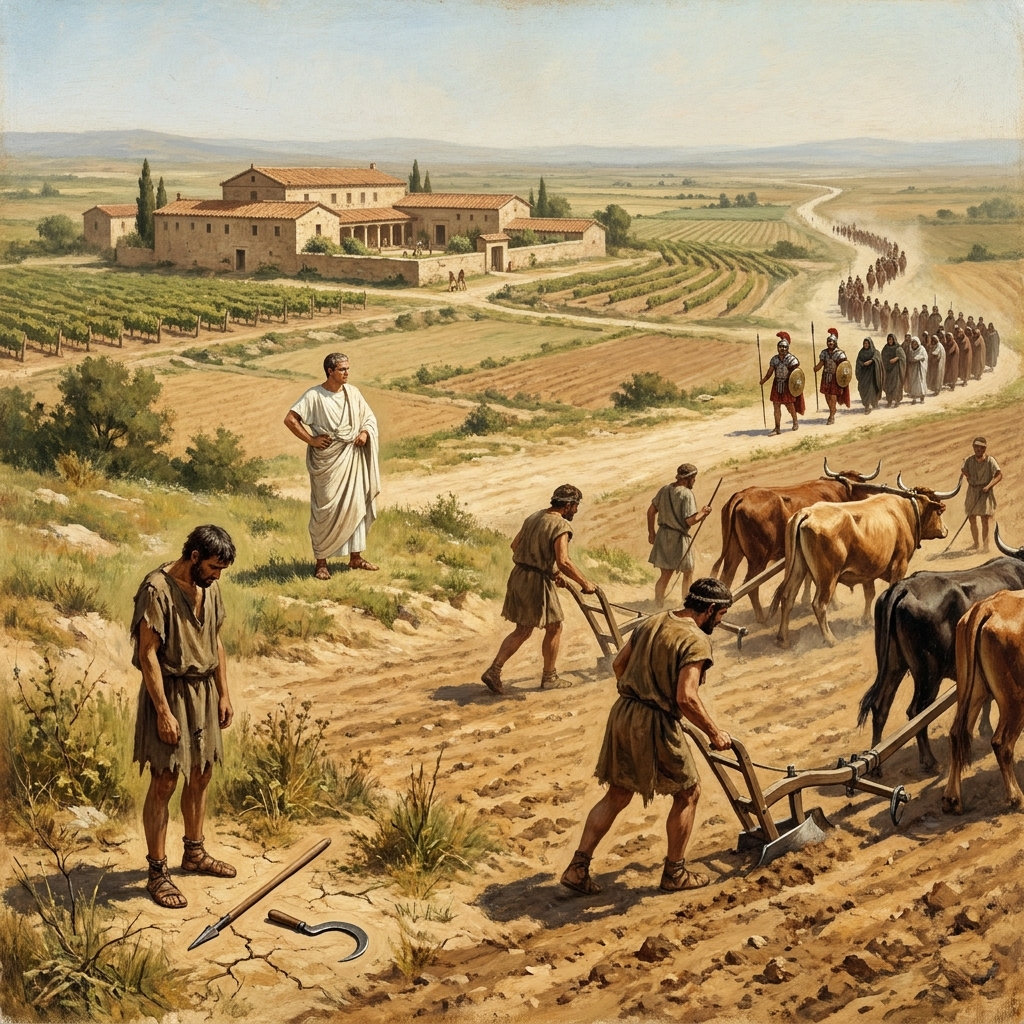
The lesson begins with a practical, down-to-earth opener about a small farming village managing ten acres. It grounds the abstract idea of governing in something tangible: the labor needed to keep crops safe and the ease of the leader checking on fields. From there, it jumps into the primary CA.HSS-7.1 standard. This standard asks students to analyze the causes and effects of the vast expansion and ultimate disintegration of the Roman Empire.

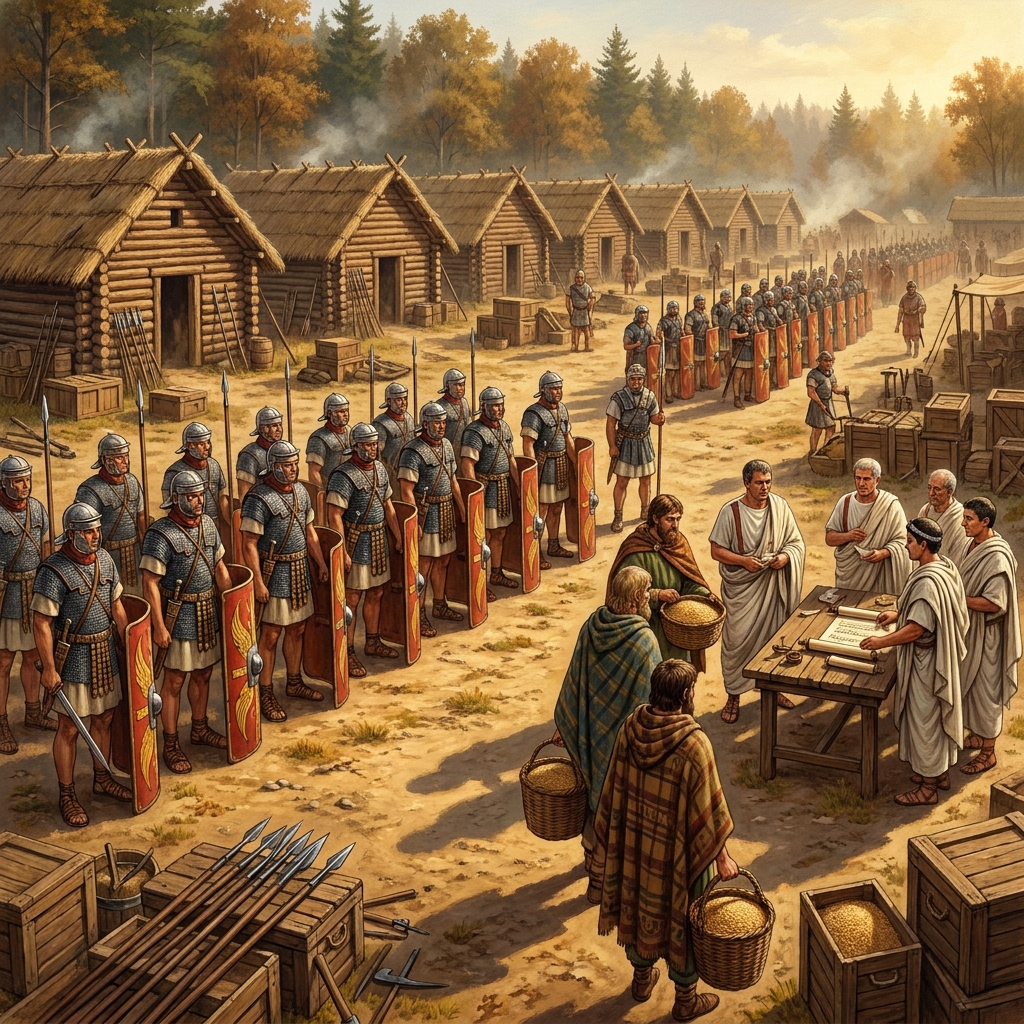
The lesson uses the conquest of Gaul as a specific worked example. It explains that Rome had to pour thousands of soldiers into the region, which forced the government to raise taxes on citizens and commit more manpower to garrisoning new territory. It is a classic trade-off: Rome secured one border, but by spreading its wealth and troops so thin, it lost the ability to protect the rest of its territories. The vocabulary is minimal but essential, focusing on the definition of expansion as the act of growing larger and disintegration as the process of breaking apart.
Where students slip
The biggest hurdle for seventh graders here is the temptation to view history as just a list of battles. This lesson forces them to look at the internal pressures. When you use this seventh grade social studies lesson, look for students who struggle to connect the tax increases to the loss of central control. Some students assume expansion is always a positive indicator of strength. The guided practice hits this head-on by explaining why Rome split into East and West. It shows that even a massive empire has a breaking point, specifically when it is too large for one person to control effectively. It is a good, opinionated take on why simple growth is not always a sign of health.
The why-it-matters section makes a strong point that studying imperial overreach helps students understand how government systems function in the present. If you have a student struggling to engage, that real-world connection is often the hook that works. It pushes them to look for these patterns beyond the classroom, turning them into more informed observers of the news and their own world.
When to use this lesson
If you are planning for a substitute day or setting up independent study packets, this is a clean choice. It is short, about 45 minutes, which means it respects the time constraints you are facing. It is not going to take over your entire unit, but it hits the required content in a way that is easy for a seventh grader to digest independently. You are not assigning busy work; you are assigning a focused investigation of why a massive empire failed. It is a solid piece of curriculum that gets straight to the point.
Related lessons
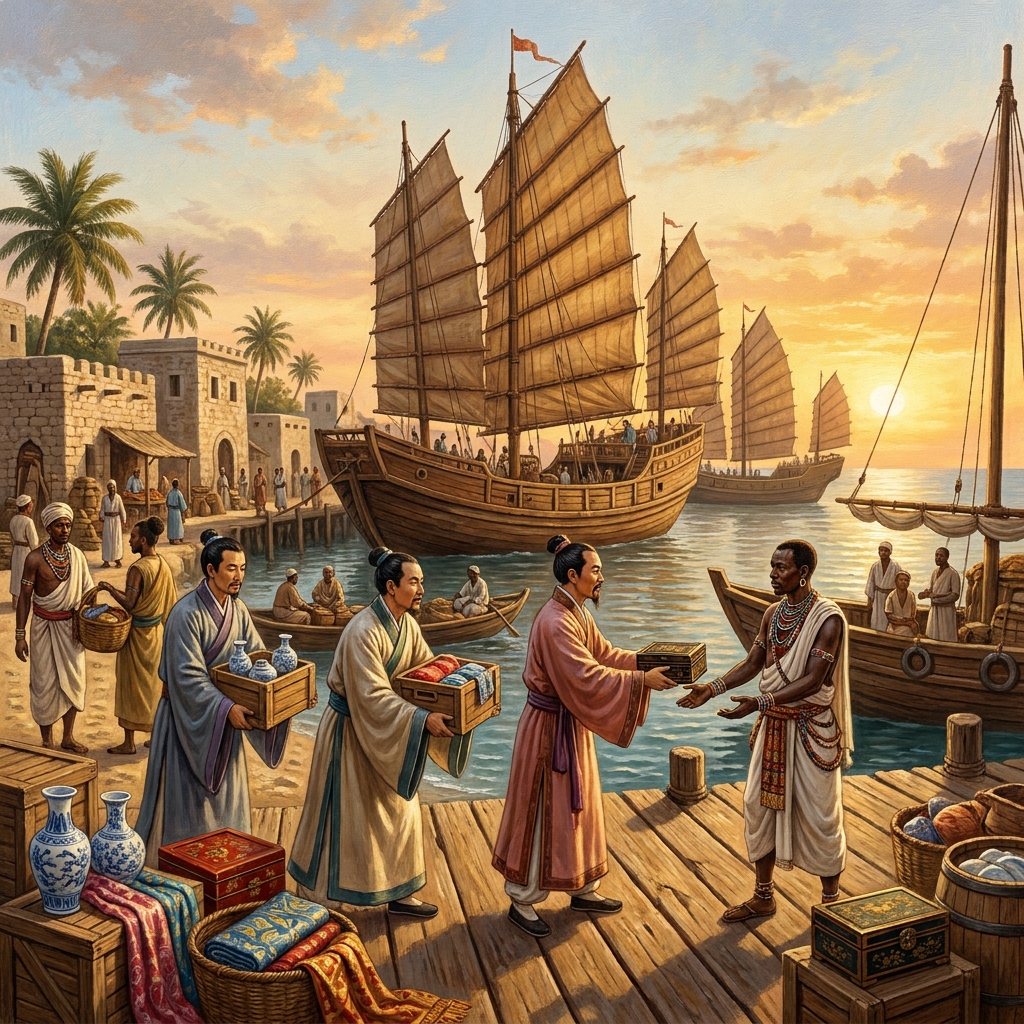
Trade and Influence in the Mongol and Ming Eras, Examines economic exchange and power during the Mongol and Ming dynasties
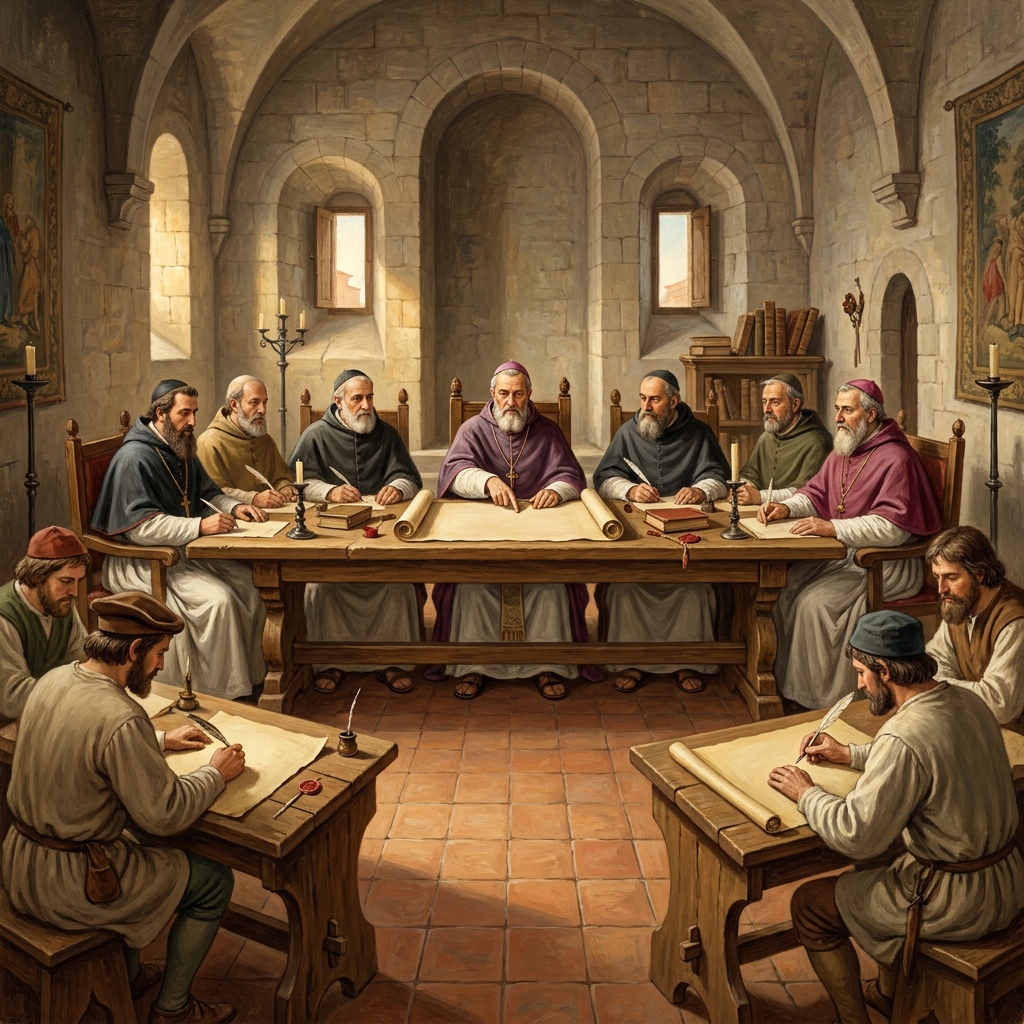
The Counter-Reformation: Reforming the Catholic Church, Details how the Catholic Church responded to the Protestant Reformation movement
Life on the Arabian Peninsula, Covers daily life and geography in the pre-modern Arabian Peninsula