

This 8th grade science lesson does not try to teach the entire history of microbiology or every single organelle found within a eukaryotic cell. If you are a counselor or intervention teacher searching for a resource that gets bogged down in unnecessary theory, this is not it. Instead, The Building Blocks of Life keeps its focus narrow. It addresses the requirement that students understand life science at the cellular level by sticking to the core concept of how living organisms are organized.
What this lesson avoids and what it actually achieves
Students begin by looking at familiar California surroundings. The material uses the example of an oak forest to explain that every living entity, from the tiniest leaf to a massive tree, consists of the same basic units. The lesson defines a cell as the smallest basic unit of life that can perform all the functions needed for an organism to survive. By keeping the language plain, the material avoids confusing students who might be struggling with more complex biological concepts. It takes about 45 minutes to finish, making it a reliable choice for a student who missed the week or needs a quick, directed session for attendance recovery.
How the curriculum meets state requirements
The lesson covers the standard CA.MS-LS1-1, which asks students to conduct an investigation to provide evidence that living things are made of cells, either as single units or in complex arrangements. This is the California-adopted standard, and you will find that educators in the Sweetwater Union High School District, Santa Ana Unified, San Carlos Elementary School District, and Redondo Beach Unified rely on this same expectation when building their science units. Because California uses an integrated model for science, standards are contextualized with local phenomena, such as the soil crusts found in our deserts or the plant health issues seen in our agricultural sector.
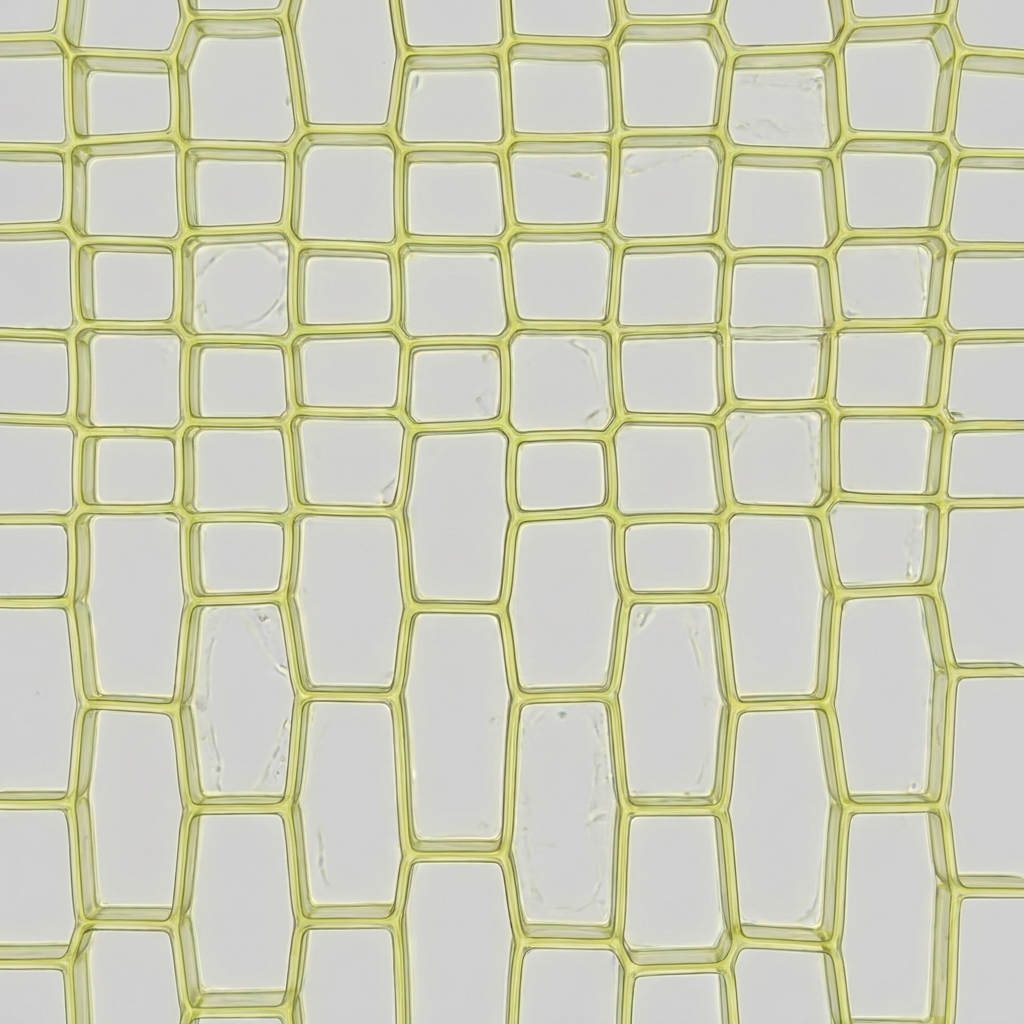
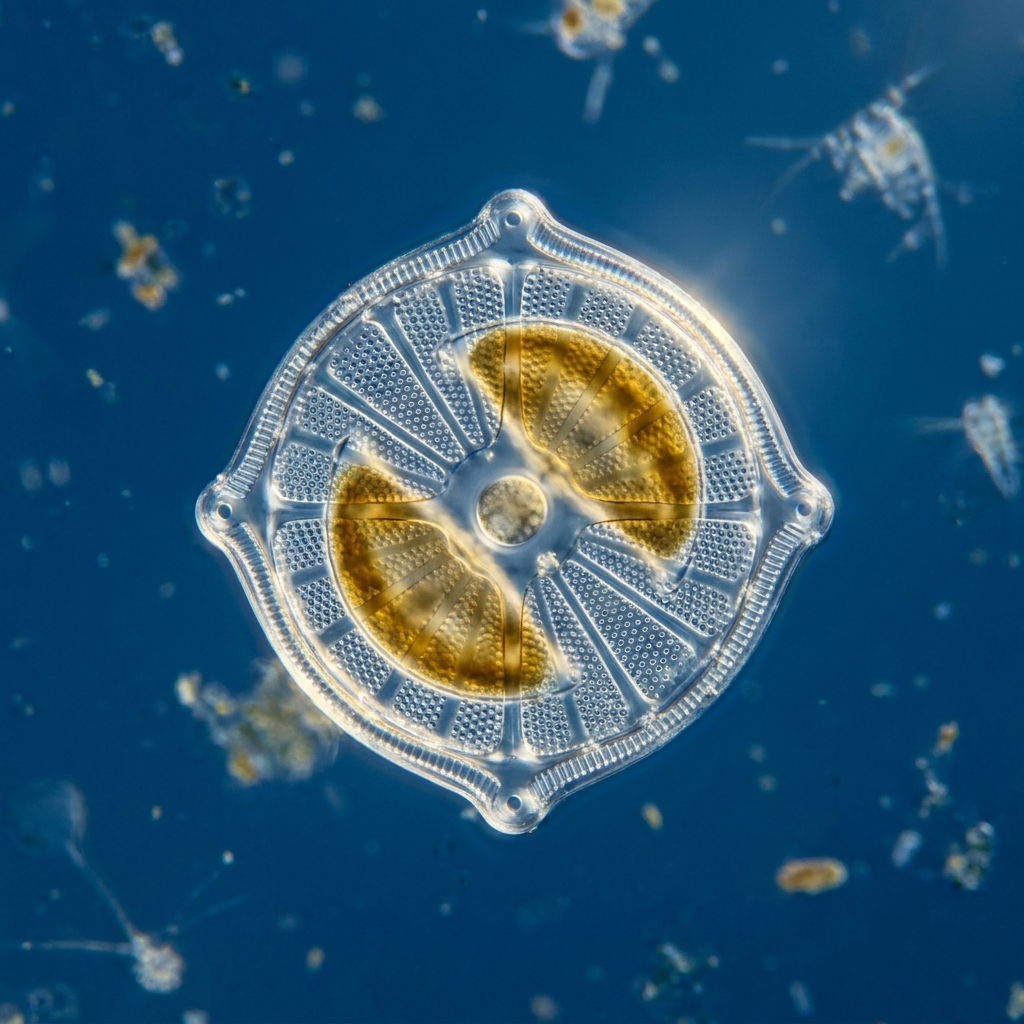
When a student works through this 8th grade science cells and organisms lesson, they move through several clear definitions. The vocabulary includes cells, unicellular organisms, and multicellular organisms. It also explains photosynthesis and cell differentiation. One of the best parts is the worked example. The lesson highlights a diatom, which is a tiny, single-celled organism found in the ocean. The text explains that it is unicellular because it is made of only one cell. Seeing this single cell perform all the tasks needed to live and grow helps students visualize what is happening inside much larger organisms.
The guided practice forces students to apply their new knowledge to a new scenario. They examine a sample of soil crust from the California desert, which pushes them to identify whether the organisms they see under a hypothetical microscope are unicellular or multicellular. This practice is useful because it moves beyond mere memorization. It requires the student to demonstrate that they can identify the evidence of cellular life in a real-world sample.
When you assign this for independent study, you can trust that the learning objectives remain consistent. The reason this material works well for intervention is that it connects the abstract idea of a cell to something tangible. For instance, the section on why this matters mentions that scientists in the California agricultural industry use cell analysis to diagnose diseases in local crops. If a student can see that a sick plant has unhealthy cells, the concept of cell function becomes personal and practical. It moves the conversation away from rote learning and toward the actual work scientists do in the field.
You should check that your students understand the difference between a simple, one-cell diatom and the specialized cells found in plants. The definition provided is helpful: “A multicellular organism is a living thing made of many different types of cells working together.” If a student is stuck, point them to the section on cell differentiation, which explains how a less specialized cell becomes a more specialized cell type to perform specific functions. This explains how a plant can maintain its structure or carry out complex tasks like photosynthesis. You can find the full content by visiting CA.MS-LS1-1 and verifying the student work against the provided examples.
As an educator, I find the brevity of this lesson refreshing. It does not waste time with filler activities or unrelated projects. It hits the requirements of the California NGSS framework by keeping the focus on the cellular basis of life. It provides a clear, manageable path for an eighth grader to catch up on a missed week or to engage in independent study without needing constant support. When the student finishes, you have a concrete set of responses to review, which makes assessing their progress simple.
Related lessons

Managing California's Natural Resources, Overview of state resource management and environmental policy

Survival of the Fittest: Genetic Variation in California Ecosystems, Study of genetic variation within local California plant and animal populations
The Body as a System, Explaining how various human body systems work together to function